

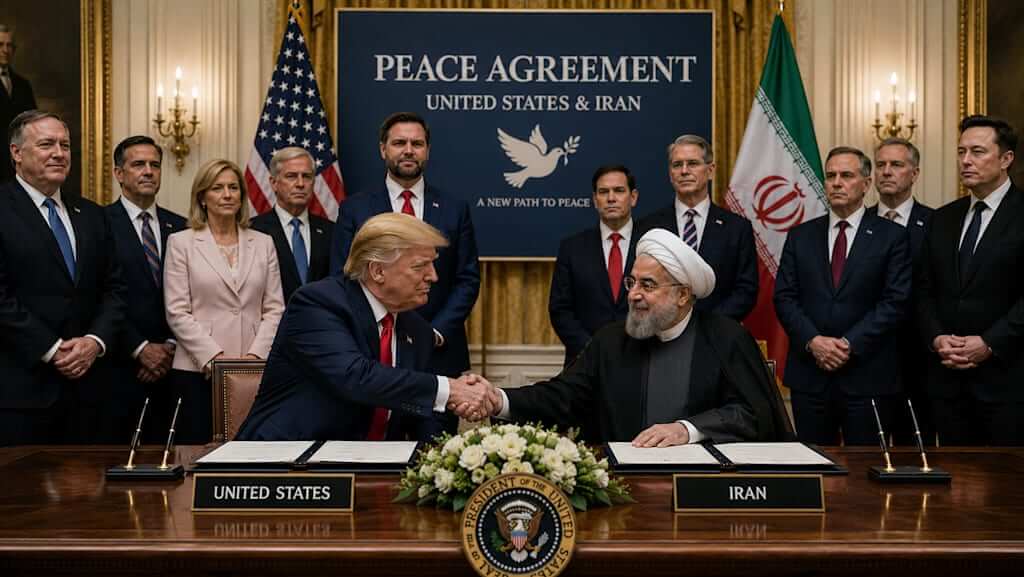
The announcement of a memorandum of understanding (MoU) between the United States and Iran marks one of the most consequential geopolitical developments in West Asia in decades. After more than three months of direct confrontation, naval blockades, missile exchanges, attacks across Lebanon and the Gulf, and fears of a wider regional war, Washington and Tehran have agreed to a framework intended to halt hostilities and create a pathway toward a broader settlement. The agreement is expected to be formally signed in Geneva later this week after mediation efforts led by Pakistan, Qatar and several international actors.
Yet beneath the celebrations lies a critical reality: this is not a final peace treaty. It is a political framework, a ceasefire architecture and a negotiating roadmap. The next sixty days will determine whether the Middle East enters a new era of stability or merely pauses before another round of conflict.
Blueprint of the Deal
Available details emerging from Iranian, American and diplomatic sources indicate that the agreement rests upon five central pillars.
The first pillar is the cessation of military hostilities. Both sides have committed to ending direct military actions and extending the ceasefire for sixty days while negotiations continue. The arrangement reportedly covers multiple theatres, including maritime confrontation in the Gulf and proxy-linked escalation in Lebanon.
The second pillar concerns the Strait of Hormuz. Iran has reportedly agreed to reopen the waterway for commercial shipping, while the United States will gradually remove naval restrictions and lift the blockade imposed on Iranian ports. Mine clearance operations and maritime security arrangements are expected to precede full reopening.
The third pillar addresses sanctions relief. Washington is expected to provide temporary waivers on Iranian oil exports, refrain from imposing new sanctions during negotiations and facilitate the release of approximately $25 billion in frozen Iranian assets. Various drafts also refer to broader economic assistance and reconstruction initiatives.
The fourth pillar involves the nuclear issue. Iran has reportedly committed not to pursue nuclear weapons, halt further enrichment expansion and freeze the growth of nuclear facilities during negotiations. More difficult questions involving uranium stockpiles, enrichment levels and verification mechanisms are deferred to future talks.
The fifth pillar is political normalization. While not amounting to full diplomatic recognition, the agreement creates channels for sustained negotiations and crisis management mechanisms designed to prevent future military escalation.
In essence, the MoU trades military de-escalation and nuclear restraint for sanctions relief and economic breathing space.
Why Both Sides Needed the Deal
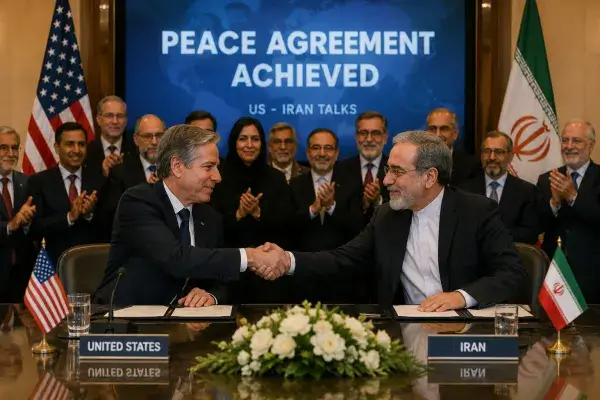
The agreement reflects strategic necessity rather than ideological reconciliation. For Iran, the war exposed serious vulnerabilities. The economic impact of sanctions, restrictions on oil exports, disruptions to maritime commerce and military pressure from the United States imposed significant costs. Tehran needed sanctions relief, access to frozen assets and the restoration of commercial trade routes.
For Washington, the conflict had become increasingly expensive politically and strategically. Rising energy prices, pressure from global markets and concerns among American allies created incentives to avoid a prolonged military commitment. The White House also sought to prevent a wider regional conflict that could draw in multiple actors across the Middle East.
The result is a classic compromise in international relations: neither side achieved all its objectives, but both obtained enough to justify ending the fighting.
Who is the Major Gainer?
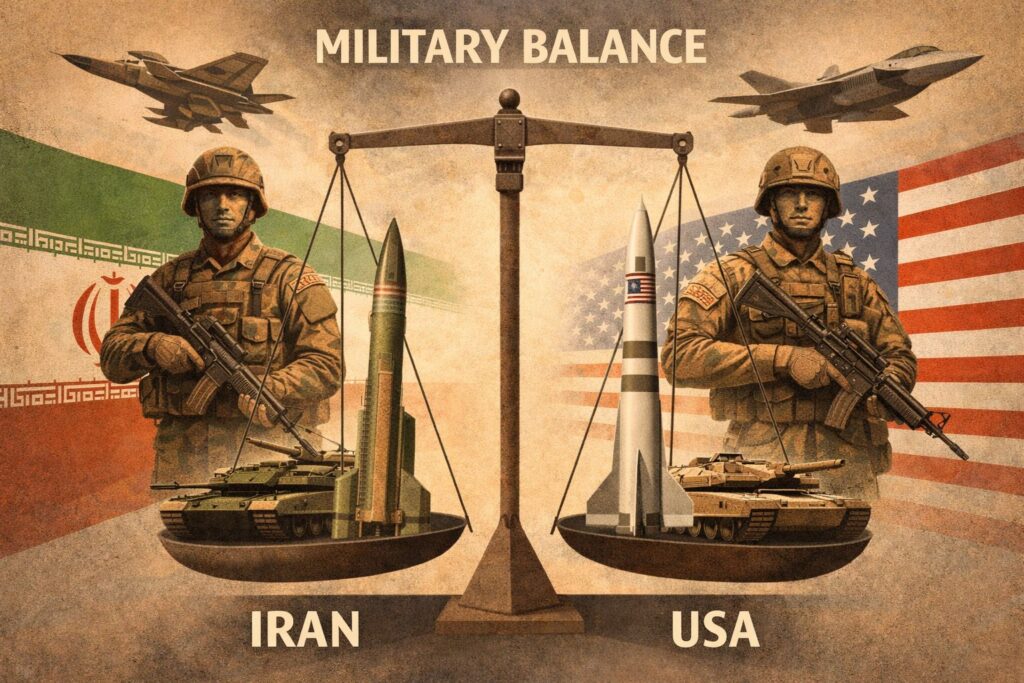
The answer depends on the metric applied. From a security perspective, the United States can claim success because Iran has reportedly accepted restrictions on its nuclear activities and agreed to negotiate under sustained international scrutiny. Washington also preserves military deterrence while avoiding a long war.
From an economic perspective, Iran appears to have secured significant concessions. Asset releases, sanctions waivers and renewed oil exports could inject billions into its economy. After months of conflict, that represents a major strategic achievement.
From a diplomatic perspective, Pakistan may be the unexpected winner. Islamabad’s mediation role has elevated its international profile and demonstrated its utility as a regional interlocutor acceptable to both Washington and Tehran.
Perhaps the greatest winner is neither Washington nor Tehran but the global economy. Markets responded positively, while oil prices fell sharply on expectations that Hormuz would reopen and energy supplies would stabilize.
Israel: The Potential Spoiler
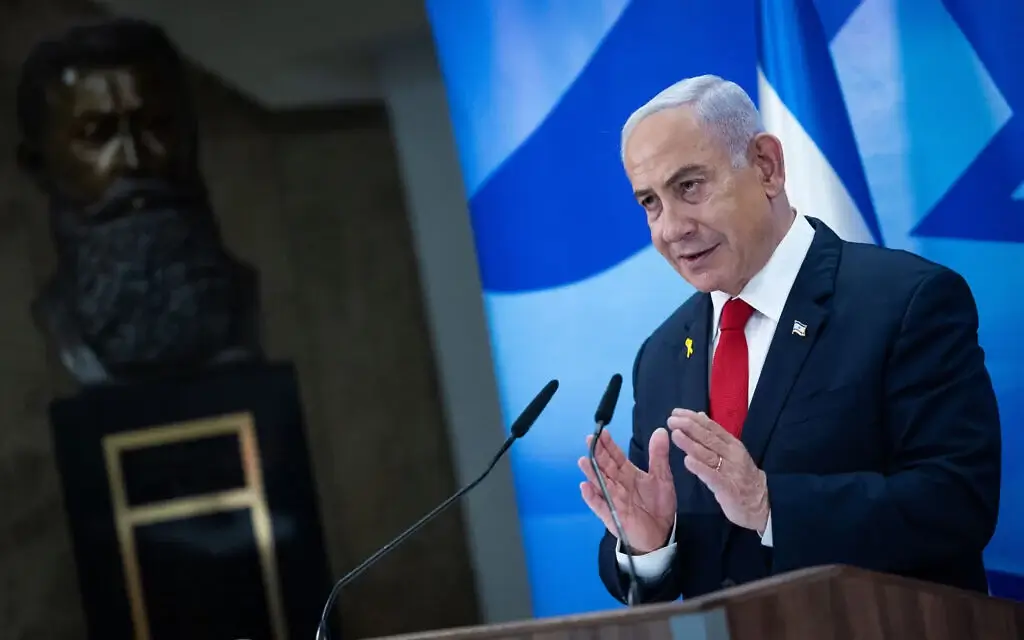
The most significant challenge to the agreement comes from Israel.
For years, Israeli strategic doctrine has viewed Iran’s nuclear program and regional influence as existential threats. Many Israeli policymakers remain sceptical that Tehran will genuinely abandon nuclear ambitions. Consequently, any arrangement that provides sanctions relief before permanent nuclear dismantlement is likely to generate concern in Jerusalem.
Recent Israeli strikes in Lebanon highlighted precisely this danger. Those attacks reportedly delayed the agreement and triggered sharp criticism from both Tehran and President Trump himself. Israel has several mechanisms through which it could indirectly undermine the deal.
Military operations against Hezbollah could trigger retaliation from Iranian-backed groups. Intelligence operations targeting Iranian nuclear facilities could derail negotiations. Political lobbying in Washington could complicate congressional support for sanctions relief.
Regional escalation involving Lebanon or Syria could reignite broader hostilities. The fundamental problem is that Israel evaluates security risks differently from Washington. The United States currently prioritizes de-escalation. Israel prioritizes long-term prevention of Iranian strategic consolidation. These priorities may not always align.
Lebanon: Ceasefire, Frozen Conflict or Prelude to Another War?
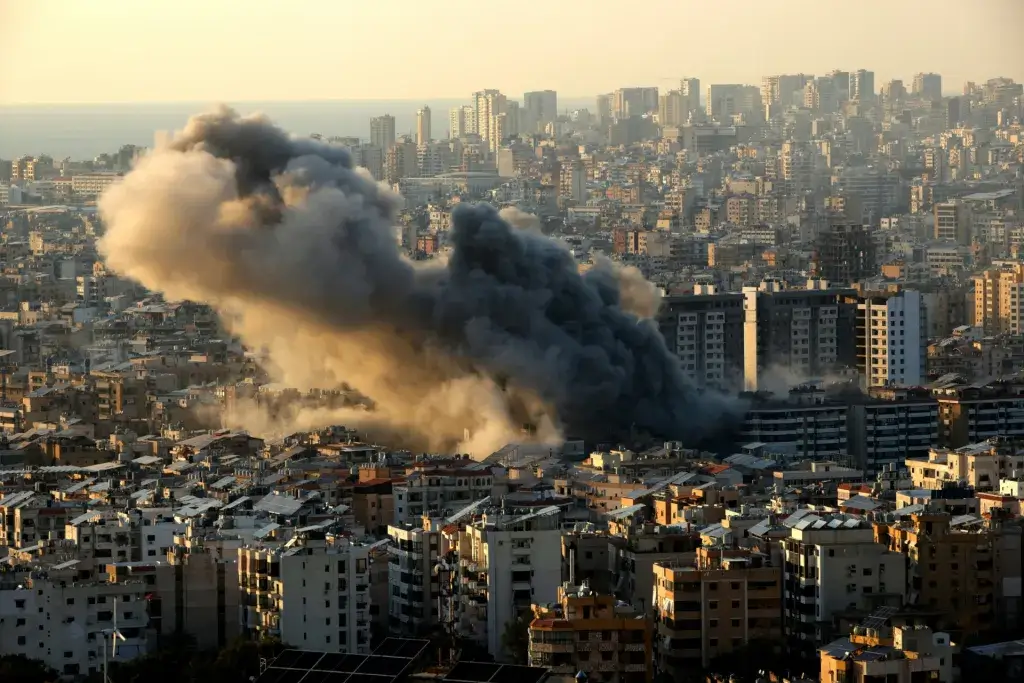
One of the most uncertain dimensions of the U.S.-Iran understanding concerns Lebanon, which has increasingly become the principal arena for indirect confrontation between Israel and Iran. While the current agreement is expected to reduce immediate hostilities and place pressure on Iranian-backed groups, it does not automatically resolve the underlying Israel-Hezbollah conflict. A permanent ceasefire in Lebanon would require far more than an American-Iranian accommodation; it would necessitate a political and security arrangement acceptable to Israel, Hezbollah, the Lebanese state and external stakeholders. At present, such a comprehensive framework remains elusive.
The key question is whether Israeli Prime Minister Benjamin Netanyahu is prepared to convert the current operational pause into a strategic settlement. Available indicators suggest that Israel is unlikely to agree to a complete withdrawal of forces or a permanent cessation of military operations unless it is convinced that Hezbollah’s military capabilities have been significantly degraded and that the threat of cross-border attacks has been substantially reduced. Israeli security doctrine has consistently emphasized maintaining freedom of action against perceived threats, and many within Israel’s security establishment remain sceptical that diplomatic assurances alone can guarantee long-term security.
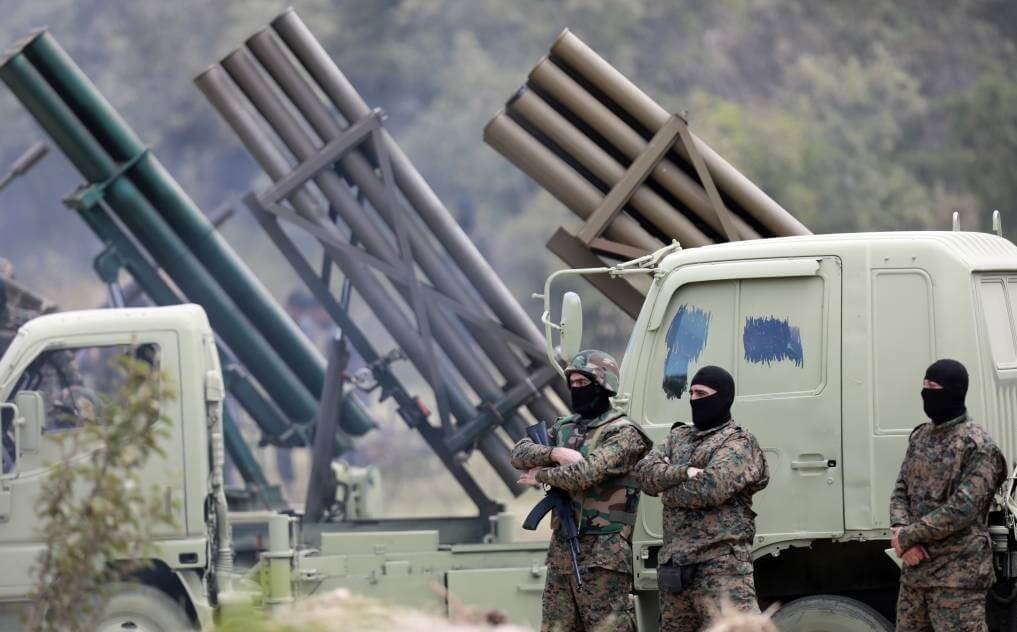
Consequently, the more probable outcome is not a permanent peace but a managed pause in hostilities. Israeli forces may reduce operational tempo, redeploy from some forward positions and avoid major offensives during the negotiation period, but they are unlikely to abandon the option of future military action. Hezbollah, for its part, may also refrain from escalation while Iran seeks to secure the benefits of sanctions relief and diplomatic normalization. This creates a situation resembling a “frozen conflict” rather than a resolved one—an uneasy equilibrium in which both sides avoid major war but continue preparing for the possibility of future confrontation.
The danger lies in the fact that Lebanon remains the most likely trigger for the collapse of the broader U.S.-Iran understanding. A single missile strike, targeted assassination, border incident or large-scale Israeli operation could rapidly unravel the diplomatic progress achieved thus far. Therefore, while the current agreement may produce a temporary reduction in violence along the Israel-Lebanon frontier, it would be premature to interpret it as the beginning of a lasting peace. The most realistic assessment is that Lebanon is entering a period of armed deterrence rather than reconciliation, where the guns may fall silent for a time, but neither side is yet prepared to holster them permanently.
Trump’s Greatest Challenge
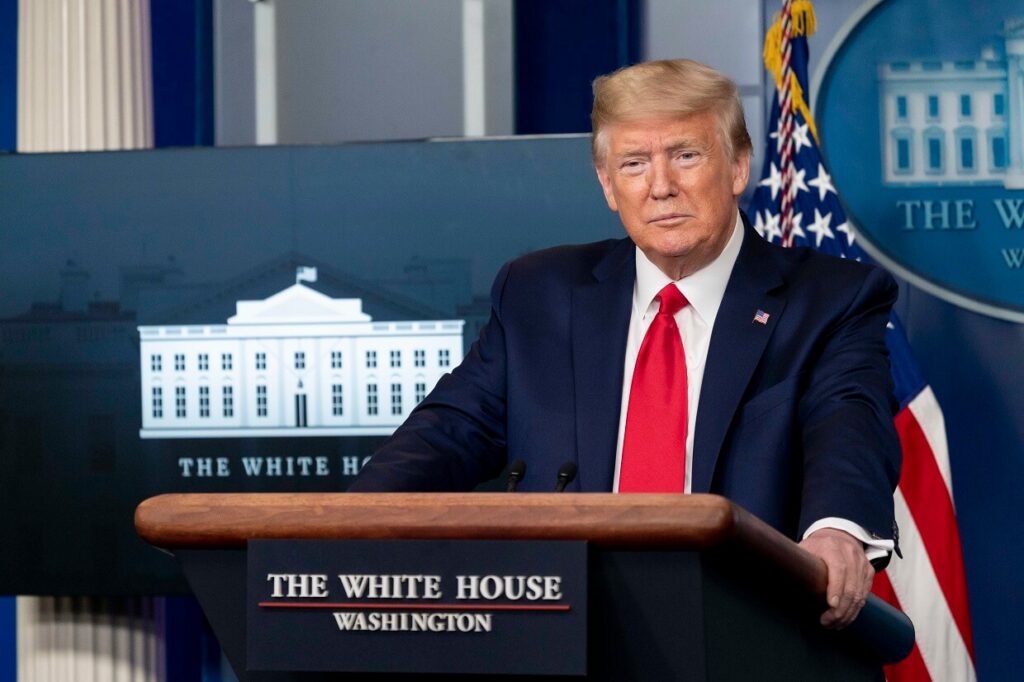
For President Trump, the agreement represents both an opportunity and a risk. If successful, it could become one of the defining diplomatic achievements of his presidency. Ending a conflict that threatened global energy supplies and regional stability would strengthen his reputation as a dealmaker.
However, the risks are substantial. The first challenge is enforcement. Iran’s commitments regarding enrichment and nuclear activities require verification. Without credible monitoring mechanisms, critics will argue that Tehran is simply buying time. The second challenge is domestic politics. Congressional critics may oppose sanctions relief and asset releases, arguing that Washington is rewarding Iranian behaviour without obtaining sufficient concessions. The third challenge is alliance management. Trump’s reported frustration with Israeli actions illustrates emerging tensions between Washington’s diplomatic priorities and Israel’s security calculations. The fourth challenge is credibility. Trump has publicly warned that military pressure could return if negotiations fail within sixty days. If talks collapse, Washington may face renewed demands for coercive measures.
China’s Invisible Hand: Quiet Strategic Influence Behind the Deal

While the United States and Iran were the principal negotiators, it would be a mistake to view the agreement solely through a Washington-Tehran prism. China may not have sat at the negotiating table, but its strategic influence loomed large over the entire process. Over the last decade, Beijing has emerged as Iran’s most important economic lifeline, a major purchaser of Iranian oil and a critical diplomatic partner. More importantly, China has consistently advocated regional de-escalation in the Gulf because its economic interests are directly linked to uninterrupted energy flows from West Asia.
The closure of the Strait of Hormuz posed a significant threat to Chinese energy security. Nearly half of China’s crude oil imports originate from the Gulf region, making any prolonged disruption economically damaging. Rising shipping insurance costs, uncertainty in energy markets and the prospect of a wider regional war threatened China’s growth objectives at a time when Beijing is already grappling with economic headwinds. Consequently, China had strong incentives to encourage restraint in Tehran while quietly supporting diplomatic efforts aimed at restoring stability.
China’s influence over Iran has increased considerably since the signing of the 25-year Comprehensive Strategic Partnership agreement between the two countries. Tehran understands that Chinese investment, technology transfers and energy purchases are vital for its economic survival. While there is no public evidence that Beijing directly brokered the current memorandum, Chinese diplomatic channels are believed to have conveyed clear messages that prolonged confrontation would jeopardize Iran’s economic recovery and undermine broader regional stability. Such messaging likely reinforced the arguments of pragmatists within the Iranian leadership who favoured negotiations over continued escalation.

At the same time, China has emerged as a geopolitical beneficiary of the crisis. Beijing can now portray itself as a responsible stakeholder advocating dialogue while contrasting its approach with the military interventions traditionally associated with Western powers. The agreement also strengthens China’s long-term objective of positioning itself as an indispensable diplomatic actor in West Asia, a role it began cultivating through its facilitation of the Saudi Arabia-Iran rapprochement in 2023. In many respects, the current deal demonstrates that China’s growing economic footprint in the Middle East is increasingly translating into political influence.
However, Beijing’s role should not be overstated. The primary drivers of the agreement were the military, economic and political calculations of Washington and Tehran themselves. China did not create the conditions for peace, but it contributed to an environment in which de-escalation became strategically preferable. In that sense, China’s influence was less that of a mediator and more that of a silent strategic stakeholder whose interests aligned with preventing a wider regional war.
As one regional diplomat observed, “The United States negotiated the deal, Iran accepted the deal, but China had every reason to ensure the deal happened.” That assessment may ultimately prove to be one of the most accurate descriptions of Beijing’s role in this evolving West Asian security landscape.
Next Sixty Days: A High-Stakes Window
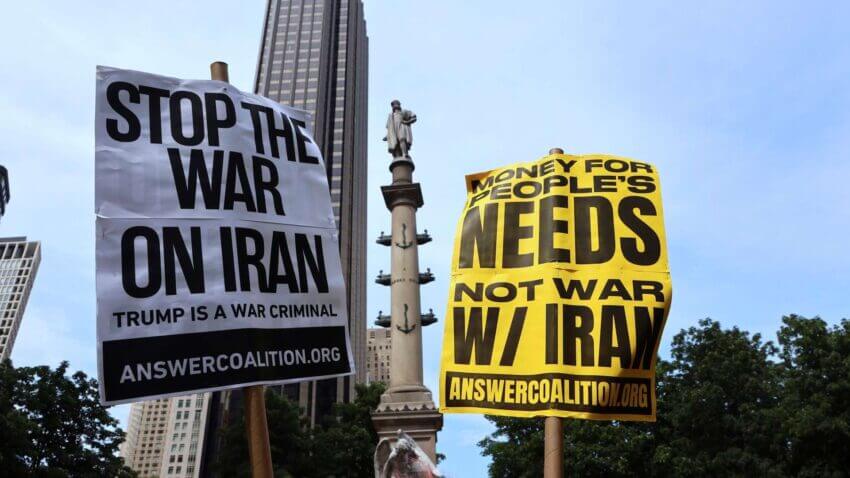
The agreement’s most important feature is its sixty-day timeline. During this period, negotiators must tackle issues deliberately postponed from the current memorandum.
These include uranium stockpiles, enrichment limits, inspection regimes, sanctions architecture, regional proxy networks and maritime security arrangements. Three broad scenarios are possible. The optimistic scenario sees the ceasefire hold, Hormuz reopen fully, sanctions relief begin and nuclear negotiations make measurable progress. In this outcome, a more comprehensive agreement emerges by late summer. The middle scenario involves recurring crises but continued negotiations. Israeli-Iranian tensions persist, occasional incidents occur and implementation slows, but diplomacy survives. The pessimistic scenario involves a major security incident in Lebanon, Syria, Iraq or the Gulf. Such an event could rapidly destroy confidence and collapse the process. At present, the second scenario appears the most likely.
How the Security Environment in West Asia May Evolve
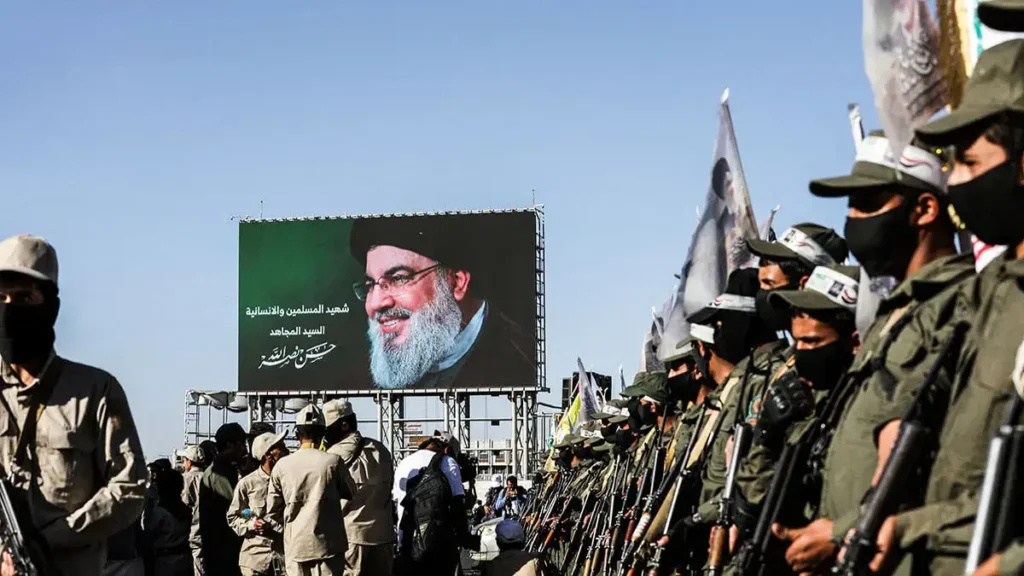
The regional security picture is entering a transitional phase. A reduction in direct U.S.-Iran confrontation does not automatically eliminate conflict. Instead, competition may shift toward indirect arenas. Lebanon remains the most immediate flashpoint because of Hezbollah’s role and Israel’s continuing security concerns. Syria remains vulnerable to proxy competition among regional and international actors.Iraq will continue balancing relations between Tehran and Washington. The Gulf monarchies are likely to welcome de-escalation while quietly strengthening their own defence capabilities. The broader trend suggests a movement away from open interstate confrontation toward managed strategic competition.That is not peace in the traditional sense. It is controlled rivalry.
Strategic Importance of Reopening the Strait of Hormuz
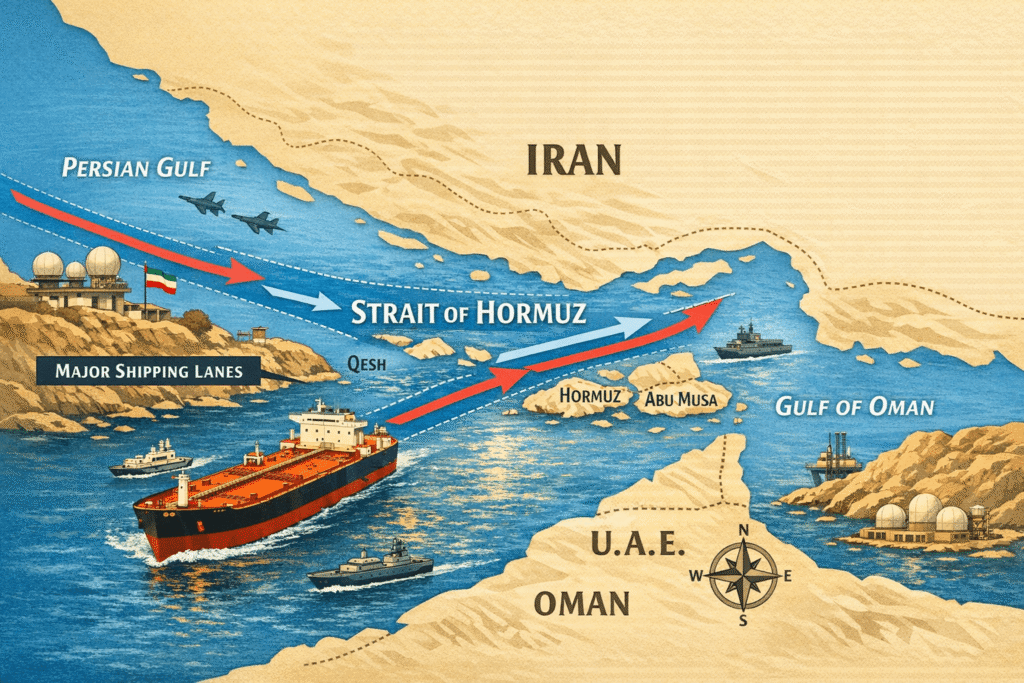
No aspect of the agreement carries greater global significance than the Strait of Hormuz. Approximately one-fifth of global oil and significant volumes of liquefied natural gas normally pass through this narrow maritime corridor. Disruptions there have immediate consequences for energy prices, inflation and economic growth worldwide. Its reopening would generate several effects.Oil prices would likely remain under downward pressure. Insurance costs for shipping would decline.Energy-importing countries such as India, Japan and South Korea would benefit from improved supply security. Global inflationary pressures could ease. Financial markets would gain confidence that a major geopolitical risk has diminished. For India, the reopening is particularly important. New Delhi depends heavily on Gulf energy imports, and prolonged disruption in Hormuz would have imposed serious costs on economic growth, shipping and energy security.
Implications for India
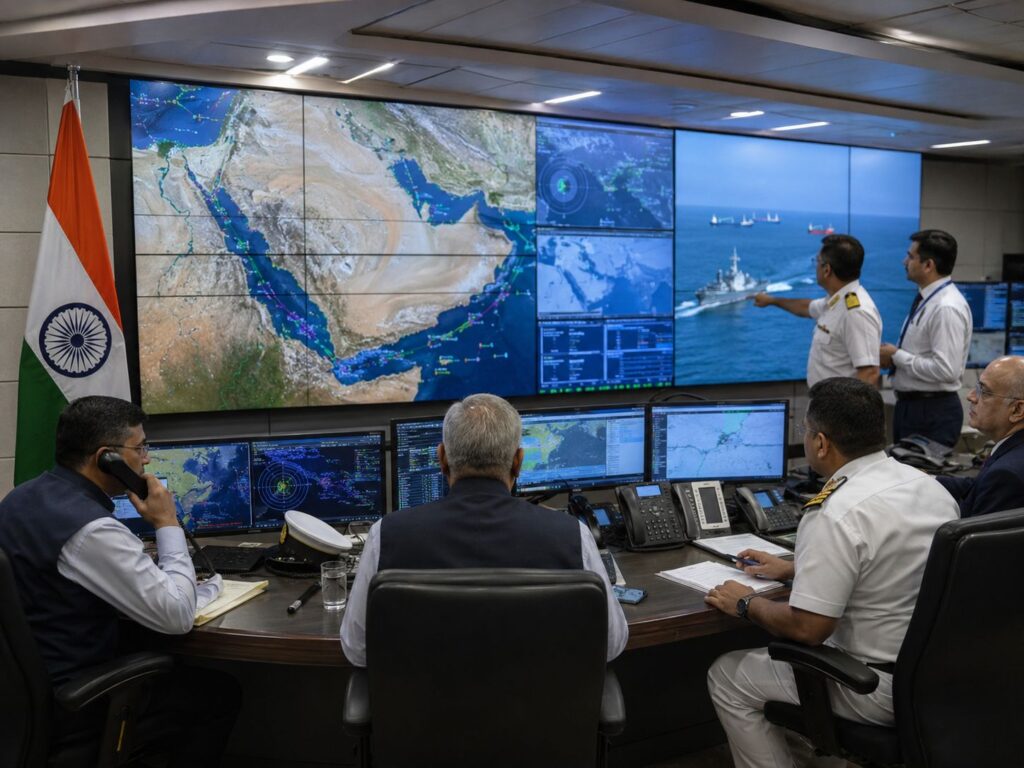
India has quietly emerged as a beneficiary of de-escalation. Stable energy flows reduce import costs and support economic growth. Indian shipping interests gain from safer maritime routes. The risk to Indian seafarers operating in Gulf waters declines significantly.
New Delhi also benefits diplomatically because it maintains productive relations with both Washington and Tehran. However, India must remain cautious. The agreement remains fragile, and any collapse could rapidly restore volatility across the Gulf. Consequently, diversification of energy sources and continued naval vigilance in the Arabian Sea will remain essential.
Conclusion: Peace Agreement or Strategic Pause?
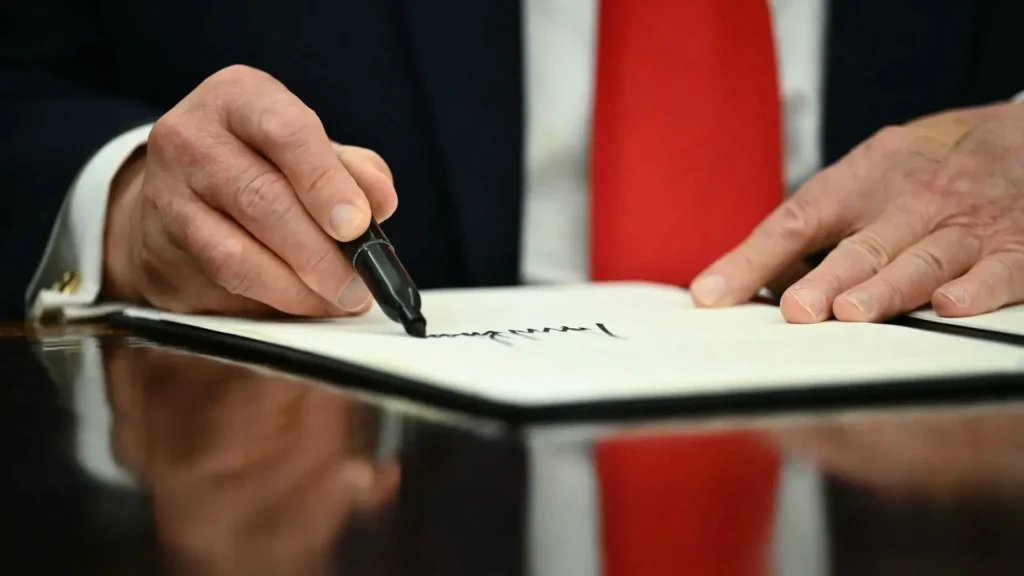
The United States-Iran memorandum represents a historic diplomatic opening, but it would be premature to describe it as a definitive peace settlement. The agreement ends immediate hostilities and creates a framework for further negotiations. It delivers tangible gains to both sides while providing relief to global markets and regional states. Yet it leaves the most contentious issues unresolved.
The next sixty days will determine whether the framework evolves into a durable settlement or joins the long list of Middle Eastern agreements that collapsed under the weight of mistrust and competing strategic interests. The central paradox remains unchanged. Washington seeks stability, Tehran seeks relief, and Israel seeks security. The challenge for negotiators is ensuring that these objectives become mutually reinforcing rather than mutually exclusive.If they succeed, West Asia could enter its most stable period in years. If they fail, the current memorandum may ultimately be remembered not as the end of a conflict, but merely as the intermission before the next act.