

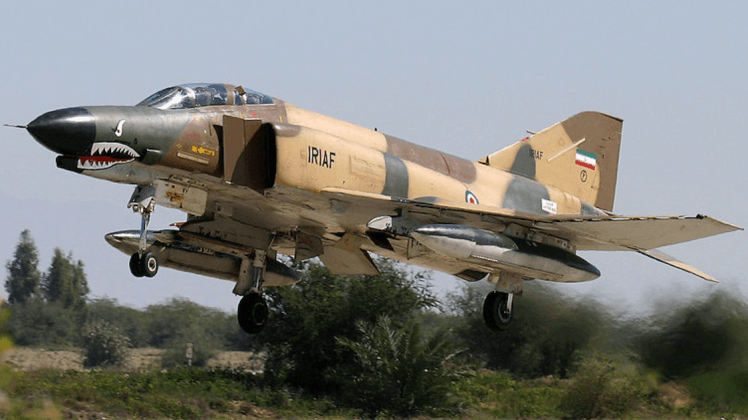
History teaches us that uncertainty is an indispensable outcome of any conflict. No matter how logical or seemingly apparent the dice appears loaded the outcome almost invariably springs surprises. Sometimes unpleasant ones.
The ongoing US/Israel and Iran conflict is no different. Regional geopolitics driven by Iran as a revisionist power, supporting proxies, undermining the Middle East balance and energy politics dominated by the United States (US) are at the heart of this discord.
On going conflict is as much about power ascendency as it’s for the security of Israel and oil rich GCC countries. Equally it is driven by the US attempt to dominate energy politics and maintain favourable regional power balance through its proxies. Iran’s nuclear ambitions, seen as a covert attempt at seeking nuclear deterrence is unacceptable, as such a step apart from balancing Israeli nuclear monopoly is seen as an unacceptable shift in regional balance in Iran’s favour.
Weakening and undermining Iranian power through military destruction and decapitation of its leadership thus is the core strategy of US-Israel “Op Epic Fury”.
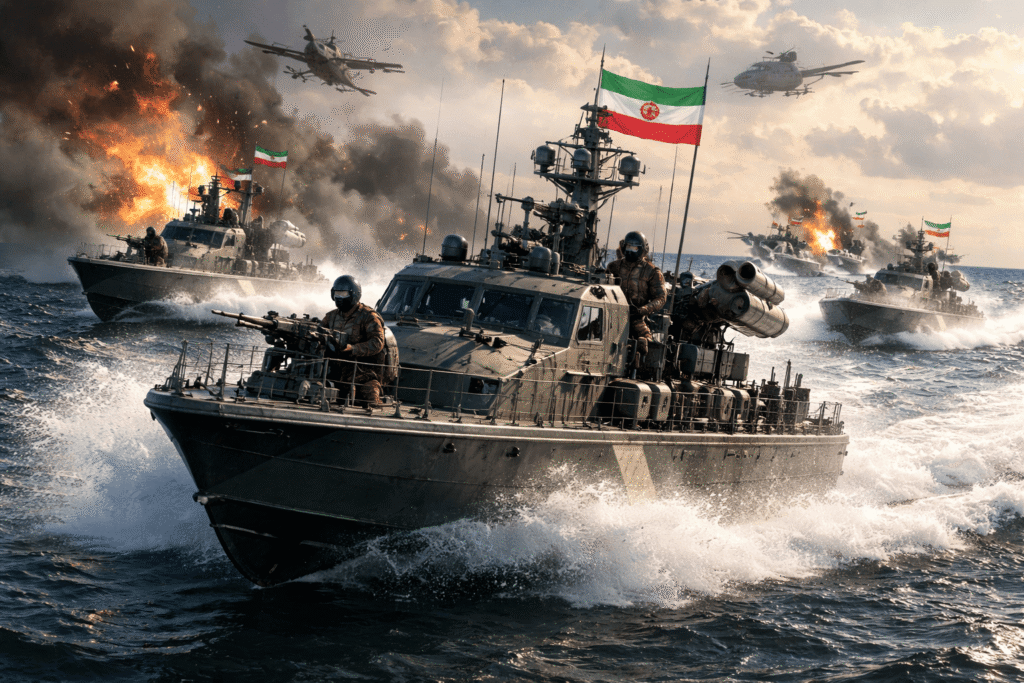
As a reality check, after 46 days of war, both sides have suffered considerable military damage. Iran has been pulverized with more than 13,000 military, decapitation and infrastructural strikes together with threat of complete destruction. Iran has withstood these attacks which as per some estimates have caused damage to the tune of 350 billion dollars together with close to 2000 plus counted casualties.
Iran’s asymmetric strategy based on clever use of short and medium range drones and missile system has accounted for loss of 44 aircrafts of all types estimated at USD 5-7 billion dollars. Arab states which hosted and supported the coalition forces too have severely suffered through Iranian drone and missile strikes, resulting in widespread damage and destruction to their energy facilities and infrastructure impairing gas and oil production.
At the end of over forty-seven days of intense fighting following failed negotiations and a blocked Straits of Hormuz two weeks cease fire, has been brokered. While the fighting has stopped, nevertheless Strait of Hormuz remains blocked (both by Iranians and the Americans). Traffic has come down from an average 130 ships a day, the number has come down to 5-10. A scenario of US and Iran standoff prevails with possibilities of escalating into renewed fighting if the cease fire is not extended beyond Apr 22, 2026, and agreement that ensure free and safe passage is reached.
Things, as they stand today, hang on the balance. Tenuous ceasefire, Strait of Hormoz blocked and Israel campaign against Hezbollah in Lebanon continuing.
This article is not about the war and its destruction or even the tenuous cease fire. It is about underscoring the economic dimension of the war and its consequences that are impacting big and small nations alike.
Economic Impact
Oil and Gas
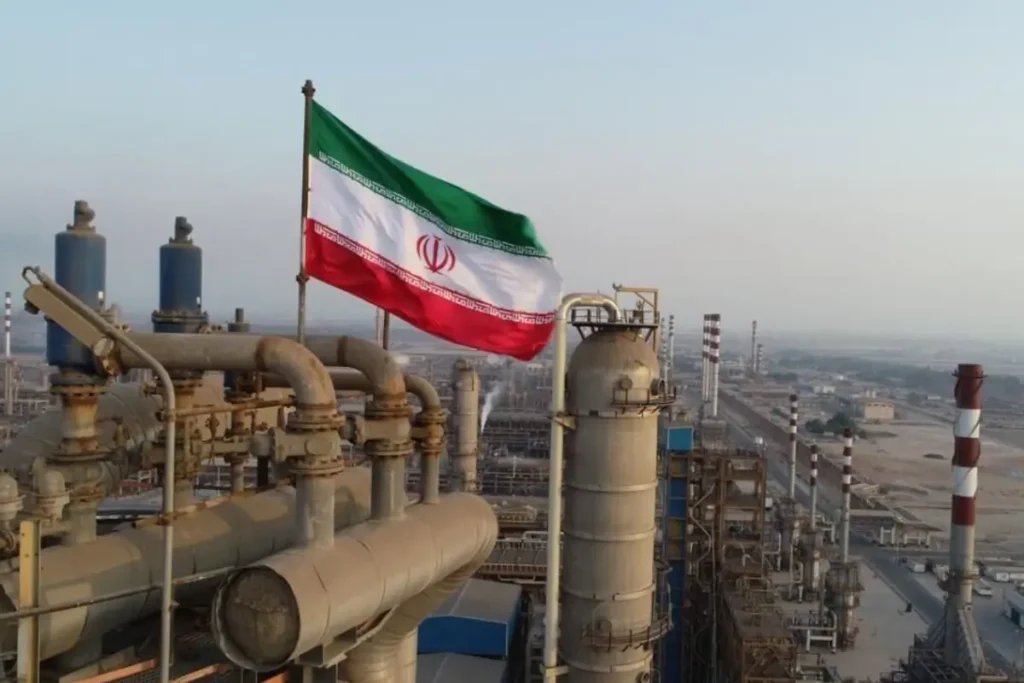
Looking at the blocked Strait of Hormuz, from where nearly 20% of global oil and CNG/LNG passes, there is little doubt that this has serious consequences for global economies. The ripple effects of these disruptions have already played out at the pump. The secondary and tertiary order effects have yet to play out, and they will be deep, long lasting and above all damaging across countries big or small.
The issue for a country like India is for how long it can sustain this disruption before it seriously begins to impact the economy. For the present, the Government and its agencies are bearing the oil shock, passing virtually no impact to the consumer. Impact is being met from funds earmarked for other programs, largely covering infrastructure, health, welfare, education, among others. If this results in lower investments in these sectors, it will have an immediate and a downstream impact in subsequent years. On the other hand, if the Government decides to keep planned expenditure unchanged and meets the oil impact through increased borrowings, it will lead to inflation. Easy to trigger. Notoriously hard to control.
Running in parallel are key economic parameters, including fiscal deficit, bond rates, exchange rates among others. The choices are few and bleak. Calling for a delicate balance, between prudence and profligacy. It would be tragic if this crisis leads to deferment or cancellation of important social programs, such as skill development, investment in future technologies, core research, etc.
On the other hand, crisis is not one to be wasted. This is also an opportunity to undertake much needed structural reforms. Reduce control and let the entrepreneurial spirit blossom and take flight. A chance to remove burdensome laws and restrictions. These may appear a bridge too far. Or is it?
Impact on Other Commodities
Fertilizers
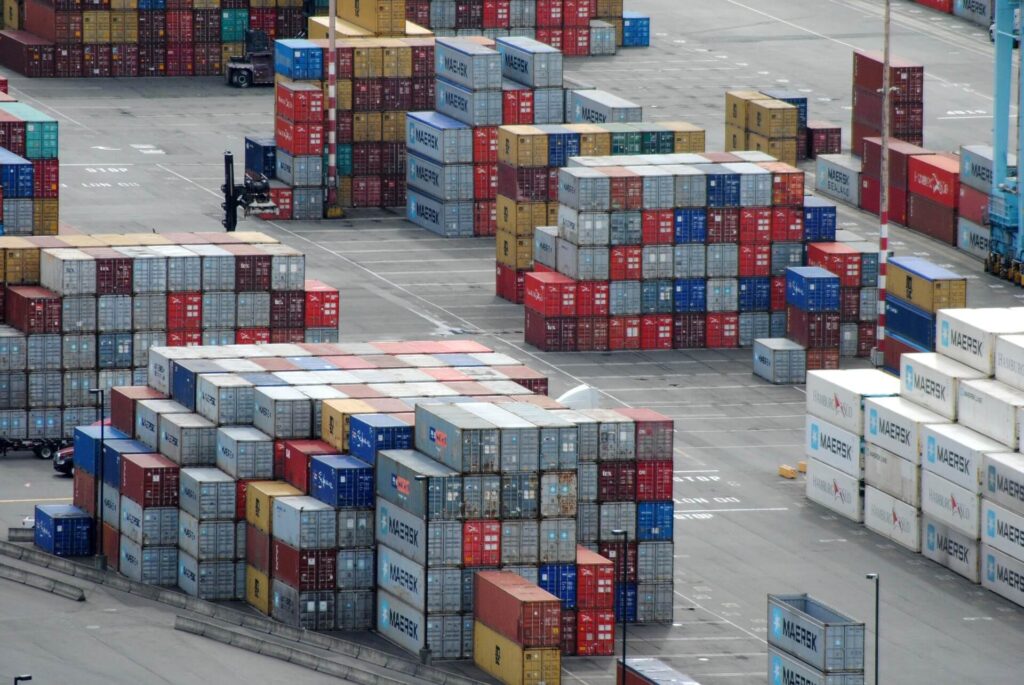
Oil and gas are not the only concerns. Almost 30% of traded fertilizer is lying bottlenecked on bulk carriers in the Persian Gulf. In factories, under threats of attack. In warehouses and ports. Unable to get out to the market. Why is this so critical now? This input shock perfectly aligns with the Northern Hemisphere spring planting season. This critical farming input may not reach the market at all or in all probability not in time to meet the farmers’ summer cropping timelines. Rise in fertilizer prices, directly impact farming economics and lower food production. Not across a few countries but globally. A 30% shock is not a local one. And the poorer countries will bear a disproportionate percentage.
Does it stop there? Food crises most often lead to social, economic and political crises and eruptions. For the present, this crisis is simmering beneath the surface. The Government is scrambling to arrange fertilizer and fertilizer inputs from other countries and geographies. So are all other countries similarly affected by the war. Fertilizer is a time-sensitive subject. It is needed in the right quantity, at the right time and at the right price. All these are a challenge. A cropping season marred by poor fertilizer availability, hit food outputs and dent farmer incomes. This is a political hot potato. Increased fertilizer subsidy could be used to compensate for higher procurement cost. This will add to Government expenditure and increase the fiscal deficit; eventually common man will have to bear the burden.
This will further lead to reduced overall production and concomitant lower tax revenues. A combination of reduced Government expenditure and increased spend, is exactly the opposite what India needs at this critical stage of its development journey.
Aluminum
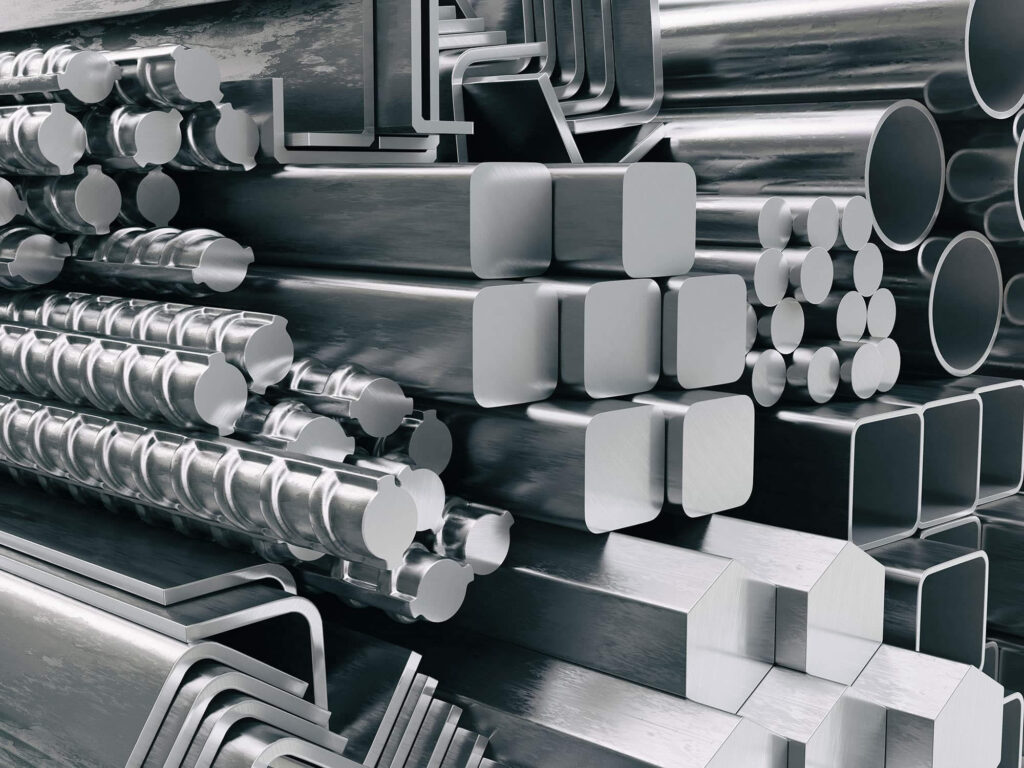
The Aluminum availability is another point of concern. It is an important metal used everywhere, in scooters, motorcycles, cars, trucks and almost everything that moves. It is widely consumed in appliances, white and brown goods, in hospitals and in homes. Almost 9% of global aluminum is hostage to this crisis. The effects are immediate and sharp. Prices of aluminum and aluminum alloys have already moved up sharply. From an average of US$ 3,050/ton, at the end of Feb. 2026, Aluminum now trades, on the London Metal Exchange (LME), 17% higher at US$ 3,580/ton. And the trajectory is heading further North. During this same period, Aluminum alloy saw a 20% hike, from US$ 2,570/ton to US$ 3.090/ton. Prices of goods, based on aluminum, have also started moving up. This is impacting customer’s wallet, leading to shrinking demand and everything in between.
Aluminum also directly impacts employment as its processing and fabrication uses a large section of the labour pool. Shortage of aluminum invariably leads to a reduction in demand for other metals and materials involved in the production of other parts for vehicles and devices. These secondary effects have their own gyrations and impact on its eco systems.
Sulfur
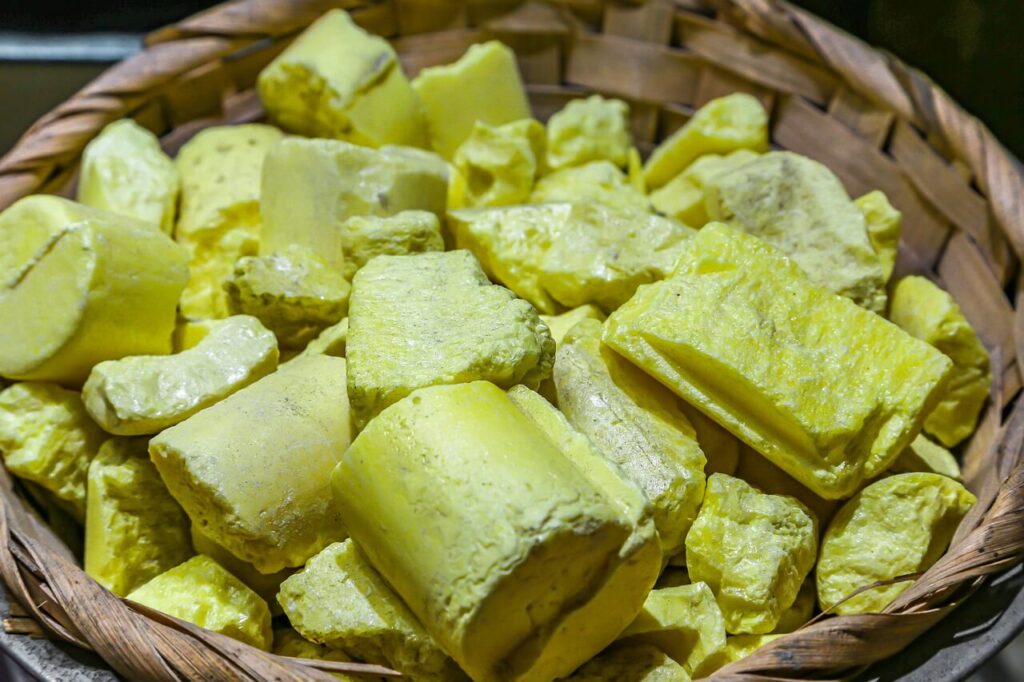
Sulfur is a critical input for the fertilizer industry. The Gulf supplies 50% of globally traded supply of sulfur. A blockage of this critical material will impact fertilizer production and availability in plants globally. So, it is not just the fertilizer shortages which matter. Fertilizer production in other geographies, too, is held hostage. Sulfur is also an essential component for the defence industrial base. This shortage has serious ramifications, not immediately realized.
Helium
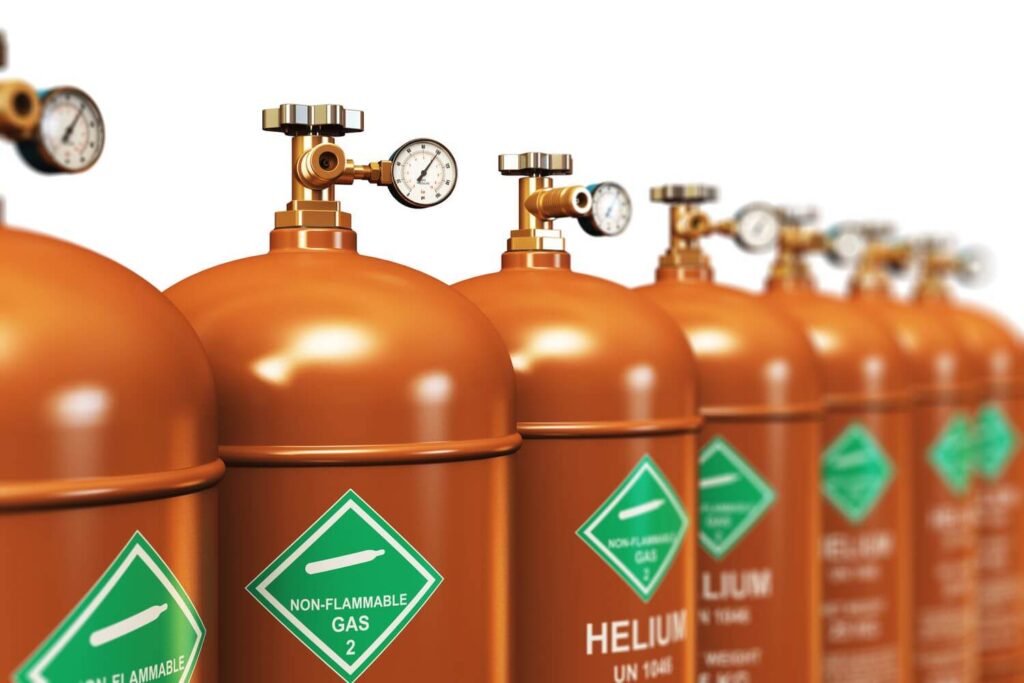
Availability of Helium and its impact on Chip making. Our world, on land, sea and air and outer space are increasingly dependent upon ICs popularly known as chips. Chips are everywhere. And may perhaps one day find themselves in our bodies, too. In recent years, a lot has been spoken about Artificial Intelligence, (AI), Machine Learning (ML) and products such as Chat PGT, Google Gemini, Grok, to name just a few. These have/becoming household names. To sustain and develop them there is growing demand for ever smarter, quicker and smaller chips.
Chip manufacturing requires cooling; heat must be quickly transported out to ensure safe and smooth operations. In comes Helium. The second lightest element is also the cool one. Helium is the go-to element when it comes to safe, inert and easy to deploy and control cooling medium. Helium is deployed in AI chip farms, in medical equipment, such as MRI machines and in a wide range of industrial and medical applications. The most immediate impact of Helium shortage is a reduction in chip production. This reduction will be felt unequally. The rich and powerful, who hold leverage and control, will get to ‘make and keep their chips’. The others, with lesser bargaining powers, will suffer the consequences of shortage, including Supply Chain (SC) and manufacturing disruptions and price inflation. Impact is already being felt. Japan has stopped issuing smart cards owing to chip shortage. India too can face similar shortages impacting ‘digital India’.
Conclusion
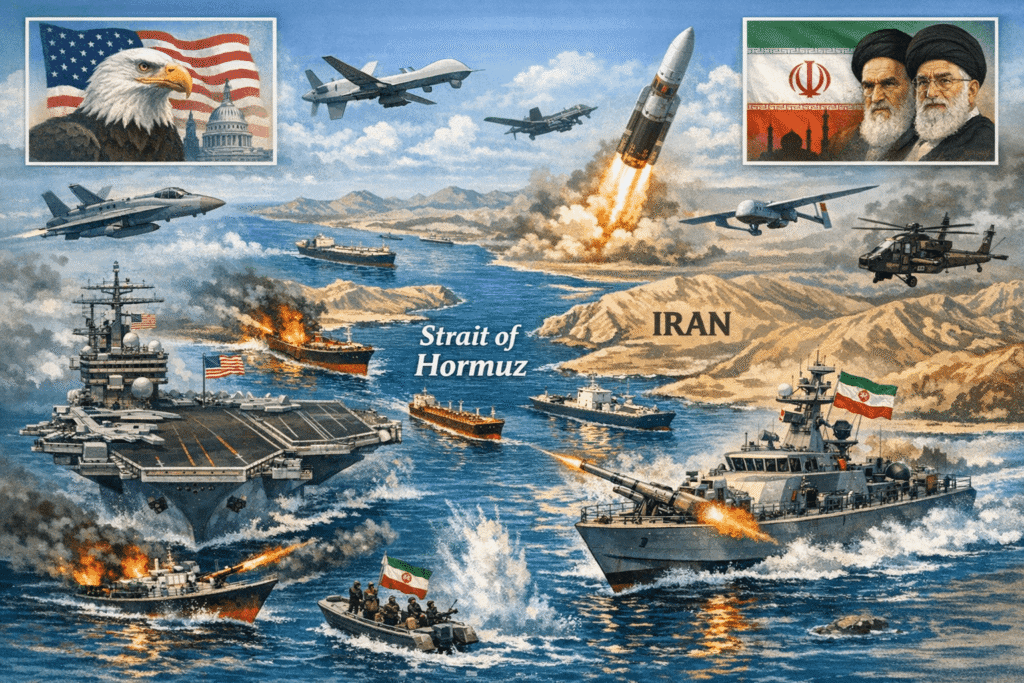
Gulf War 2026 has set of H-Bomb (Hormuz Bomb) whose effects go way beyond the immediate region. Like a tsunami, the effects of this H-Bomb traverse the globe. No one, absolutely no one, is truly safe from it. This may have been the most unexpected outcome of the ongoing conflict. Going by developing events, history, politics, economics and geo strategic relationships the scars of the H-Bomb will be suffered for a long time.
It is time extend ceasefire, reach a meaningful settlement that stops the war causing destruction and killing. Geopolitical impact is already visible and will be felt for long, impacting big medium and small powers. Time to stop this madness is now. Affected major and medium powers mut not sit on the sidelines but join hands together to prevent global catastrophe in the making.


A very well researched and informative article. Short, cryptic and to the point. The article also gives a glimpse of the knowledge and deep insight of the two authors. Very commendable. Would welcome to receive more such valuable informative view points in future