


Every night millions of Pakistanis — nearly half or one in two Pakistanis — go to bed hungry. According to the International Food Policy Research Institute (IFPRI), Pakistan is one of the most food-insecure countries in Asia. One in every five Pakistanis is undernourished, and nearly 40% of children under the age of five are stunted.
Poverty and hunger because of economic instability, high inflation, depreciating currency, low foreign reserves, and recurring natural disasters like floods are serious issues in Pakistan.
According to World Bank estimates as many as 98 million or 40% Pakistanis are grappling with poverty earning less than $3.65 per day. Malnutrition, is a major concern affecting as many as 50% of Pakistani children.
Pakistan ranked 109th out of 127 countries in the 2024 World Hunger Index (WGI), or Global Hunger Index (GHI) — a tool used to measure and monitor hunger at global, regional, and national levels with a score of 27.9 indicating serious level of hunger.

The Global Hunger Index (GHI) data indicates 20.7% of Pakistan’s population is undernourished, 33.2% of children under five are stunted, 10.1% of children under five are wasted due to acute malnutrition and 6.1% of children die before their fifth birthday. This is the harsh reality.
According to the US Department of Agriculture’s Economic Research Service an average Pakistani household spends close to 50% of their monthly income on food. Another report by The Express Tribune revealed that Pakistanis spend more of their income on food than any other country in the surveyed group. A significant percentage of households in Karachi, Lahore and Islamabad are undernourished.
As per the World Food Programme, Pakistan is ranked as the 8th most vulnerable country to the impact of climate change and 82 percent of Pakistani people cannot afford a healthy diet and are forced to compromise on both quality and quantity – often replacing expensive fruits and vegetables with cheaper grains.

On the other hand, the so-called affluent class spends most of their time eating in five star hotels and clubs. To cater to this class, many new restaurants and coffee shops have come up in Lahore and Karachi in the recent years. The business of food is a thriving industry in Lahore and Karachi where many people have become rich by opening a restaurant or chain of outlets. This is because the educated Pakistani middle class youth likes to party.
An average Pakistani educated youth aged between 18 to 30 years earns Rs25000 to Rs100000 per month and spends nearly Rs10000 to 15000 on eating out. Saving rates in Pakistan are very low- just 8 percent. This means that a Pakistani earning Rs100000 per month saves just Rs8000.
This notwithstanding, waste of food is a very common features in Pakistan. Every year around 36 million tons of food is being wasted in Pakistan during wedding ceremonies. Even the middle class consider it an opportunity to show off the so-called wealth and status. The famished and hungry guests hastily rush towards the food tables, piling up the food in their plates as if they may not get a chance to get such food for days together. As a result nearly half of the leftover food in their plates goes to waste and has to be thrown into the garbage. According to an estimate approximately 40 percent of the food prepared for weddings is wasted. Similarly 30 to 40% food at hotel banquets is wasted. According to a major hotel in Islamabad almost 870kg of food is wasted each day.

As a result approximately 100 million Pakistanis — nearly 40% of the population — live in some form of food insecurity. This means they either skip meals, survive on inadequate diets, or rely on borrowed food and emergency rations to survive.
But food insecurity in Pakistan is a regional tragedy. Baluchistan, despite its gas fields and minerals, is among the most food-insecure regions in Asia. Up to 70% of its population goes without reliable access to food. The picture in Tharparkar in Sindh is equally grim — where infant deaths due to starvation and malnutrition are a routine affair.
One of the main cause behind this is inequality – a handful of big landlords control a majority of cultivable land, while millions of small farmers work as bonded labourers. Water, the lifeblood of agriculture, too is unequally distributed — tail-end farmers in southern Punjab and Sindh often receive a fraction of what their northern counterparts get, owing to corrupt irrigation practices and political manipulation.
Then comes climate change — floods, droughts, and desertification have made food production erratic, destroying crops and livelihoods. The 2022 floods, for instance, submerged over 4 million acres of agricultural land and displaced more than 33 million people. But these natural disasters only exposed what poor governance had long buried — a lack of foresight, preparation, and care for the rural poor.

Inflation, too, plays its part. Food prices in Pakistan have skyrocketed since 2022, often climbing 25-35% year-on-year, placing basic staples like wheat, ghee, and lentils out of reach for millions.
Pakistan has been grappling with a severe economic crisis due to poverty, soaring food and fuel prices, and widespread hardship.
Pakistan’s poverty rate surged from 18.3% in 2023 to 25.3% in 2024, pushing approximately 13 million more people below the poverty line.
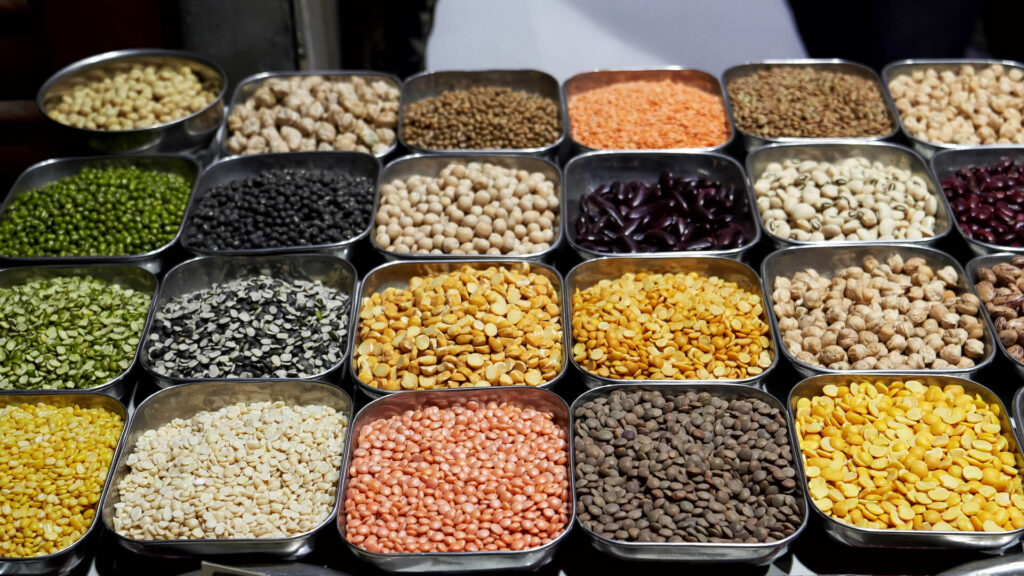
Due to food inflation prices of essential items like wheat, rice, milk, meat, and pulses also rose sharply. For instance, the price of gram pulse increased from Rs220–300/kg in January to Rs330–470/kg later in the year. Likewise petrol prices reached Rs 282.11 per litre in July 2024. This increased the transportation costs, leading to higher prices for food and other essentials.
The economic crisis led to shortages of essential commodities leading to panic buying and hoarding, further straining the supply chains.
These economic hardships led to social unrest across the country. For instance, in PoK, protests against rising food, fuel, and utility costs turned violent, resulting in the death of a police officer and injuries to dozens.
However, all said and done, this inequality isn’t just economic. In many Pakistani households, women and girls eat last, and least. Malnourished mothers give birth to underweight babies, perpetuating a cycle of hunger that spans generations. Pakistan’s food insecurity is not just a humanitarian issue — it is a political and economic failure. At its core, hunger in Pakistan is a man-made problem — one born out of decades of misplaced priorities, and systemic neglect.


I just want to add causes based on the main reason: lack of government support, conflicts and warfare, Corruption, natural disaster, lack of infrastructure, inequalities, unemployment.
Lack of clean water and nutritious food,etc.
Other the sped in budget
Loan repayment Rs.9775 billion, Pension Rs. 1014 billion, defenders.2122 billion and Rs. 1674 billion for development of economy inter Alia total budget expenditure of Rs.18877 billion. It is self explanatory.