

We hope that the ceasefire will be fully implemented on the ground without giving any opportunity for possible provocations and sabotage
– Recep Tayyip Erdoğan
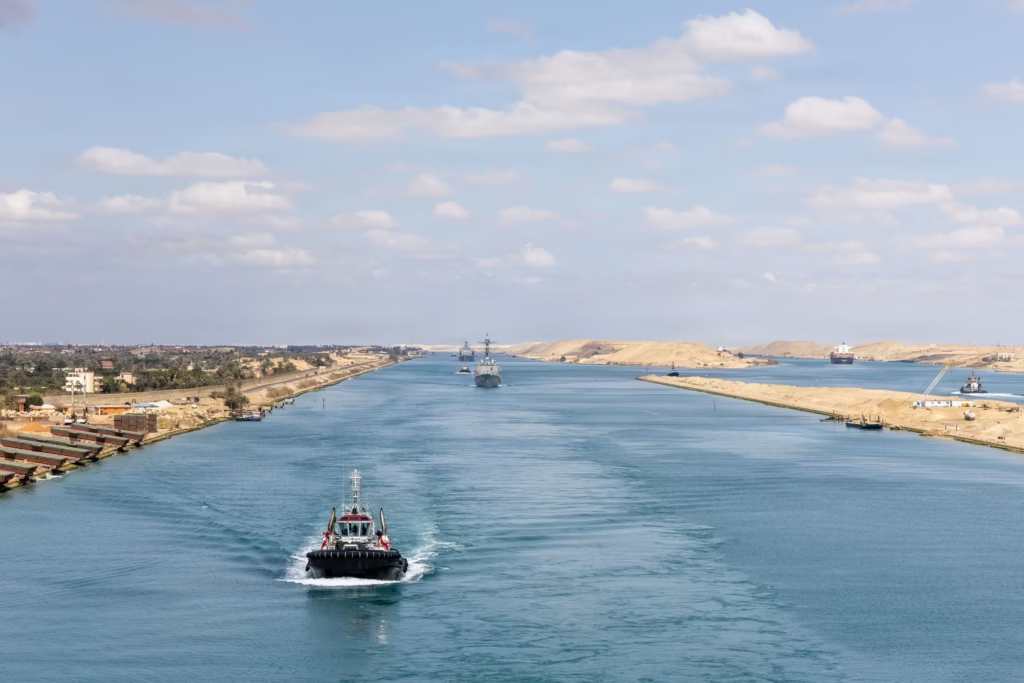
The commencement of hostilities on 28 February 2026 marked a considerable change in naval warfare, transitioning from localised influence to large-scale maritime conflict. The onset of the Third Gulf War followed the elimination of top Iranian leadership in Tehran. This conflict serves as a critical examination of whether traditional naval power can effectively counter Iran’s novel defence strategies. The main question is whether the United States, Israel, and their allies can re-establish secure maritime navigation through negotiations with Iran, or whether the region will plunge into a protracted and costly engagement, leading to greater economic damage than military achievement.
“They’ve invested in capabilities that could, in fact, for a period of time block the Strait of Hormuz,”

“We’ve invested in capabilities to ensure that if that happens, we can defeat that.”

Chairman of the Joint Chiefs of Staff Army Gen. Martin Dempsey
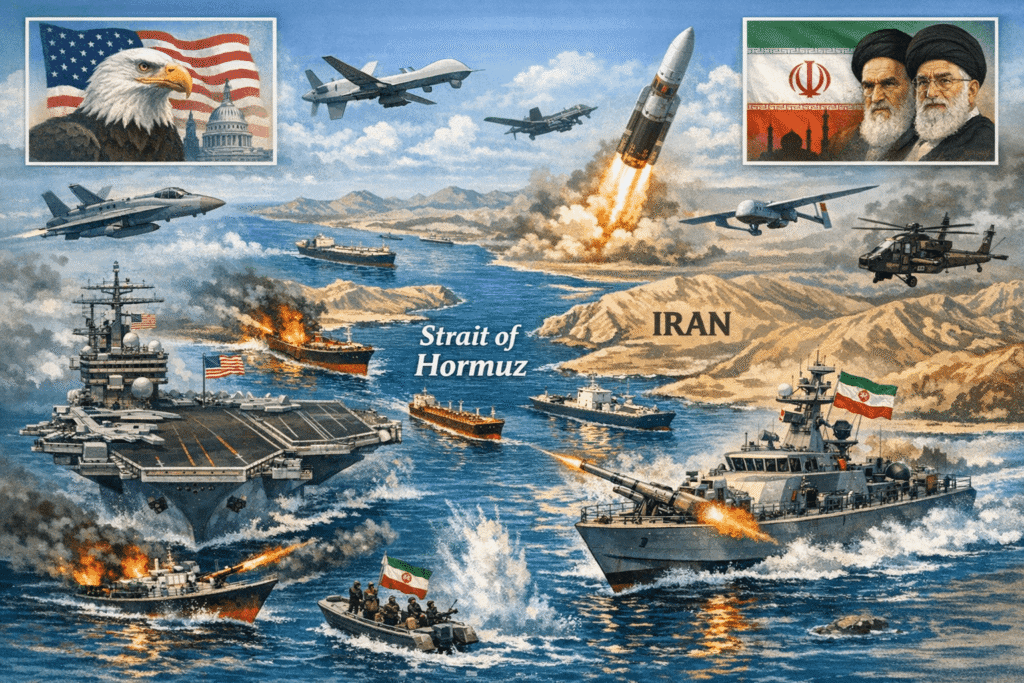
The Strait of Hormuz is not merely a narrow passage but a critical maritime corridor linking the Persian Gulf to the Gulf of Oman and is essential for the transit of 20% of the world’s oil and 25% of its transported natural gas.
Naval operations in this area are constrained by the sea depth and navigational regulations. The seabed of the Strait is irregular, with the deepest section, exceeding 650 feet, located near Oman, whereas the Iranian coast is characterised by shallow and congested waters. This geographical configuration renders it a strategic stronghold for the Iranian Navy, as the shallow regions are ideal for deploying small submarines and concealed mines, which are difficult to detect for larger Western vessels. The proximity of Iran’s coastline to shipping lanes, at times merely three miles away, gives vessels less than two minutes to respond to rapid threats or missile attacks originating from the shore. Some characteristics of the Hormuz Straits-
Narrowest Width: 21 miles (34 km)– Ships are highly vulnerable to shore-based artillery, MANPADS, and drones.
Main Shipping Lane Width: 2 miles (each way)–Highly predictable transit paths of ships simplify mine seeding and swarm targeting.
Maximum Depth (Southern Reach): >200 meters (650 feet)- It allows for limited manoeuvring of large-deck carriers and conventional submarines.
Average Depth (Northern Littoral): <25meters (80 feet)–Optimised for Ghadir-class midget submarines and diverse mine warfare capabilities.
Strategic Island Infrastructure: Qeshm, Abu Musa, and Tunbs-Function as forward staging for A2/AD and missile batteries.
Visibility and atmospheric interference: Fog, haze, and dust complicate electro-optical targeting and favour close-in asymmetric attacks.
Iran exercises control over strategically significant islands, including Abu Musa and Greater and Lesser Tunbs. These islands serve as critical defensive assets, functioning as “unsinkable aircraft carriers,” and are equipped with sensors that enable Iran to closely monitor maritime traffic.
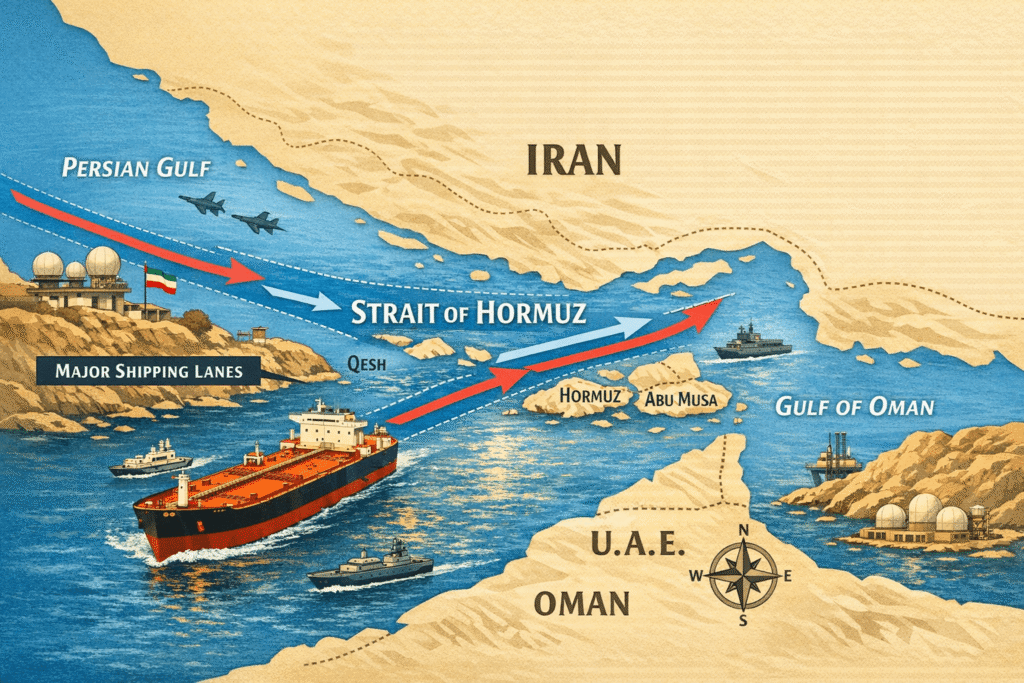
The conventional Iranian Navy has been incapacitated; however, the conflict is now transitioning into a new phase. Local commanders have been granted increased autonomy, enabling them to initiate attacks and deploy mines, a strategy referred to as “mosaic defence.” The primary challenge in the Third Gulf War is Iran’s capacity to engage in unconventional warfare. Despite the absence of large naval vessels, Iran possesses numerous inexpensive, lethal weapons concealed along its extensive coastline. Naval mines constitute a critical component of Iran’s defensive strategy, with thousands available for deployment through various means, such as fishing vessels. A single mine has the potential to halt all commercial shipping because mine clearance is slow and hazardous. Although the U.S. The Navy employs specialised vessels for mine clearance; Iran can rapidly deploy additional new mines. Additionally, Iran uses fast boats to conduct swarm attacks, complicating the defence efforts of advanced naval ships. The use of unmanned boats and drones further enhances Iran’s capability for swift attacks. Iran’s small submarines, which are difficult to detect in the shallow waters of the Persian Gulf, can remain concealed for extended periods and remain poised to target critical military assets. Despite the coalition’s emphasis on anti-submarine warfare, locating these submarines remains a formidable challenge.
In the context of the Third Gulf War, the physical obstruction of the Strait of Hormuz became unnecessary, instead, market dynamics and insurance mechanisms have been employed to render the Strait “commercially unusable.”
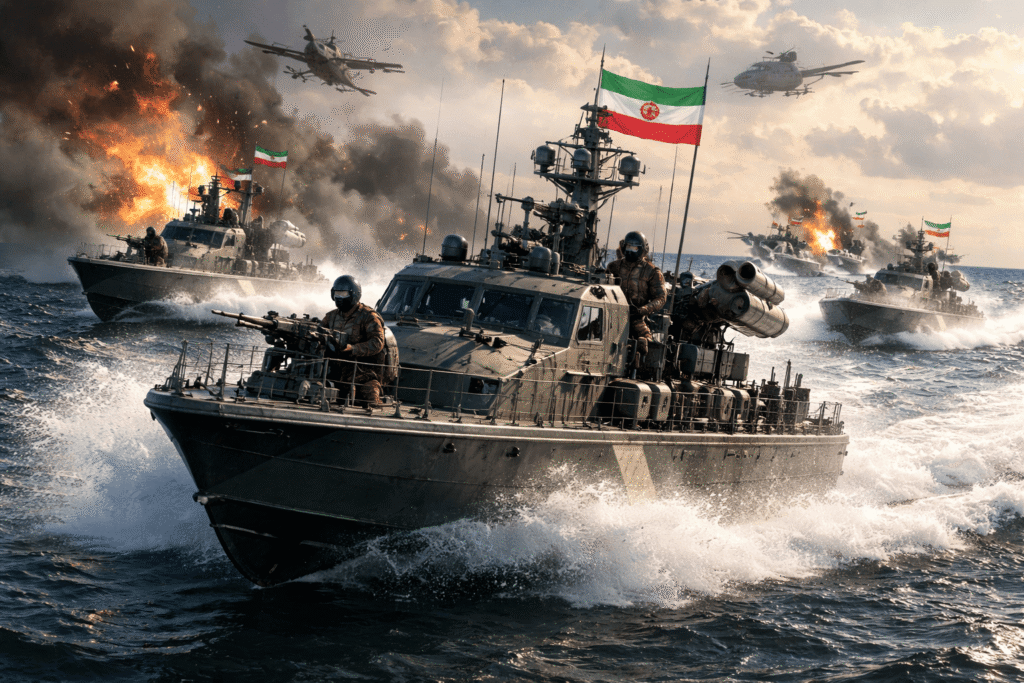
By mid-March 2026, Iran had confirmed 21 attacks on merchant vessels, including the U.S.-flagged Stena Imperativa. In response, insurance companies, such as Lloyd’s of London, increased war-risk premiums or ceased coverage. This escalation in costs rendered passage through the Strait prohibitively expensive for many, effectively closing it without Iranian naval intervention. This blockade is primarily attributed to the global insurance industry rather than to the Iranian Navy.
Iran has implemented a toll system as part of its maritime strategy, shipping companies are required to pay up to 14 million Chinese Yuan (approximately $2 million USD) for an “official certificate” from Iran to use the route. This certificate mitigates insurance costs, thereby facilitating the continuation of operations. This system transforms the Strait into a revenue source for Iran while simultaneously excluding nations aligned with the coalition.
The “soft closure” of the strait presents a significant challenge for the United States. To “open” it, the coalition must overcome the IRGCN and restore confidence in the global insurance market, a task complicated by the resilience and unpredictability of the adversary.
Amphibious and Airborne Escalation
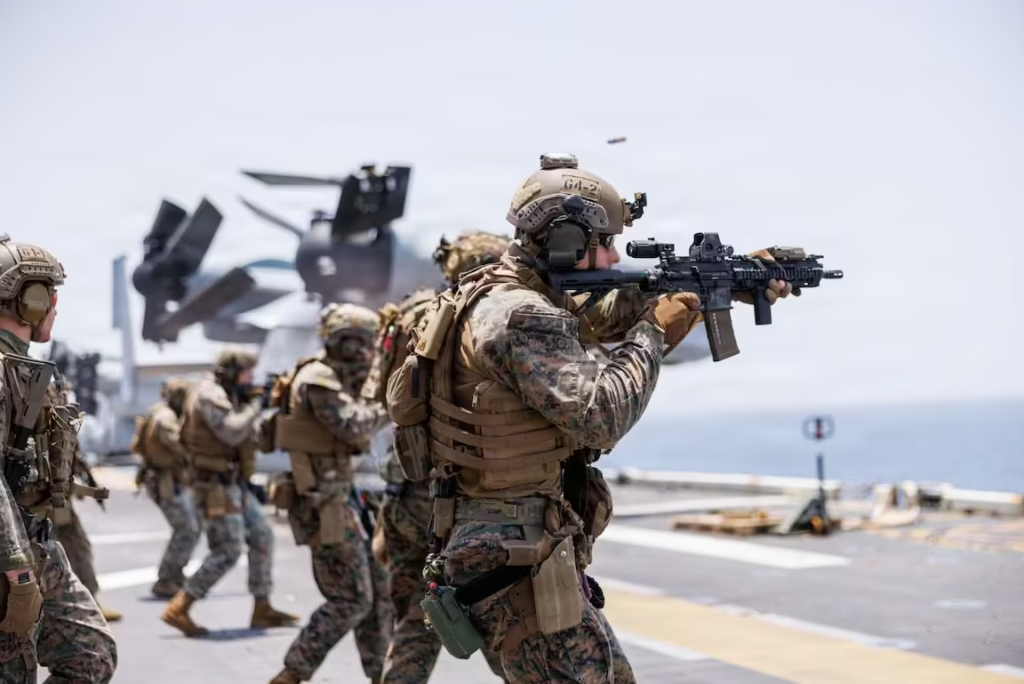
As the conflict enters its second month and the strait remains closed, the Trump administration contemplates deploying ground forces to secure critical maritime regions. The deployment of the USS Tripoli and USS Boxer, accompanied by the 31st Marine Expeditionary Unit, indicates a strategic shift towards the utilisation of amphibious forces.
Kharg Island holds substantial strategic importance for Iran’s oil economy, managing approximately 90% of its crude-oil exports. Securing control of the island could enable the United States to weaken the IRGC and terminate the maritime blockade. Other islands, such as Qeshm and Tunbs, are also considered potential targets for dismantling Iran’s defence infrastructure.
The 82nd Airborne Division’s Immediate Response Force, capable of rapidly deploying 3, 000 paratroopers, is positioned in the region. A paradrop onto Kharg Island could provide a swift and unexpected manoeuvre, circumventing numerous naval threats. The Amphibious Ready Groups would offer support with F-35B stealth fighters and MV-22 Osprey aircraft for air support and logistical operations in the Indo-Pacific Region.
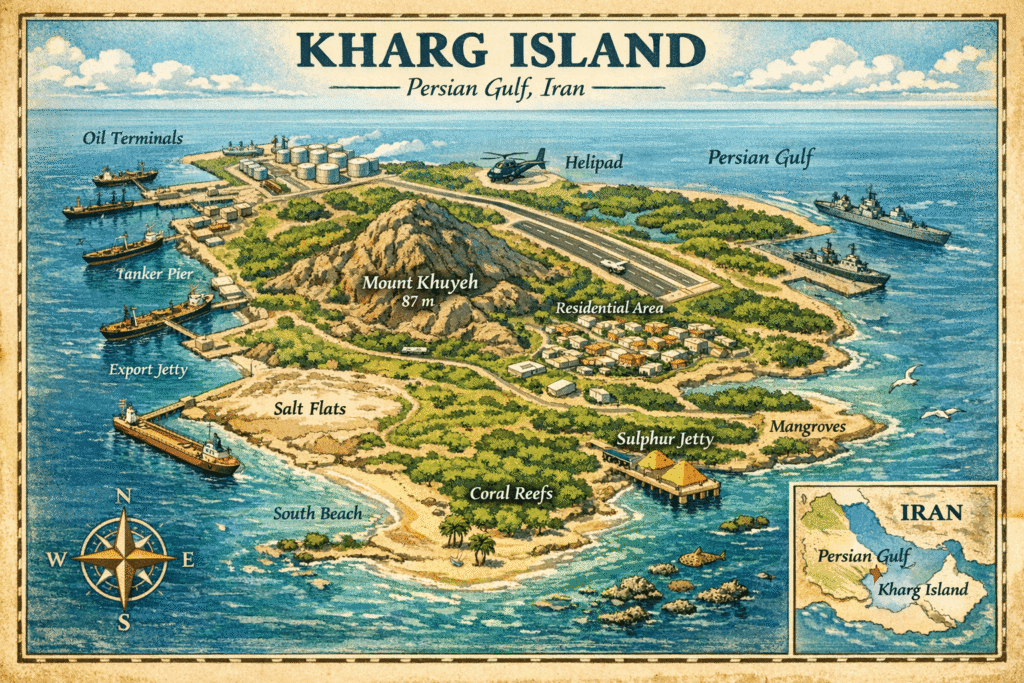
Military analysts, however, caution that the occupation of Kharg Island may pose significant risks to the United States. Once established on the island, U.S. forces could become vulnerable targets for Iranian assaults originating from as little as 20 miles away. Iran possesses the capability to deploy specialised drones that are resistant to jamming, enabling precise strikes against U.S. troops. Furthermore, the naval vessels required to defend and supply the island would be diverted from their primary mission of escorting tankers, potentially prolonging the closure of the strait.
The proposition of physically occupying Iran’s coastal region is perceived as perilous by the US. The mountainous terrain of Iran poses significant logistical challenges for any invading force, impeding the rapid movement and maintenance of supply lines. Iran is well prepared for such incursions, employing concealed forces and a comprehensive defence strategy that eliminates safe zones for invaders to retreat. Even minor assaults could escalate into broader conflicts, potentially involving entities such as Hezbollah and Iraqi militias targeting U.S. bases in the Middle East. For the coalition, a ground war in Iran could devolve into a protracted and difficult conflict with no definitive resolution.
To circumvent the protracted conflict, the U.S. The Navy has deployed Task Force 59, which integrates artificial intelligence and unmanned vehicles into its operations to achieve this goal.
Unmanned systems facilitate the monitoring of Iranian activities without endangering personnel’s safety. Drones and solar-powered vessels can track Iranian boats and mine layers in real time, thereby undermining Iran’s ability to deny its aggressive actions.
Tactical Nuclear Weapons and the Threshold of Escalation
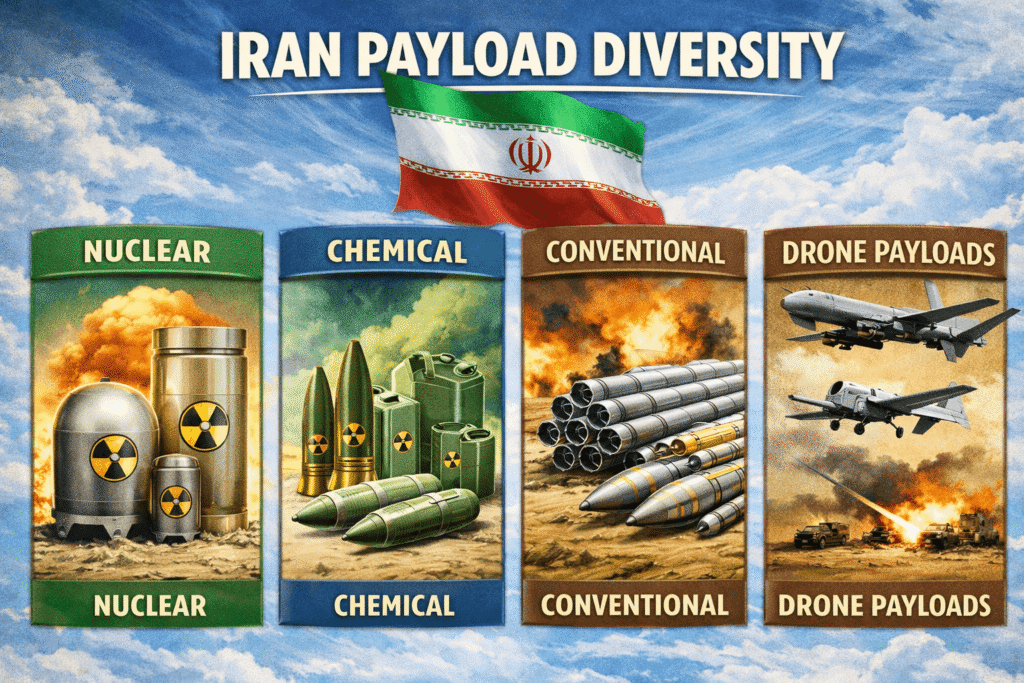
The potential deployment of tactical nuclear weapons in the Persian Gulf is a subject of considerable, albeit confidential, debate. The deployment of Tactical Nuclear Weapons (TNWs) in the current Gulf War would represent a significant departure from conventional warfare strategies. Unlike strategic nuclear weapons designed for widespread urban destruction, TNWs are intended for precise military objectives, such as targeting subterranean bunkers and large naval vessels. The utilisation of TNWs can precipitate several critical consequences.
-The employment of TNWs could obscure the distinction between conventional and nuclear warfare. Owing to their limited explosive yields, military strategists may perceive them as viable options for engaging otherwise inaccessible targets. However, their use could initiate a retaliatory cycle, as nations may feel compelled to respond similarly.
The Persian Gulf is of paramount importance to the global energy supply. A nuclear incident in this region would not only elevate energy prices but also destabilise the entire system. If a TNW obstructs the Strait of Hormuz, a substantial portion of the world’s oil and gas reserves will become inaccessible. This scenario would induce widespread panic, and maritime shipping would cease because of the unavailability of insurance for tankers.
– The geographical characteristics of the Gulf render it particularly vulnerable to a nuclear strike of any kind. Even a limited nuclear detonation can have devastating effects, countries such as Kuwait and the United Arab Emirates, which depend on desalination for potable water, could face severe water crises if nuclear contamination affects water sources. Additionally, radiation can disperse throughout the region, resulting in significant health challenges.
The use of TNW would fundamentally alter the security dynamics of the Middle East, should the international community fail to intervene, other nations might pursue their own nuclear capabilities, potentially undermining the Non-proliferation Treaty.
The use of tactical nukes in any form could rapidly escalate the conflict zone to unprecedented levels; therefore, their use does not look likely at the present juncture.
The VLS Depletion Crisis
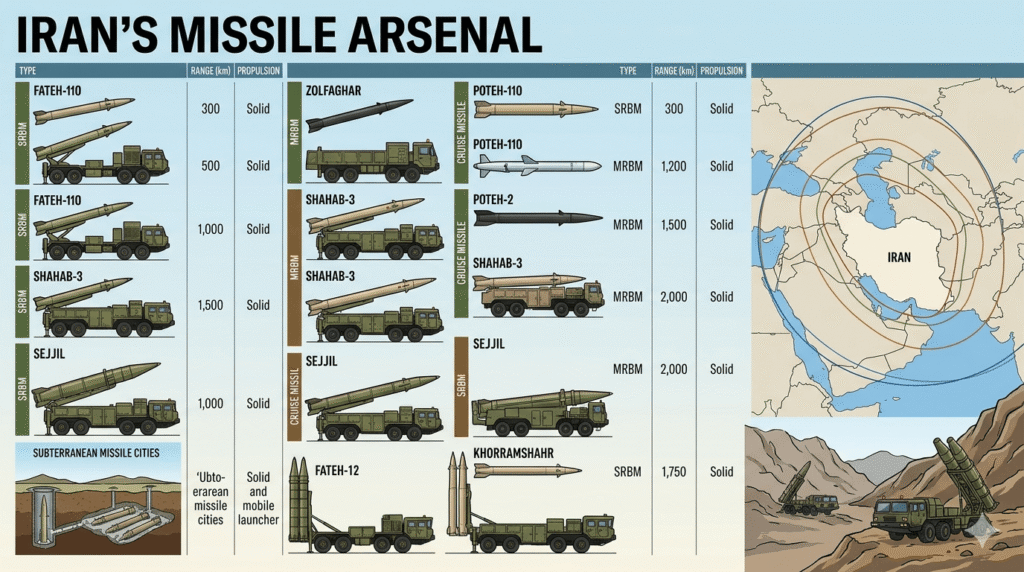
A significant challenge is the finite supply of interceptor missiles on advanced destroyers, which necessitates returning to the port for reloading. Iran’s strategy of deploying numerous inexpensive drones compels the coalition to expend costly interceptors, with the objective of depleting their resources. As long as the cost of Iranian attacks remains low for Iran, the coalition faces a formidable predicament in which achieving victory is both financially burdensome and difficult to sustain in the long term.
Bab Al Mandeb Strait
“And at the time of the end shall the king of the south push at him: and the king of the north shall come against him like a whirlwind, with chariots, and with horsemen, and with many ships; and he shall enter into the countries, and shall overflow and pass over”
(Daniel 11:40)
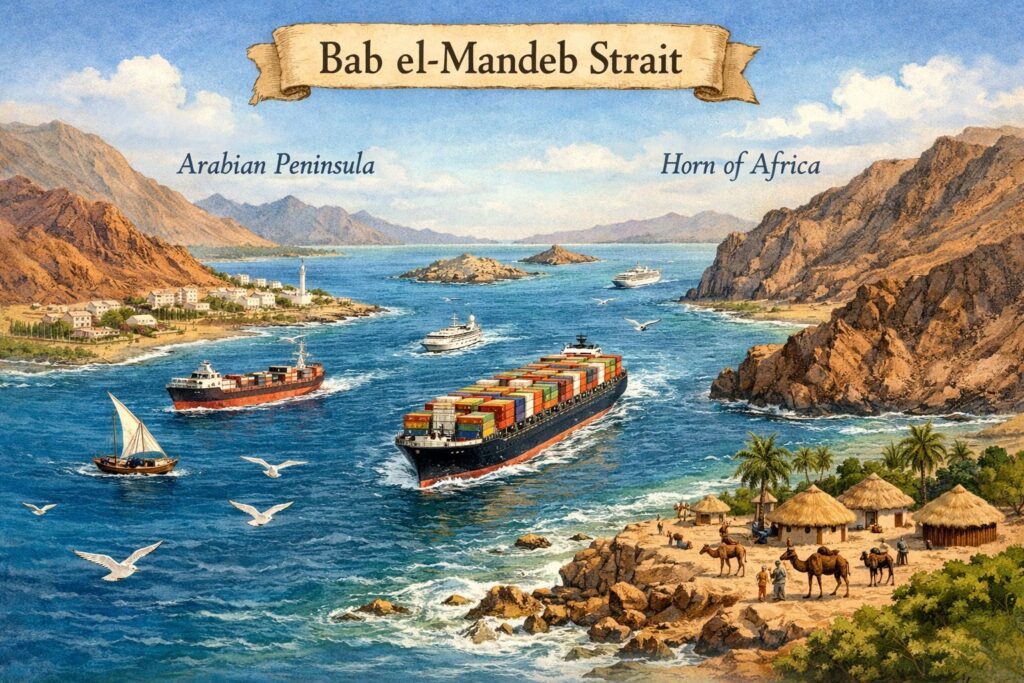
The Bab el-Mandeb Strait is a critical maritime corridor, measuring between 20 and 30 km in width and extending 70 miles in length. It serves as a geographical demarcation between Yemen on the Arabian Peninsula and Djibouti and Eritrea in Africa. This strait facilitates the connection between the Red Sea and the Gulf of Aden, linking it to the Indian Ocean. It is recognised as one of the three most significant chokepoints for global energy and trade, particularly concerning oil and liquefied natural gas (LNG) shipments. Furthermore, the strait provides a conduit from the Indian Ocean to the Mediterranean Sea through the Suez Canal. Approximately over 10% of the world’s seaborne oil and a quarter of all global shipping transits through this passage. The strait is colloquially referred to as the “Gate of Tears” or “Gate of Grief” due to its narrowness and navigational challenges. Perim Island, located within Yemeni territory, divides the strait into two distinct channels: the eastern channel, approximately 2 miles wide, accommodates outbound vessels, and the western channel, approximately 16 miles wide, is designated for inbound traffic. The strait is not under the jurisdiction of any single nation, rendering it susceptible to security threats, including terrorism and regional conflicts such as Houthi attacks on maritime vessels. The considerable depth of the strait, often exceeding 200 m, is advantageous for the passage of large ships. Additionally, they play a significant role in influencing tidal and oceanic currents.

Iranian allies, such as the Houthi group in Yemen, possess both the capability and intent to exacerbate the conflict by potentially closing the Bab Al Mandeb (BAM) Strait. In late March 2026, Houthi leaders indicated their willingness to close this critical maritime passage should hostilities against Iran and Lebanon intensify or if Gulf Arab nations align with the U.S.-Israeli coalition.
The Houthis’ closure of the Bab Al Mandeb would result in a “dual bottleneck” scenario. With the Strait of Hormuz already largely inaccessible, global reliance on alternative routes, such as Saudi Arabia’s East-West pipeline, has increased to circumvent the Persian Gulf.
-In March 2026, the volume of oil transiting through Bab Al Mandeb increased by 21% as shippers sought alternatives to the Hormuz route.
– The simultaneous closure of both straits would effectively halt nearly all Gulf energy exports, potentially driving oil prices to exceed $100–$150 per barrel and causing significant disruptions to the global supply chains.
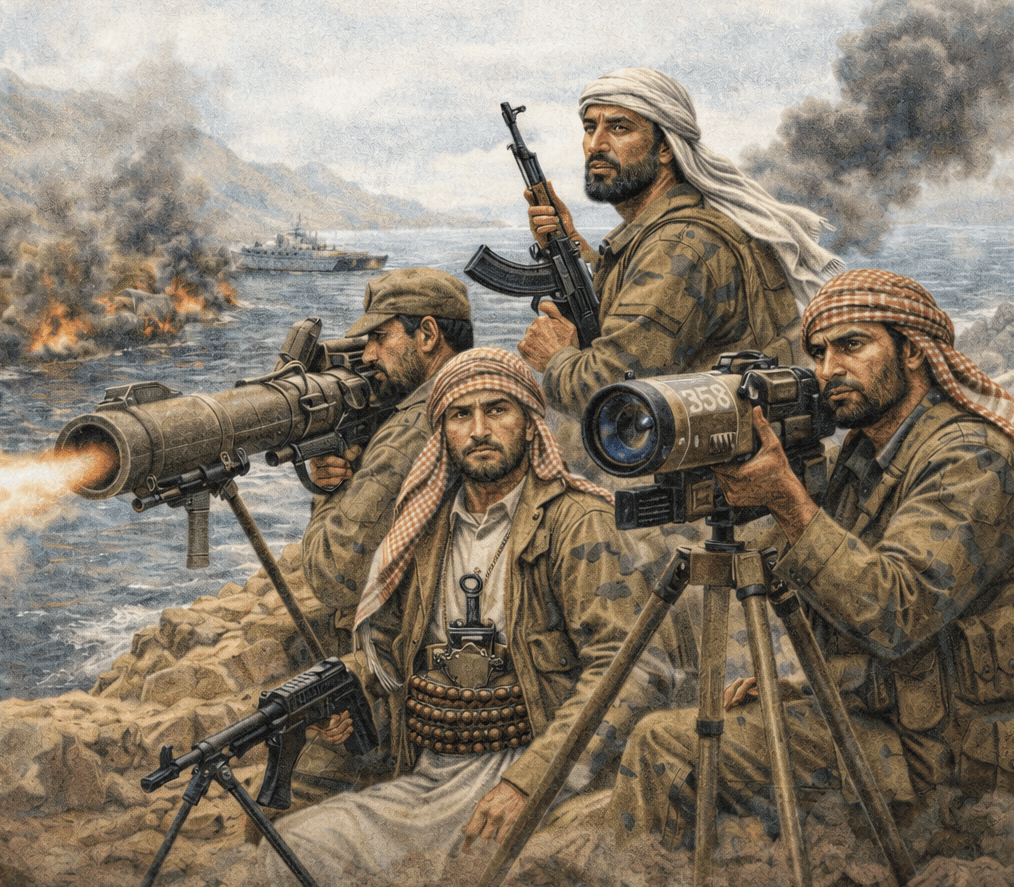
The Houthis are equipped with sophisticated weaponry supplied by Iran, enabling them to obstruct maritime traffic in the narrow 18-mile-wide strait.
– Their arsenal includes missiles such as the ‘Asif’ (400 km range) and ‘Tankeel’, as well as cruise missiles such as the ‘Al-Mandeb 2’ (300 km range) and the ‘Sayyed’.
– They employ explosive boats disguised as fishing vessels, attack drones (Samad-3 with a range of 1,800 km), and sea mines (Masjoor, Mujahid).
Between 2023 and 2025, the Houthis had targeted over 100 commercial vessels, demonstrating their capacity to deter shipping with a limited number of successful attacks.
The Houthis entered the Third Gulf War on 28 March 2026 but have not fully obstructed maritime passage. Initially, they launched missiles at Israel to express solidarity with Iran while adhering to a May 2025 agreement with the U.S. concerning Red Sea shipping. The agreement was specifically relevant to U.S. forces, while the Houthis maintained their stance of continuing to target Israeli ships.
The Houthis declared their intention to close the strait if the U.S. conducted ground assaults on Iran (such as seizing Kharg Island) or if nations like Saudi Arabia or the UAE provided military support to the coalition.
Decisive Victory or Prolonged Struggle
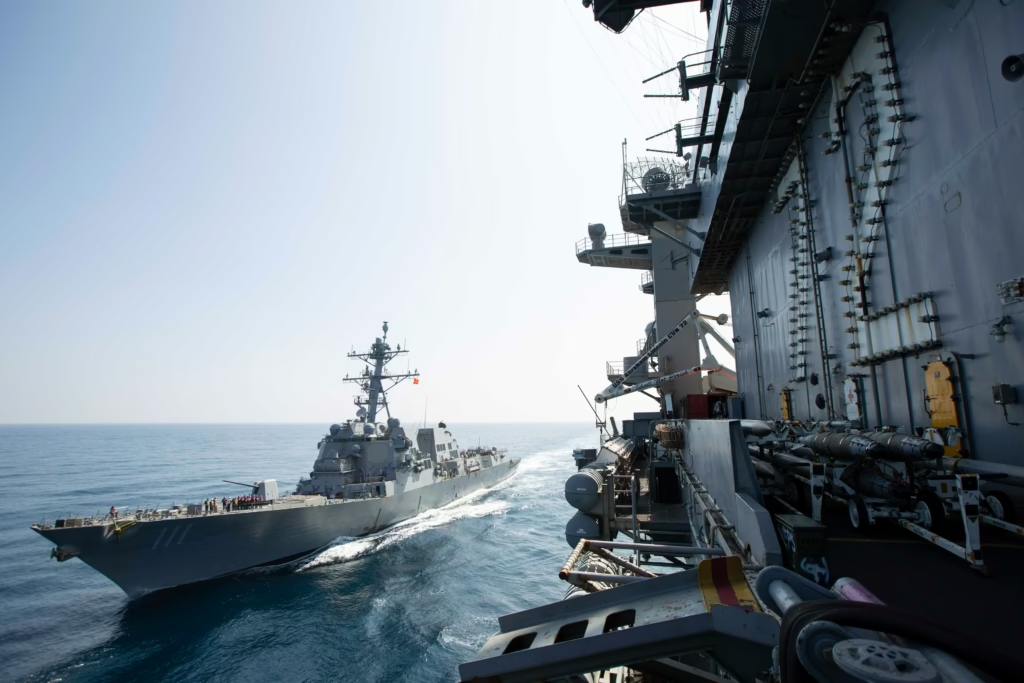
The Third Gulf War represents a confrontation between two divergent strategic approaches. The coalition seeks a swift victory through technological superiority and precision strikes, whereas Iran endeavours to prolong the conflict by leveraging its geographical advantages and strategic patience. From a naval perspective, several critical observations have emerged.
– The destruction of Iran’s primary naval assets has not secured control of the Strait. The threat has shifted to coastal regions, where inexpensive and rudimentary weaponry can significantly disrupt global trade.
– Iran’s dominion over the northern coastline and strategic islands enables it to obstruct access with minimal effort, compelling the coalition to incur substantial expenditures on defence.
– The depletion of interceptors and loss of maritime insurance present significant challenges. If the coalition fails to address maritime resupply and insurance issues, the conflict is likely to persist.
– Occupying strategic locations such as Kharg Island may yield short-term tactical gains, but the occupation of Iranian territory could precipitate a broader regional conflict.
– To ensure the protection of both the Strait of Hormuz and Bab Al Mandeb simultaneously, a significantly increased deployment of naval vessels is required. Similar to the situation in the Persian Gulf, the defence of naval vessels in the Red Sea against cost-effective Houthi drones and missiles would rapidly deplete the coalition destroyers’ Vertical Launch System (VLS) interceptors.
– Should the Houthis succeed in closing Bab Al Mandeb, it has the potential to escalate the Third Gulf War from a regional conflict to a global economic crisis. By retaining this strategic option, the Houthis provide Iran with a significant advantage in ceasefire negotiations.
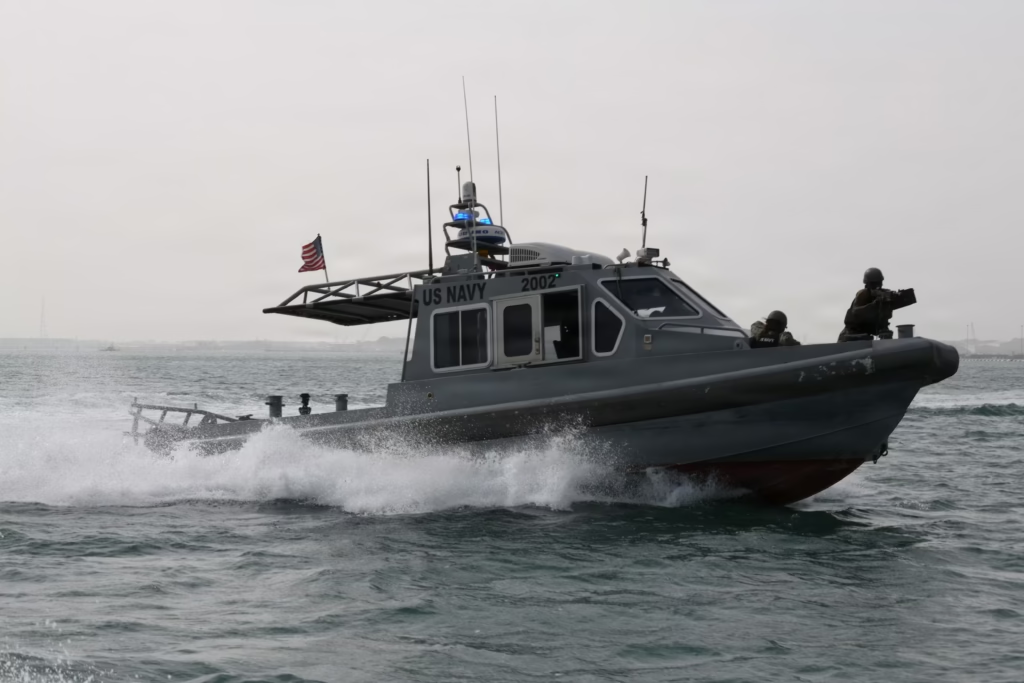
In its current status, the third Gulf War is poised to plunge into a quagmire of protracted struggle for both sides.
The Third Gulf War serves as a critical examination of future naval warfare, in which contemporary hi-tech confronts the complexities of maritime geography.
The best option for both sides is to prolong the ceasefire and continue discussions for as long as feasible until a mutually acceptable face-saving solution emerges.