

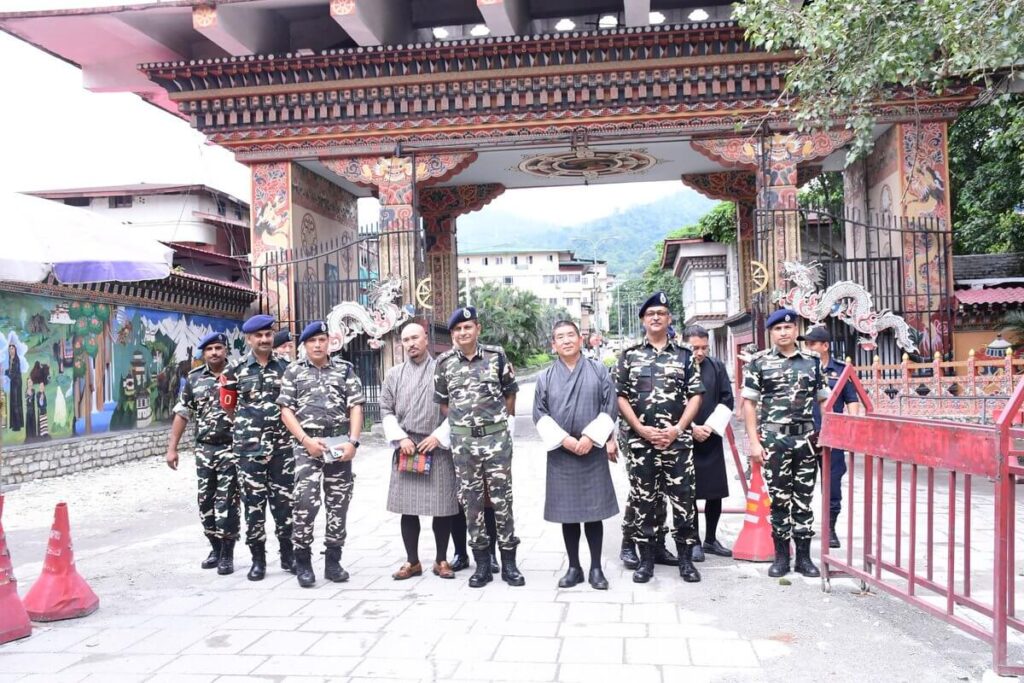
A Border Without Barriers
The Indo–Nepal border is often celebrated as one of the most unique frontiers in the world. Stretching nearly 1,850 kilometres from Uttarakhand in the west to West-Bengal in the east, it is a border where people move freely without visas, where families live on both sides of the frontier, and where cultural, linguistic, and religious ties transcend political boundaries. Unlike many borders that divide, the Indo–Nepal border has historically connected communities, facilitated commerce, and fostered one of South Asia’s most enduring relationships.
Shared Histories, Shared Communities
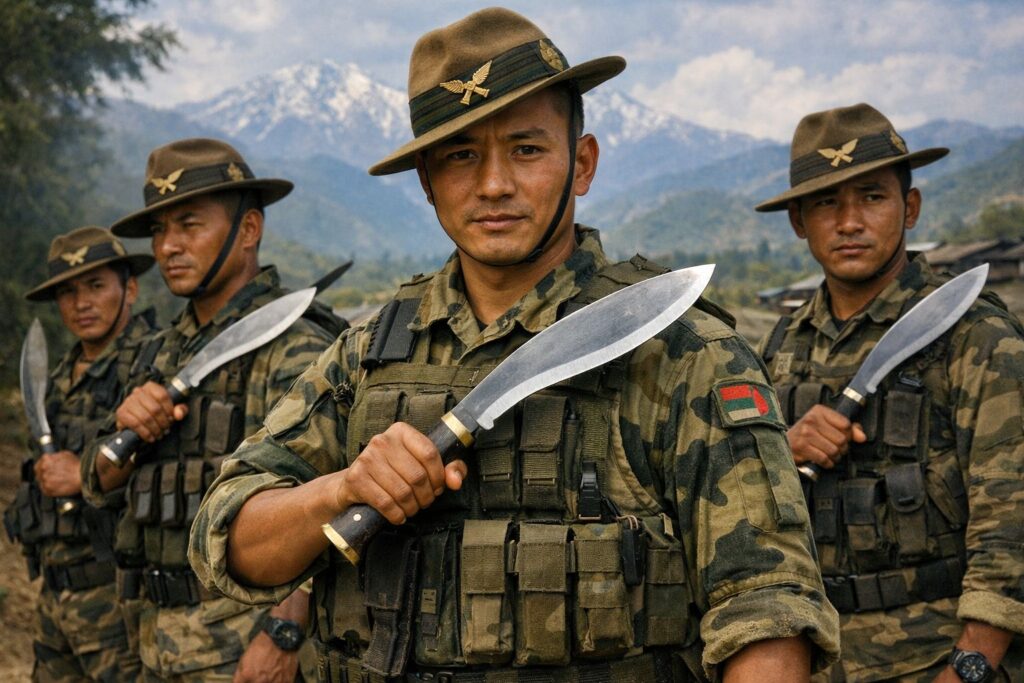
My understanding of Nepal is not derived from maps, military assessments, or diplomatic briefings. It comes from serving alongside generations of Gorkha soldiers whose courage, loyalty, and professionalism have become legendary, and from having been the Defence Attache at the Indian Embassy at Kathmandu. Through them, I gained a deeper appreciation of the social fabric that binds the peoples of India and Nepal together. For countless families, the border is not a line separating two nations but a bridge connecting relatives, livelihoods, traditions, and aspirations.
Everyday Benefits of Openness
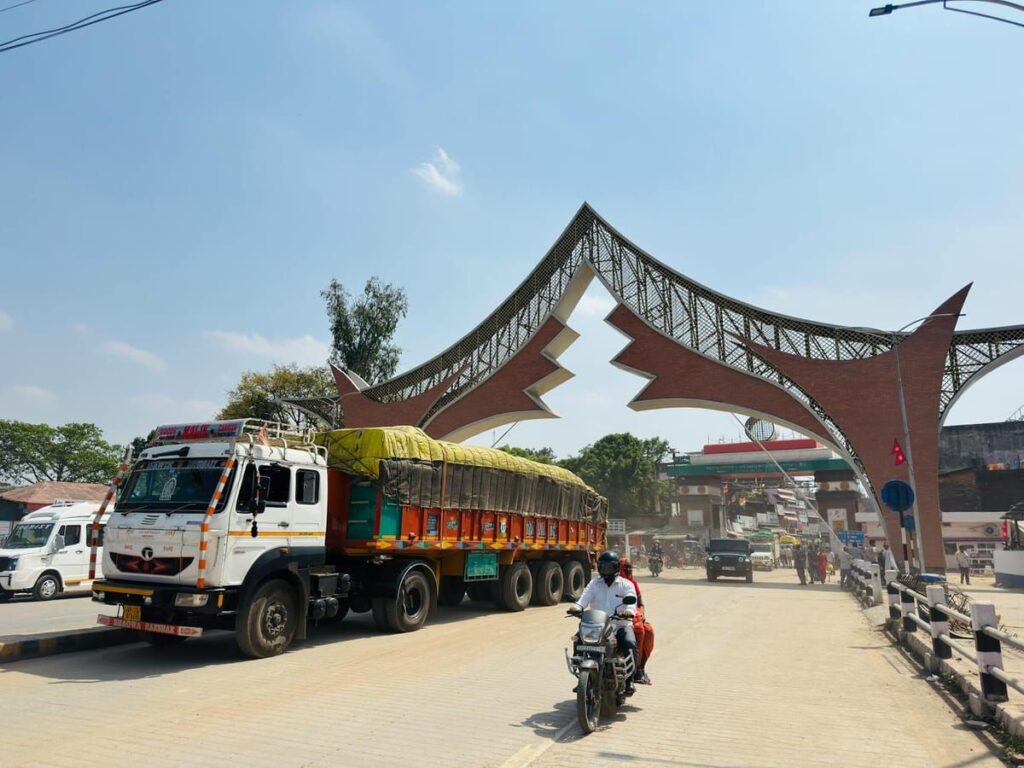
This unique openness has delivered enormous benefits. Every day, thousands cross the border for work, education, healthcare, trade, and family visits. Border markets sustain local economies. Remittances support households. Religious pilgrims travel freely to sacred sites on both sides. The relationship has created opportunities that would be difficult to replicate under a more restrictive regime.
The Dark Side of Porosity
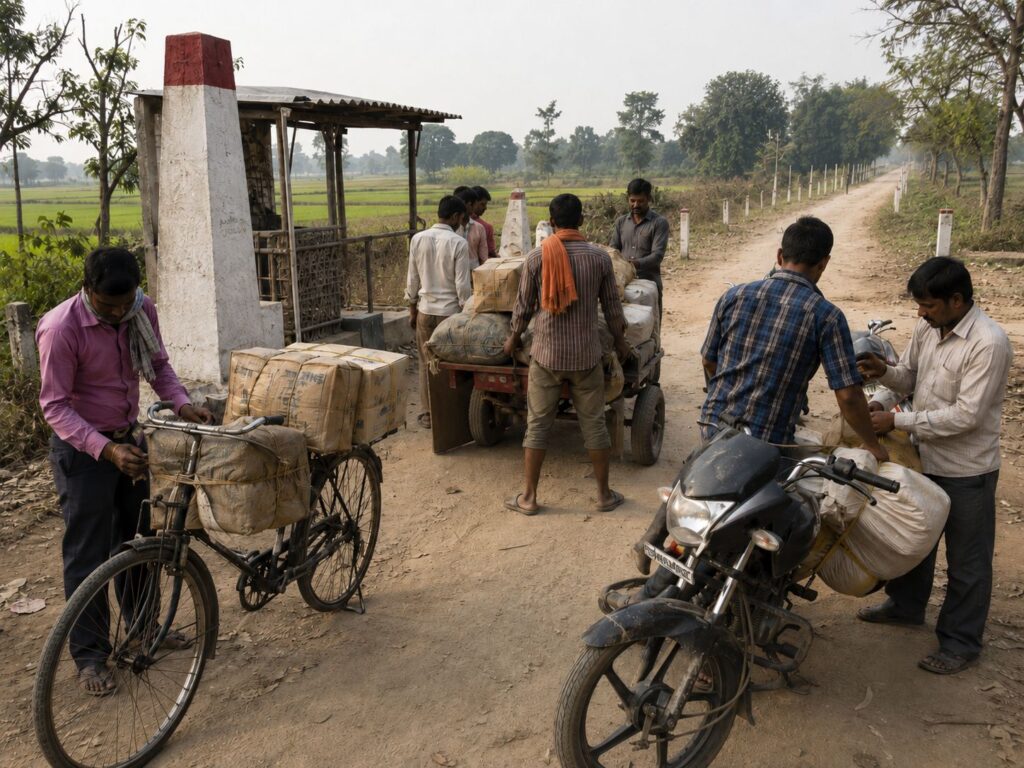
However, the same openness that facilitates legitimate movement also creates governance challenges. Smuggling networks exploit gaps in enforcement. The trafficking of women and children remains a persistent concern. Illegal trade in narcotics, counterfeit goods, wildlife products, and other contraband affects both countries. Criminals and terrorists often take advantage of porous crossing points that local communities depend upon for their daily survival.
Economic Struggles in the Borderlands
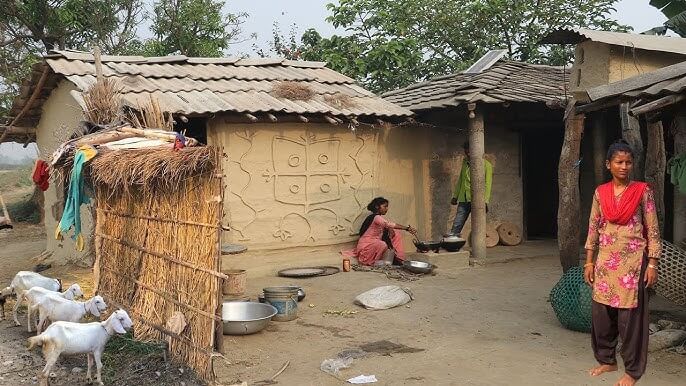
Economic underdevelopment remains another significant challenge. Many districts along the border, particularly in Nepal’s Terai region and parts of India’s adjoining states, continue to face inadequate infrastructure, limited industrial growth, insufficient healthcare facilities, and restricted employment opportunities. Young people often migrate to major cities or abroad in search of livelihoods, leaving behind ageing populations and communities struggling to sustain local economies.
Rivers of Connection and Calamity
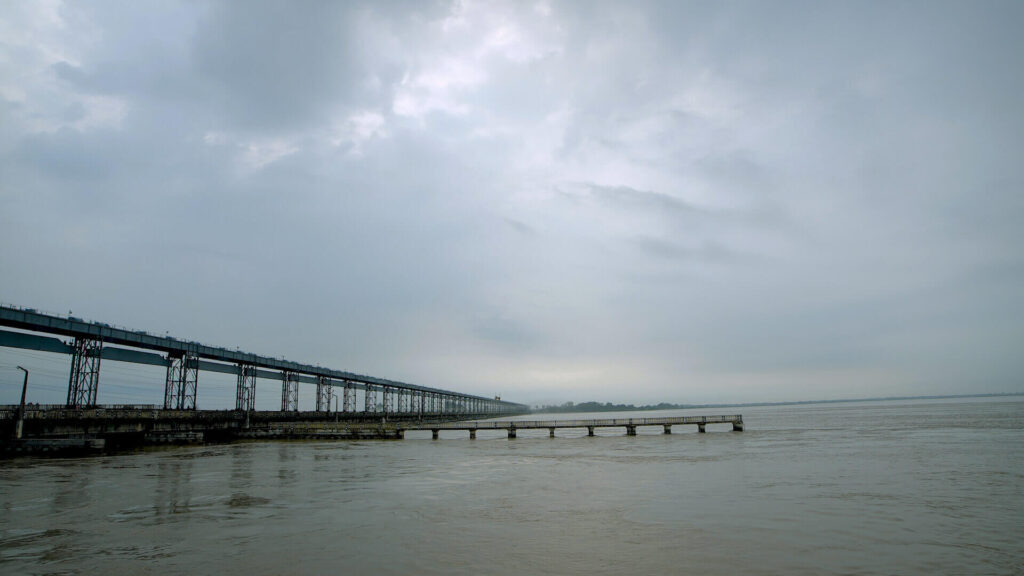
Environmental challenges further complicate the situation. The great rivers that descend from the Himalayas, such as the Kosi, Gandak, and Mahakali, have long connected the two nations. Yet they also bring devastating floods that regularly affect border populations. Entire villages can be displaced within days. Agricultural land is lost, homes destroyed, and livelihoods disrupted. Climate change is increasing the frequency and intensity of extreme weather events, making cross-border cooperation on water management and disaster response essential.
Communities Left Behind
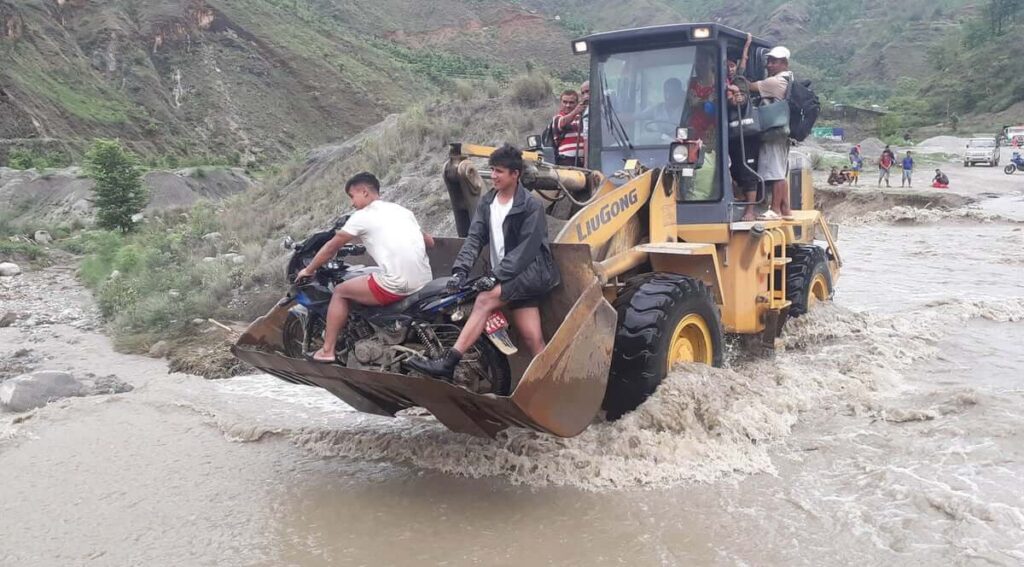
There is also a growing perception among many border communities that they remain peripheral to national development priorities. Major infrastructure projects and diplomatic initiatives often attract attention, but the everyday concerns of citizens living along the frontier receive comparatively little focus. Roads, schools, healthcare centres, irrigation systems, and digital connectivity may not generate headlines, but they are the foundations of long-term stability and prosperity.
Security Beyond Military Measures
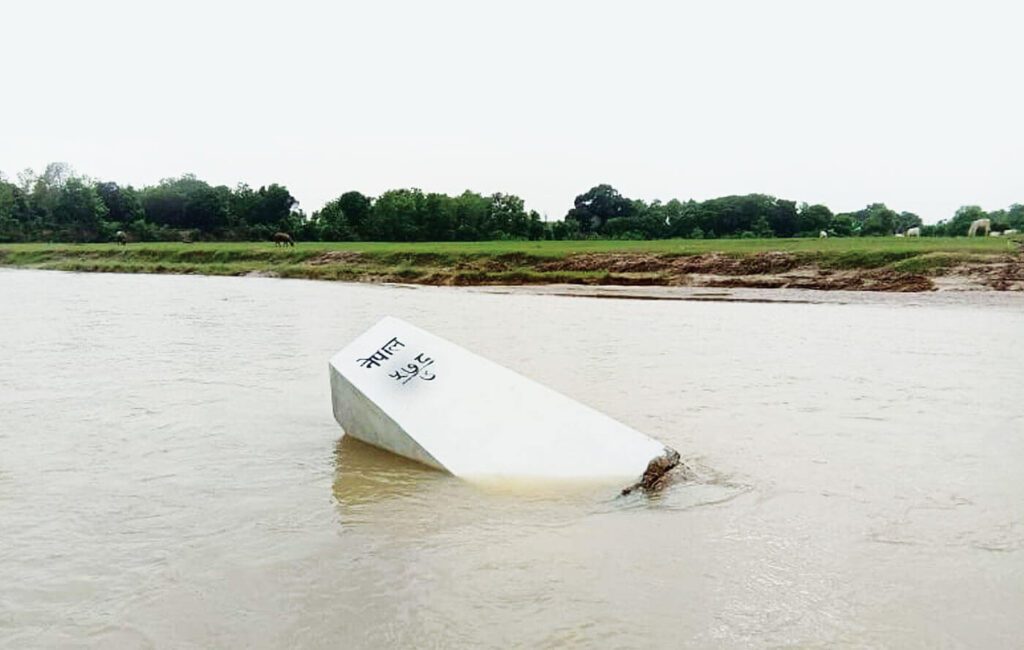
From a strategic perspective, this should concern both governments. Security cannot be measured solely in terms of military deployments or border management mechanisms. True security emerges when communities are economically resilient, socially cohesive, and confident that the state is responsive to their needs. Neglected borderlands create vulnerabilities that are exploited by criminal networks, extremist groups, and external actors seeking to undermine stability.
Development as the Real Safeguard
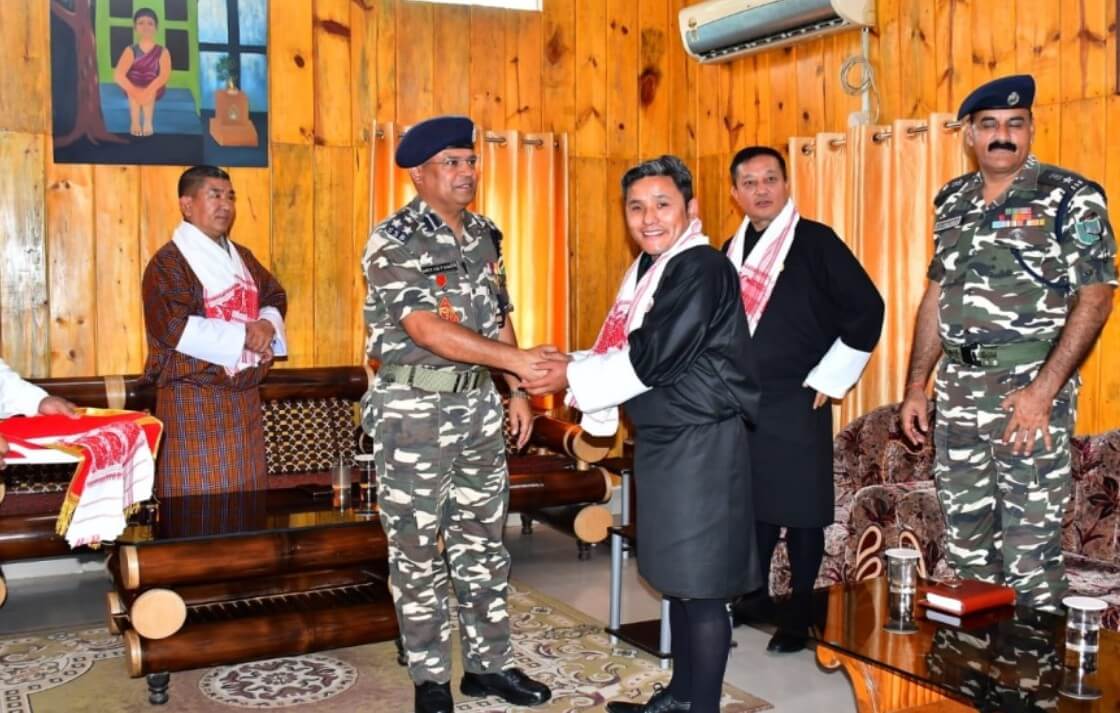
The Indo–Nepal border should therefore be viewed not merely as a security challenge but as a human development opportunity. Joint initiatives in education, healthcare, skill development, disaster management, and infrastructure can strengthen communities while simultaneously enhancing security. Local administrations on both sides should be empowered to collaborate more closely on issues that directly affect citizens. Cross-border cultural exchanges and community engagement programmes can further reinforce the deep social bonds that have sustained this relationship for generations.
Listening to Border Voices
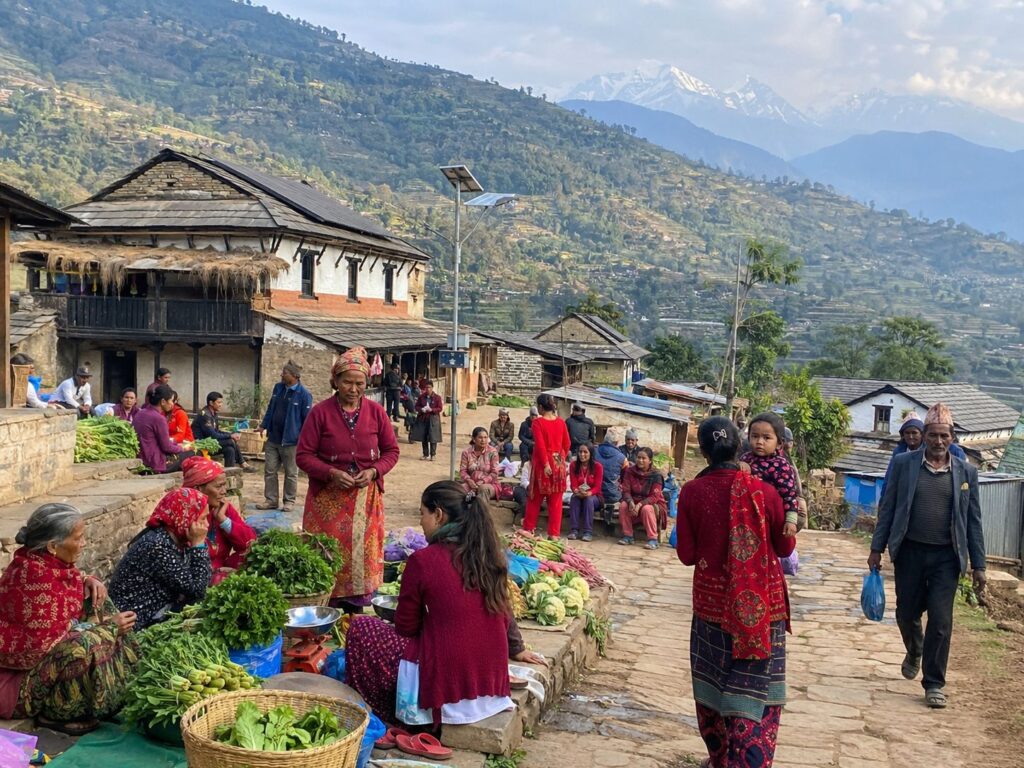
Most importantly, policymakers must listen to the voices of those who live in the borderlands. Too often, discussions about the frontier are conducted by officials and experts far removed from its realities. The people who cross the border daily, cultivate its lands, trade in its markets, and raise families within its communities possess invaluable insights into both the opportunities and challenges of this unique region.
The Frontier as the Future
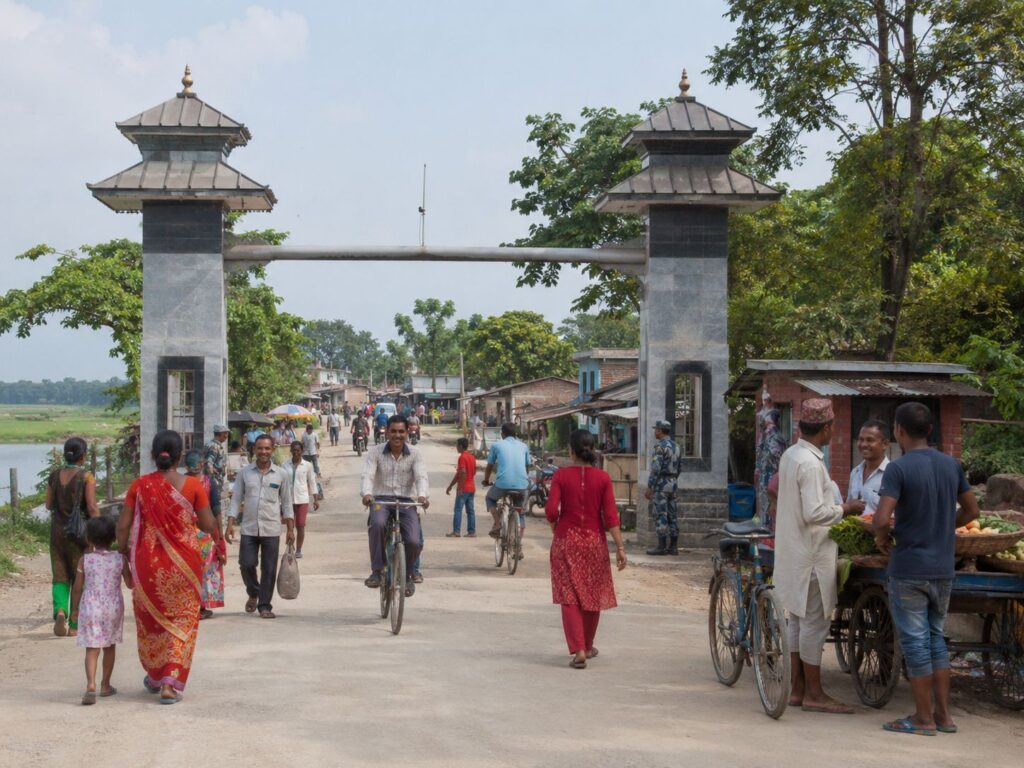
The Indo–Nepal border remains one of the world’s most remarkable examples of peaceful coexistence and mutual trust. It stands as a testament to shared history, cultural affinity, and enduring friendship. Preserving this achievement requires more than maintaining an open frontier. It demands sustained investment in the people who call these borderlands home.
I remain convinced that the future of India–Nepal relations will not be determined solely in capitals or conference rooms. It will be shaped in the villages, towns, markets, and communities that straddle this extraordinary frontier. Their prosperity, security, and well-being must become the true measure of success for both nations.