

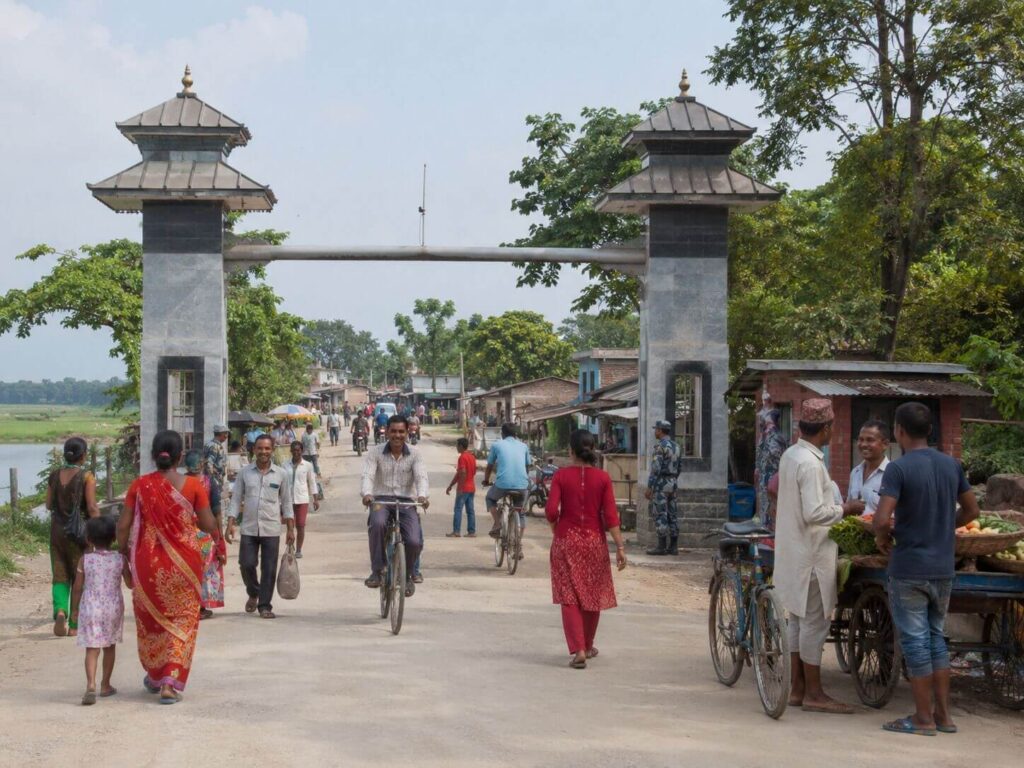
The India–Nepal border is one of the most unusual international frontiers in the world, a sweeping 1,850-kilometer expanse stretching from the high Himalayan ridges of Uttarakhand down through the fertile Terai plains to the strategically vital Siliguri Corridor. It is a frontier defined not by barbed wire, minefields, or concrete barricades, but by the deep, civilisational currents that have bound our two nations together for centuries. In my earlier reflection in this series, “Where Borders Connect: Challenges and Opportunities Along the India–Nepal Frontier,” I argued that this frontier is best understood through the human reality it encompasses, the families whose homes straddle both jurisdictions, the shared religious pilgrimages, and the seamless daily flow of people seeking livelihoods. Yet, as any veteran who has spent decades commanding troops along India’s frontiers will tell you, an open border presents a profound strategic paradox. The very openness that represents a historic triumph of mutual trust is increasingly being weaponised by non-state actors, transnational syndicates, and hostile intelligence networks.

Having served alongside generations of exceptional Gorkha soldiers in the Indian Army, men whose valour is permanently stitched into the fabric of our national defence and later representing India’s strategic interests as the Defence Attaché at the Indian Embassy in Kathmandu, I have walked these lands from both the tactical and diplomatic perspectives. I have sat in remote outposts watching the mist roll across the hills, and I have sat in high-level diplomatic chambers debating the fine print of bilateral accords. From both vantage points, the lesson is identical: a soldier learns early on that treaties are only as effective as the security architecture protecting them. The modern threat matrix has dramatically outpaced the institutional framework established under the 1950 Treaty of Peace and Friendship. Globalisation, hyper-connectivity, and shifting geopolitical alignments have transformed what was once a zone of localised, petty smuggling into an active theatre for complex, transnational threat networks. The challenge before New Delhi and Kathmandu today is stark: we do not need to lock the gates, but we must absolutely secure the perimeter.
The Strategic Architecture of an Open Frontier

To comprehend the magnitude of this challenge, one must first appreciate the historical and institutional foundations of the India–Nepal relationship. The 1950 Treaty of Peace and Friendship was not merely a legal document signed by two sovereign governments; it was the formal recognition of an existing, organic reality. For centuries, the people of the plains and the hills had moved without hindrance, driven by the rhythms of agriculture, trade, and kinship. The treaty institutionalised this by granting citizens of both countries’ reciprocal rights to free movement, property ownership, and economic participation. This arrangement has delivered immense socio-economic dividends, allowing the free flow of human capital, goods, and goodwill. It created a unique ecosystem where a citizen of Nepal could serve in the highest echelons of the Indian military, and an Indian entrepreneur could find a welcoming market in the valleys of Kathmandu.
However, the geopolitical landscape of the mid-twentieth century was vastly different from the volatile, interconnected world we inhabit today. In 1950, the primary security concerns were state-centric, defined by conventional military threats and visible territorial boundaries. The architects of the treaty could not have foreseen an era where threats travel at the speed of light through fibre-optic cables, or where criminal syndicates operate across multiple continents using encrypted messaging applications. The modern threat matrix is asymmetric, fluid, and hybrid. It thrives in the grey zones of governance and exploits the very freedoms that democratic societies hold dear.
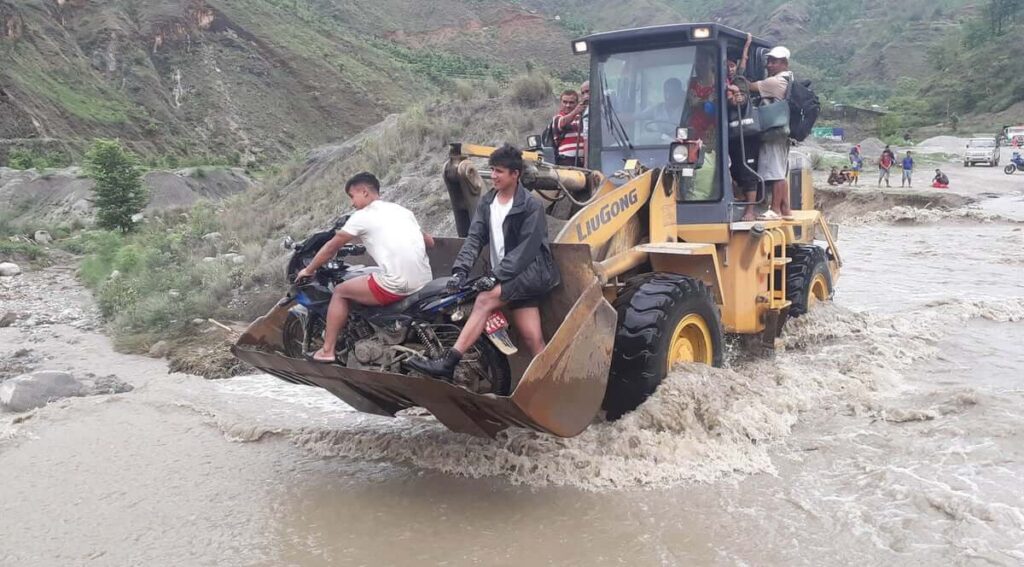
As a result, the open border has transformed from a simple bilateral asset into a complex strategic vulnerability. The lack of compulsory passports, visas, or centralised tracking systems means that once a malicious actor enters the border zone, they effectively disappear into a vast sea of legitimate travellers. For an adversary, this is an ideal operational environment. The challenge for contemporary policymakers and military commanders is to build a modern security apparatus that can identify and neutralise these asymmetric threats without dismantling the historic framework of openness that defines the bilateral relationship.
The Evolution of Cross-Border Syndicates
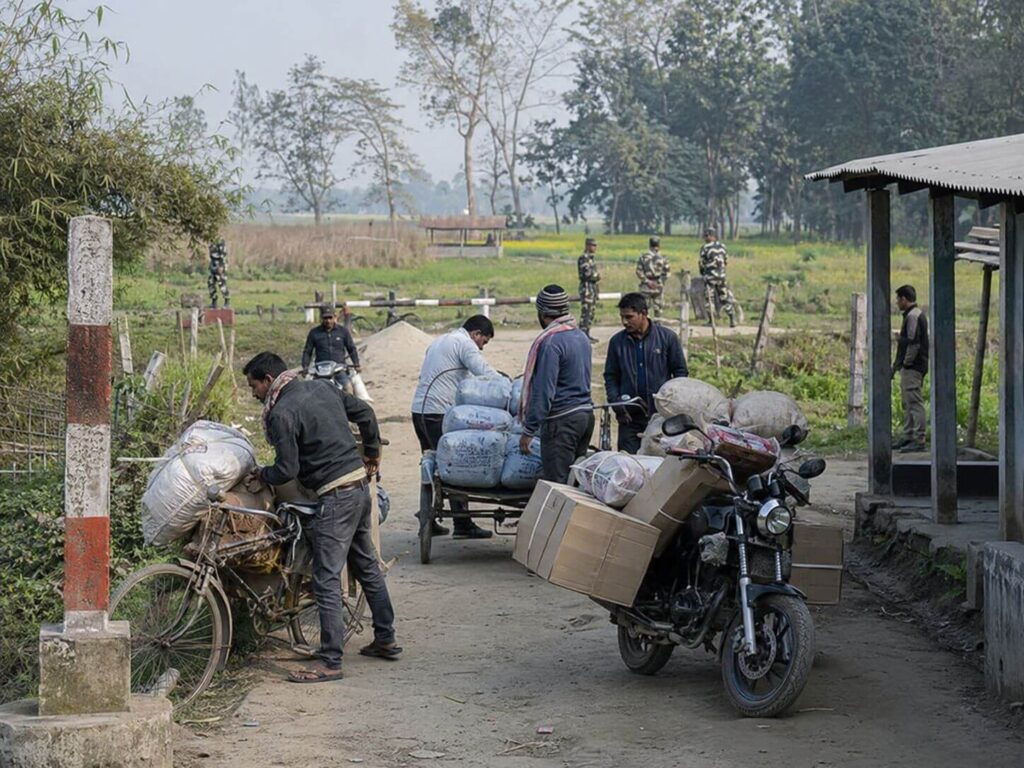
During my early commands along India’s frontiers, border policing was a relatively straightforward affair. It primarily dealt with local contraband, petty smugglers moving small quantities of grain, kerosene, or cloth across the border to exploit price differentials between local markets. These were localised operations, often run by individuals or small families who were well-known to the local border guards. The methods were rudimentary, the networks were shallow, and the impact on national security was minimal.
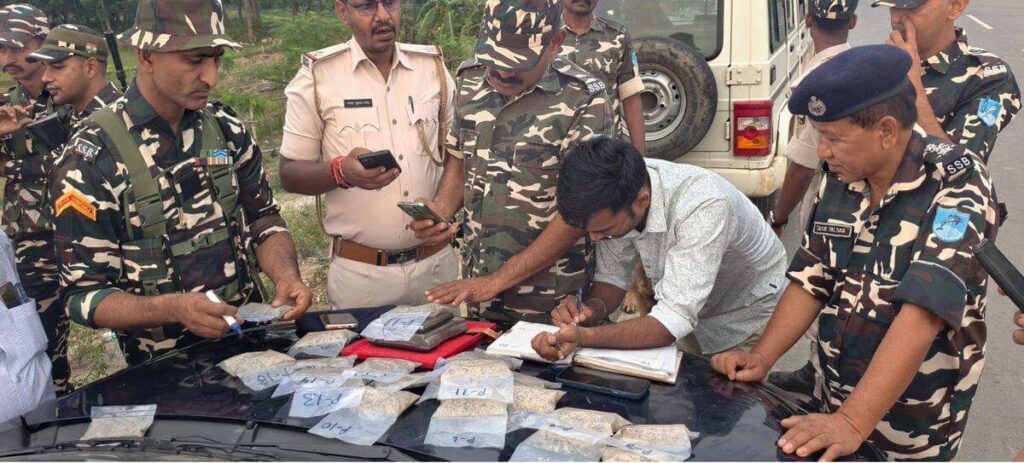
Today, that landscape has been entirely transformed. Organised crime along the India–Nepal axis operates with corporate efficiency and global reach. The petty smuggler has been replaced by transnational syndicates that utilise advanced logistics, sophisticated financial networks, and cutting-edge technology to move high-value contraband across unregulated crossing points. These syndicates deal in commodities that directly threaten the security and stability of both nations: industrial-grade gold, sophisticated narcotics, illegal arms, counterfeit consumer goods, and endangered wildlife parts destined for international black markets.
The logistics of these operations are breathtaking in their sophistication. Contraband is no longer carried in headloads across hidden mountain paths; it is concealed within legitimate commercial cargo, routed through complex supply chains, and tracked using GPS technology. Criminal networks exploit the vast number of traditional crossing points used by local communities. In many sectors of the Terai, villages are physically divided by the international boundary, with houses on one side of the street technically in India and those on the other side in Nepal. For generations, these communities have maintained social and economic interactions, crossing the road to visit a temple, attend a market, or greet a neighbour. Enforcing rigid, heavy-handed physical barriers or closing these traditional pathways is both impractical and politically counterproductive, as it would alienate the very populations whose support is vital for long-term security.
Criminal syndicates understand this operational restraint perfectly. They deliberately embed their illicit activities within the daily white noise of legitimate local movements. They co-opt local youth, exploit economic vulnerabilities, and use corruption to weaken local governance structures. This tactical reality dictates that modern border management can no longer rely on static sentries standing at designated checkpoints or conducting routine foot patrols. It must pivot decisively toward an intelligence-led model driven by real-time data sharing, deep human intelligence, and constant, seamless synchronisation between India’s Sashastra Seema Bal and the Armed Police Force of Nepal. We must shift our focus from guarding lines on a map to disrupting the networks that seek to exploit those lines.
Human Trafficking and the Crisis of Vulnerability
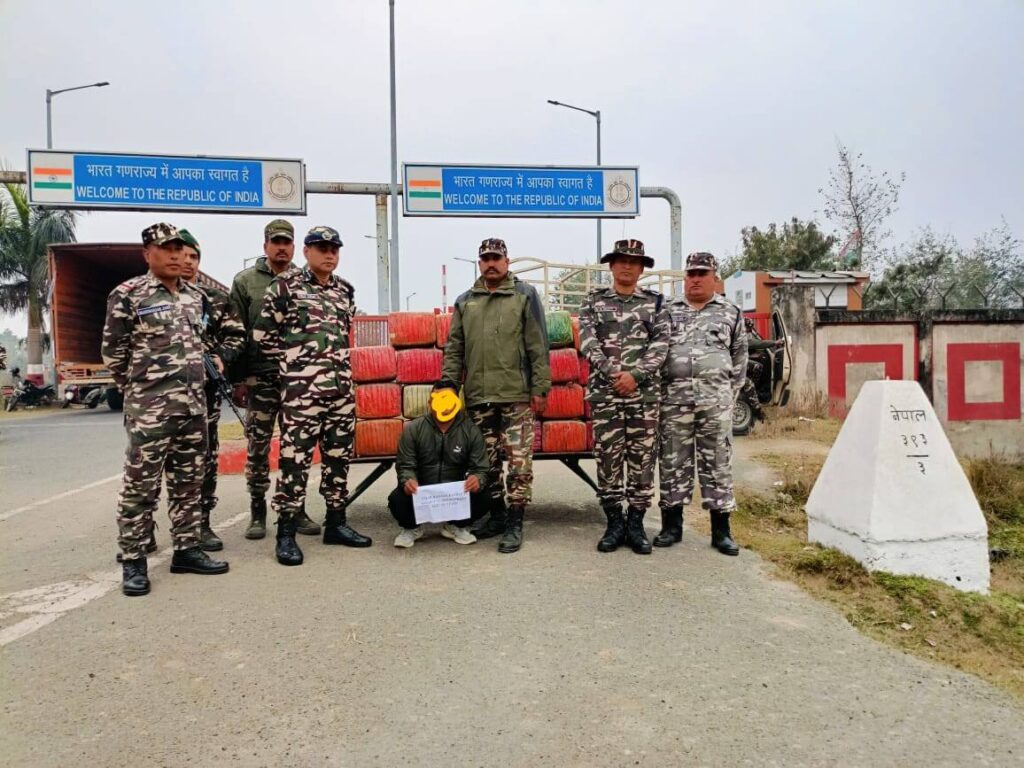
Among the multi-faceted challenges emerging along the open frontier, none is more heart-wrenching or deeply disruptive to human security than the persistent crisis of human trafficking. For decades, the porous nature of the border has been systematically exploited by criminal syndicates who prey upon the most vulnerable segments of society, particularly women and children from economically depressed border districts and remote hill villages. These syndicates operate with a ruthless understanding of human desperation, using false promises of employment, education, or a better life in India’s urban centres to lure victims away from their protective communities.
The openness of the border, which serves as a symbol of friendship for millions of legitimate citizens, becomes a tragic tool in the hands of traffickers. Because there are no mandatory passport checks or rigorous identity verifications at the hundreds of informal crossing points, victims can be moved across the international boundary with minimal risk of detection. Once inside India, they are quickly absorbed into vast urban landscapes, where they are subjected to forced labour, sexual exploitation, domestic servitude, and other forms of modern slavery. In recent years, these networks have expanded their operations, using India as a transit point to move victims to the Gulf states, Southeast Asia, and beyond.

As we noted in our previous discussions on borderlands development, this is a multi-dimensional challenge that cannot be solved through policing alone. A purely law enforcement approach, while necessary, only addresses the symptoms of the crisis, not its root causes. The fight against trafficking requires an integrated, comprehensive strategy that bridges the gap between security and social policy. It demands an operational ecosystem where border guarding forces work hand-in-hand with civil society organizations, non-governmental agencies, local panchayats, and cross-border intelligence cells.
Furthermore, both governments must invest heavily in community-based prevention mechanisms. This includes running extensive awareness campaigns in local languages, establishing safe houses and counselling centres at major transit points, and creating cross-border institutional mechanisms for the rapid rescue and rehabilitation of victims. Most importantly, it requires addressing the underlying socio-economic vulnerabilities, such as structural poverty, lack of educational opportunities, and gender inequality, that make individuals susceptible to the deception of traffickers in the first place.
The Digital Shift: Counterfeit Currency and Financial Crime
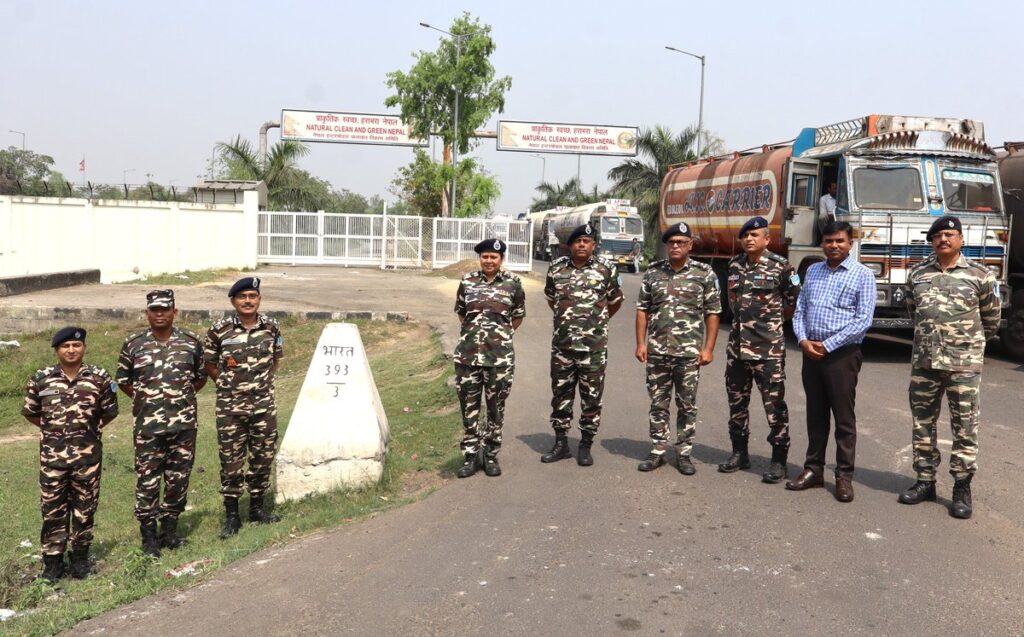
Simultaneously, the nature of financial subversion along the frontier has undergone a dramatic transformation. For many years, the India–Nepal border was a primary conduit for the introduction of high-quality Fake Indian Currency Notes into the Indian economy. These counterfeiting operations, often backed by hostile state actors operating from behind the scenes, were designed to destabilise India’s monetary system, fund insurgent groups, and fuel the underground economy. Border security agencies spent significant resources detecting and seizing these physical shipments, which were often concealed in false-bottomed suitcases, agricultural produce, or local transport vehicles.
While robust physical surveillance, enhanced intelligence operations, and systemic monetary adjustments have successfully curtailed large-scale physical currency smuggling, the threat has not disappeared. Instead, reflecting the broader trends of the global economy, the battle has shifted decisively into the digital domain. Illicit actors have adapted to the changing landscape by exploiting the rapid growth of digital payment gateways, mobile banking applications, unregulated online remittance channels, and decentralised cryptocurrency networks.
Today, criminal syndicates do not need to risk carrying suitcases of counterfeit cash across a physical checkpoint. Instead, they can move millions of dollars across the border instantly with a few keystrokes, using sophisticated layering techniques to conceal the origin and destination of the funds. These digital financial networks are used to launder the proceeds of narcotics trafficking, finance extremist cells, and facilitate illegal trade. The battlefield is no longer confined to the dusty pathways of the Terai or the rugged ridges of the hills; it is fought in the digital ether, across complex networks that respect no national sovereignty.
Managing this modern challenge requires an entirely new set of institutional capabilities. It demands that our border management agencies move beyond traditional policing skills and invest heavily in specialised cyber-forensics, digital financial intelligence, and data analytics. It requires the establishment of real-time, bilateral financial intelligence units operating in tandem across New Delhi and Kathmandu, capable of tracking suspicious transactions, freezing illicit assets, and disrupting the financial infrastructure of transnational crime before the damage is done.
Cyber Vulnerabilities and the Threat of Radicalisation
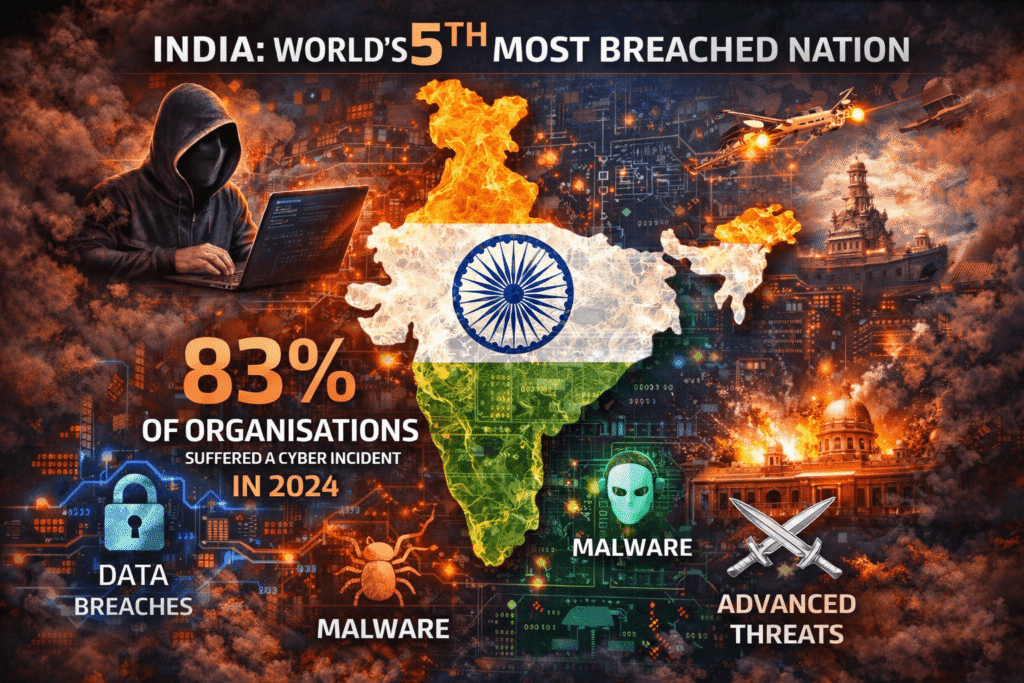
This digital evolution brings us to one of the most insidious threats facing the India–Nepal borderlands in the twenty-first century: the intersection of cyber vulnerabilities and ideological radicalisation. In recent years, the rapid expansion of mobile internet coverage throughout the rural border belts has transformed daily life, connecting remote communities to the global information ecosystem. This digital revolution has brought immense benefits, opening up new avenues for education, commerce, and communication. However, because this expansion of connectivity has dramatically outpaced digital literacy and public awareness, it has also created a highly fertile environment for malicious actors.
Hostile groups, extremist organisations, and cybercriminals now exploit this digital vulnerability to target border youth. Using sophisticated social media campaigns, encrypted chat groups, and targeted misinformation, these actors propagate divisive narratives, stoke communal tensions, and orchestrate online radicalisation drives. Young people, often facing limited employment prospects and lack of mentorship, are particularly susceptible to these efforts. They are lured into cyber-enabled crime rings, recruited into extremist networks, or co-opted into spreading inflammatory rumours designed to fray the region’s delicate, centuries-old social fabric.
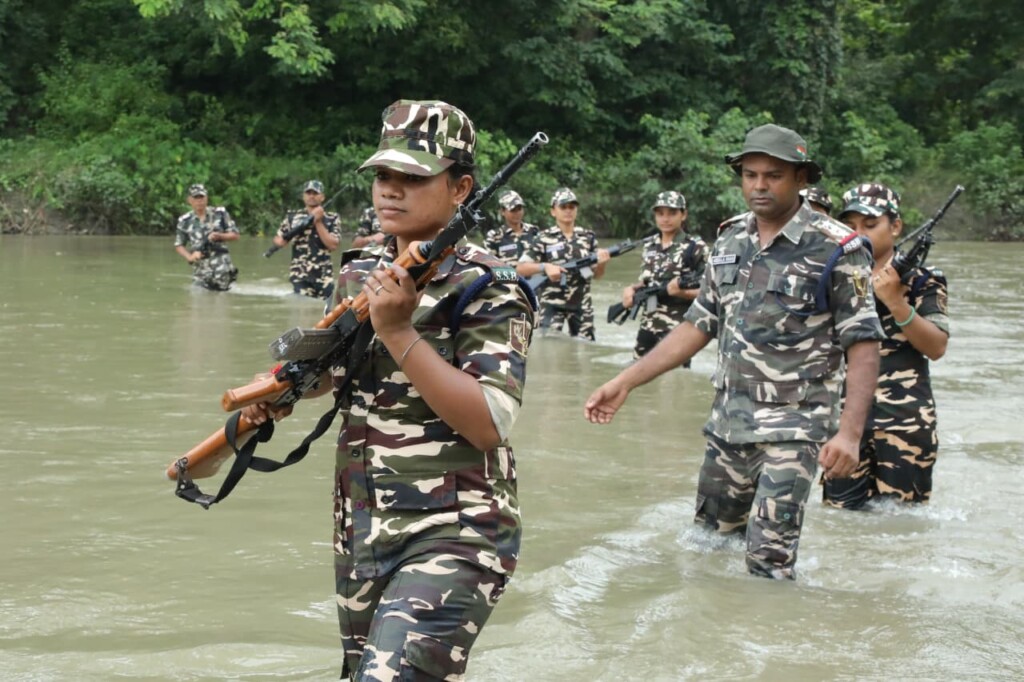
What makes this threat particularly challenging is its borderless and decentralised nature. An individual sitting in a remote village along the frontier can be radicalised, trained, and directed by a handler located thousands of kilometres away in a completely different country, without ever having to meet in person or cross a physical border. The traditional tools of border security, checkpoints, patrols, and physical barriers, are completely ineffective against this type of penetration.
The most potent antidote to this digital threat is not censorship or heavy-handed state surveillance, both of which can alienate local populations and drive discontent underground. Instead, the solution lies in building resilient, socio-economically stable, and digitally literate border communities. Both nations must invest in comprehensive digital literacy programs, public awareness campaigns, and youth engagement initiatives that teach critical thinking and online safety. More fundamentally, we must address the structural conditions that make young people vulnerable to radical narratives. When border youth see tangible economic opportunities, a robust educational infrastructure, a responsive governance system, and a clear path toward personal and professional prosperity, external disruptive ideologies lose their leverage and their appeal.
Geopolitics and Greater Power Competition

We cannot evaluate the security of the India–Nepal frontier in a vacuum, isolated from the broader geopolitical shifts transforming the Indo-Pacific region. South Asia has entered a challenging era of intense, multi-polar strategic competition, characterised by the resurgence of traditional rivalries and the emergence of new spheres of influence. Within this geopolitical calculus, Nepal’s critical geographic position as a land-linked state situated between two major Asian powers naturally places it under the spotlight of competitive regional strategies.
Historically, adversarial intelligence apparatuses have recognised the strategic value of the open border, routinely exploiting its porousness for logistical support, safe houses, surveillance, and proxy operations aimed at undermining India’s security interests. During my years in uniform, we constantly had to monitor these covert activities, which often targeted our military installations, critical infrastructure, and political stability.
Today, however, these influence operations have become far more subtle, complex, and structural. They are no longer confined to cloak-and-dagger espionage; instead, they manifest through strategic investments in critical border infrastructure, such as highways, railways, airports, and optical fibre networks that terminate close to the Indian frontier. They also take the form of carefully orchestrated media narratives, academic partnerships, cultural exchange programs, and digital campaigns designed to alter the strategic orientation of the region and drive a systemic wedge between New Delhi and Kathmandu.
As strategic analysts and military professionals, we must approach this challenge with a high degree of nuance and sophistication. We must be careful not to over-securitise every aspect of our bilateral relationship with Nepal. Viewing every infrastructure project, commercial agreement, or cultural event through a purely alarmist security lens is a strategic trap. Overreacting with heavy-handed security measures, imposing arbitrary restrictions on movement, or adopting a patronising diplomatic tone plays directly into the hands of those external actors who wish to see this historic relationship sour. The objective must always be sophisticated, low-profile counterintelligence combined with unflappable diplomatic engagement, economic partnership, and institutional trust. We must demonstrate to Nepal, through concrete actions, that its long-term security, prosperity, and sovereignty are best served by a close, transparent, and resilient partnership with India.
Development as the Ultimate Force Multiplier
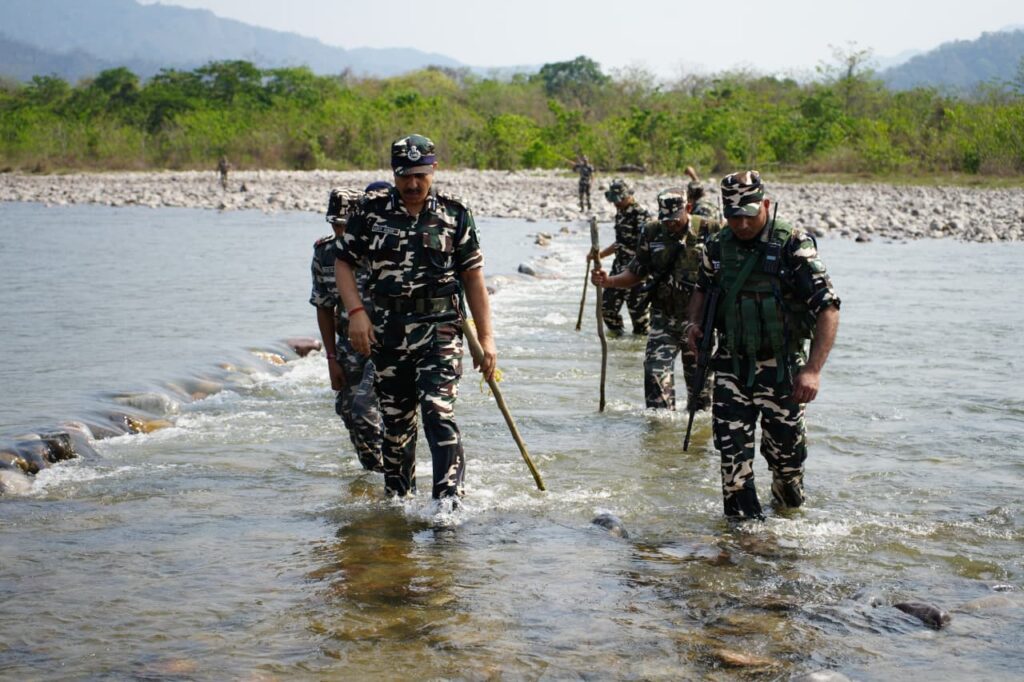
If my decades in uniform commanding troops along India’s volatile frontiers taught me anything, it is a fundamental truth that every policymaker must internalise you cannot secure a border if you ignore the people who live on it. For too long, traditional security doctrines have treated borders as rigid, linear walls that must be heavily policed from the inside, while viewing the local populations living along those edges as passive subjects of state policy or, worse, potential security risks. This is a profound strategic error.
Border residents are not liabilities; they are our primary security partners and our most effective force multipliers. They possess an intimate, unparalleled knowledge of the local terrain, the social networks, the seasonal migration patterns, and the daily rhythms of the frontier. They are the first to notice an unfamiliar face in the village square, an unusual vehicle parked near a hidden pathway, or a strange digital footprint circulating on local networks. The human intelligence they provide is far more valuable than the most advanced technological surveillance systems money can buy.
However, that vital flow of human intelligence is not a given; it relies entirely on the existence of deep mutual respect, dignity, and trust between the man in uniform and the citizen on the ground. When border guarding forces treat local populations with suspicion or disrupt their legitimate daily lives through arbitrary harassment, that trust evaporates, and the flow of intelligence dries up.
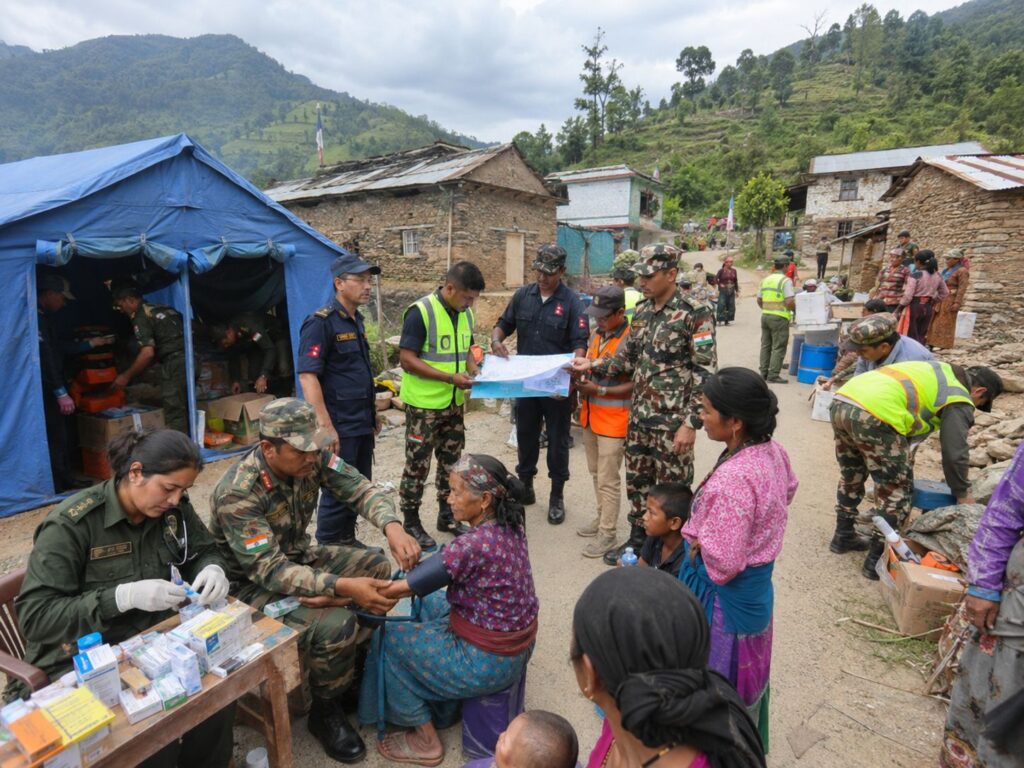
Furthermore, we must recognise that a neglected borderland is a standing invitation to strategic instability. For decades, many districts along the India–Nepal frontier have suffered from structural neglect, characterised by poor road connectivity, inadequate healthcare facilities, substandard schools, lack of clean drinking water, and virtually no local employment opportunities. This economic stagnation creates a dangerous vacuum. When young people see no future in their home villages, they either migrate to distant cities or, out of sheer desperation, become vulnerable to the financial inducements of criminal networks, human traffickers, and extremist recruiters.
True border management is therefore as much about building hospitals, cold-storage units, schools, and digital infrastructure as it is about upgrading thermal imaging cameras, night-vision devices, and armoured patrol vehicles. A secure border requires an economically resilient, socially stable, and politically empowered population. When border communities feel connected to the national mainstream, when they see that their welfare is a priority for the state, they become the most passionate defenders of the nation’s security, forming an unbreakable human wall against external subversion.
Toward a Smart, Cooperative Security Architecture
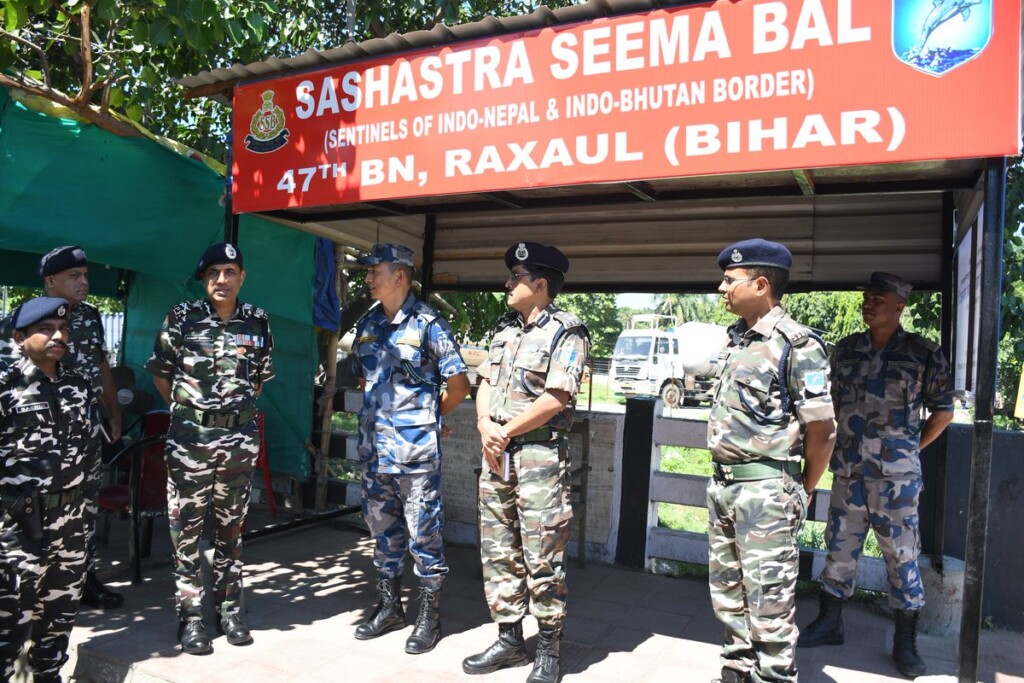
The strategic solution for the twenty-first century is not to build a physical wall, erect miles of barbed wire, or tear up our historic treaties. Such an approach would be a monument to strategic failure. Closing the border would devastate local economies, sever deep-rooted familial and cultural ties that have survived for generations, and permanently damage the unique bond of friendship that forms the bedrock of the India–Nepal relationship. It would transform a frontier of peace into a zone of permanent tension, tying down valuable military resources that are urgently needed elsewhere.
Instead, New Delhi and Kathmandu must co-author a modern, forward-looking blueprint for cooperative border management. We must replace outdated, nineteenth-century concepts of border control with a smart, technology-driven, and collaborative security architecture that facilitates legitimate movement while ruthlessly targeting illicit networks.
This transformation must begin with the deployment of integrated technological checkpoints at all major land customs stations and trading hubs. These modern facilities should feature advanced biometric systems, automated license plate readers, facial recognition technology, and non-intrusive cargo scanners. By digitizing and automating the transit process, we can ensure that legitimate traders, tourists, and residents can cross the border swiftly and with dignity, while creating a comprehensive digital audit trail that instantly flags anomalies and suspicious patterns for further investigation.
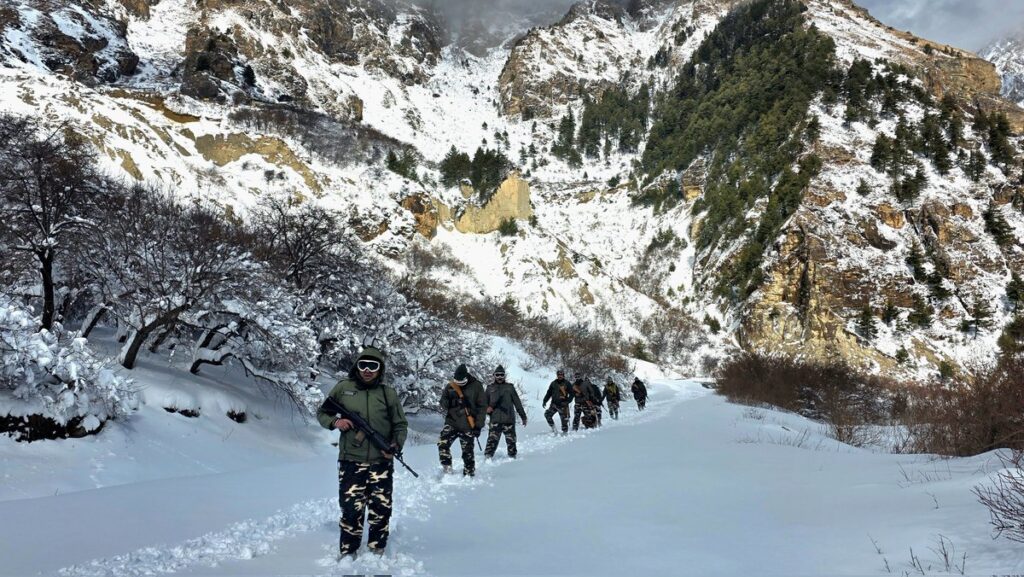
Beyond physical checkpoints, we must establish a permanent, institutionalised bilateral task force dedicated to combating cybercrime and transnational syndicates. This joint agency should directly link the premier investigative, intelligence, and cyber-forensics bodies of both nations, enabling the real-time sharing of actionable intelligence, the coordination of cross-border stings, and the harmonisation of legal frameworks to ensure that criminals cannot exploit jurisdictional gaps to escape justice.
Simultaneously, we need to expand and upgrade our synchronised patrolling protocols. The Sashastra Seema Bal and the Armed Police Force of Nepal must move away from isolated, predictable patrol routines and adopt joint, tech-enabled operations. By utilising drones, satellite imagery, and ground sensors, both forces can maintain comprehensive situational awareness over vulnerable, un-demarcated sectors of the frontier, responding collectively to incursions and illegal crossings.
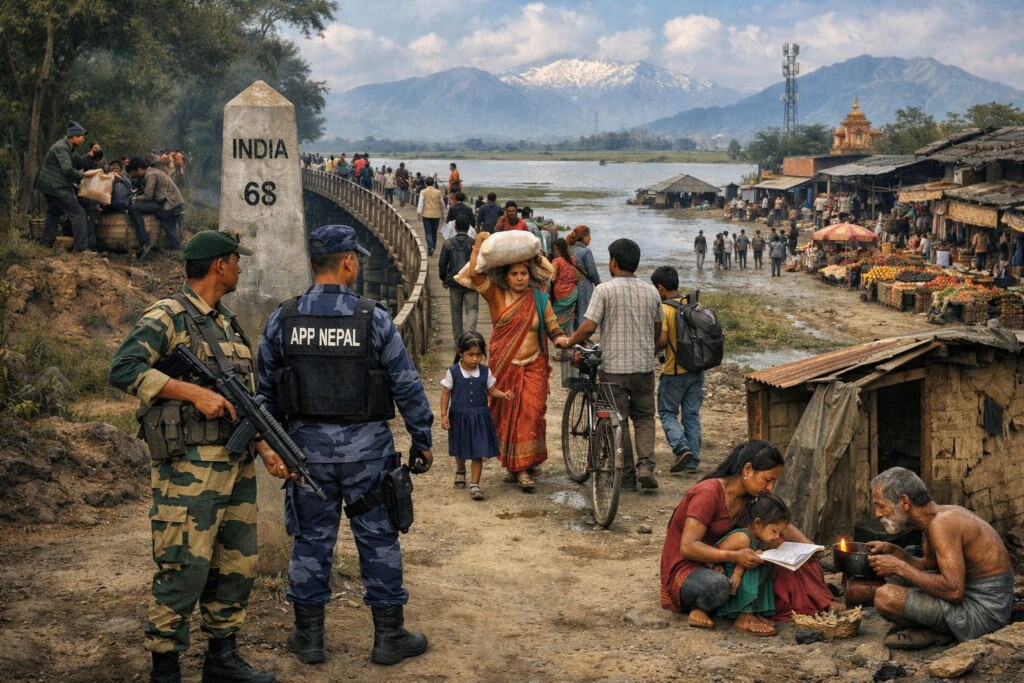
Finally, the ultimate guarantee of our shared security is the launch of a comprehensive Bilateral Border Development Zone. Both governments must pool their resources to build integrated economic corridors along the frontier, investing heavily in cross-border rail links, modern warehouses, agricultural processing hubs, and digital connectivity centres. By transforming the borderlands from remote, impoverished peripheries into thriving, integrated hubs of shared prosperity, we can create a powerful economic stakeholder class on both sides of the frontier that is deeply invested in maintaining peace, stability, and open communication.
The India–Nepal border remains a shining global example of how two sovereign states, differing in size and economic power, can share a porous frontier in perfect harmony, rooted in mutual respect and shared civilisational values. As we navigate the turbulent waters of the twenty-first century, our responsibility is not to retreat behind walls of fear and suspicion. Rather, our duty is to upgrade our security architecture to meet contemporary challenges with sophistication and resolve, while passionately defending the human, cultural, and economic freedoms that define our unique relationship. By doing so, we ensure that this historic frontier remains exactly what it was always meant to be: a bridge of absolute trust, enduring prosperity, and unbreakable partnership.