

Micronations, also referred to as imaginary or model countries, are small, self-proclaimed entities, which claim to be independent nations but are not recognised by any of the sovereign states or supranational organisations.
Here’s a glimpse at a few notable micronations, their origins, purpose, governance, and current status:
1. Principality of Sealand
Founded: 1967 | Location: North Sea, off the coast of England
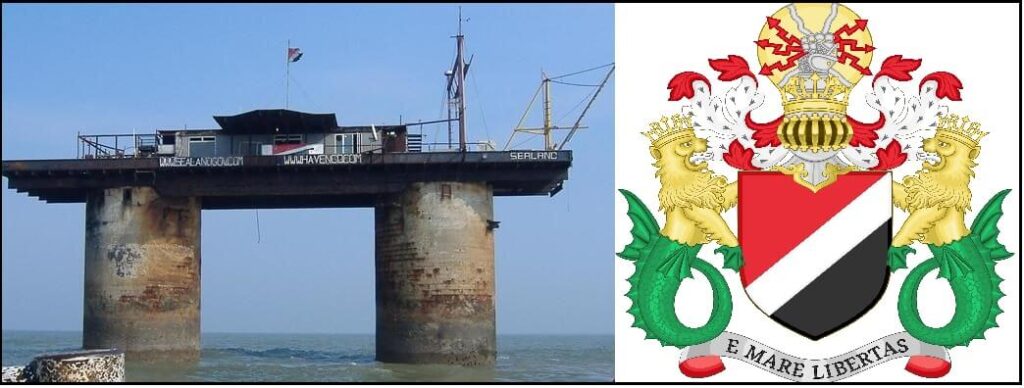
Founded in 1967, on an offshore platform in the North Sea that now functions as a stationary offshore platform, Sealand, a self-proclaimed micronation claims to be the “world’s smallest country.” Based on an abandoned World War II era British naval fort about 12 kilometres off the coast of Suffolk, England, it was founded by former British Army Major Paddy Roy Bates, who declared it a sovereign principality under international maritime law. Sealand has its flag, national anthem, currency, passport, and self-styled royal family with the title Prince Michael for Paddy Roy Bates son. Even though it is not formally recognised as a sovereign country by the UK and other countries, Sealand has developed everything it takes to be called a nation and is offering titles like “Lord,” “Lady,” “Baron,” and “Countess” for sale- online with downloadable certificates to raise funds and promote its legacy.
2. Republic of Molossia
Founded: 1977 | Location: Nevada, USA
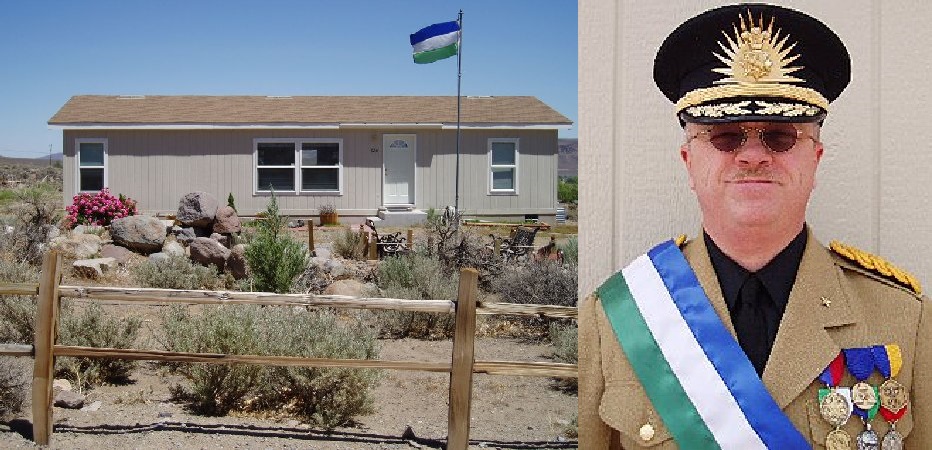
Molossia is one of the most colourful micronation founded by Kevin Baugh, a former U.S. military officer who has proclaimed himself as President and declared it as the Republic of Molossia in 1999. President Kevin Baugh is one of Molossia’s most recognizable figure who is mostly on world tour, giving media interviews, or making public appearances. He dresses in a military-style uniform with medals, sash, and peaked cap which symbolises his authority and ceremonial dignity as the head of state. Located on a private 1.3 acre residential land in Dayton, Nevada, Republic of Molossia claims to be a sovereign nation, separate from the United States—though this claim is not supported by international law. Still, it has its own flag, national anthem, time zone, customs regulations and currency (the Valora equal to the value of Pillsbury Chocolate Chip cookie dough). Molossia issues its own coins and banknotes which can be purchased (in limited quantities) by the collectors through the Bank of Molossia website. Molossia has its own space program, navy (consisting of inflatable boats in a pond), and a history of war with East Germany (it maintains that it is still at war). Although it is not legally recognized and is limited to Baugh’s private property, Molossia hosts diplomatic visits of other micronation leaders, maintains a strong online presence and is fiercely proud of its “independence.”
3. Grand Duchy of Westarctica
Founded: 2001 | Location: Marie Byrd Land, Antarctica
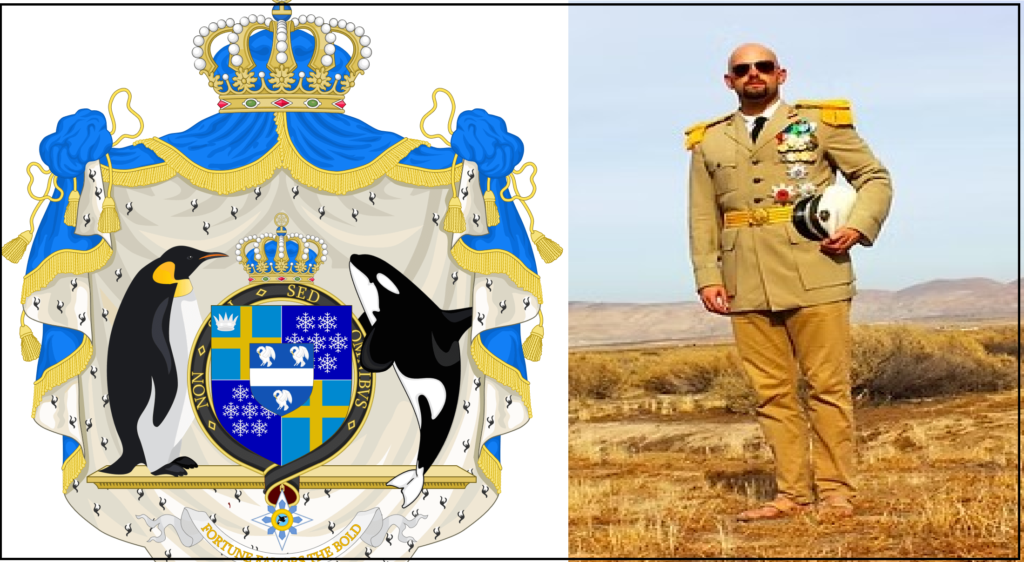
The Grand Duchy of Westarctica is an unrecognized micronation spread over 1.6 million km² (620,000 square miles) land in Antarctica between 90°W and 150°W longitude facing the Pacific Ocean side of the continent—making it one of the largest micronations. Westarctica has one of the largest unclaimed areas on planet Earth though none of this is inhabited or controlled in reality. It was founded in 2001 by Travis McHenry, a U.S. naval intelligence specialist by claiming Marie Byrd Land —named after the wife of an American explorer Admiral Richard E. Byrd who first explored the region in the 1920s and 1930s. It is a vast, remote, and largely unclaimed region of Antarctica, between the Ross Ice Shelf and the Amundsen Sea which is not claimed by any country because of the Antarctic Treaty System (1959), which has frozen all territorial claims and prohibits new ones to promote peaceful scientific cooperation. The region has glaciers, mountain ranges (like the Ford Ranges), and vast ice-covered plains which are largely uninhabited except for occasional scientific research teams. Marie Byrd Land is a real place with significant scientific value, geopolitical curiosity, and symbolic appeal for those interested in unclaimed or “terra nullius” regions of the world. In 2004, McHenry elevated Westarctica from a mere protectorate to a self-styled Grand Duchy with its national flag, constitution, foreign policy (albeit symbolic), nobility system, and currency (the Ice Mark) and assumed the title of Grand Duke. Although it has no physical infrastructure, Westarctica appoints ambassadors, and grants online citizenship. It claims to have around 2,300 citizens globally though none of them reside in Antarctica.
Also Read: What are Micronations and why they are not recognized by the UN and other nations?
4. Principality of Seborga
Founded (revived): 1963 | Location: Liguria, Italy
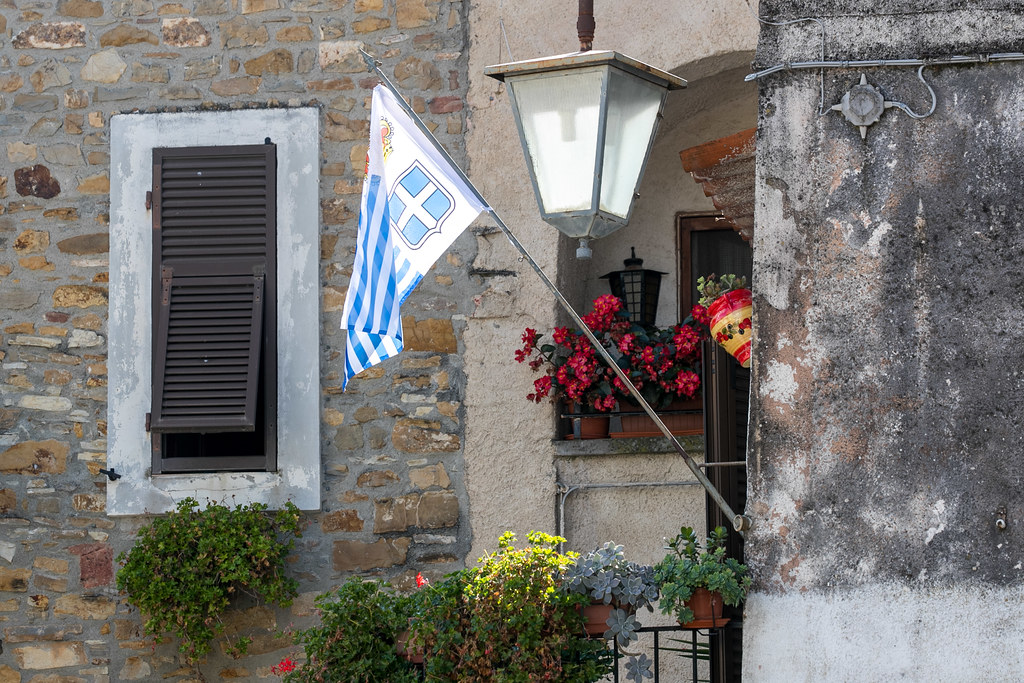
Tucked away in the hills of north-western Italy near the French border, Seborga an independent principality and real town with an area 14 square kilometers (approximately 5.4 square miles) and population of around 300–350 residents. It was never a part of Italy. Although not legally recognised, it has a ceremonial government, parliament and ministers. The town elects a symbolic prince and has its flag, stamps, and currency called the “Luigino.” Seborga follows Italian law but enthusiastically protects its micronational identity. It is one of the few micronations with physical infrastructure and community participation. According to legend in 1963, Giorgio Carbone, a local flower grower declared Seborga’s independence and proclaimed himself Prince Giorgio I, with his own royal guards. After Carbone’s death, the locals elected a new prince, continuing the tradition. The principality issues passports, license plates, and commemorative coins, although none are officially recognized.
5. Ladonia (Lodonia)
Founded: 1996 | Location: Kullaberg Nature Reserve, Sweden
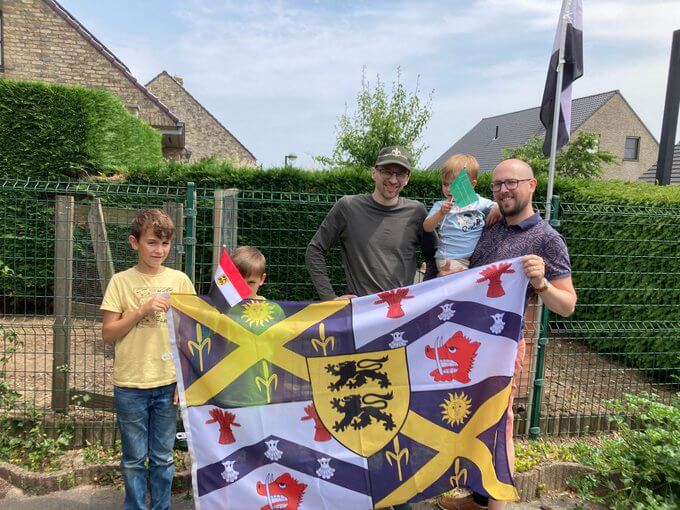
Ladonia is an unrecognized micronation with just 1 square kilometer of land along the coast of southern Sweden. It was founded by Lars Vilks a Swedish artist in 1996, as a sovereign nation after a legal dispute with Swedish authorities over unauthorised sculptures in a protected nature reserve. Ladonia today has a queen, Cabinet Ministers, and President who are elected online. Even though it does not have any houses, or permanent population, Lodonia has tens of thousands of registered “citizens” — from more than 100 countries. Citizenship is offered online through its website—for free—with the invitation to become part of a global community that values freedom of speech, artistic expression, and creative rebellion. Ladonia doesn’t claim traditional governance and thrives as a digital nation, supported by a network of volunteers and ideologues as a symbol of resistance against conformity. Its official language is Latin, and its currency is the Ortug.
6. Hutt River Province
Founded: 1970 | Location: Western Australia (ceased in 2020)
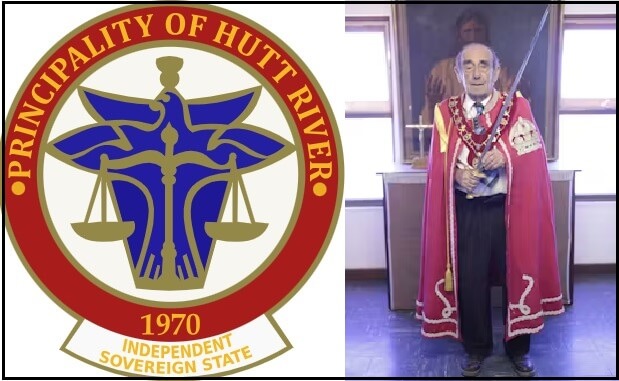
The Principality of Hutt River was a self-declared micronation located on a land area of 75 square kilometres (about 29 square miles) in the Mid-West region of Western Australia, about 517 kilometres north of Perth. It was founded on April 21, 1970, by Leonard George Casley, a wheat farmer who declared his property independent from Australia in protest against wheat quotas imposed by the Australian government. Casley invoked British common law and other legal theories to also proclaim himself as “Prince Leonard” and over time, started a micronation with its visa, currency (Hutt River Dollar, pegged to the Australian dollar), passport, stamps, license plates, and honorary titles. Although never recognised, it functioned semi-independently, and refused to pay Australian taxes. After Leonard’s death the principality was dissolved in 2020. The Principality of Hutt River is widely regarded as one of the longest-lasting and most elaborate micronations in history. Though unrecognized, it inspired other micronation projects and remains a notable example of protest through self-declared sovereignty.
7. Republic of Uzupis
Founded: 1997 | Location: Vilnius, Lithuania
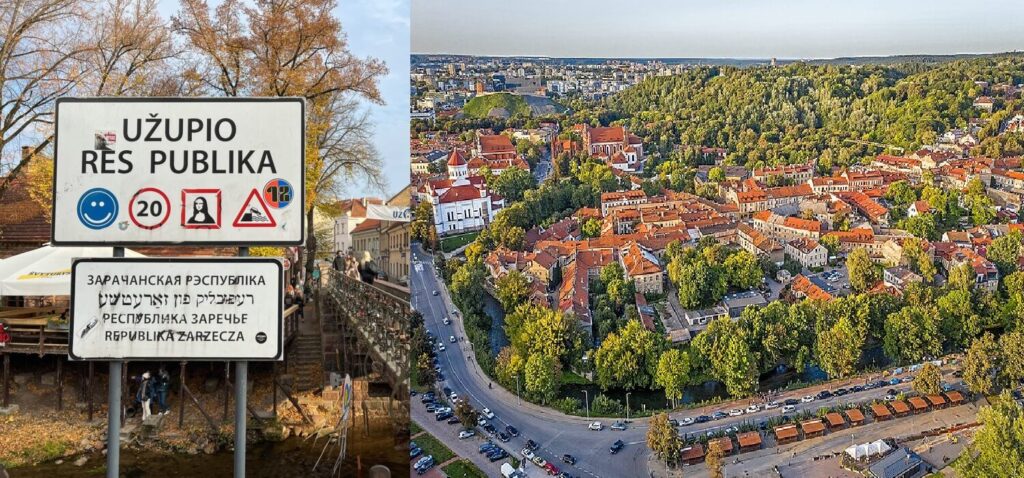
The Republic of Uzupis is a self-declared micronation located within the city of Vilnius, the capital of Lithuania. Uzupis emerged in the wake of Lithuanian independence from the Soviet Union in 1990. Once a neglected, semi-derelict district, Uzupis has transformed into a thriving cultural centre where abandoned buildings became art studios, and squatters became creators. Today, it has an area of approximately 0.6 square kilometres and population of around 7,000 residents, including artists, writers, and creative people. It was found by a group of local artists led by Romas Lileikis, a Lithuanian poet, musician, and filmmaker, who continues to serve as the President of Uzupis. Its flag has a hand with a hole in the centre, symbolising transparency and openness. Uzupis is known for its symbolic government, currency, and constitution that promotes freedom, creativity, and human rights. Some of the deeply philosophical yet humorous features in its Constitution include articles like:
“Everyone has the right to be happy.”
“Everyone has the right to make mistakes.”
“Everyone has the right to love and take care of the cat.”
“Everyone has the right to be unique.”
“Everyone has the right to die—but this is not an obligation.”
These articles reflect Uzupis’s core values: freedom, tolerance, self-expression, humour, and dignity. These constitutional postulates are translated into 23+ languages and posted publicly on Paupio Street. Uzupis has a president, ministers, and a small, peaceful and symbolic army of about 12 people, to disarm anyone with a smile. Uzupis is often compared to other artistic micronations like Ladonia (Sweden) or Christiania (Denmark) and celebrates its independence on April 1st (April Fools’ Day).
Also Read: What are Micronations and why they are not recognized by the UN and other nations?
8. Kingdom of Talossa
Founded: 1979 | Location: Milwaukee, USA (symbolic)
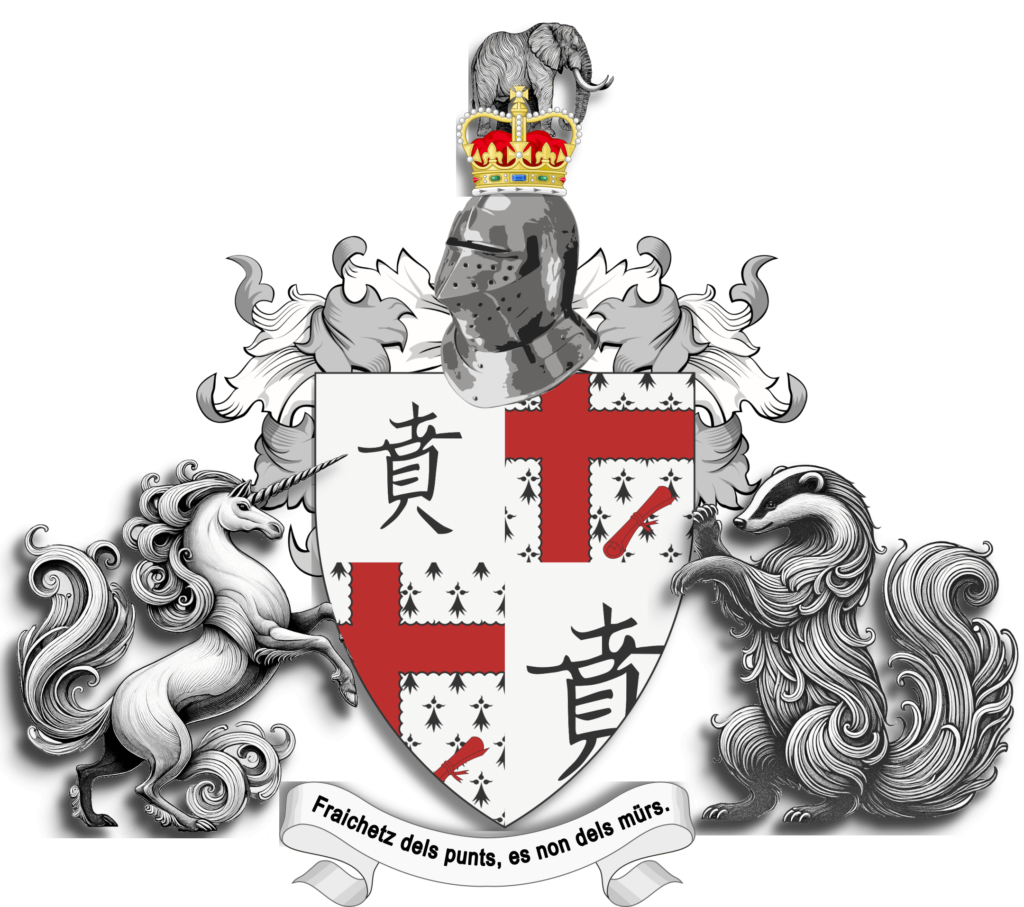
The Kingdom of Talossa is a self-declared micronation based in Milwaukee, Wisconsin, USA. It was found in 1979 by Robert Ben Madison a 14 years old in his bedroom as a whimsical nation-in-exile. Talossa in Finnish means “inside the house” reflecting its domestic origins. Talossa began as a creative project but gradually expanded into a fully-fledged fictional kingdom with laws, language, judiciary and political system. Robert later proclaimed himself as King Robert I. Talossa has since then evolved into one of the most elaborate, long-standing, and well-organised micronations in the world. Its citizenship is open to anyone who applies through the official Kingdom of Talossa website. There are currently around 200–300 active citizens worldwide. It has “provinces” but no physical territory. Talossa does not physically control any land and is not recognized by the U.S. government.
9. Free Republic of Liberland
Founded: 2015 | Location: Disputed land between Croatia and Serbia
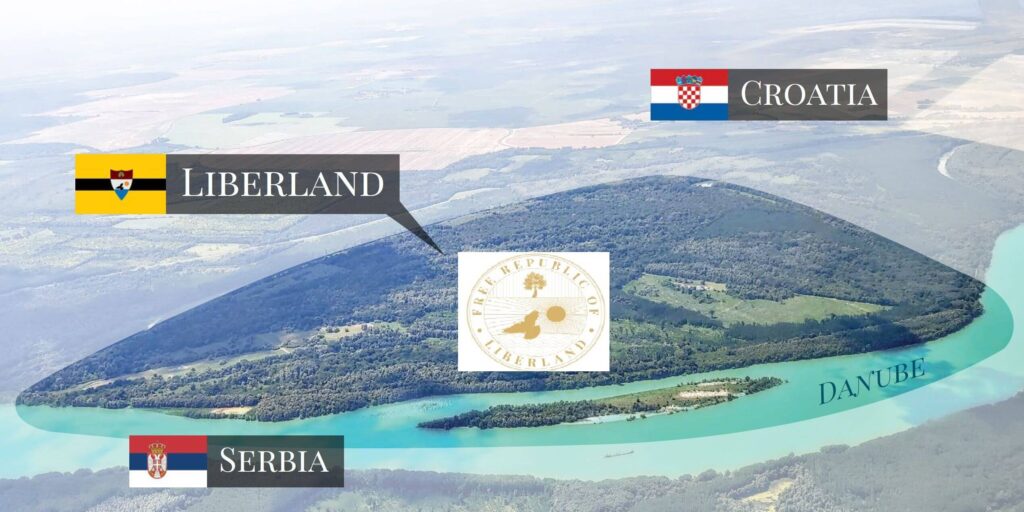
The Free Republic of Liberland is a self-proclaimed micronation located on a disputed parcel of 7 square kilometre (2.7 square miles) uninhabited and undeveloped land between Croatia and Serbia, on the western bank of the Danube River. It was founded in 2015 by Vít Jedlicka, a Czech economist and member of the Free Citizens’ Party who serves as its President. It is situated on a land known as Gornja Siga, which is claimed by neither Croatia nor Serbia due to ongoing border disputes resulting from the breakup of Yugoslavia. Jedlicka argued that this made the land terra nullius (“no man’s land”) and therefore open for sovereign claim. Liberland claims to be a constitutional republic with minimal government, low taxes, and emphasis on personal freedom. Its citizenship is open to all who respect individual liberty and are not extremists, communists, or convicted criminals. Over 700,000 people from across the world have reportedly applied for citizenship. Liberland has sent out diplomatic notes to over 190 countries but has received no formal recognition. It maintains a network of “representative offices” in various countries worldwide. But the problem is that the land itself is not under Liberland’s control, as Croatian border police maintain a presence and restricts access — occasionally detaining Jedlicka and his supporters for illegal border crossings. Serbia on the other hand does not oppose its claim, but also doesn’t recognise it.
10. Aerican Empire
Founded: 1987 | Location: Virtual (claims parts of Earth, Mars, and imaginary planets)
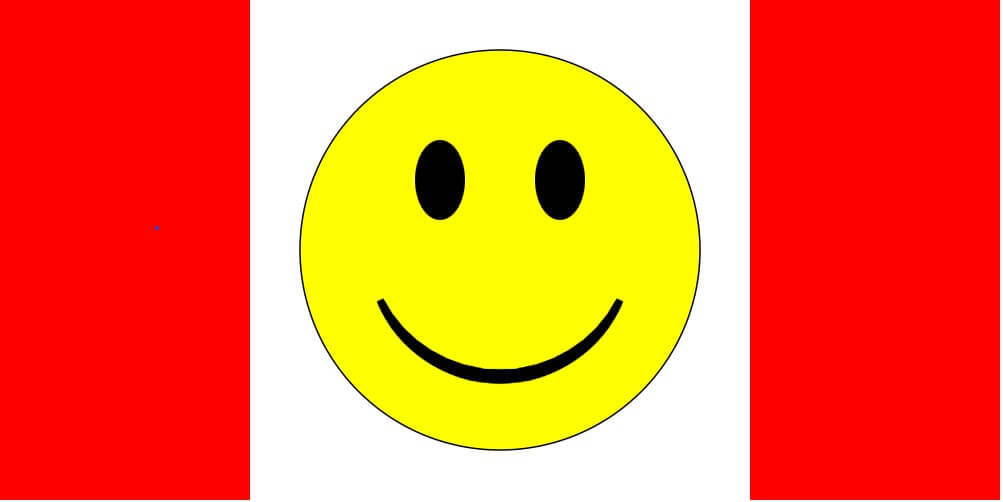
The Aerican Empire is one of the best-known conceptual or imaginary micronations in the world established by Eric Lis, a Canadian citizen and medical professional in 1997. Unlike traditional micronations that claim disputed or symbolic physical land, the Aerican Empire exists almost entirely in the realm of imagination. The Aerican Empire is not recognized by any state or international body, nor does it control any physical territory in a political or administrative sense. Instead, it humorously claims sovereignty over a diverse collection of fictional and abstract territories. These include parts of Mars, Pluto, and a circular piece of the Earth’s surface located at 0° latitude and 0° longitude in the Atlantic Ocean. The Aerican Empire (short for the Great Aerican Empire) was established initially as a joke among friends but evolved into a well-organized online micronation with its own constitution, cultural customs, and fictional territories. Aerica has its own calendar system with months and holidays, such as “Procrastinator’s Day” and “Chocolate Appreciation Day”. Everything about the Empire—from its ministries to its calendar—is designed to mimic the real governments while injecting satire and creativity. For instance, the Empire maintains whimsical ministries such as the Ministry of Silly Walks and the Department of Perpetual Motion. The Empire has a written constitution, an anthem, a national flag, and a legal framework, all crafted with a tone of ironic seriousness. Though imaginary in its geography, the Aerican Empire is very real in its purpose: to offer a space where imagination is sovereign, humour is honoured, and everyone has the right to be silly.
Conclusion
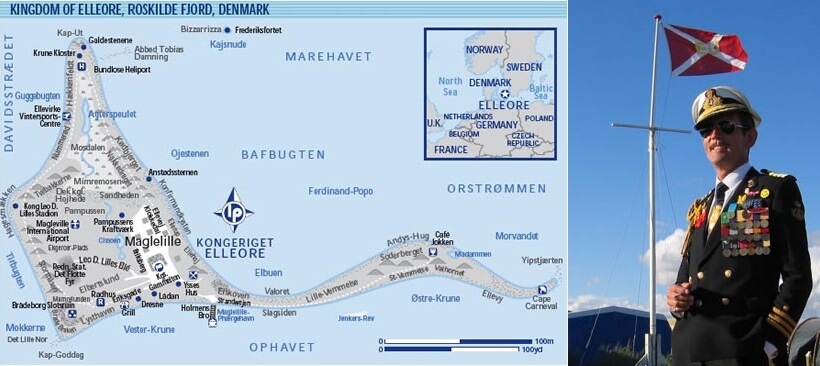
While most Micronations may never gain recognition from the United Nations or other countries, they remind us that the idea of a nation is not just about territory—it’s also about purpose, people, and belief.


[…] Also Read: A private nation of your own: unveiling the make-believe world of Micronations […]