

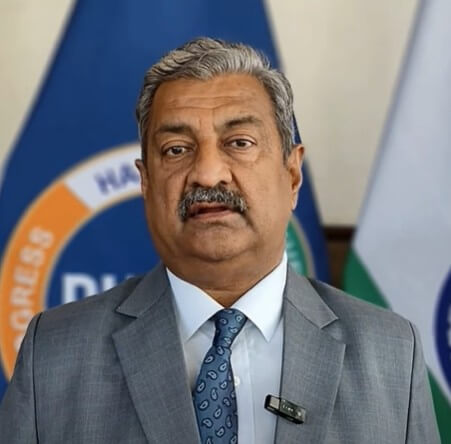
The reappointment of Chetan Sharma as Additional Solicitor General (ASG) for the Delhi High Court, approved by the Appointments Committee of the Cabinet, is more than a routine administrative order. It represents a renewed confidence in a seasoned advocate whose career has profoundly shaped India’s legal and policy landscape. With his tenure extended for six months beginning July 1, 2026, Sharma’s return underscores the government’s reliance on continuity, seasoned expertise, and credibility in its legal representation.
The Role of the Appointments Committee of the Cabinet
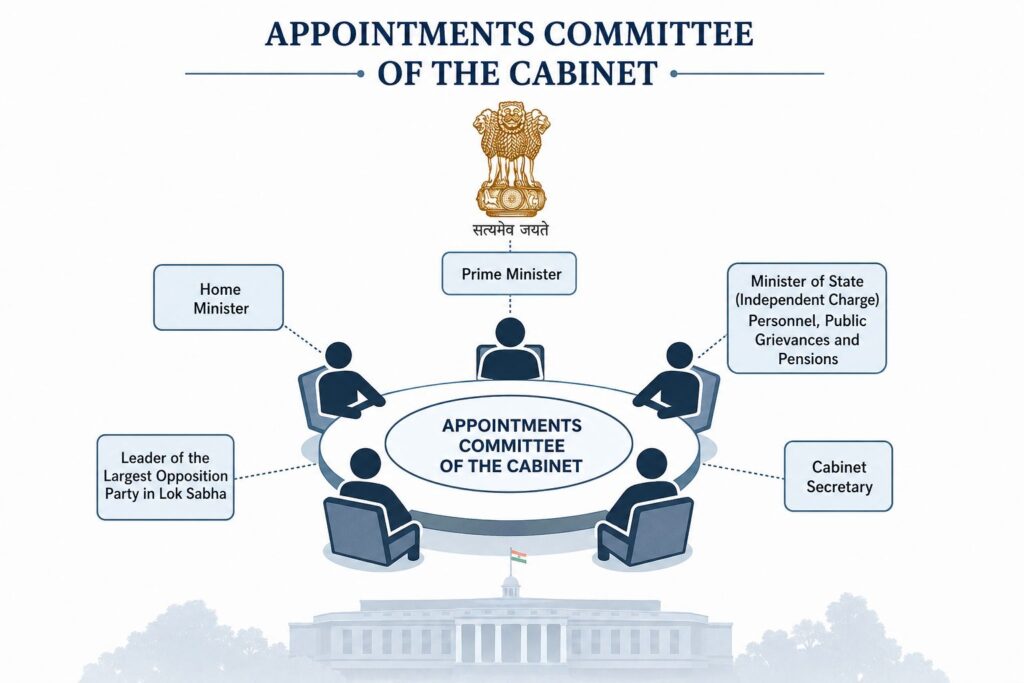
The ACC, chaired by the Prime Minister and including the Home Minister, is tasked with approving high‑level appointments across the government. Its decision to reappoint Sharma reflects a broader strategy of stability. Alongside him, the ACC extended the tenure of Solicitor General Tushar Mehta for three years and reappointed five ASGs for the Supreme Court. Collectively, these moves ensure that the Union’s legal team remains consistent and resilient at a time when the judiciary is grappling with cases of national importance.
Chetan Sharma: A Profile in Legal Excellence
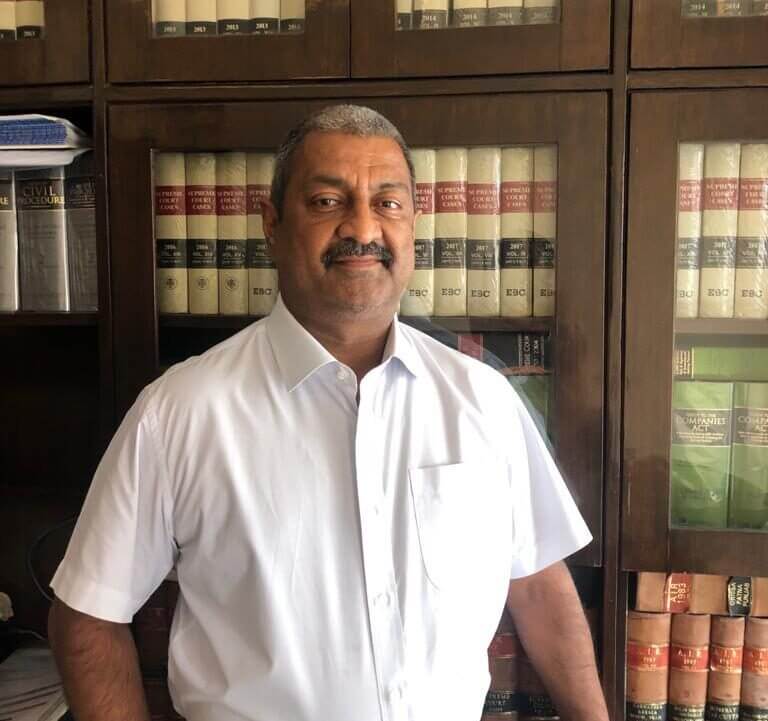
Sharma’s career spans decades of litigation. As a Senior Advocate, he has carved a niche in constitutional law, taxation, regulatory frameworks, and administrative law. His reputation rests on his ability to combine sharp legal reasoning with a nuanced understanding of public policy.
Over the years, Sharma has represented the Union Government in several landmark cases before the Delhi High Court. His advocacy has often shaped outcomes that directly influence governance, taxation, and regulatory structures. For the government, Sharma is not merely a lawyer but a strategist who anticipates challenges and crafts arguments that withstand judicial scrutiny.
Landmark Cases and Judicial Outcomes
Defending Freedom of Expression: Udaipur Files
In one of his most widely discussed cases, Sharma defended the Central Board of Film Certification (CBFC) in the clearance of the controversial film Udaipur Files. Appearing before the Delhi High Court, he argued that the Centre had acted within its statutory limits under the Cinematograph Act, stressing that the film had undergone a rigorous two‑stage review process, including 55 cuts and disclaimers.
The judicial outcome upheld the CBFC’s authority, reinforcing the principle that freedom of expression must coexist with legal oversight. The case became a touchstone for debates on censorship and artistic freedom, with Sharma’s arguments ensuring that regulatory decisions were respected without stifling creativity.
Regulating Technology: Telegram v. Union of India
Another landmark matter was Sharma’s representation of the Union Government in the Telegram case, which revolved around allegations of malpractice during the NEET UG 2026 examination. The messaging platform was accused of being misused to leak sensitive material.
Sharma, alongside Solicitor General Tushar Mehta, defended the government’s orders under Section 69A of the Information Technology Act, which empowers authorities to block platforms in cases of misuse. The Delhi High Court upheld the government’s intervention, recognizing the need to safeguard public examinations.
This case highlighted the growing intersection of technology, privacy, and regulation, with Sharma’s advocacy demonstrating how law must adapt to digital challenges without undermining public trust.
Criminal Law and Public Interest Litigation
Sharma has consistently engaged in public interest litigation and criminal law matters. In several cases, he argued against the automatic release of undertrial prisoners solely on the grounds of delay. His stance emphasised that while individual liberty is fundamental, it must be balanced against the seriousness of charges and the need for procedural integrity.
Judicial outcomes in these cases reinforced the principle that justice must be both fair and thorough, shaping jurisprudence on bail and trial delays. Sharma’s advocacy contributed to a balanced approach that respects liberty while safeguarding the integrity of the criminal justice system.
Constitutional Challenges and Policy Defence
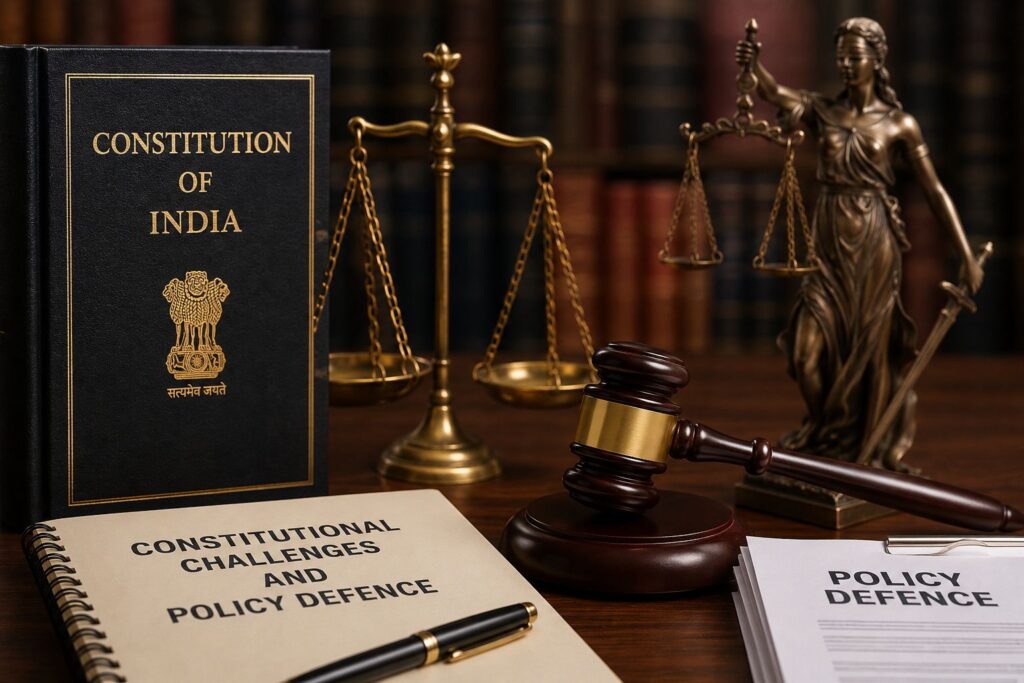
As ASG, Sharma has frequently defended the Union Government in constitutional challenges to taxation and regulatory measures. His expertise in administrative law and public policy proved critical in cases where government decisions were scrutinised for compliance with constitutional principles.
Judicial outcomes in these cases often upheld government policies, strengthening the Union’s legal position in high‑stakes litigation. Sharma’s ability to anticipate challenges and craft robust defences ensured that governance remained legally sound and strategically safeguarded.
Broader Implications for Governance

Sharma’s reappointment, along with other senior law officers, has implications that extend beyond the courtroom. For the judiciary, it means that cases involving the Union will be argued by experienced counsel, ensuring efficiency and reducing delays. For the executive, it provides confidence that its policies will be defended robustly. And for citizens, it means that decisions in high‑stakes cases—whether involving taxation, governance, or constitutional rights—will be shaped by seasoned advocates.
In essence, these appointments strengthen the legal architecture of governance, ensuring that the government’s positions are not only legally sound but also strategically safeguarded.
Challenges Ahead
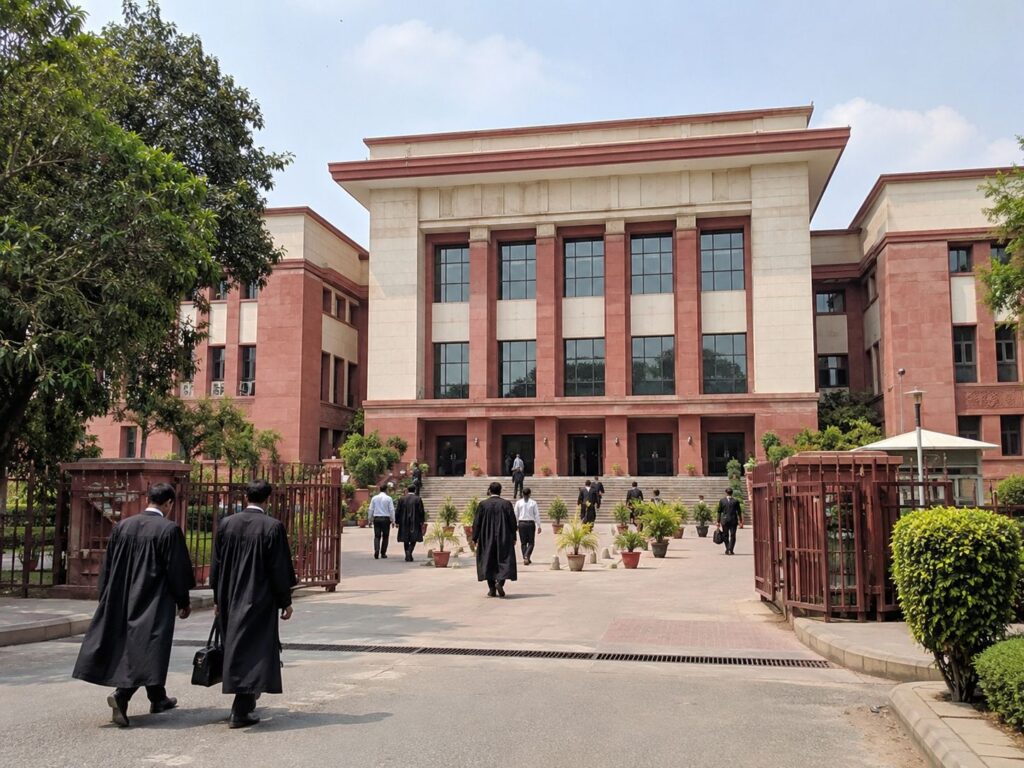
Sharma’s extended tenure comes at a time when the Delhi High Court is grappling with a heavy caseload. Issues ranging from constitutional interpretation to taxation disputes are expected to dominate the docket. Moreover, high‑profile cases often attract intense public and media scrutiny, requiring careful handling.
As ASG, Sharma will need to balance legal precision with public sensitivity. His ability to craft arguments that resonate with both judges, and the broader public will be tested repeatedly. Yet, given his track record, he is well‑positioned to meet these challenges head‑on.
Chronology of Landmark Cases
| Year/Period | Case/Focus | Judicial Outcome | Broader Implication |
| 1990s–2000s | Early constitutional and taxation disputes | Established reputation for precision | Built foundation for ASG role |
| 2010s | Udaipur Files censorship case | Upheld CBFC authority | Balanced freedom of expression with oversight |
| 2020s | Telegram misuse during NEET UG exam | Government’s blocking orders upheld | Shaped digital regulation under IT Act |
| 2020s | Criminal law and bail jurisprudence | Reinforced balance between liberty and due process | Influenced judicial thinking on trial delays |
| 2020s–2026 | Constitutional challenges to government policy | Policies upheld in court | Strengthened Union’s legal defence |
Career Highlights
- Senior Advocate Recognition: Established as a leading voice in constitutional and taxation law.
- Cinema Regulation: Defended CBFC in Udaipur Files, shaping debates on censorship and artistic freedom.
- Digital Regulation: Represented Union in Telegram case, reinforcing accountability in technology use.
- Criminal Law Advocacy: Influenced jurisprudence on bail and trial delays, balancing liberty with due process.
- Policy Defence: Safeguarded government taxation and regulatory measures against constitutional challenges.
- Reappointment as ASG: Reflects government’s confidence in his expertise and strategic foresight.
Conclusion

The reappointment of Chetan Sharma as Additional Solicitor General for the Delhi High Court is a reaffirmation of confidence, expertise, and continuity. His landmark cases—from defending controversial films to regulating digital platforms and reinforcing criminal law principles—demonstrate why the government values his presence.
As Sharma resumes his role, the Delhi High Court can expect arguments that are not only legally sound but also strategically crafted. His career is a reminder that in the complex interplay of law, policy, and public interest, experienced advocates remain indispensable.