

‘Papa Jaldi Aa Jana’ (Papa, come home soon)
Road accidents are the biggest man-made disaster of our time, killing more people each year than wars, terror attacks, or natural calamities. Globally, 1.19 million lives are lost annually, with road crashes now the leading cause of death among young people aged 5–29. Tens of millions more are maimed or crippled for life. The world bleeds $3.6 trillion every year in medical costs, lost productivity, and property damage.
India: Ground Zero of Road Carnage
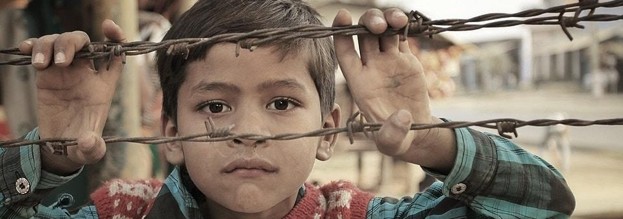
India stands at the epicentre of this crisis. In 2024, 177,175 Indians died in road accidents — that is nearly 485 funerals every single day. In 2025, the toll again crossed 1.6 lakh deaths. Each day begins with journeys to work, school, or home, but too many end in tragedy, with families waiting for loved ones who never return.
India records 4.8–4.9 lakh crashes annually, with over-speeding responsible for nearly 70% of deaths. Over 4.5 lakh injuries leave victims disabled or scarred for life. On national highways, six people die every hour. Property damage runs into billions, but the true cost is measured in broken families and shattered futures.
Road Accidents India’s Enemy No.1
During World War I – 74,187 Indian soldiers (in the British Army) were killed or missing in action. Subsequently 87,000 Indian soldiers died, and many were taken prisoners during World War II. Even today, 160,000 of these gallant Indian soldiers who participated in the two World Wars under the alien flag are buried across 60 countries abroad.

Even in post Independent India – 1,104 soldiers died and 3,152 were wounded – in 1947. Around 1,383 Indian soldiers were killed, 1,047 wounded, 1,696 missing, and 3,968 were captured in 1962. Moving on Indian army suffered 2902 casualties in the 1965 war which lasted 17 days. Once again 3630 Indian soldiers laid down their lives and 9856 were wounded but Pakistan lost half its Navy, a quarter of its Air Force and a third of its Army and 93,000 Pakistani soldiers were taken Prisoner of war during the 1971 war.

Even in the so-called peacetime, close to 1200 soldiers lost their lives and several thousand were wounded in IPKF operations in Sri Lanka. Over 500 soldiers laid down their lives in Kargil. Even today 1000s of Army jawans are getting killed or wounded due to routine firing by Pakistan in Siachin, Line of Control LoC, or counter-insurgency operations in Jammu and Kashmir and Northeast.
Lesson learned: threat to India– is not always from an external source. Road Accidents are a ‘hidden’ enemy which poses a serious and continuous threat from within.
Road accidents are an enemy that makes India bleed without a war!!
The Human Cost
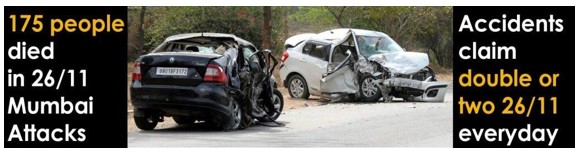
In Delhi alone, 1,551 lives were lost in 2024, with more than 5,200 injured. Hit-and-run cases claimed 34,030 lives nationwide — nearly one-fifth of all road fatalities. Many victims are young adults aged 18–35, India’s most productive generation.
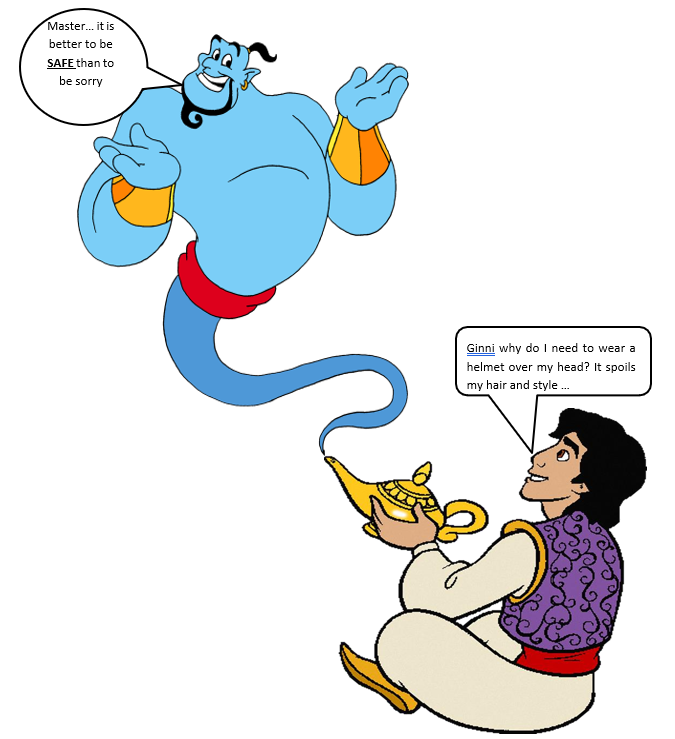
Motorcyclists, accounting for about 28% of deaths, and pedestrians, about 23%, are among the most vulnerable road users. A proper helmet can improve the chances of survival by 42% and prevent 69% of injuries, yet negligence continues to kill.
Likewise, a seatbelt can reduce the risk of death for drivers and front-seat occupants by 45–50% and reduce the risk of death and serious injuries among rear-seat occupants by 25%.
Accidents don’t ask for your name, profession, or social status before destroying your life. They strike indiscriminately, leaving children orphaned, families destitute, and communities destabilised.
Why Drive Safe India? Prevention Is Possible
Because this is not fate — it is choice. Unlike earthquakes or floods, road accidents are largely preventable. They happen because of human decisions: over-speeding, drunk driving, mobile distraction, ignoring helmets and seatbelts, poor road behaviour, and lack of enforcement. Every crash is a decision gone wrong.
The Drive Safe India campaign aims to spread awareness, prevent accidents, mitigate loss, and make roads safer for drivers, riders, passengers, and pedestrians alike. The project envisions an India where mobility is disciplined, empathy guides every journey, and injuries do not automatically mean death.
Cause for Concern
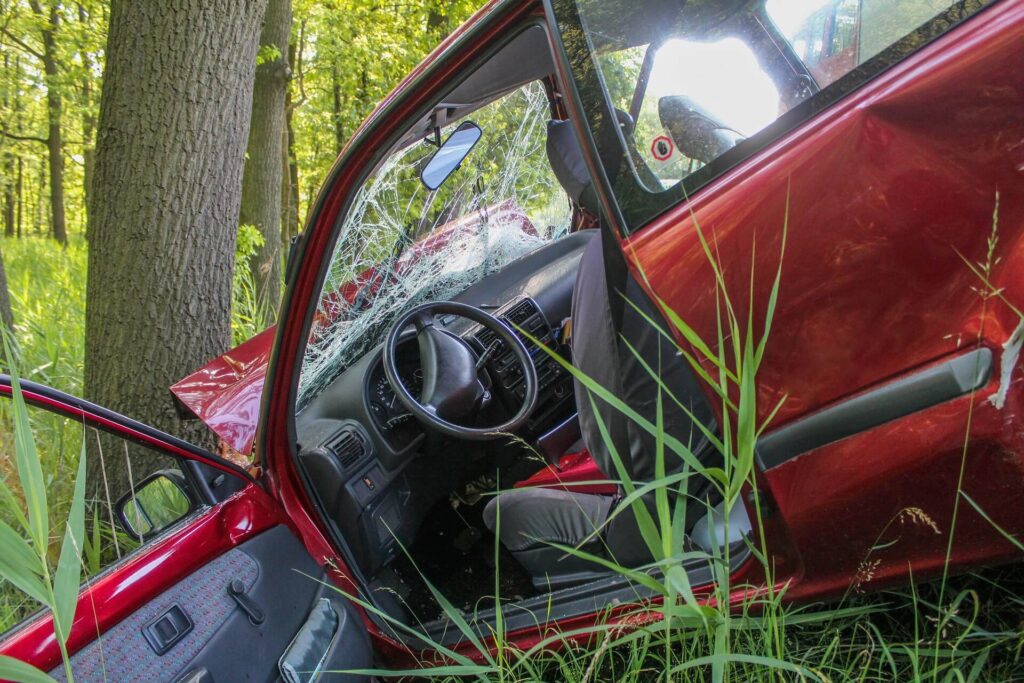
Accidents don’t always happen to others. We and our loved ones walk on roads, drive personal vehicles, or use public transport every day. This means that every single day, we are exposed to life-threatening situations on the road.
Accidents do not only harm drivers. Passengers, pedestrians, and bystanders — those who often have no control over the situation — also pay the price.
Most accidents are preventable. That is why we need to improve awareness and change the mindset of people, so that they drive safe and walk safe — for their own safety and for the safety of others.
Aim of Drive Safe India
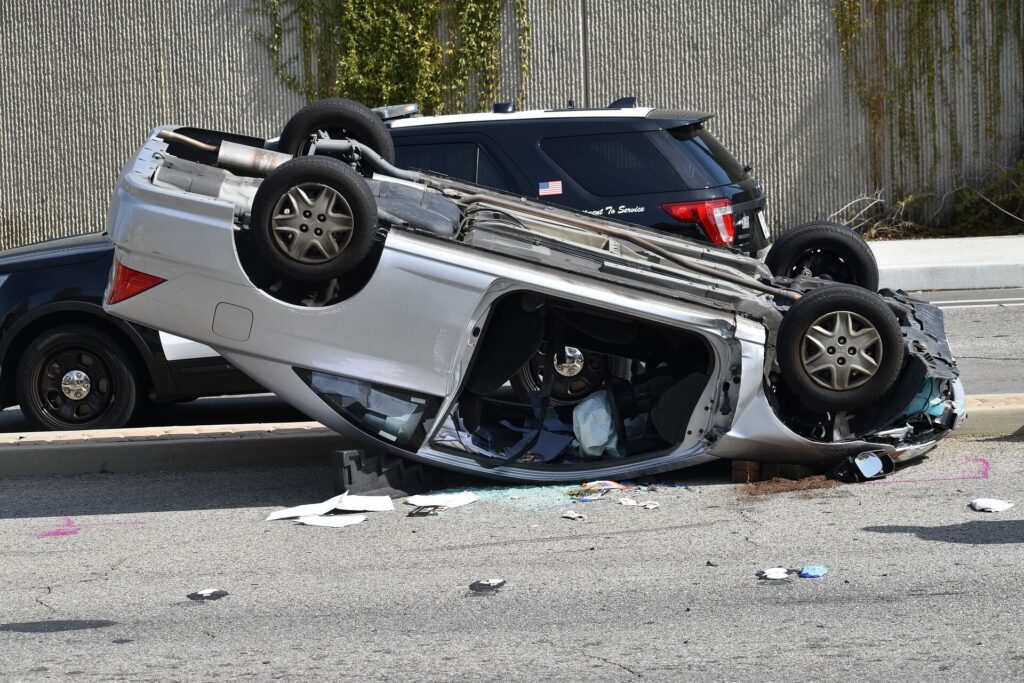
The objective behind Drive Safe India is to:
- Spread awareness about road risks and responsibilities.
- Prevent accidents through education, discipline, and enforcement.
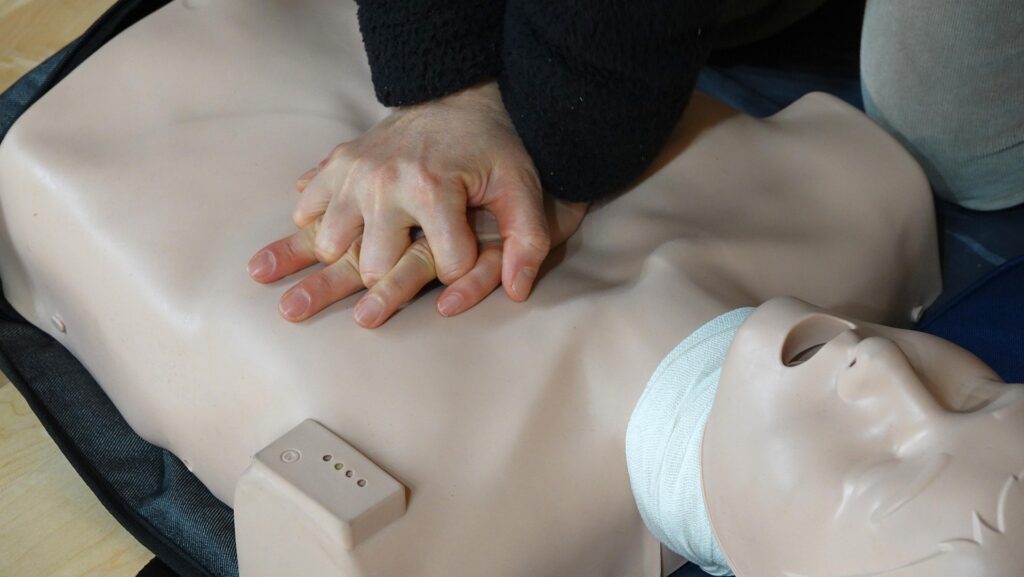
- Mitigate loss by promoting helmets, seatbelts, first response, and emergency support.
- Make roads safer for people travelling both inside and outside a vehicle.
- Create an ecosystem where injuries do not lead to sure and certain death.
The campaign seeks to build a national road safety movement through an integrated multi-media awareness campaign, social media engagement, driver training, vehicle maintenance awareness, legal and emotional support to accident victims, timely compensation and insurance assistance, and an all-India toll-free number for roadside assistance — 24×7, 365 days a year.
Three Probabilities We Must Not Ignore
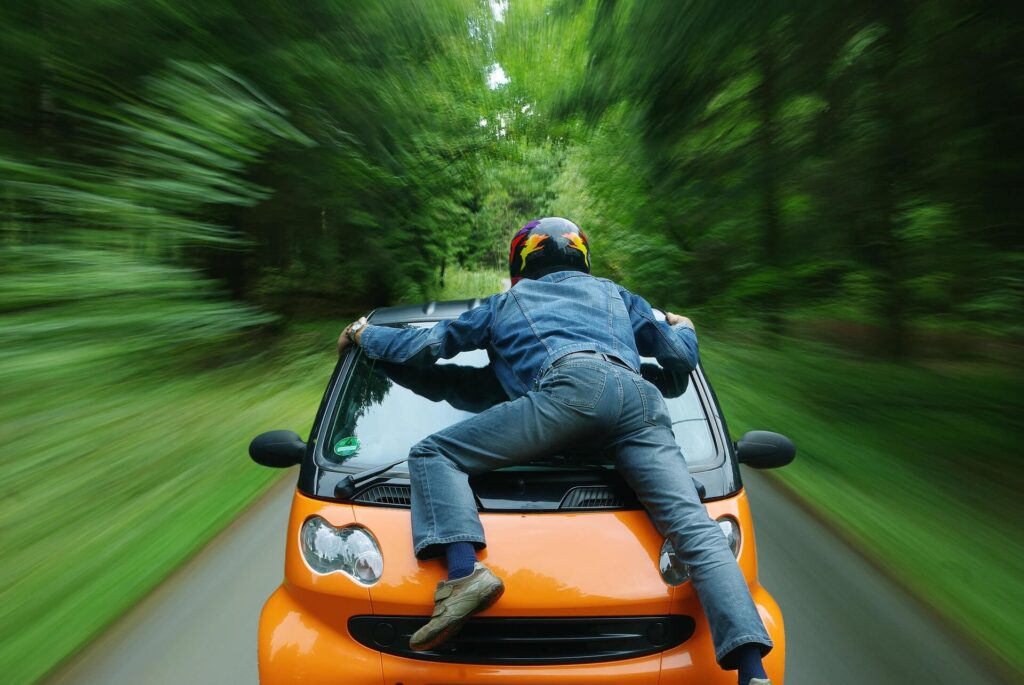
Let us examine three possibilities.
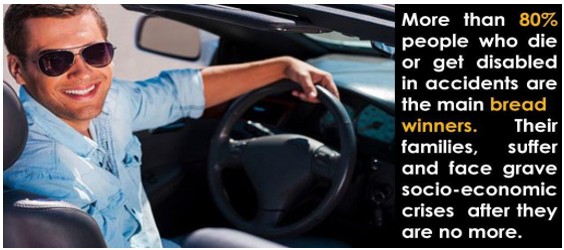
First, uniformed force personnel — from the Armed Forces, Police, or Paramilitary — is killed or disabled either on duty or while on leave. This is a huge loss to the organisation that trained the individual over many years and loses him at the most productive phase of life. The organisation loses a trained human resource and asset, while the family loses its breadwinner. It is a loss to the nation.
Second, the next of kin — a family member, friend, or relative of uniformed personnel — is involved in an accident. This may lead to a situation where the official is physically present on duty but emotionally disturbed and absent-minded. Even this becomes a serious loss for the individual, the family, the organisation, and the nation.
Third, a civilian meets with an accident. This too is a loss to the nation, because every citizen has a role to play in nation-building.
Accidents are a never-ending horror story. Either we stop them, or they will continue to destroy lives and families.
Noteworthy Features of the Drive Safe India Campaign
Some of the noteworthy features of the Drive Safe India campaign may include:
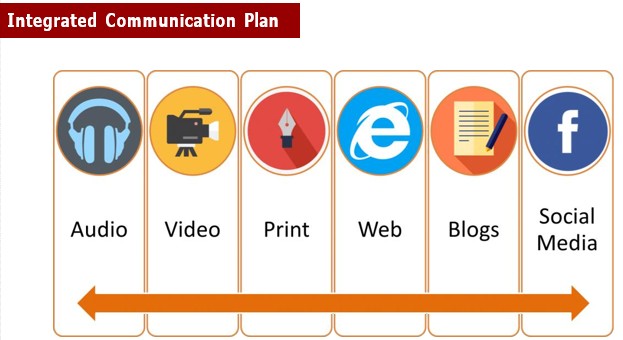
- An integrated multi-media awareness campaign to prevent road accidents by correcting attitudes and behaviour, including drunken driving and deliberately not wearing helmets or seatbelts.
- A social media campaign for public participation and mass awareness.
- “Drive Safe, Arrive Safe” driver training and vehicle maintenance theory and practical modules.
- Legal and emotional support to help road accident victims get adequate and timely compensation and insurance claims.
- Road Safety Brand Ambassadors from cinema, sports, or other public fields to promote safe road behaviour.
- An all-India toll-free number for roadside assistance — 24×7, 365 days a year.
- On demand 24x7x365 air, train, or road ambulance services fitted with high-tech emergency equipment for transporting critical patients from one city to another across India.
- Motorcycle ambulances — emergency vehicles driven by paramedics or first responders, with a harness or sidecar for transporting patients. Such ambulances are popular in Germany, Israel, Brazil, Belgrade, and South Africa, and can respond faster than vans in heavy traffic.
Call to Action
This is not only about fines or rules — it is about survival. Policymakers must enforce stricter laws and invest in safer infrastructure. Communities must share survivor stories to humanise statistics. Individuals must commit to safe driving practices: obey speed limits, wear helmets and seatbelts, and never drink or text while driving.
India cannot afford to lose its future workforce, its families, and its dreams to preventable crashes. Road safety is not optional — it is the difference between life and death.
Accidents don’t ask anyone’s name, social status, or profession before ruining their life or the lives of their dependants. Most accidents are preventable. That is why we must improve awareness, change mindsets, and make people drive safe and walk safe — for our own safety and for the safety of others.
Road safety is not optional. It is survival.
Drive Safe India awareness video: Drive Safe India


Saw the video. Nice
1.Great initiative.
2. Drive Safe India!! would enhance the moto and make the message stronger
3. Campaign should be in Hindi also.
4. The document should lay down the expectations of the campaign from the individuals who pledge to join it. For example physical presence at events, participation in seminars and webinars, Contribute via writing, donation etc etc.
5.The campaign should clearly highlight which agency or agencies are behind the campaign.
6.Any targets? Say reaching out to 1 mn people via media and SM campaigns.
7. Funding will be an issue so please find the right sponsors, like motorbike mfrs, tyre mfrs, card and truck mfr, helmet mfrs, police, ministries, etc etc.
I noticed that Ministry of Surface Transport is not a partner. Or did I miss that? I remember reading somewhere that Nitin Gadkari was a proponent of safe driving and obeying traffic rules. Have they been approached to be sponsors of this campaign?
Also I don’t see any ads of Drive Safe on platforms… Is it possible to approach Ministry of I&B to push this campaign (shorter version) on Broadcast channels and OTTs?
After Cleanness Drive and ODF, Road Safety is the most important aspect India needs to address.
Air/Train accidents take the centre stage but road accidents go un-noticed even though the no of road accidents and lives lost are mammoth.
Dust in the form of particulate pollution is bigger urban menace than gaseous pollution as now vehicular emissions have reduced minimally due to BS-VI emission norms.
It starts from road designs, abolishing the signal lights, decongesting the roads, improving the urban road infrastructure, no shops/ markets on the roads in urban areas, no encroachments-3 feet, 5 feet, and 7 feet rule along District, State and National Highways.
Master Plan for each city, following Chandigarh model for urbanisation, integrated road transport system for Heavy & Light vehicles, separate for Motor Bikes, cycling and pedestrians. AI based speed control, more rewards than punitive measures for road users.
Educating Citizens, mandatory School textbooks inclusion.
Training of experts from foreign countries.
Let PM address the issue as a national mission.
Haphazard ideas but can be compiled suitable for which you are an expert.
This is a very important initiative you have undertaken
The scale is massive with too many variables. Need to understand our reach and bandwidth to say anything further. Better cap for the meeting of the team of advisors you had constituted and deliberate jointly.
Thanks Neeraj. This piece be widely circulated to create awareness
China has solved drunk driving problem. Now you can drink as much as you like and safely get home
https://youtube.com/shorts/cD5QAft_vHU
This is an excellent idea. Road accidents are menace worldwide. India particularly has a larger share of this menace may be because of the huge population, crowded roads, road conditions, crazy driving, poor enforcement, corruption, vehicles as status symbol and violations with no penalty are the societal standard. This campaign will contribute to the road safety to a large extent. Only spreading awareness to the people and involving youths in this can make it a success. Road accident is the second biggest cause of unnatural deaths after the suicide. And the most of the victims are upto the age of 30 yrs. It’s a very good initiative for the social cause. You deserve a big applause for this campaign. Regards.
Thank you for sharing the concept note for Drive Safe India and the accompanying article from Taazakhabar News. This is an incredibly well-researched, high-impact, and deeply moving initiative that addresses what is undeniably India’s most silent yet devastating man-made crisis.
The statistics you compiled – particularly the reality of 485 daily funerals and the fact that over 55% of victims belong to our peak productive workforce (ages 18-35) – provide an undeniable, urgent call to action.
Please find below my specific comments, observations, and recommendations on the clips:
Key Strengths of the Concept Note & Article:
1. Humanising the Statistics: The framing that “accidents don’t ask for your name or social status” effectively cuts through typical bureaucratic reading. It forces the reader to realise that this affects everyone intimately.
2. The “Three Probabilities” Framework: Segmenting the loss across uniformed forces, their dependents, and civilians is a brilliant conceptual angle. It underscores that road safety directly impacts national security and organisational readiness, making it highly appealing to institutional partners.
3. Actionable Logistics: Transitioning from “awareness” to “infrastructure” (such as the 24/7 roadside assistance, motorcycle ambulances, and legal/ insurance support cells) ensures the campaign provides real, practical utility rather than just slogans.
4. Strong Coalition Base: Securing the support/ alignment of entities like MoRTH, CSIR, the Indian Medical Association, and major transport unions (BOCI, ITTA) provides massive execution credibility right out of the gate.
Overall, this is a masterful and necessary initiative. I fully endorse the vision of leaving behind a “happier world with millions of smiles every mile”.
The article is a good eye opener to get people to think about this issue. We need to brainstorm and arrive at some final issues that need to be addressed and are the weak points in the chain like improper implementation of rules, sensitization to following speed limits, wrong side driving etc etc and then promote those in our communication messages. That is what will get us to plan our program.
There are many things related to the psychology and mindset of people that need to be dealt with. We need to address those.
Well done. Hope, they listen to what you suggest. A timely intervention indeed. My appreciation
The concept note is very comprehensive and tightly framed. Compliments.
Recommend, you pitch this for the MANN KI BAAT by the PM and also simultaneously send the Concept Note to the PMO and MORTH.
Also, in the Armed Forces you could pitch it to the CDS and to the Provost Marshal (head of the CMP). All the very best
Children should learn road safety, first aid, and responsible road behavior from an early age. Safety culture must begin before people become drivers.
The issue is not only about reckless driving. It is a combination of poor road engineering, inadequate driver training, weak enforcement of traffic laws, unsafe vehicles, lack of pedestrian infrastructure, and delayed emergency response systems.
I agree
Neeraj, you have rightly brought out that road accidents are a never ending horror story. It will require concerted efforts at national level, while using all the tools listed by you, along with AI, to make a dent and reduce the number of accidents. The Govt needs to earmark one calendar year as the Year for Prevention of Road Accidents wherein well planned Road safety campaigns are executed pan India.