

The Great Demographic Flip
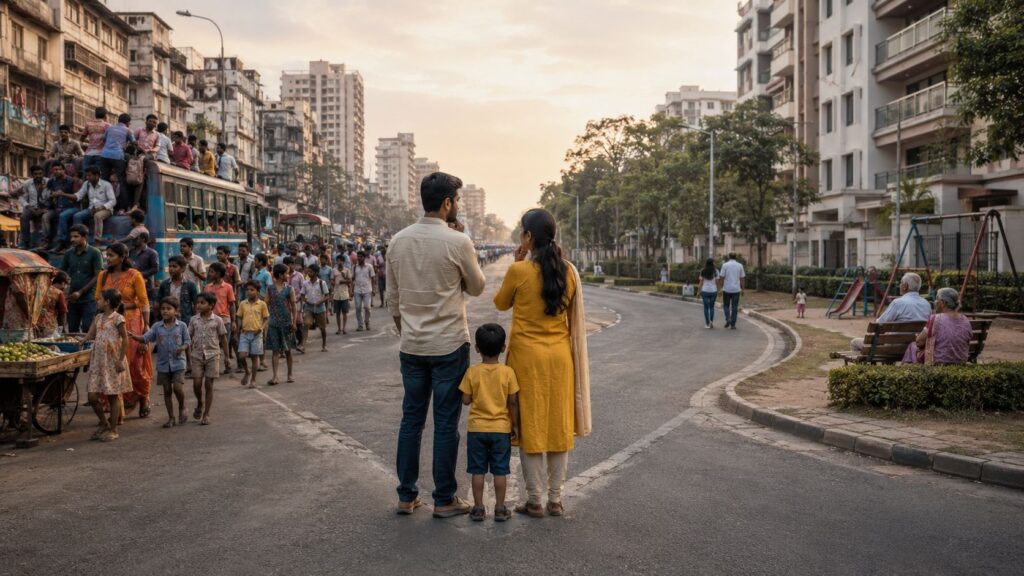
In present times, India is deeply concerned about the pattern of population growth over the past few decades and the trends projected for the future. The consequences of past strategies — family planning, education policies, LPG reforms, economic growth, employment schemes, BPL support, health care and immunization — have shaped prosperity and wellbeing in many ways, some good and some not so good.
Strategies once seen as promising for demographic development now appear less reassuring, raising concern among planners. Recent discussions highlight:
- Shift in fear: For decades, India’s biggest demographic worry was too many people. Today, the concern is too few.
- Declining fertility: Driven by girls’ education, the decline of joint families, and changing aspirations.
- Single child norm: Economic reasons and practicality push families toward one child.
- India is ageing: The story is no longer about births, but about who will support the elderly.
- Workforce composition: The share of working-age population, gender ratios, and migration patterns are critical.
Numbers alone don’t tell the full story. Societal, cultural, family, and community trends must also be recognized.
Declining Fertility, Smaller Families

Family planning programmes of the 1960s successfully reduced fertility rates. But smaller families changed parenting. With one or two children, parents raised them as cottonwool babies — overprotected, pampered, and indulged.
This gave rise to pester power, where children dictate choices at home and even influence markets. Sociologically, this has created generations less adaptable, less sensitive, and more self-centric. At workplaces, these youngsters often underperform, resist criticism, and wield resignation as their ultimate weapon.
Technology widened the gap further. Parents leaned on children for digital know-how, inadvertently granting them authority and rigidity.
Changing Aspirations: The Economy of Plenty

Economic progress brought abundance. Luxuries and status symbols became markers of success. Families, chasing material aspirations, found raising one child more practical.
With joint families fading, parents rely on material comforts to keep children happy. Every demand is met instantly, boosting parental egos but eroding children’s sense of responsibility. As adults, they often lack motivation to work hard, struggle with stress, and fail to develop decision-making skills.
India is Ageing: Who Will Carry the Baton?

India’s ageing population raises pressing concerns:
- Will the younger generation support their parents?
- Will they manage family affairs — finances, investments, properties, and legal responsibilities?
Accustomed to spending and splurging, will they conserve wealth or fritter it away? The demographic issue is not just about numbers but about capability and responsibility.
Beyond Numbers: The Real Takeaway
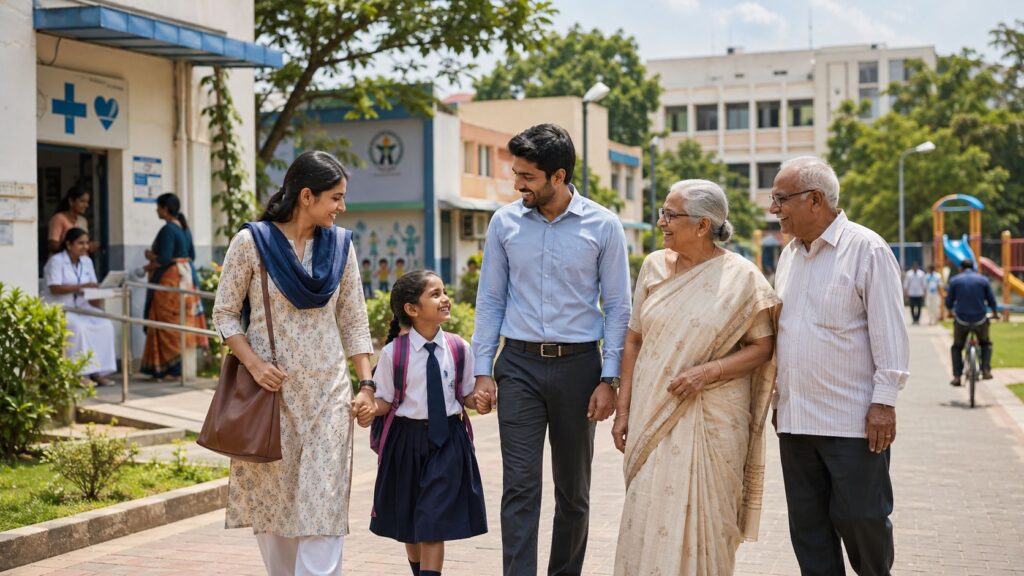
Statistics highlight the demographic shift. But the deeper malaise lies in upbringing, aspirations, and social conditioning. As members of society — and as marketers, employers, business leaders, and decision-makers — we must recognize these qualitative changes.
India stands at a demographic crossroads. The question is not just how many people we have, but what kind of people we are raising.