
The dispute over Jammu and Kashmir is not merely a territorial disagreement; it is a contest over history, legality, identity and strategic geography
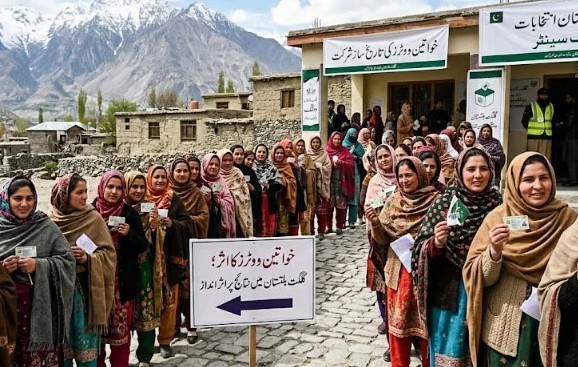
The announcement and conduct of elections in Gilgit-Baltistan invariably trigger sharp reactions from New Delhi. India’s protest against electoral exercises in the region is neither symbolic nor routine diplomacy. It stems from a long-standing legal and political position that Gilgit-Baltistan is an integral part of the former princely state of Jammu and Kashmir and therefore belongs to India. Whenever Pakistan undertakes administrative reforms, constitutional changes, or electoral processes in the region, India views such actions as attempts to alter the status of territory that remains under what it describes as Pakistan’s “illegal occupation.”
The controversy surrounding Gilgit-Baltistan elections therefore extends far beyond local politics. It is deeply intertwined with the history of Partition, the first Indo-Pakistani war, competing interpretations of international law, China’s growing presence in the region, and the broader Kashmir dispute that has shaped South Asian geopolitics for nearly eight decades.
To understand India’s objections, it is essential to first appreciate the strategic and historical significance of Gilgit-Baltistan.
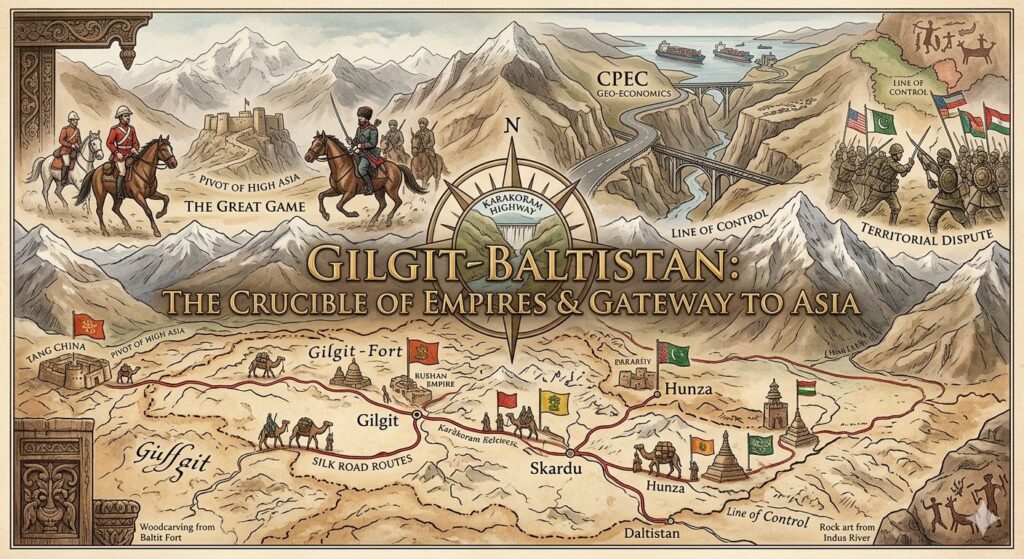
Nestled among some of the world’s highest mountain ranges—the Karakoram, Himalayas and Hindu Kush—Gilgit-Baltistan occupies a unique geopolitical position. It shares borders with Afghanistan, China, and Pakistan while lying adjacent to the Indian Union Territory of Ladakh. The region encompasses critical mountain passes and forms the gateway connecting Pakistan with western China through the Karakoram Highway and the China-Pakistan Economic Corridor (CPEC).
This strategic geography has transformed Gilgit-Baltistan from a remote mountainous frontier into one of Asia’s most consequential territories. Whoever controls the region gains access to vital communication routes linking South Asia, Central Asia and western China.
Genesis of the Dispute
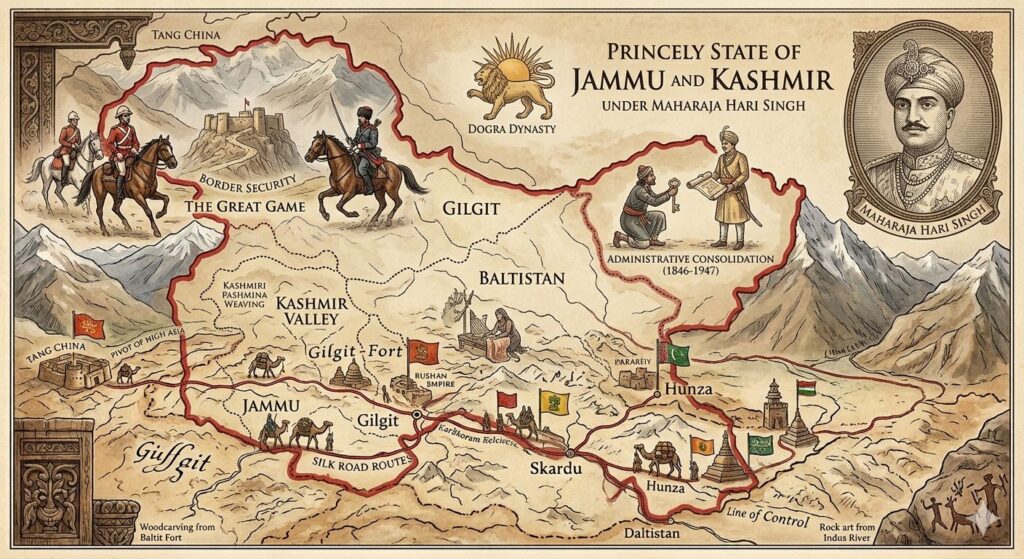
The roots of the dispute stretch back to 1947. Prior to Partition, Gilgit-Baltistan formed part of the princely state of Jammu and Kashmir ruled by Maharaja Hari Singh. Although the British had leased parts of the Gilgit region for strategic reasons, sovereignty remained with the princely state. As British rule ended and India and Pakistan emerged as independent states, princely rulers were given the option to accede either to India or Pakistan.
Initially, Maharaja Hari Singh attempted to remain independent. However, the tribal invasion from Pakistan in October 1947 dramatically altered the situation. Facing military collapse, the Maharaja signed the Instrument of Accession to India on 26 October 1947. India accepted the accession and deployed troops to defend the state.
For India, this legal act remains the cornerstone of its position. New Delhi argues that the accession covered the entire princely state, including Gilgit-Baltistan. Consequently, India maintains that all territories of the former state legally became part of India.
The Narrative of Pakistan
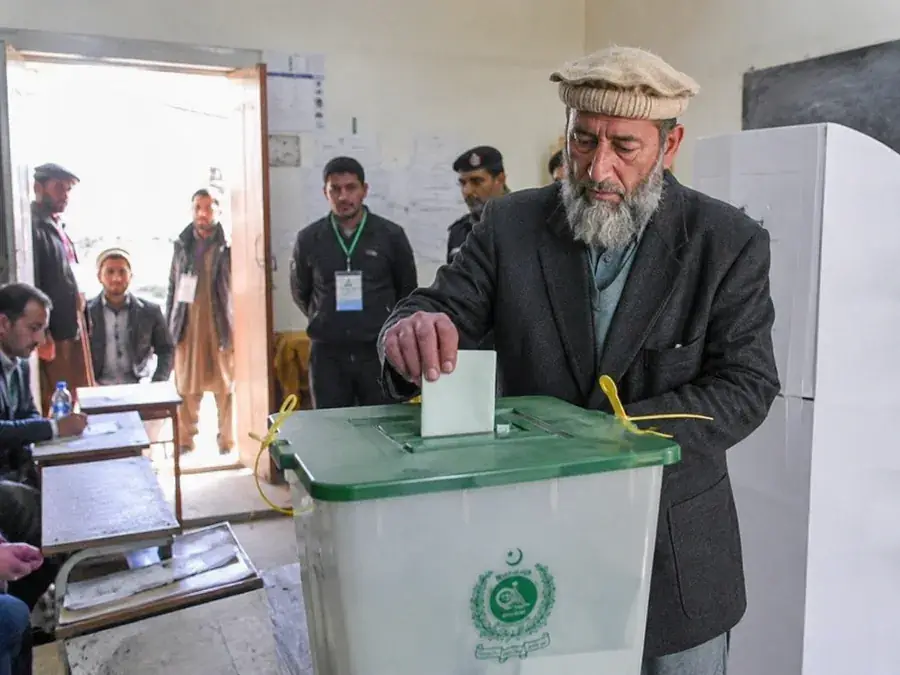
Pakistan, however, presents a different narrative. Islamabad argues that the people of the region overwhelmingly rejected the Maharaja’s authority and aligned themselves with Pakistan during the conflict. It maintains that the aspirations of the local population and subsequent political developments justify Pakistan’s administration of the territory.
The first Indo-Pakistani war ended with a United Nations-sponsored ceasefire in 1949. The ceasefire line divided the former princely state between territories controlled by India and territories controlled by Pakistan. Gilgit-Baltistan remained under Pakistani administration.
Yet Pakistan did not formally integrate Gilgit-Baltistan into its constitutional structure for decades. The region occupied an unusual status. Unlike Pakistan’s provinces, it lacked full constitutional representation. Successive governments administered it through executive arrangements while avoiding outright annexation, partly because of the unresolved status of the Kashmir dispute.
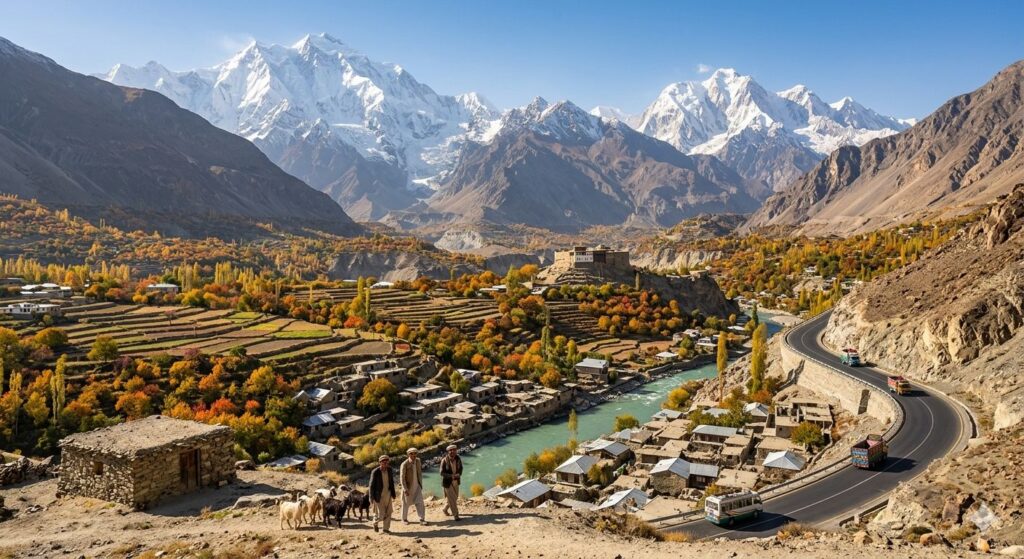
This ambiguity produced a governance paradox. Pakistan exercised effective control over Gilgit-Baltistan but hesitated to grant it complete provincial status, fearing that such a move might undermine its diplomatic position on Kashmir. Over time, however, demands from local residents for greater political rights intensified. The people of Gilgit-Baltistan sought representation, constitutional protections and a stronger voice in governance. Islamabad responded with gradual reforms.
The creation of legislative institutions, local assemblies and governance structures was presented by Pakistan as an effort to empower residents and improve administration. Elections became a central component of this process.
India’s Objections to Elections
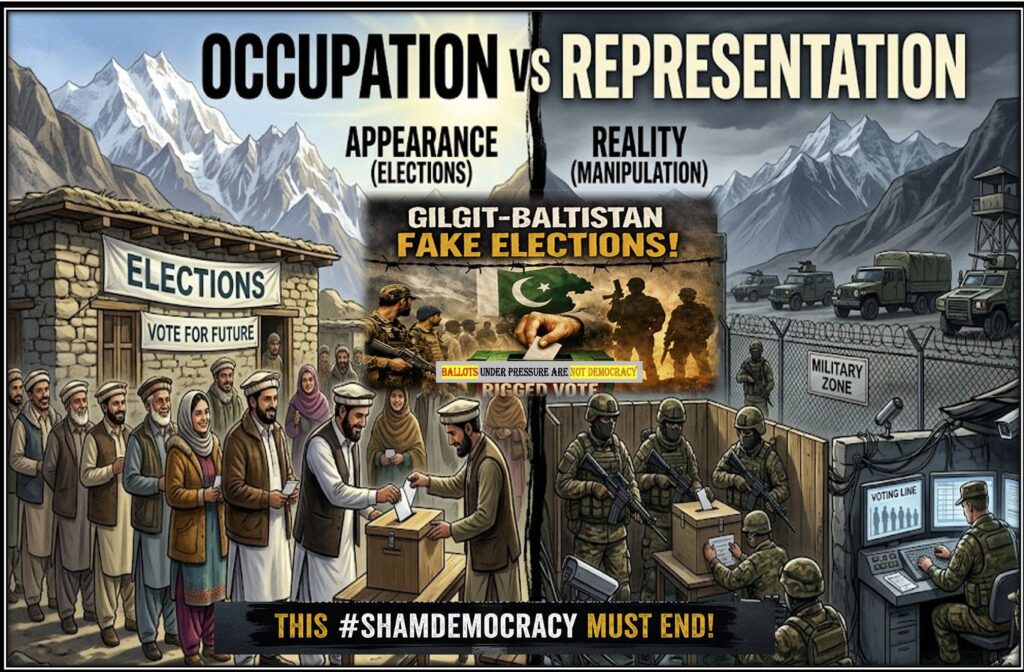
It is precisely these electoral exercises that generate strong objections from India. Whenever elections are held in Gilgit-Baltistan, India’s Ministry of External Affairs issues formal protests. The core argument remains consistent: Pakistan has no legal authority to alter the status of territories that belong to India.
From New Delhi’s perspective, elections are not merely democratic events. They are political instruments that can create the appearance of legitimacy. India argues that electoral processes conducted under Pakistani authority are designed to institutionalize Pakistan’s control and gradually normalize what India regards as an illegal occupation.
Indian officials frequently emphasize that no administrative measure, constitutional amendment or election can change the legal status of the territory. The Indian position is rooted in the belief that sovereignty over Gilgit-Baltistan derives from the Instrument of Accession signed in 1947 and therefore remains unaffected by subsequent Pakistani actions.
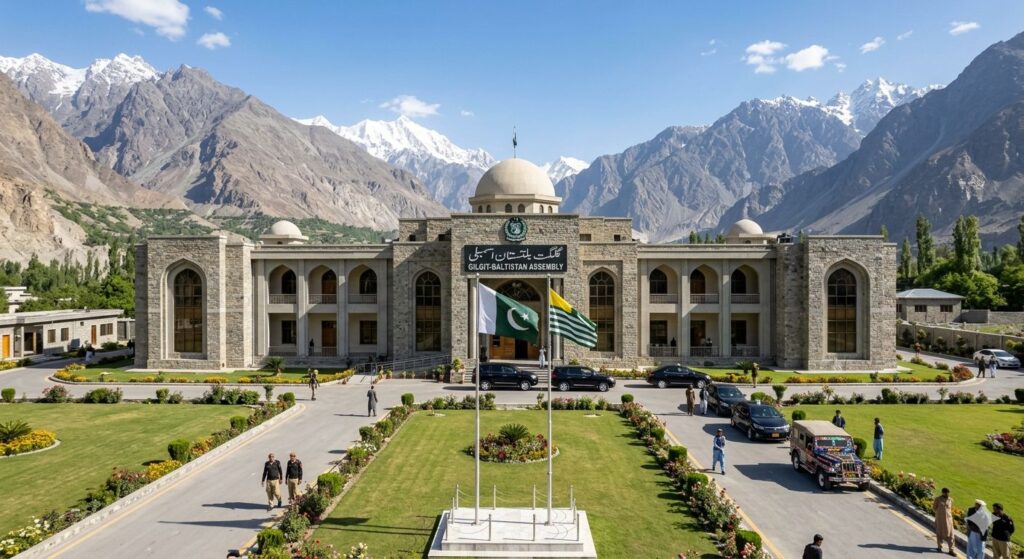
The dispute intensified significantly after Pakistan introduced governance reforms aimed at granting greater autonomy to Gilgit-Baltistan. India interpreted these initiatives as attempts to integrate the region more closely with Pakistan.
Particular concern emerged regarding proposals to grant the territory provisional provincial status. For India, such measures represented a substantial departure from the region’s historically disputed character.
Pakistan, however, rejects these criticisms. Islamabad argues that governance reforms are intended to address long-standing demands from local populations for political representation and development. Pakistani policymakers contend that improving administration does not prejudice the final resolution of the Kashmir dispute.
This disagreement highlights a fundamental divergence in perspective. India views reforms through the lens of sovereignty, whereas Pakistan presents them as responses to governance requirements.
China’s Expanding Presence
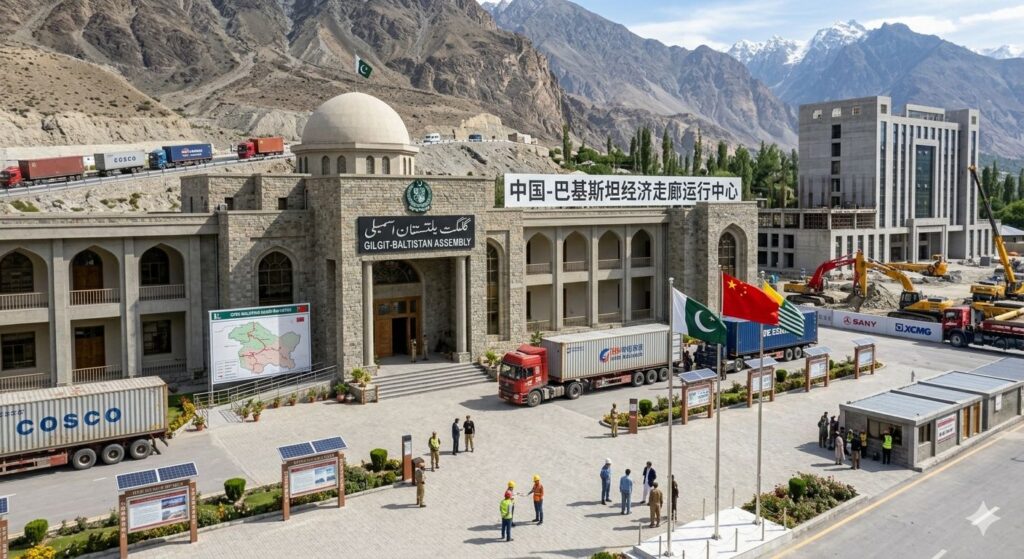
Adding another layer of complexity is China’s expanding presence in Gilgit-Baltistan. The region serves as a critical corridor for the China-Pakistan Economic Corridor, one of the flagship projects of China’s Belt and Road Initiative.
CPEC infrastructure passes through Gilgit-Baltistan before connecting Pakistan with China’s Xinjiang region. Roads, tunnels, energy projects and communication networks have transformed the strategic value of the territory. India has repeatedly objected to CPEC projects in Gilgit-Baltistan, arguing that infrastructure development in disputed territory violates its sovereignty. New Delhi maintains that third-party involvement cannot alter the legal status of the region.
For China and Pakistan, however, CPEC represents economic cooperation and regional connectivity. Beijing has generally avoided taking positions on the sovereignty dispute while emphasizing the developmental character of the corridor.
Nevertheless, the presence of Chinese investments has elevated Gilgit-Baltistan from a regional issue into a matter with broader geopolitical implications. Increasingly, developments in the region are viewed through the prism of India-China competition as much as India-Pakistan rivalry.
International Ramifications
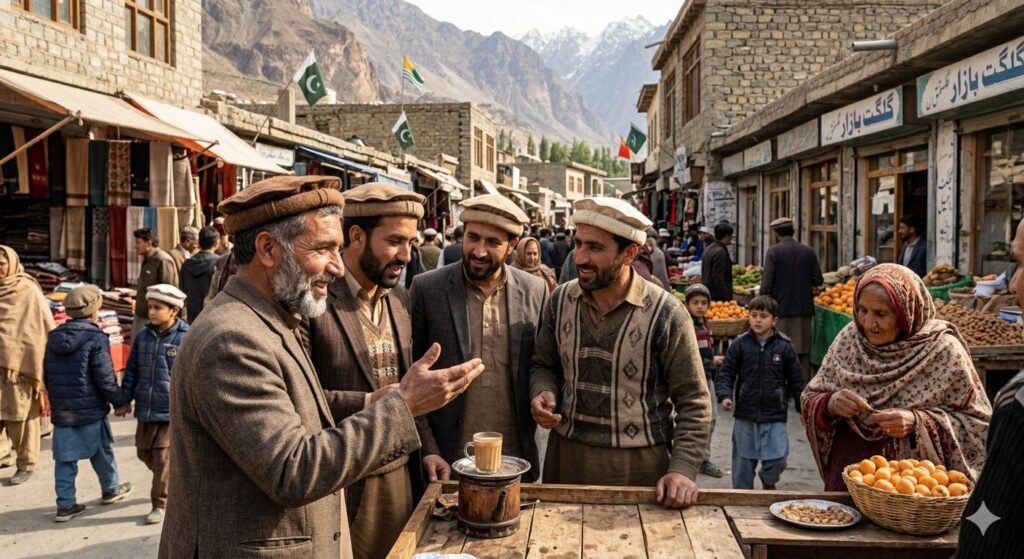
The local population of Gilgit-Baltistan often finds itself caught between these competing narratives. Many residents prioritize governance, economic opportunities, infrastructure development and constitutional rights over broader geopolitical disputes. Local political debates frequently revolve around representation, resource distribution and administrative autonomy.
Yet these domestic concerns cannot be separated from the larger Kashmir question. Every political development is interpreted by India and Pakistan through the framework of sovereignty and territorial claims.
The result is a situation where local democratic processes acquire international significance. Elections that might otherwise be viewed as routine administrative exercises become highly contested geopolitical events.
The international community has generally adopted a cautious approach. Most countries avoid taking explicit positions on the competing sovereignty claims. While many states recognize the disputed nature of the territory, they also engage pragmatically with realities on the ground. International attention tends to increase whenever constitutional reforms, major infrastructure projects or military tensions emerge in the region. However, few external actors have sought to fundamentally alter existing diplomatic positions regarding Gilgit-Baltistan.
For India, the issue has become even more sensitive following the reorganization of Jammu and Kashmir in 2019. New Delhi’s official maps continue to depict Gilgit-Baltistan as part of the Union Territory of Ladakh. Consequently, any Pakistani initiative in the region is interpreted as a direct challenge to India’s territorial integrity.
Pakistan, conversely, argues that political participation and governance reforms reflect the wishes of local populations and should not be obstructed by unresolved historical disputes. These contrasting positions leave little room for compromise.
The Turbulent Future
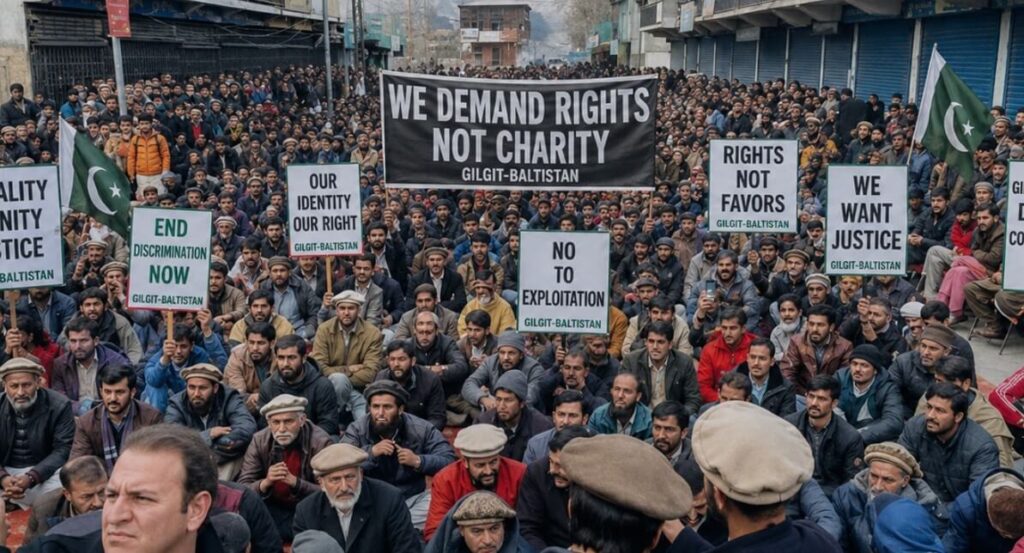
The future of Gilgit-Baltistan will likely remain linked to the broader trajectory of India-Pakistan relations. As long as the Kashmir dispute remains unresolved, elections in the region will continue to provoke diplomatic protests and political controversy.
What makes Gilgit-Baltistan particularly important is that it sits at the intersection of multiple strategic fault lines: India-Pakistan rivalry, India-China competition, regional connectivity projects, water security concerns and the politics of national identity. Few territories in Asia carry such a dense concentration of geopolitical significance.
The controversy over elections therefore represents much more than a disagreement about voting procedures. It reflects fundamentally different understandings of sovereignty, legality and history. For Pakistan, elections symbolize governance and political participation. For India, they represent attempts to legitimize control over territory it considers its own.
Conclusion
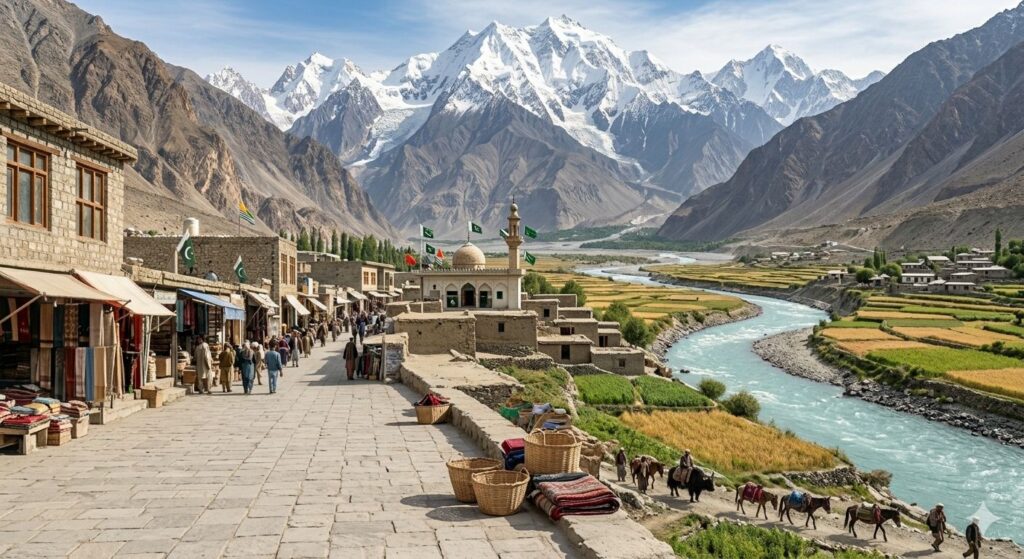
Until a broader political settlement emerges—something that has eluded diplomats for nearly eight decades—Gilgit-Baltistan will remain a region where every election, administrative reform and development project becomes part of a larger struggle over the legacy of Partition and the future of South Asia.
As one strategic analyst observed, “In Gilgit-Baltistan, geography shapes politics, history shapes identity, and sovereignty shapes every debate.” The recurring Indian protests against elections in the region are a reminder that the dispute is not merely about who governs today, but about who has the legitimate right to govern tomorrow.