

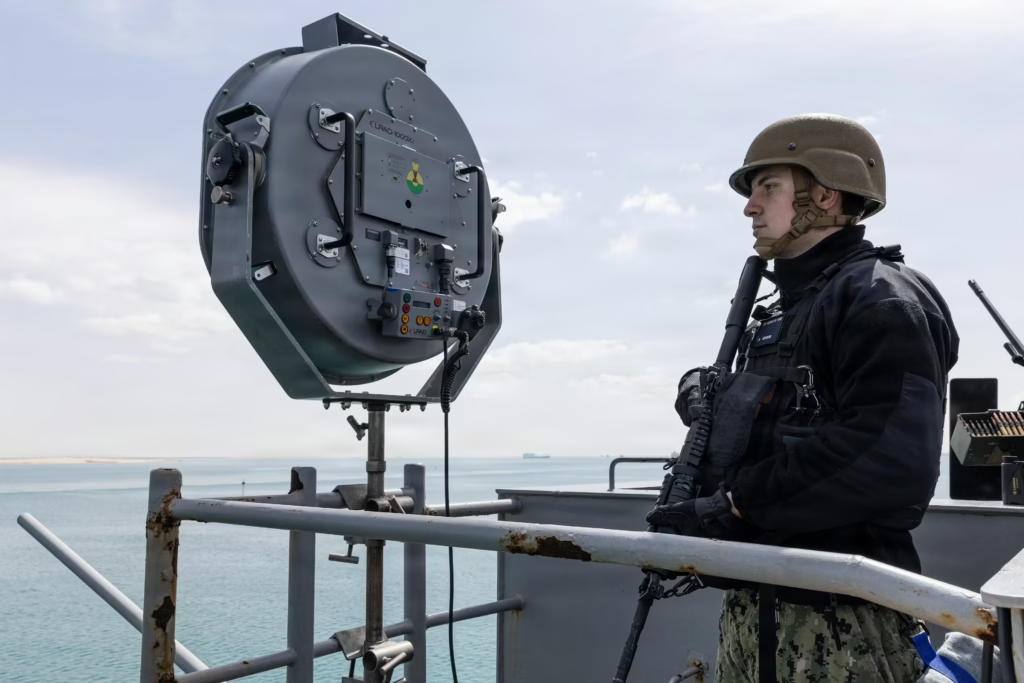
The ongoing confrontation between the United States, Israel, and Iran marks a watershed in the evolution of contemporary warfare. For decades, conflict in West Asia lived in the shadows, managed through proxies, deniable strikes, sabotage and calibrated signalling that carefully skirted the threshold of open war. That era has ended. What we are witnessing today is not another episodic spasm of violence, but the emergence of overt, high‑intensity, state‑on‑state conflict in which major powers have shed ambiguity and brought their full machinery of war into the open.
This moment is significant not merely because of its scale, but because of what it reveals about the emerging grammar of war. At one level, it is a confrontation between two strategic philosophies. On one side stands a coalition built on technological overmatch, information dominance, and disciplined escalation control. On the other hand, stands Iran, a state that has internalised its conventional limitations and has invested instead in endurance, asymmetry, and the imposition of cumulative costs. At another level, this conflict is a live experiment in the practical application of the modern multi‑domain operations (MDO) concept and its contestation by an asymmetric, multi‑vector approach.
For India, a major power in the making and a resident stakeholder in the extended region, this conflict is a distant war with immediate consequences. It has implications for our energy security, our maritime lifelines, our diaspora, and the trajectory of our own doctrinal evolution. It strips away comforting illusions about the power of rhetoric, about the resilience of asymmetric strategies, and about the insulation that geography supposedly offers. Above all, it forces us to confront the hard arithmetic of power under conditions of systemic stress.
From Ambiguity to Naked Power

The Cold War’s shadow wars, and later the so‑called “forever wars” in West Asia, largely unfolded in an ambiguous space. States fought through proxies, militias, and deniable operators; they relied on calibrated use of force and diplomatic back channels to keep violence below the threshold of open interstate war. Iran, Israel, the United States, and several Gulf states all played this game over the past four decades.
The current war has broken that pattern. U.S. and Israeli aircraft, missiles, and naval platforms have struck deeply into Iranian territory. Iran has responded with large‑scale missile and drone attacks on Israel and U.S. bases, and by activating proxy networks across multiple theatres. The façade of plausible deniability has been dropped. The machinery of war is now visible in its full, unforgiving clarity.
The significance of this shift lies in the exposure of underlying structures. When conflict is shadowy and deniable, narratives can obscure realities. Proxies can mask weakness as strength; episodic salvos can be framed as strategic successes. In an overt, high‑intensity confrontation, such illusions are harder to sustain. The ability to generate, coordinate, and sustain combat power across domains is tested in real time, and deficiencies are rapidly laid bare.
The Multi‑Domain Lens
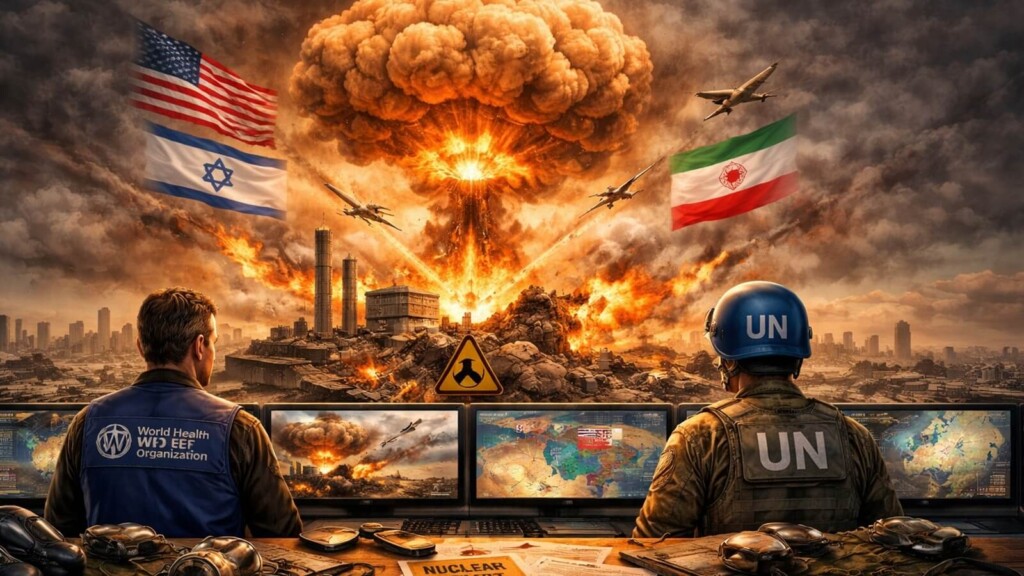
Modern doctrinal thinking in the United States, NATO and, increasingly, in India recognises that contemporary warfare is inherently multi‑domain. The traditional separation of land, sea and air has been overtaken by the prominence of space, cyber and the information/cognitive domain. Adding to this are the economic, legal, and diplomatic “domains” that, while not military in the narrow sense, are integral to the conduct and outcome of war.
Multi‑domain operations, in this doctrinal sense, are not simply about acting in many domains at once. They involve the deliberate integration of effects across domains to create converging dilemmas for the adversary. They demand a shared operational picture, resilient networks, cross‑domain targeting architectures, and a command philosophy that allows dispersed forces to generate synchronised effects. The aim is to attack the adversary’s system of systems: its sensors, command structures, logistics, industrial base, and national cohesion.
India’s own emerging thinking on theatrisation, jointness and multi‑domain operations mirrors this logic. Our draft joint doctrine emphasises that future conflicts will be decided less by the heroics of individual platforms and more by the integration of capabilities across domains and agencies, including non‑military instruments of national power. The US–Israel–Iran war is now testing these ideas in a real theatre under unforgiving conditions.
The Opening Campaign: Dislocating Iran’s System
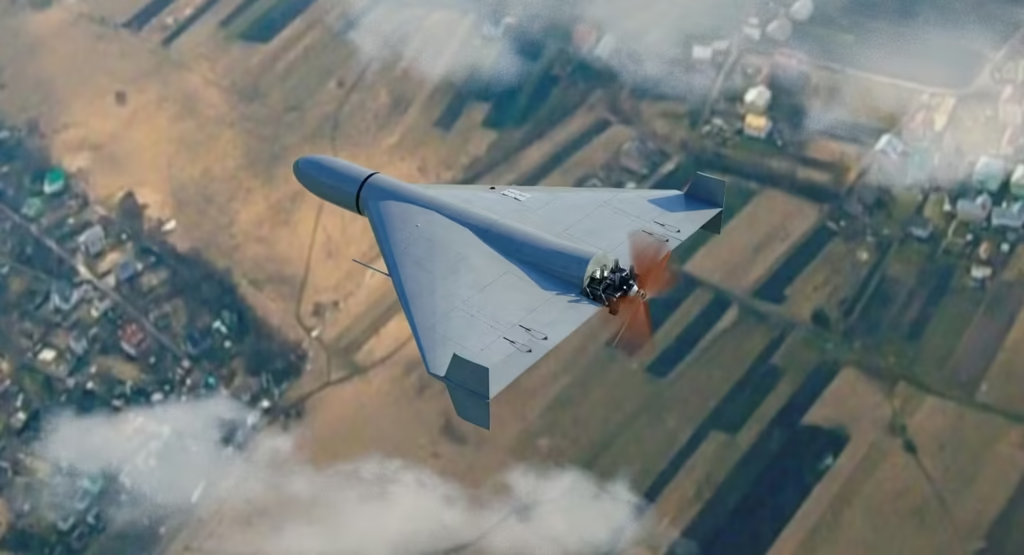
The initial US–Israeli air and missile campaign against Iran was characterised by precision, sequencing, and clear systemic intent. This was not a random, punitive barrage. It reflected years of war‑gaming, joint planning and doctrinal refinement.
Reports indicate that before the first bombs fell, cyber and electronic operations targeted Iran’s radar networks, communications infrastructure, and elements of its critical energy and transportation systems. This “softening” phase sought to blind and deafen Iran’s early‑warning and command‑and‑control architecture. Space‑based ISR, supported by airborne platforms, provided an integrated picture of Iranian deployments and vulnerabilities.
Subsequent kinetic strikes focused on the architecture of Iran’s war‑fighting capacity rather than on symbolic or purely tactical targets. Missile fields, launch complexes, air‑defence grids, command posts, IRGC bases, ammunition depots, refineries, and critical power infrastructure were all hit in carefully structured waves. The objective was not simply to reduce the number of missiles or aircraft Iran could field, but to disrupt the systems that enable it to sense, decide, move, and sustain.
Early indications suggest that this objective has been substantially met. Iranian salvos have reportedly decreased in size and coordination, with greater reliance on dispersed launchers and small drone swarms. Decision‑making cycles appear compressed and reactive, with Iran often responding to events rather than shaping them. Operationally, Iran remains capable of resistance and of imposing costs, but it has lost something more fundamental: the initiative to set the tempo of the war.
Iran’s Doctrine: Survival Through Endurance

Iran’s strategic logic is rooted in the recognition that it cannot defeat a U.S.‑led coalition in a conventional, symmetric contest. The Iran‑Iraq War, the experience of sanctions, and decades of observation of U.S. operations have all reinforced this understanding. As a result, Iran’s doctrine has emphasised survival through endurance rather than battlefield “victory” in the classical sense.
This doctrine rests on three principal pillars. The first is an extensive missile and drone arsenal, designed to hold adversary bases, cities, and infrastructure at risk even without air superiority. Over the last two decades, Iran, often working through the IRGC, has invested heavily in ballistic and cruise missiles, precision‑guided rockets, and a wide range of UAVs. These systems have been used both for signalling and for calibrated retaliation. In the opening phases of the current war, they underpinned Iran’s ability to strike deep into Israeli territory and U.S. facilities in the region.
Yet this arsenal is inherently consumptive. It was built primarily as a deterrent and a strategic reserve, not as a stockpile for sustained, high‑tempo attrition under conditions of constant surveillance and interdiction. Once launch sites, production facilities, and supply chains come under sustained attack, replenishment becomes increasingly difficult. Every salvo expended without adequate replacement erodes Iran’s long‑term deterrent and its capacity for endurance.
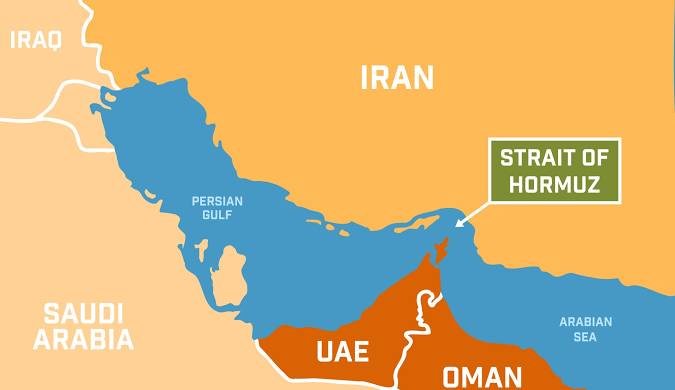
The second pillar is geography, particularly the Strait of Hormuz. This narrow maritime corridor remains one of the most critical chokepoints in the global energy system, through which a significant share of the world’s seaborne oil and gas flows. Iran has repeatedly threatened to close or disrupt this passage, and in the present conflict, it has resorted to harassment, boarding and seizure of vessels, as well as mining threats and drone activity. Geography amplifies Iran’s leverage: even partial disruption in Hormuz creates price spikes, insurance surcharges, and global uncertainty.
But geography, while powerful, is not decisive when confronted with overwhelming naval and air power. Sustained attempts to close Hormuz invite a massive maritime response and risk unifying an otherwise divided international community against Tehran. In the present conflict, the rapid concentration of U.S. and allied naval forces in and around the Gulf has underscored the limits of this lever. Iran can raise costs and introduce risk; it cannot permanently control the global energy lifeline.

The third pillar is Iran’s network of regional partners and proxies like Hezbollah in Lebanon, militias in Iraq and Syria, elements in Gaza, and the Houthis in Yemen. These groups provide Iran with strategic depth and the ability to open or escalate fronts at relatively low direct cost. Together, they constitute a form of distributed, deniable force projection that has long been central to Iran’s regional strategy.
Under conditions of sustained, multi‑domain pressure, however, the limitations of this model are becoming evident. Proxies face their own constraints and local calculations. Their escalation thresholds, risk appetites, and political priorities do not always align perfectly with those of Tehran. Over time, casualties, economic strain, and domestic politics in their own areas of operation create friction. What was designed as a web of distributed strength can, under prolonged duress, begin to look like a network of dispersed vulnerability.
The Western Method: Multi‑Domain Persistence and Escalation Control
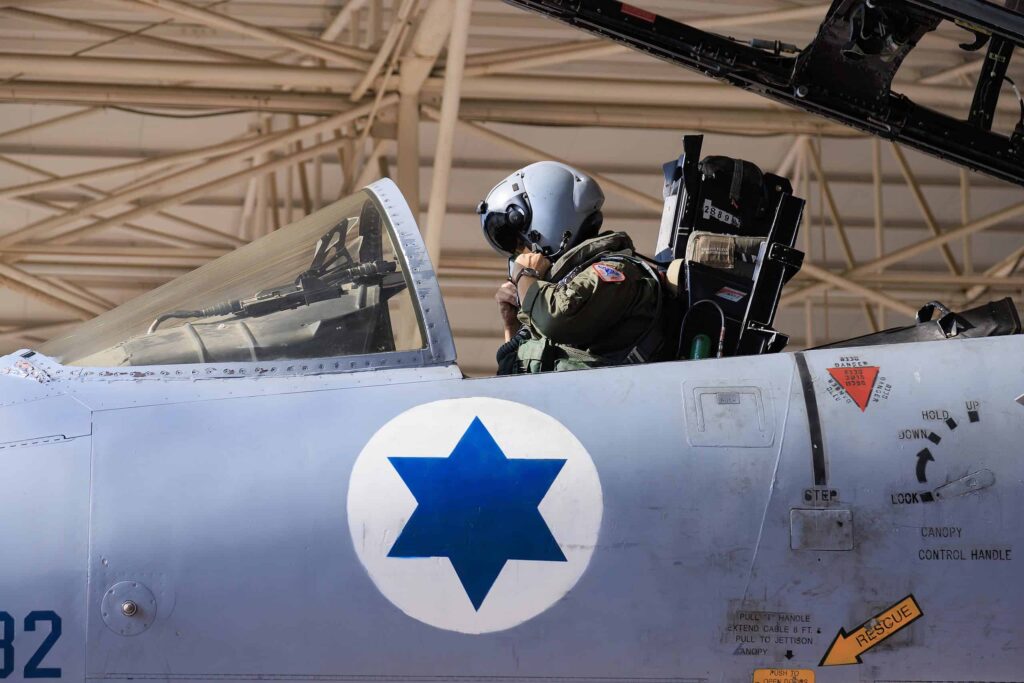
In sharp contrast, the US–Israeli approach has been anchored in persistence, integration, and disciplined control of escalation. Their objective has not been a lightning decapitation, but the steady erosion of Iran’s capacity to function as a coherent war‑fighting state.
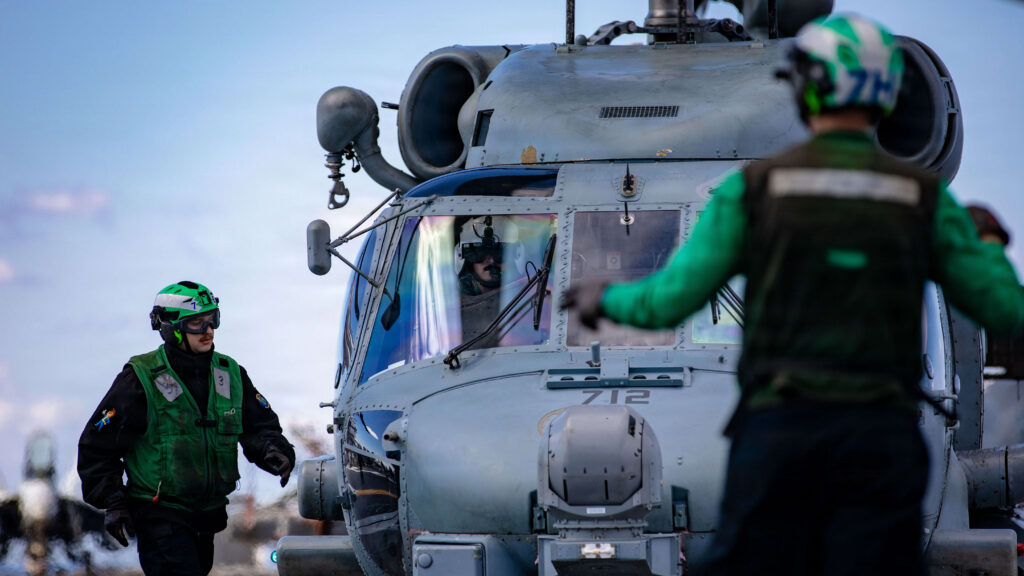
Air and maritime superiority provide the foundation. Carrier strike groups, long‑range bombers, stealth aircraft, submarines, and integrated missile defence systems together create a layered battlespace in which Iran finds it difficult to mass forces or achieve surprise. Cyber and electronic warfare are employed to disrupt communications, degrade targeting, and sow confusion. Space‑based assets enable continuous surveillance, communications, and navigation.
Crucially, these domains are not used in isolation. Cyber and electronic attacks are timed with kinetic waves to maximise dislocation. Information operations and diplomatic messaging frame the conflict, reassure certain regional actors and deter others. Economic sanctions and financial measures squeeze Iran’s capacity to import critical components and to stabilise its currency. Taken together, this is a functioning multi‑domain operations campaign, one that attacks Iran’s system of systems rather than merely its frontline units.
Iran, for its part, uses multiple domains as well: missiles, drones, proxies, cyber operations, maritime disruption, and information campaigns. But these elements are loosely aggregated rather than tightly integrated. Their timing is uneven, their effects often localised, and their cumulative impact rarely sufficient to offset the coalition’s structural advantages. Iran is waging multi‑vector warfare; the coalition is waging multi‑domain operations in the doctrinal sense.
The Internal Front: Cohesion Under Stress
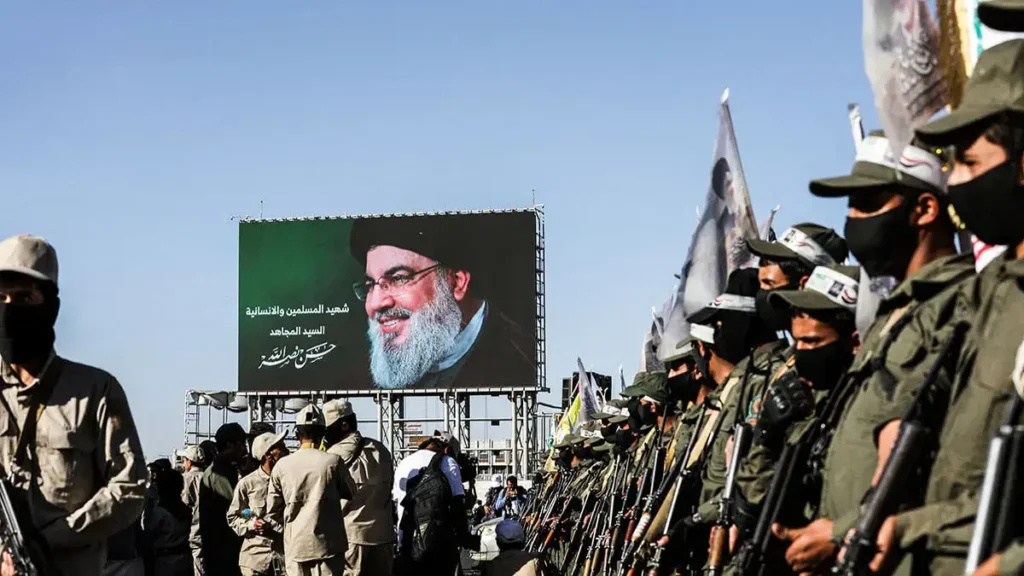
No state can wage a prolonged, high‑intensity war without internal consequences. Iran’s political architecture, combining clerical authority, IRGC dominance, and a network of paramilitary and security institutions, has been designed for resilience and regime survival. It can absorb shocks, manage dissent and, to a degree, reconfigure power structures without systemic collapse.
Yet resilience is not immunity. Sustained conflict imposes cumulative strain. Sanctions and war‑related disruptions deepen economic contraction and inflation. Damage to energy and industrial infrastructure affects electricity supply, mobility, employment, and basic services. Civilian displacement and casualty figures, even if partly censored, seep into public consciousness. Over time, these pressures test not just the capacity of the state, but the cohesion of society.
Iran’s internal landscape is marked by ethnic, regional, and socio‑economic fault lines like the Kurds in the northwest, Baluch in the southeast, long‑standing grievances in peripheral provinces, and a restless, digitally connected urban youth. Under normal conditions, these can be managed through a mixture of coercion, co‑option and ideology. Under conditions of prolonged wartime stress, however, they risk widening into strategic vulnerabilities. The critical question is not whether Iran can absorb shocks; it has done so repeatedly, but whether it can absorb continuous systemic stress without a fracture in governance or national cohesion.
India: Strategic Distance, Immediate Consequences
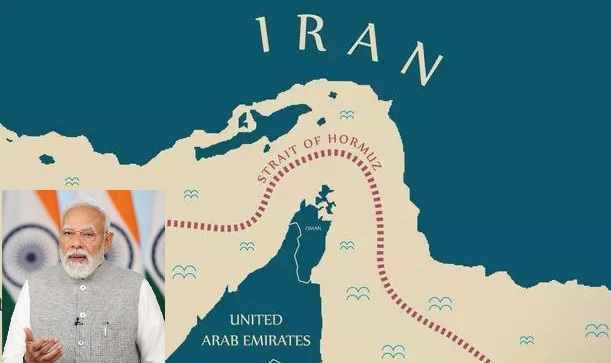
From India’s vantage point, this war may be geographically distant, but its consequences are immediate and concrete. India remains heavily dependent on imported crude oil and gas, much of which, directly or indirectly, is linked to Gulf producers and transit routes. Even with diversification of suppliers and a gradual build‑up of strategic reserves, prolonged instability in West Asia and particularly around the Strait of Hormuz transmits directly into higher import bills, currency pressure and inflationary trends in transport, manufacturing and household consumption.
Maritime security is an equally pressing concern. India’s trade lifelines, especially from the Gulf to the western seaboard, pass through waters that are now more heavily militarised and more vulnerable to disruption than at any time in recent memory. Increased risk translates into higher insurance premiums, route diversions, and schedule uncertainties. It also compels the Indian Navy and Coast Guard to allocate greater resources to escort operations, surveillance and crisis response, with implications for our wider maritime posture in the Indo‑Pacific.
Strategically, Iran has long occupied a unique niche in India’s regional calculus. It is neither an ally nor an adversary, but a state with which India has maintained pragmatic engagement despite pressure from other partners. The Chabahar port project and associated connectivity corridors have been central to India’s ambition to reach Afghanistan and Central Asia while bypassing Pakistan. A severely weakened or destabilised Iran complicates this calculus, potentially ceding ground to competing powers in our extended neighbourhood.
India’s growing strategic partnership with the United States and its expanding defence and technology ties with Israel create a demanding test of our strategic autonomy. Navigating this complex matrix, maintaining principled positions, protecting core interests, and avoiding entanglement in the binaries of other powers’ conflicts is becoming increasingly difficult. Overlaying all this is the welfare of an eight‑million‑strong Indian diaspora in the Gulf, whose remittances, employment and safety are directly linked to regional stability. Any escalation that threatens their security becomes, by extension, a domestic political and economic issue for India.
End States and the Arithmetic of Endurance
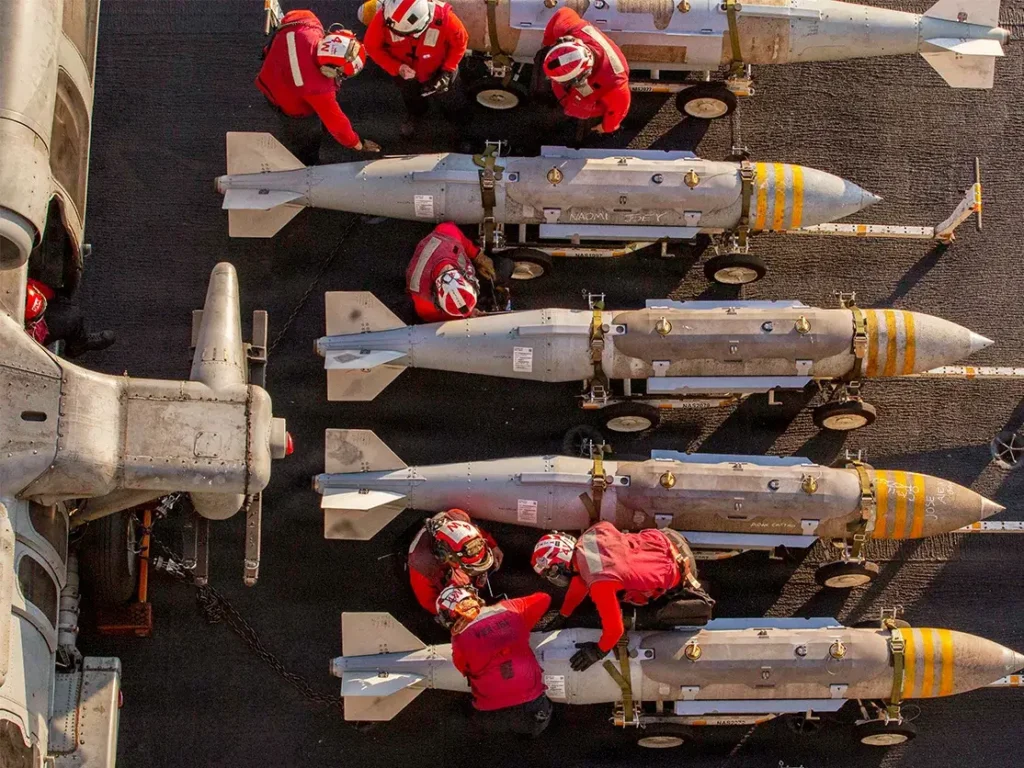
As of now, three broad trajectories are visible. The first is a prolonged stalemate in which Iran survives as a weakened but intact state, continuing to impose costs through asymmetric means while absorbing ongoing degradation. The second is wider regional escalation, with multiple theatres becoming active simultaneously and global economic disruption rising sharply. The third is accelerated systemic degradation within Iran, where sustained multi‑domain pressure erodes its military, economic, and political structures to the edge of functional collapse.
Available indicators like intensity and precision of strikes, cumulative damage to infrastructure, reported cyber degradation, economic strain, and the cautious posture of other major powers suggest that the conflict is drifting, at least for now, towards a version of the third trajectory, though not necessarily towards outright state collapse. Iran still possesses the capacity for disruption and resistance; it retains will, ingenuity, and the ability to impose costs. But its capacity to sustain a high‑intensity confrontation at current levels is visibly eroding.
There is a tendency in global discourse, and particularly in sympathetic media ecosystems, to romanticise resistance and to portray asymmetric warfare as inherently resilient, even inexhaustible. Iran has skilfully cultivated such narratives over the years. Yet, stripped of rhetoric, war remains a matter of material realities. Missile inventories deplete. Drones and components are expended, and under sanctions, cannot be replaced at will. Infrastructure degrades faster than it can be repaired under bombardment. Economies contract. Populations tire. Systems once disrupted take time to regenerate, especially under continuing attack.
In that sense, endurance is not an abstract moral quality; it is an operational and strategic function of capacity. The coalition confronting Iran enjoys technological superiority, extensive logistics, diversified industrial bases, deep financial reserves, and secure alliances. It also controls escalation with reasonable discipline, calibrating pressure while avoiding, thus far, the kinds of escalatory steps that would invite major‑power intervention. Against this, Iran’s endurance doctrine, for all its ingenuity, faces very hard limits.
Lessons for India: Power Without Illusion
For India, this war offers several lessons that should inform both policy and doctrine. First, it demonstrates that in an interconnected strategic environment, geographic distance provides no automatic insulation. Conflicts in ostensibly distant theatres can reshape energy markets, maritime security, alliance structures, and domestic political debates within weeks. India cannot afford a purely continental or inwardly focused security mindset.
Second, the conflict underscores the premium on genuine multi‑domain integration. It is not enough to possess capabilities in several domains; what matters is the ability to orchestrate them. The side that can link space‑based ISR, cyber operations, electronic warfare, precision strike, air and maritime manoeuvre, information operations and economic instruments into a coherent, continuously adaptive campaign will almost always enjoy an advantage over an adversary whose capabilities, however numerous, are poorly integrated. Our own pursuit of jointness, theatre commands and multi‑domain doctrines must therefore prioritise integration architectures, networks, data fusion, cross‑domain targeting, and institutional arrangements, at least as much as platforms and inventories.
Third, the war illustrates both the strengths and the limits of asymmetric, endurance‑centred strategies of the kind Iran has honed. Such strategies can impose costs, complicate planning, and prolong conflict. They can create political narratives of defiance that resonate domestically and internationally. But they cannot indefinitely offset structural imbalances in technology, industry, finance and alliances when faced with a determined, well‑integrated multi‑domain campaign.
Finally, the conflict is a reminder that wars are not decided by slogans, nor by the volume of online support, nor by tactical successes magnified on social media. They are decided by the arithmetic of power under stress. That arithmetic includes not only weapons and soldiers, but energy flows, industrial output, technological depth, societal resilience, and diplomatic alignment. For India, the imperative is to ensure that when such arithmetic is applied to our own security challenges, in the Himalayas, in the Indian Ocean, or in our extended neighbourhood, the numbers add up in our favour.
The US–Israel–Iran war, stripped of illusion, is a contest between a coalition that has invested in multi‑domain integration and a state that has relied on endurance and asymmetry. Iran has shown courage and ingenuity, and it will remain a consequential actor in West Asia. But the current conflict suggests that time, in the specific arithmetic of sustained, system‑level warfare, is not on its side. For India, the choice is simple. We must prepare not merely to fight in multiple domains, but to orchestrate them, and to do so with our eyes wide open to the unforgiving realities that this war has laid bare.