

Safeguarding Soldiers from Misuse of Military Processes
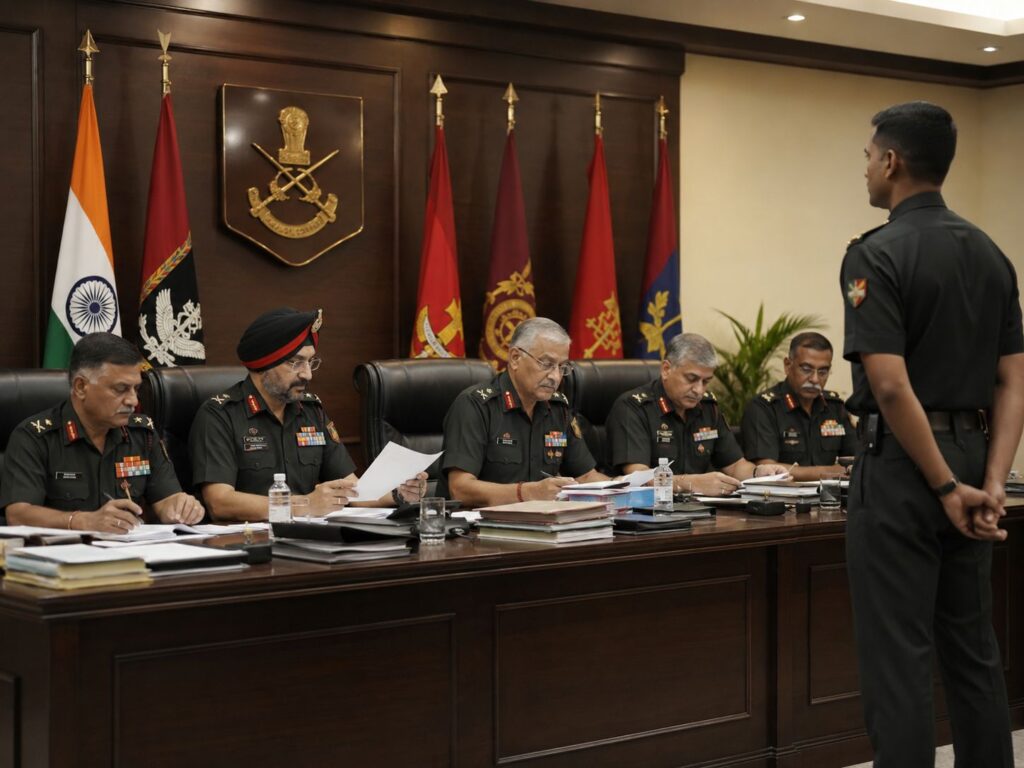
The Court of Inquiry (COI) occupies a significant place within the military justice system. Conceived as a fact-finding mechanism, its purpose is to ascertain facts, assist commanders in decision-making, and preserve discipline and efficiency within the Armed Forces. However, over the last decade, a disturbing trend has emerged wherein this mechanism has, in certain cases, allegedly been misused as a tool for victimization, retaliation, character assassination, and career destruction of honest officers and soldiers.
The issue is not the existence of the Court of Inquiry itself. The issue is the way it is sometimes conducted, prolonged, manipulated, and subsequently defended under the cloak of military discipline, national security, confidentiality, or the discretionary authority of superiors.
From Fact-Finding to Career Destruction
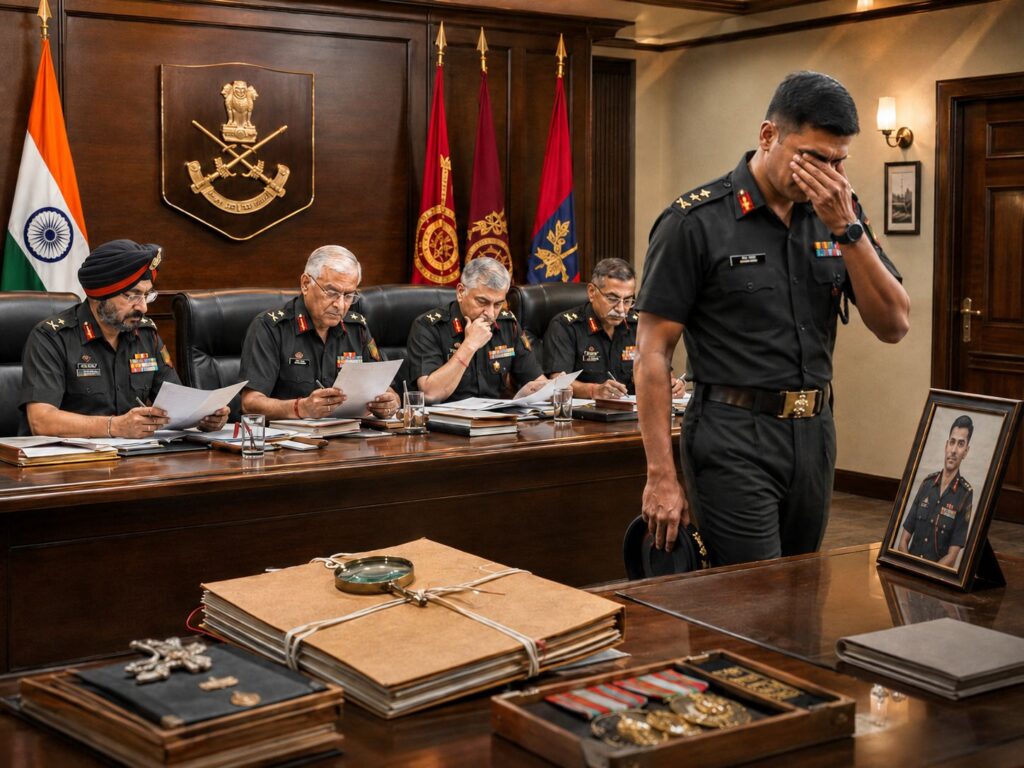
Numerous officers and soldiers have found themselves subjected to prolonged inquiries, often extending over several years. What begins as a fact-finding exercise frequently evolves into a process that adversely affects promotions, appointments, postings, reputation, and mental well-being.
In many cases, the mere pendency of a Court of Inquiry becomes a punishment in itself. Even before any finding of guilt, an individual’s military reputation suffers irreparable damage. Professional growth comes to a standstill, opportunities are lost, and the officer or soldier is compelled to engage in lengthy litigation merely to secure procedural fairness.
The danger becomes more pronounced when Courts of Inquiry are allegedly used against individuals who expose irregularities, challenge unlawful orders, report corruption, or become inconvenient to powerful superiors. The inquiry then ceases to be a search for truth and instead becomes a means of buying time, creating obstacles, and weakening the individual institutionally.
Misuse of Army Rule 180
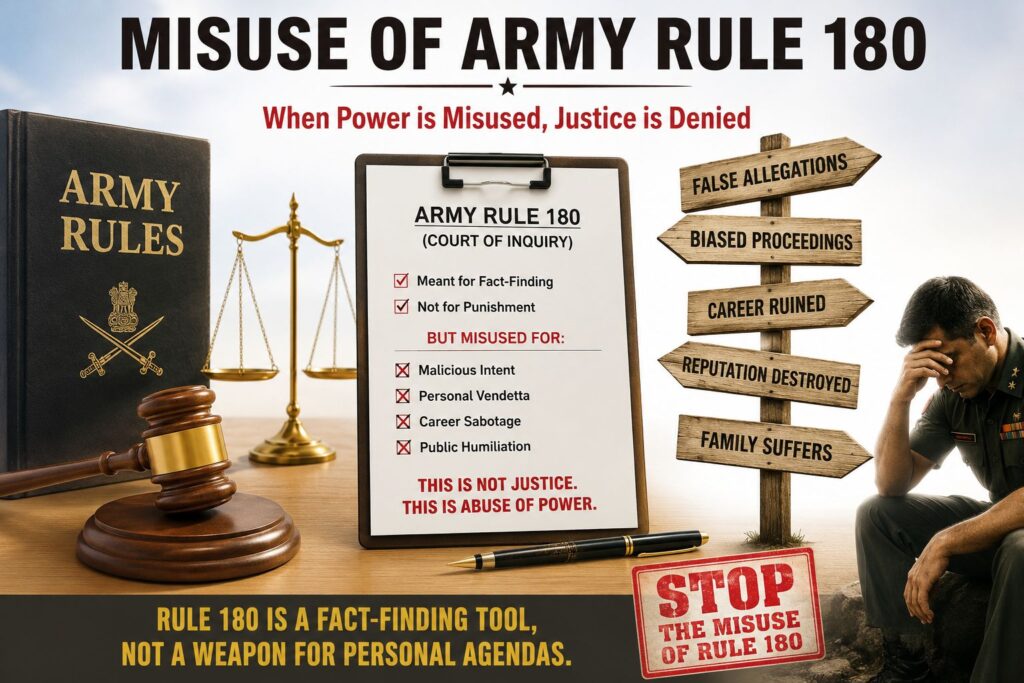
Army Rule 180 was incorporated as a safeguard. It provides an opportunity to persons whose character or military reputation may be affected by the proceedings. The intention was to protect individuals from arbitrary findings and ensure adherence to principles of natural justice.
Unfortunately, many judicial pronouncements reveal recurring disputes concerning compliance with this mandatory safeguard. The affected individuals often allege denial of effective participation, non-supply of relevant documents, restricted access to evidence, and procedural irregularities.
Ironically, when such violations are challenged before judicial forums, the common defence advanced is that a Court of Inquiry is merely a fact-finding exercise and does not itself determine guilt. This argument ignores the practical realities. In service matters, the consequences of a tainted inquiry frequently begin long before any final action is taken.
An inquiry that affects an officer’s promotion, posting, reputation, or career progression cannot be casually dismissed as having caused “no prejudice.”
National Security Cannot Become a Shield for Illegality
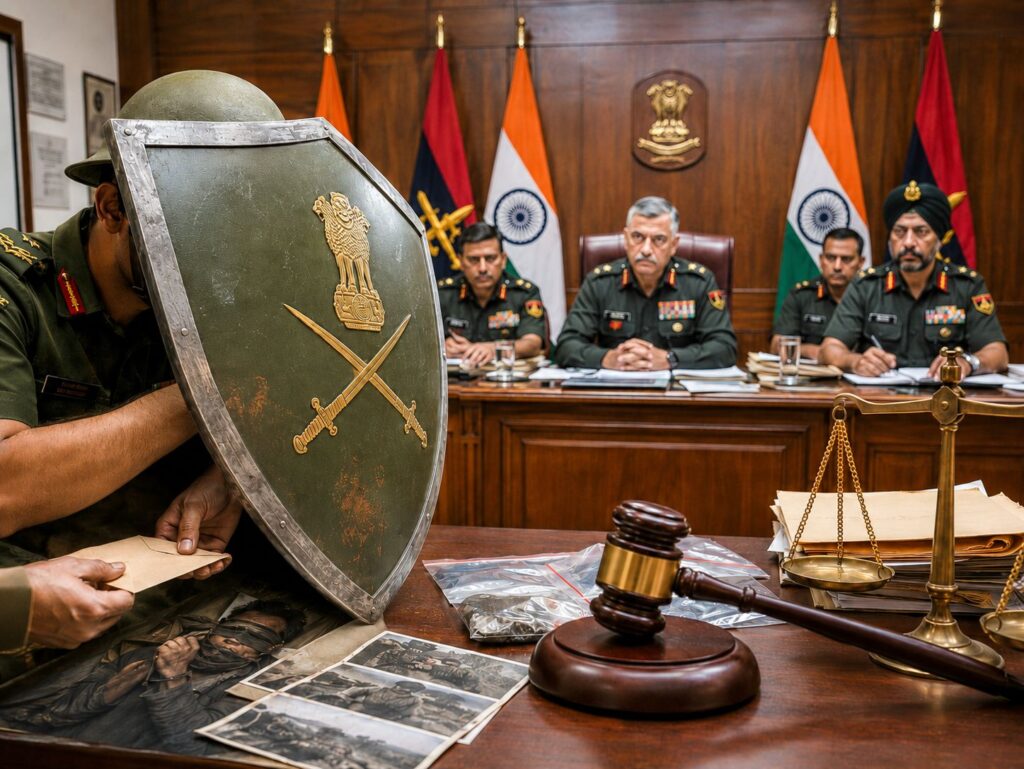
No one disputes that genuine matters involving operational secrecy and national security require protection. However, national security cannot become a blanket justification for withholding documents, suppressing evidence, or denying transparency in matters unrelated to operational sensitivity.
The Constitution of India guarantees equality before law, equal protection of laws, dignity, privacy, and procedural fairness. These protections are not suspended merely because a citizen wears a uniform.
A soldier does not surrender constitutional rights at the gates of a military establishment. On the contrary, the nation owes its soldiers the highest standards of fairness because they dedicate their lives to protecting the Constitution.
The frequent invocation of “confidentiality” and “security concerns” to deny access to records, minutes sheets, legal opinions, and administrative recommendations requires serious re-examination.
The Hidden Role of Internal Manipulation
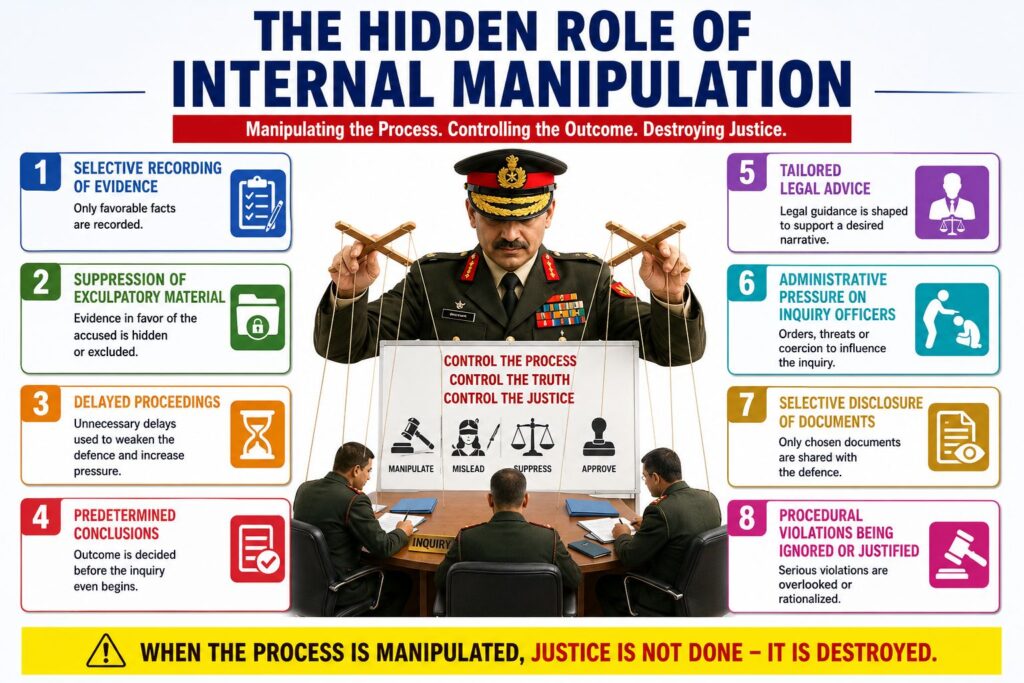
One of the most troubling concerns raised by affected personnel is the possibility of manipulation at various stages of the inquiry process. Allegations often include:
- Selective recording of evidence.
- Suppression of exculpatory material.
- Delayed proceedings.
- Predetermined conclusions.
- Tailored legal advice.
- Administrative pressure on inquiry officers.
- Selective disclosure of documents.
- Procedural violations being ignored or justified.
While every such allegation may not ultimately be proven, the existence of repeated complaints across different cases indicates the need for systemic introspection and institutional reform.
Transparency is the strongest antidote to suspicion.
Accountability Must Accompany Authority
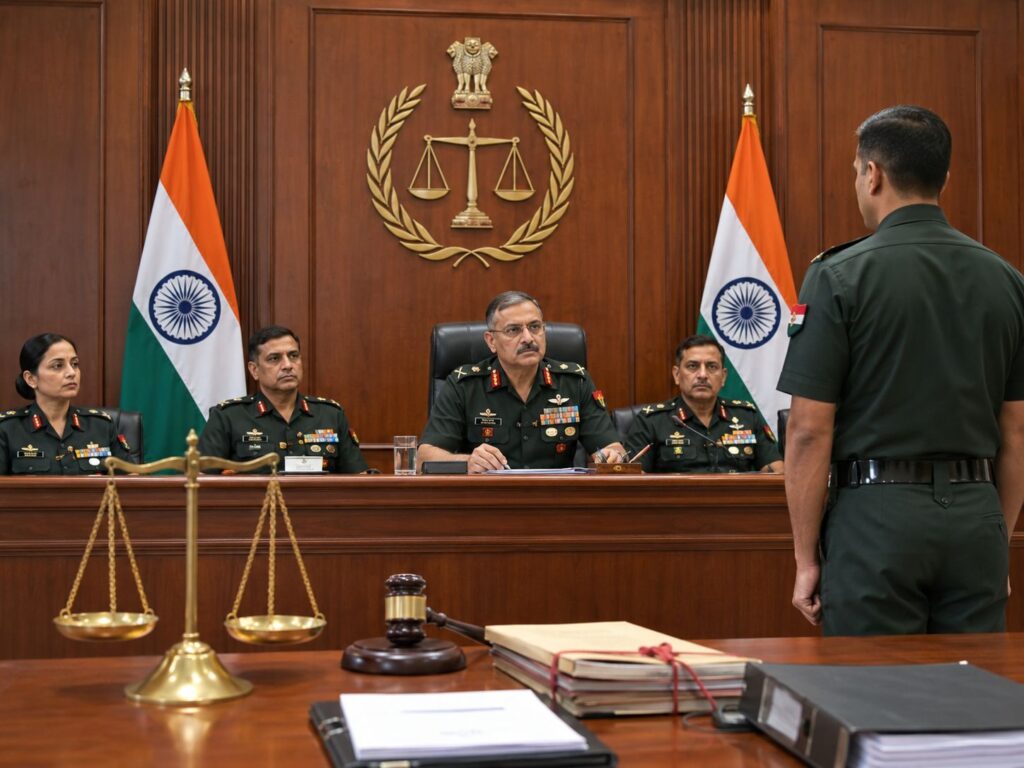
Military law provides significant authority to commanders and superior officers. However, authority without accountability inevitably creates the risk of abuse.
The Armed Forces cannot demand the highest standards of integrity from junior leaders while simultaneously tolerating procedural violations at higher levels. If an officer or soldier can be punished for misconduct, there is no reason why those who deliberately manipulate proceedings should escape scrutiny.
The time has come to seriously consider accountability mechanisms under relevant provisions of the Army Act, including Sections 45, 47, 57, and 63 wherever abuse of authority, wilful violation of procedure, or conduct prejudicial to good order and military discipline is established.
The objective is not retribution but deterrence.
The Need for Compensation and Personal Liability
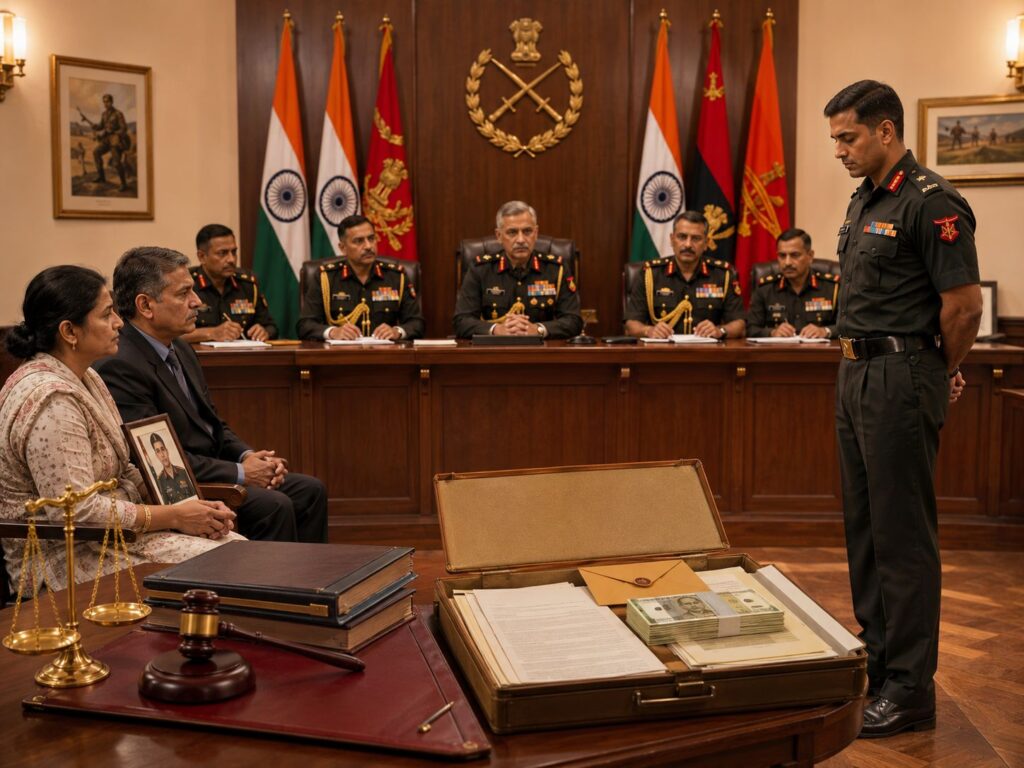
Courts across India have increasingly recognised compensation as a remedy for violations of fundamental rights and abuse of process.
When a soldier’s career is damaged because of a malicious, manipulated, or unlawfully conducted inquiry, institutional accountability alone is insufficient. The affected individual suffers professional, financial, emotional, and social consequences.
Where misconduct is established, personal accountability of responsible officials should be considered. Such measures would discourage arbitrary actions and reinforce faith in military justice mechanisms if being recovered from those authorities, staff and advisers being involved in promoting case against law for accountabilities.
Reforms for a Transparent and Fair System
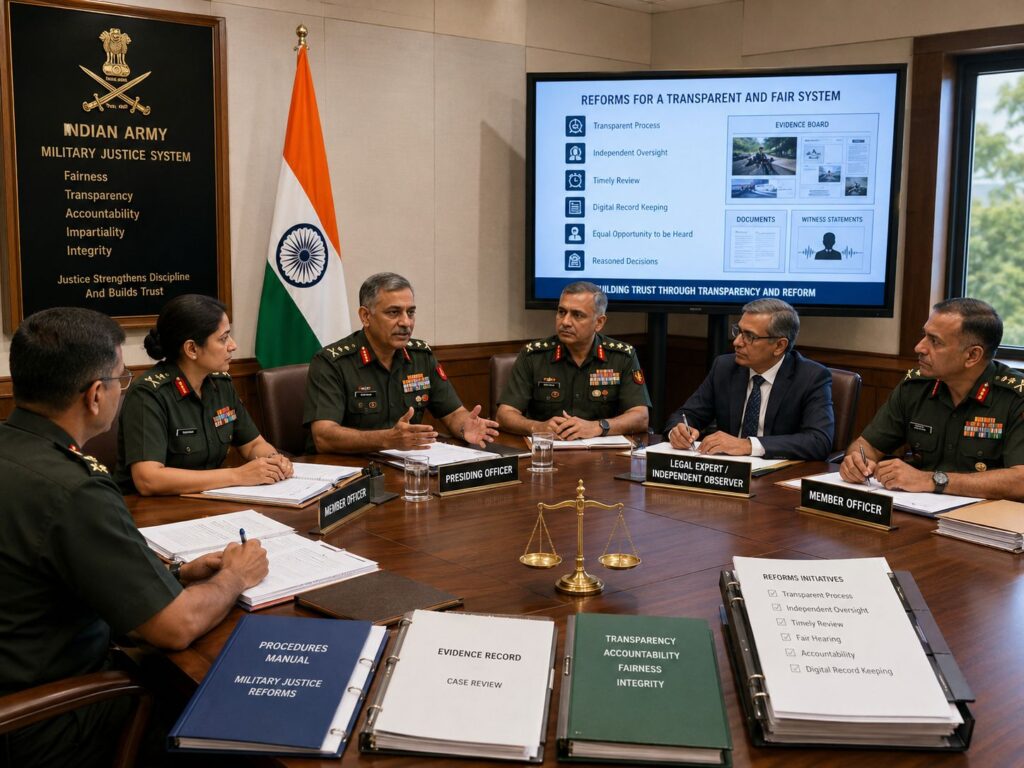
Several reforms can significantly improve confidence in the inquiry process:
1. Mandatory Supply of Documents
All non-operational documents, statements, exhibits, legal opinions, recommendations, and minutes sheets should be supplied to affected personnel. All the minutes, correspondence, directions, files should be provided to the Soldier whose character and reputations are made under questions. Nothing should be hidden from those who are to defend their characters, and all opportunities means in law stipulates providing of all documents to them that leads to forming of such opinion and finding and directions against the affected Soldier.
2. Transparency by Default
Unless specifically exempted for operational reasons, inquiry records should be accessible under transparent procedures, including through RTI where applicable. Even if it is exempted the affected person should have all the right to inspect make note of such document and permission to brought out the same on record of the inquiry to link his case for bias. Such transparency will have an inquiry without bias and restrict the manipulations by exposing accountabilities in the formations.
3. Time-Bound Completion
Courts of Inquiry should be completed within fixed timelines to prevent prolonged harassment through endless proceedings. There are many examples in the Army where such inquiries have ruined many career, character and military reputation and family life and are going on without accountability of staff officers and their misuse of appointments .Such as officials of Discipline and vigilance branch or legal branch who keep on sending the file back to presiding officers for rectifications in inquiry proceedings to either get a choice of findings or pressurise the presiding officer for upcoming of his ACRs by the convening authority.
4. Independent Review Mechanism
Procedural complaints against inquiries should be examined by an independent authority outside the chain of command concerned. These became mandatory when transparency and fairness of inquiry proceedings are not followed and objected by any person who is only a witness in the court of Inquiry at that time and being targeted for forceful questions on character and military reputations. The important stage to restrict such corrupt practice is this and should be acted without bias to control the illegalities and conflict of interest.
5. Mandatory Action for Violations
Proven violations of Army Rule 180 and principles of natural justice should attract disciplinary consequences. Especially against those who were duty bound to act and their wrong advise and comments lead to cause destruction or injury to reputation for intentional dereliction of duties . There should be strict actions by the court by personally affecting them for such accountabilities by compensating victims from their salary and property to stop and control such practices.
6. Effective Representation Rights
Representations and objections raised by affected personnel should receive timely reasoned and speaking orders rather than routine silence and rejections.
7. Protection of Whistleblowers
Officers and soldiers who report corruption, irregularities, abuse of authority, or misconduct should be protected from retaliatory inquiries.
A Call for Introspection
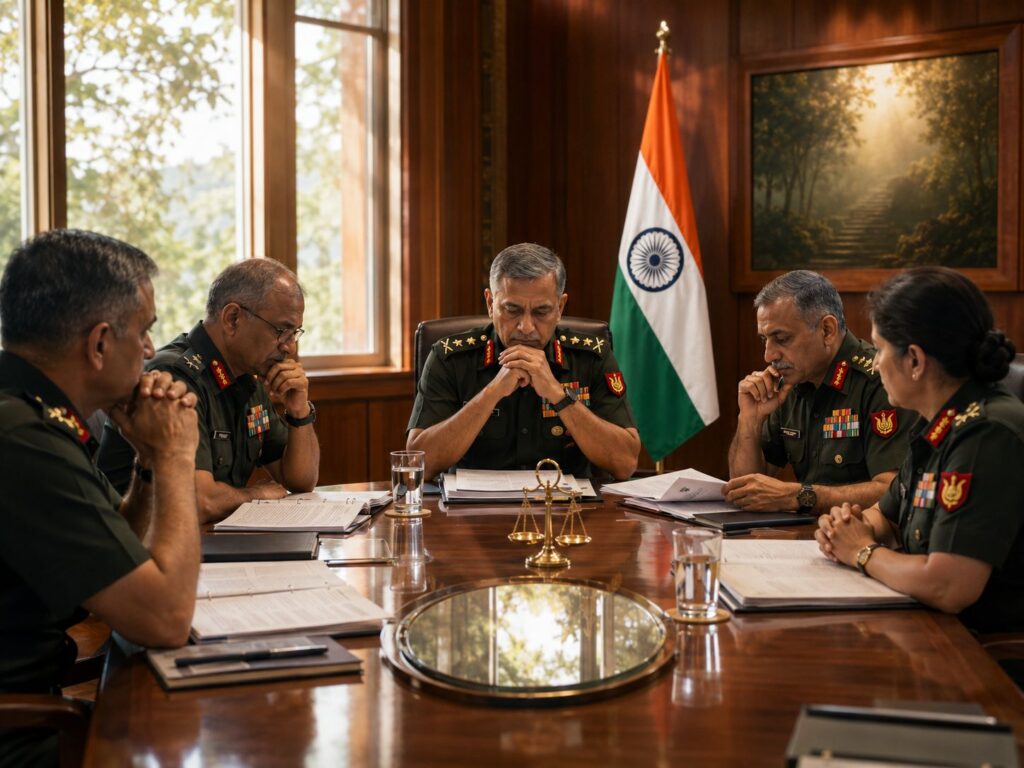
The strength of an institution is measured not by its ability to punish but by its willingness to correct itself.
The Armed Forces remain among the most respected institutions in the nation. Preserving that trust requires ensuring that disciplinary mechanisms are never perceived as instruments of personal vendetta or administrative convenience.
Every Court of Inquiry that is conducted fairly strengthens military discipline. Every inquiry perceived as manipulated weakens institutional credibility.
The issue is not about protecting the guilty. It is about protecting the innocent from the abuse of process.
True military discipline is founded upon justice, transparency, accountability, and fairness. When these principles are upheld, discipline commands respect. When they are compromised, discipline risks becoming a tool of fear rather than a pillar of leadership.
The time has come for policymakers, military leaders, courts, veterans, and serving personnel to collectively examine whether existing safeguards are sufficient and whether additional protections are required to ensure that the Court of Inquiry remains what it was always intended to be a genuine search for truth, not a weapon against those who dare to speak the truth.

