

The most comprehensive, complex, and expensive inquiry in aviation history accidents is the investigation into the in-flight breakup of Trans World Airlines (TWA) Flight 800 on July 17, 1996. Conducted by the United States National Transportation Safety Board (NTSB), the probe took four years and cost over $40 million, producing a public record of several thousand pages.
The inquiry established an unprecedented standard for forensic investigation. The final report submitted by the NTSB led directly to the Federal Aviation Administration (FAA) issuing dozens of new Airworthiness Directives, including the global redesign of fuel systems.
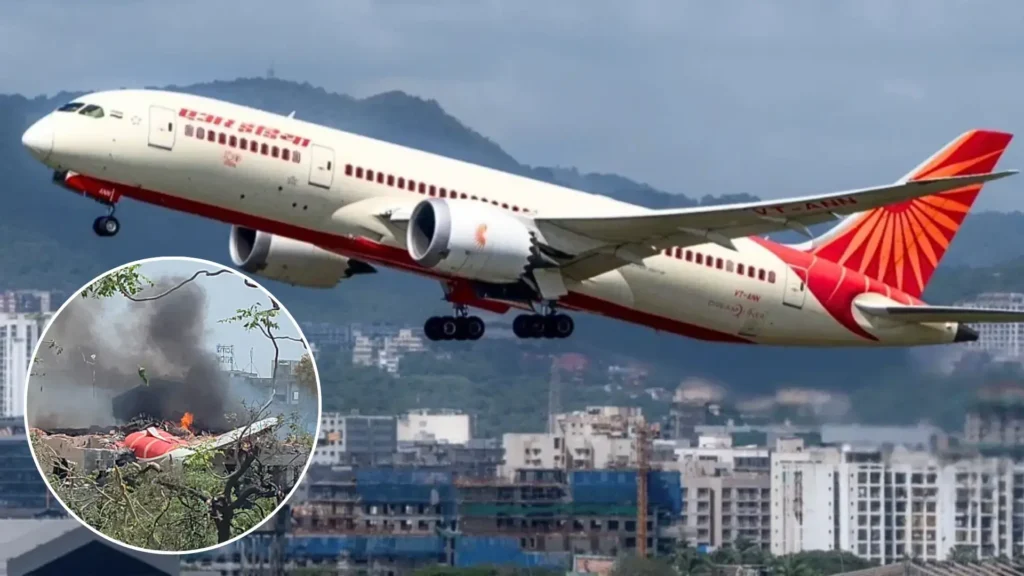
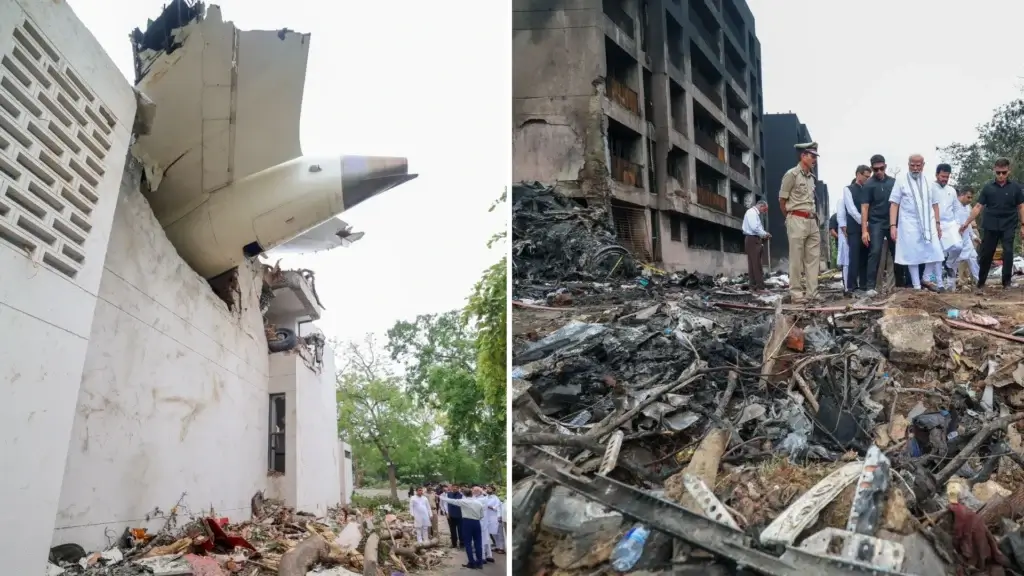
A similar investigation, on a scale smaller than the TWA but no less significant, is the Air India Boeing 787 mishap in Ahmedabad, which claimed 260 lives on June 12, 2025.
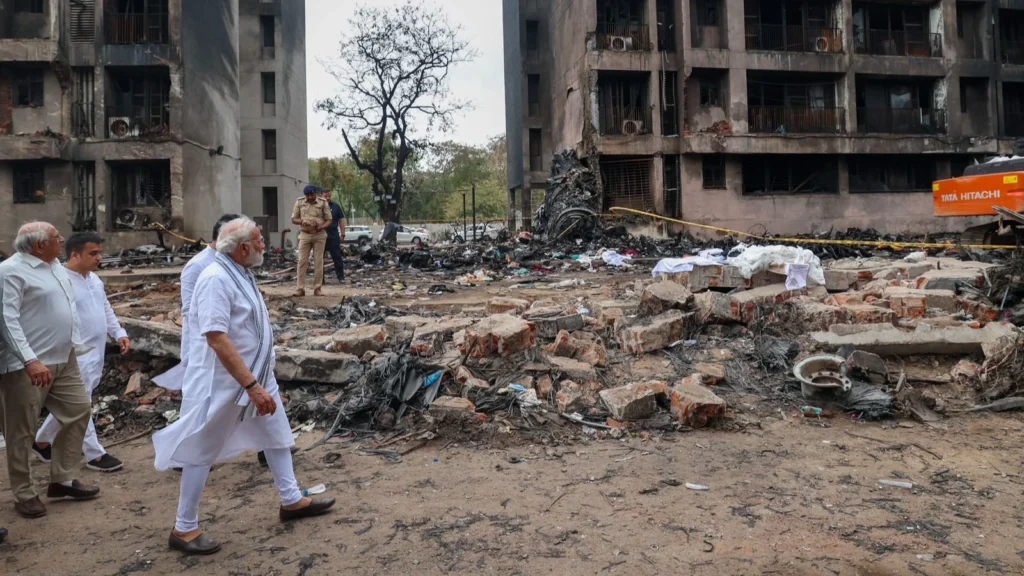
A year since then, investigators in New Delhi say they were still analysing evidence and data but gave no timeline for a final report, as distraught families of the 260 victims pressed for answers on the disaster’s first anniversary last week.
The Ministry of Civil Aviation’s Aircraft Accident Investigation Bureau (AAIB), which is the premier investigator into the crash, said it had made `significant progress’ examining aircraft systems, flight recorder data, engine components, maintenance and operational records. It did not, however, provide a timeline for the final report, explaining that it would be issued only after all analysis is completed and international reviews carried out.
“Over the past year, the investigation team has undertaken an extensive and rigorous examination of all relevant technical, operational, organisational and human factors associated with the accident. This effort has been supported by accredited representatives, technical advisers and subject matter experts from relevant organisations. Significant progress has been made in the examination and analysis of aircraft systems, flight recorder data, engine-related components, maintenance and operational records, and other evidence relevant to the investigation,’’ the AAIB said in a statement.
This update, a year after the June 12, 2025, crash, has been met with disdain from some families, and by a clutch of experts.
The Air India Dreamliner crashed shortly after takeoff from Ahmedabad in the worst global aviation disaster in a decade. Under international rules, a final report is due “if possible” within a year of an accident, but if this is not met, authorities should issue an interim statement on each anniversary.
In its preliminary report on the crash that was released on July 12 last year, AAIB had said the fuel supply to both engines of the plane was cut off within a gap of one second, causing confusion in the cockpit soon after takeoff. The preliminary report showed the Boeing 787’s engine fuel control switches moved almost simultaneously from ‘RUN’ to ‘CUTOFF’, starving both engines of fuel shortly after Flight AI-171 took off for London.
A cockpit voice recording supported the view that the captain cut fuel flow to the engines, according to an early assessment by US officials.
Official sources say that the final report for the June 2025 Air India Boeing 787 crash in Ahmedabad is delayed because investigators are still waiting on comprehensive engine and electrical system examinations. The complexity of the incident requires highly technical reviews across multiple global agencies.
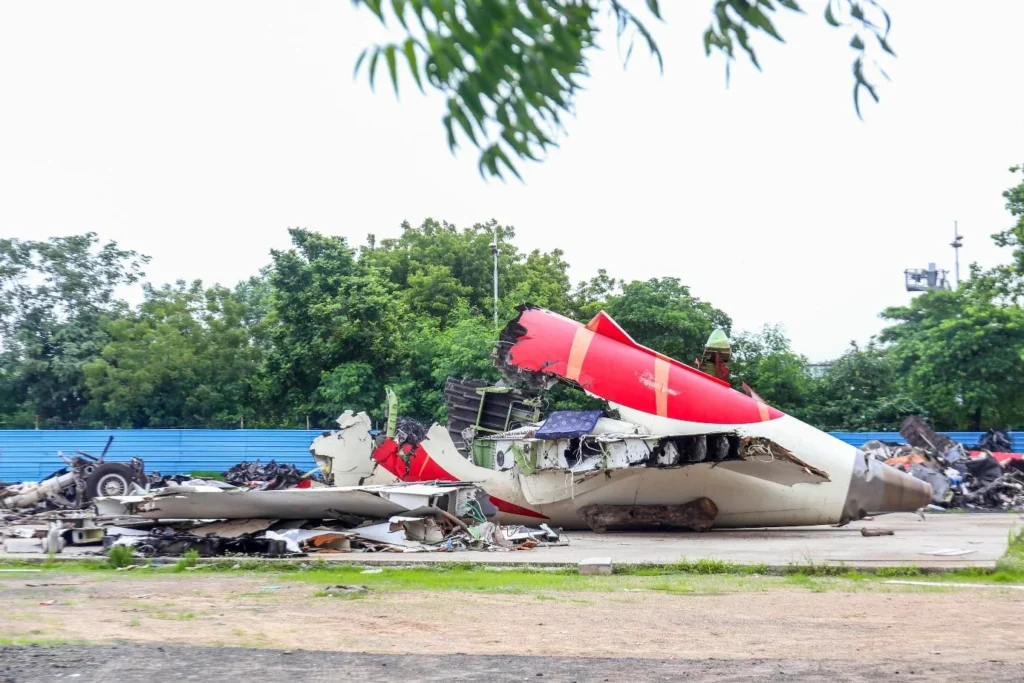
In their estimate, the key factors causing the extended timeline include:
- Pending engine analysis: The investigation centres on the GE Aerospace-made engines. Dismantling and testing these engines in the United States requires specialized tools and facilities, extending the timeline.
- Complex electrical theories: Preliminary findings noted the fuel control switches mysteriously shifted from “RUN” to “CUTOFF” shortly after takeoff. Authorities must determine if this was caused by pilot action or an electrical malfunction.
- Damaged flight recorder: While one Flight Data Recorder was analysed, the rear Enhanced Airborne Flight Recorder was severely damaged and required advanced methods to extract data.
- International coordination: Because of the aircraft’s global components, the investigation involves coordination with US and European regulatory agencies, which slows down the final consensus.
One of the principal reasons for the delay in reaching a conclusion is the scale of the probe. The Ahmedabad crash is a complex, multi-agency investigation involving several aviation and government bodies. It is divided into a technical investigation and a comprehensive high-level government inquiry.
As per Annex 13 of the Convention on International Civil Aviation, the country in which an accident occurs is directly responsible for the official investigation. Which explains that the technical probe is beingconducted by the AAIB to find the root cause of the crash and suggest safety improvements. There is another high-level committee formed under the Union Home Secretary, which is probing all theories surrounding the crash, including potential sabotage and maintenance faults.
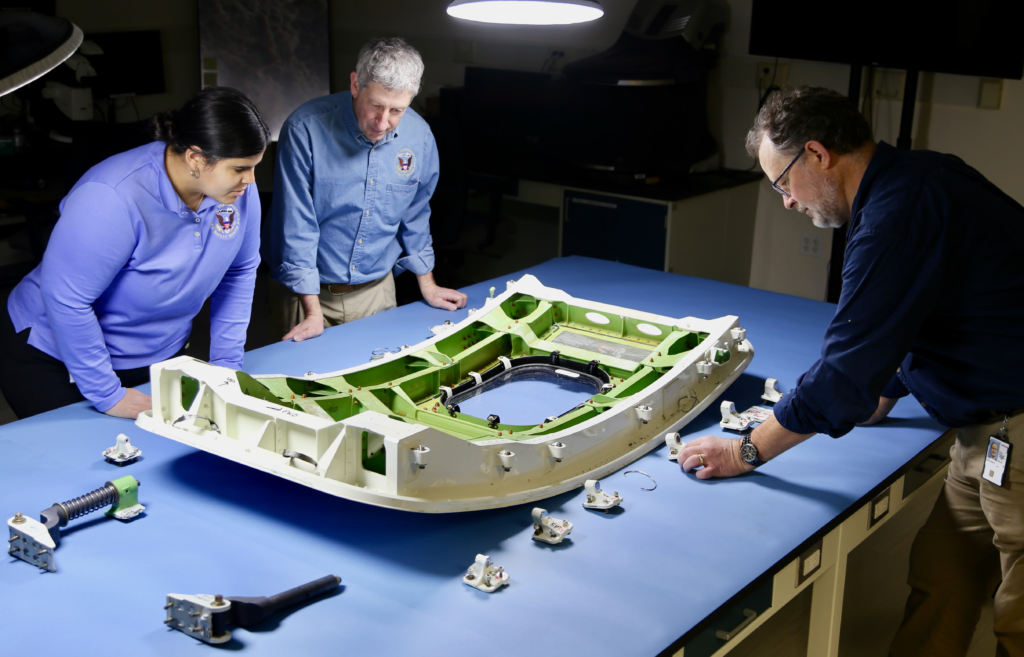
Add to it international collaboration. Because the aircraft and engines were manufactured in the United States, the US NTSB, US aviation regulator Federal Aviation Authority and GE Aerospace are actively assisting Indian authorities. The NTSB sent a delegation, which included technical experts from the manufacturers, Boeing, and GE Aerospace, which built the engines, as well as the FAA. So, all in all a multi-pronged investigation.
According to Annex 13, “the sole objective of the investigation of an accident or incident shall be the prevention of accidents or incidents. It is not the purpose of this activity to apportion blame or liability”.
Clearly, with such an onerous, not to mention delicate mandate, for all the committees and commissions to arrive at definitive conclusions within a time frame, is a tad ambitious. With obviously no deadline, it makes the ending even more fluid.
The Federation of Indian Pilots (FIP) has challenged the preliminary findings of the AAIB, arguing that cascading electrical faults could have led to the switch malfunction or power drop. The Federation says that technical issues or voltage changes can cause a power drop in the main electrical grid. It has made two other points: (a) The fuel shutoff valves use parts called dual-coil latching relays. A relay acts as a remote electrical switch and (b) a sudden electrical surge could trick these relays into switching to the “CUTOFF” state on their own.
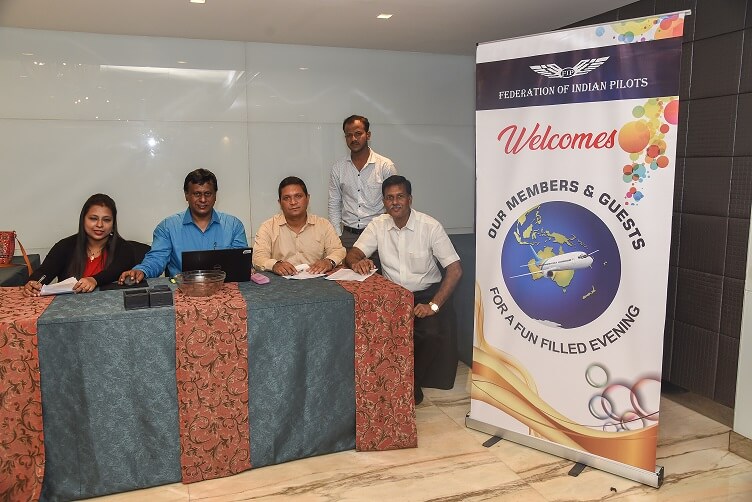
The FIP is urging investigators instead to include independent experts and use flight simulators to test whether this electrical anomaly could shut off both engines within a single second.
Experienced pilots are stressing on electric malfunction as the most likely cause. An Indian Air Force (IAF) veteran, Captain Ehsan Khalid maintains that “a deep analysis of the AAIB preliminary report, CVR/DFDR timelines, cockpit dialogues, technical faults, and passenger testimony tells a different story—one of electrical chaos, not human intent.’’
The wildest is the `suicide’ theory, which alleges that the pilot Captain Sumeet Sabharwal, had mental health issues and deliberately crashed the aircraft. Sabharwal, 56, was commanding the AI-171. With decades of flying experience, Sabharwal had logged approximately 15,600 flight hours, including 8,600 hours on the Boeing 787 Dreamliner.
In an interview aired by the BBC, Pushkar Raj Sabharwal, the deceased pilot’s father, said that his son could not be blamed. He said his son had flown the aircraft for years with an incident-free record. “How can you blame him?” he said.

FIP president C S Randhawa alleged last week that investigators did not give “much importance” to the statement of the lone survivor in the Air India flight 171 crash last year on the “flickering of lights” inside the aircraft, saying that this could have been an important piece of evidence to probe the electrical failure angle.
He said that the FIP has taken up the matter related to the AI-171 probe in multiple ways with the Civil Aviation Ministry, the Aircraft Accident Investigation Bureau probing the crash, and the Indian civil aviation regulator, Directorate General of Civil Aviation (DGCA) in the last one year but there has not been any response from any of them.
Randhawa said that the FIP has “no faith in the investigating team” and the Federation has written about this in its communication to the AAIB, a copy of which has been sent to the Prime Minister’s office.
Randhawa also alleged that “the five-member investigation team of the AAIB was not well qualified for the job. “If you go by Annexure 13 of the International Civil Aviation Organization (ICAO), these gentlemen do not meet the statutory requirements of being investigators of such a horrific crash. We even challenged that,” he said.
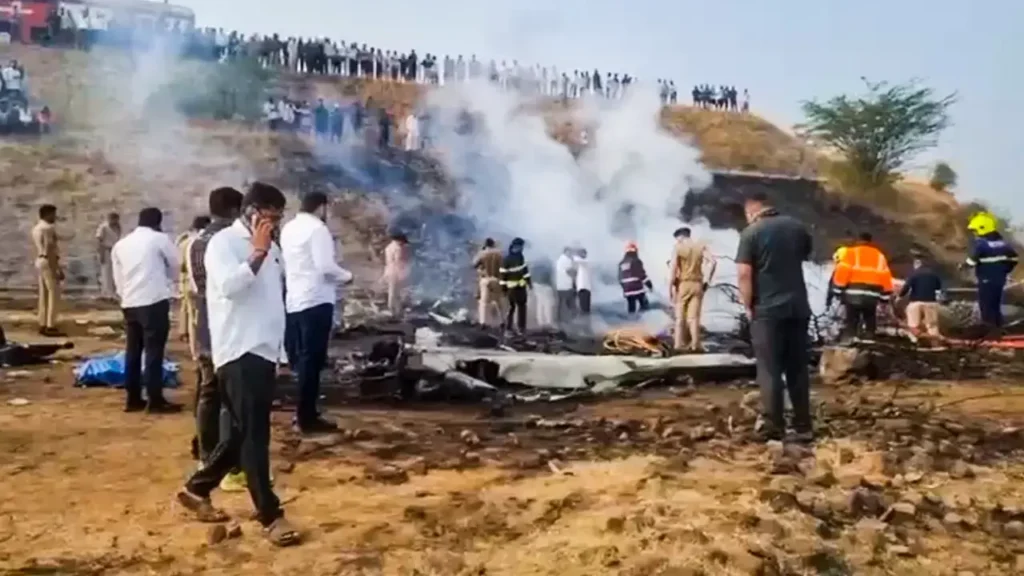
The FIP president went further than most. “When a pilot is alive, he can defend himself. When the pilot is dead, all the agencies can collude – and they put the blame on the pilot, to save the manufacturer. And this is seen the world over. It’s not the first time”.
The intrigue lies in this curious paradox. Despite the open-endedness, the stakes are high. For Boeing, a company already reeling from years of safety scandals, it is about the integrity of one of its top products, the 787 Dreamliner, while Air India, a loss-making airline belonging to the Tata Group, can ill-afford to see its brand tarnished.
Given the political complexities, the high-voltage corporate interests and the global primacy accorded to aviation safety, the outcome of this wide-ranging probe could become a landmark.