

If you don’t have borders, we don’t have a country
Donald Trump on importance of border management

India’s Long and Complex Borders
India has over 15,000 km of borders with seven neighbouring countries. The longest of these borders is with Bangladesh, at 4,096.7 km. The borders with the other six countries are: 3,323 km with Pakistan, including over 700 km of the Line of Control in J&K; 3,488 km with China; 1,751 km with Nepal; 699 km with Bhutan; 1,643 km with Myanmar; and 106 km with Afghanistan in Pakistan-occupied Kashmir (PoK).
From Open Frontiers to Security Consciousness
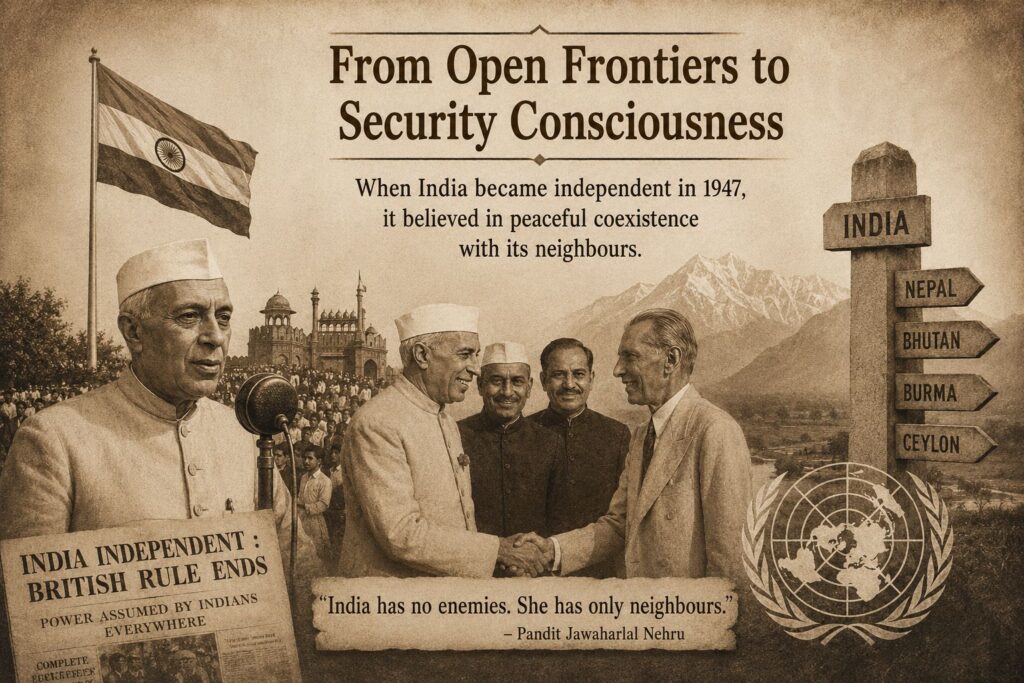
When India became independent in 1947, it believed in peaceful coexistence with its neighbours. Faced with a resource crunch, adequate resources were not available for border security, as the priority was development and the building of institutions.
During the initial years after Independence, movement across the international border, especially along the border with East Pakistan, now Bangladesh, was not difficult because of ethnic, cultural, linguistic and family ties. There are recorded instances of people employed in East Pakistan crossing the border and returning home to India every day.
1962 and 1965: The Turning Points
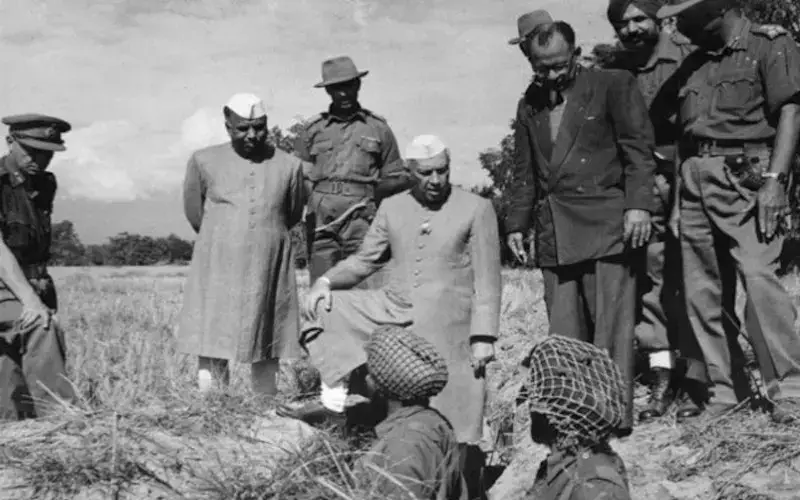
It was the 1962 war with China that created awareness about the need to secure borders through the deployment of a regular force, leading to the raising of the Indo-Tibetan Border Police Force.
Until 1965, State Armed Police Forces were responsible for safeguarding the borders with Pakistan. However, Pakistan’s invasion in Kutch in April 1965 and the India-Pakistan war of August 1965 brought in the realisation of the necessity of ensuring the presence of an armed force capable of bearing the first brunt of an enemy attack and repelling minor incursions, besides being able to assist the Indian Army in the war effort.
The Border Security Force, structured on the lines of an infantry battalion, was thus raised on 1 December 1965.
Kargil Review and the New Border Doctrine
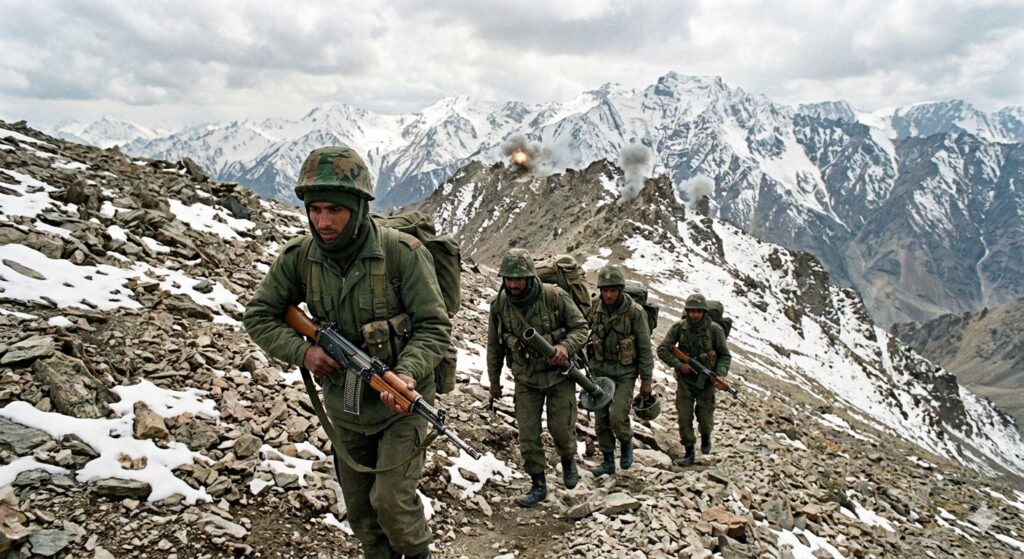
The 1999 Kargil war led to a thorough review of the national security apparatus. In pursuance of the recommendations of the report of the Group of Ministers, the erstwhile Special Service Bureau, or SSB, was converted into a uniformed border-guarding force named Sashastra Seema Bal to guard the open borders with Nepal and Bhutan.
The Assam Rifles was assigned the additional responsibility of guarding the India-Myanmar border.
Different Borders, Different Challenges
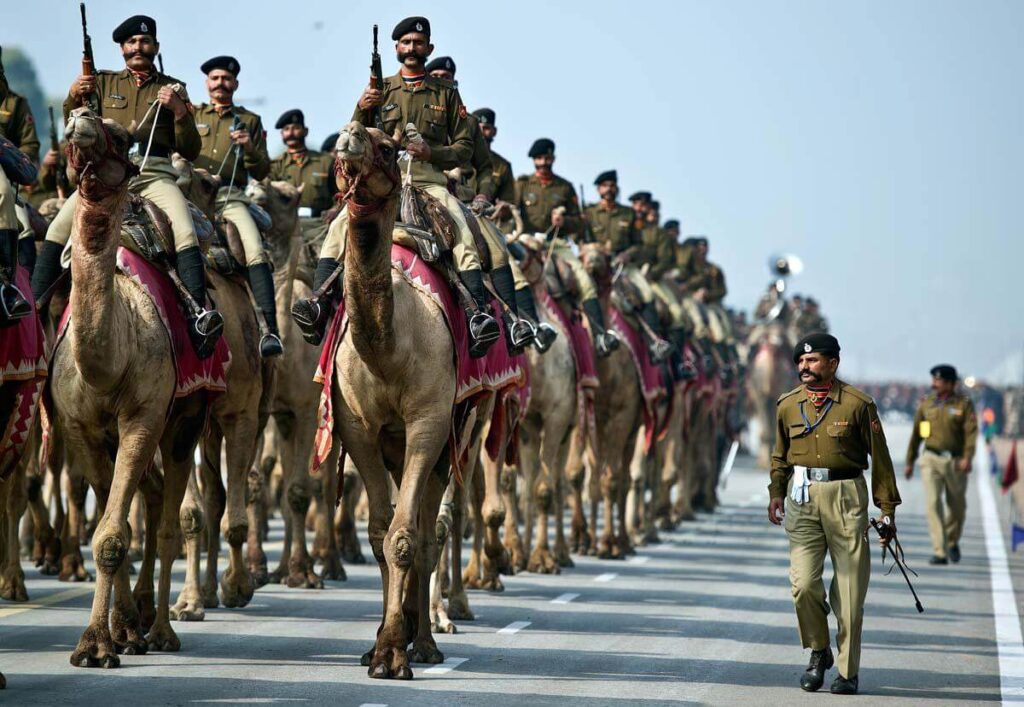
The border-guarding infrastructure along the India-Pakistan, India-China and India-Bangladesh borders is militaristic in nature because of the inimical attitude of Pakistan and China, besides the type of crimes along the India-Bangladesh border and the aggressive conduct of trans-border criminals against security forces.
The borders with Nepal and Bhutan are open borders, with people and local produce being allowed to move across from designated crossing points. Border guarding along these countries has to be more intelligence-oriented in order to check smuggling and prevent foreign nationals, other than citizens of Nepal and Bhutan, from crossing illegally.
The border along Myanmar passes through difficult terrain, and the border-guarding infrastructure along this border differs from that along the borders with Pakistan or Bangladesh. The posts of Assam Rifles are located in the rear, with regular patrolling being carried out either on the basis of intelligence or as a routine measure.
Fencing the Frontiers
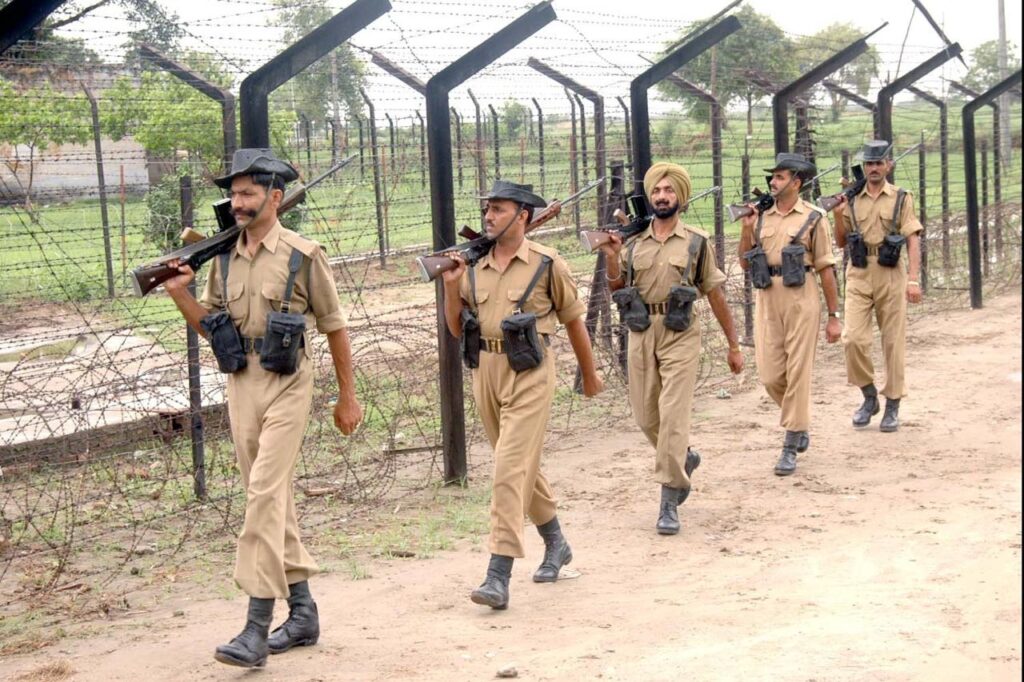
The open support to militancy in Punjab by Pakistan by way of supply of weapons, logistical and financial support to militants, besides drug smuggling, led policy planners to conceive the construction of a fence along the border with Pakistan, initially in Punjab and later along the entire western border.
The fence along the border with Pakistan was completed by the end of the nineties. The success of the fence in curbing militancy and trans-border smuggling led to the construction of a fence along the border with Bangladesh, of which 97% of the sanctioned length has been completed.
Most of the remaining stretch of over 700 km has not been constructed because of multiple reasons, such as unfeasibility due to terrain configuration, objections by Border Guard Bangladesh to the construction of the fence within 150 yards of the international border, and non-availability of land in some cases.
Aims of Border Management
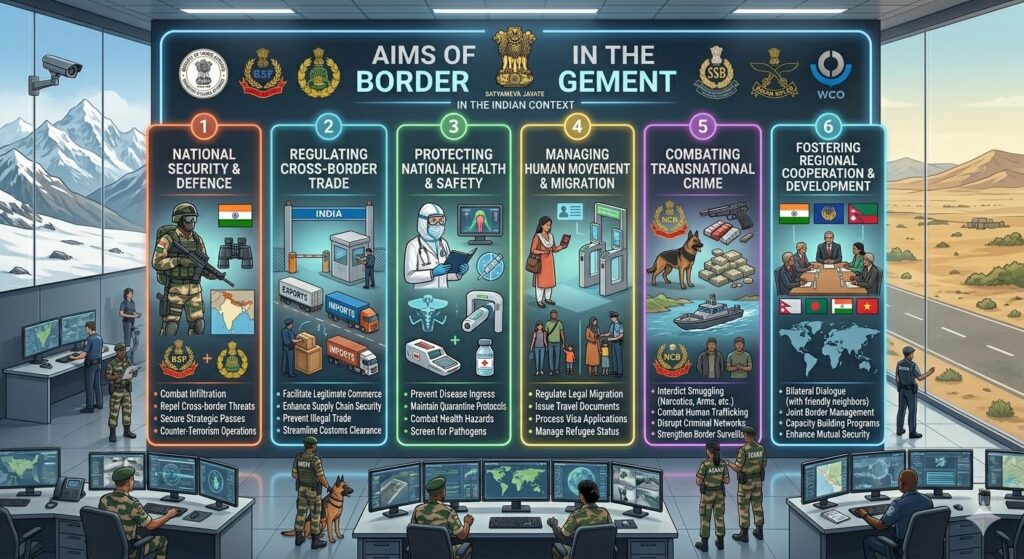
The aims of border management in India can be briefly described as follows:
- addressing security concerns at the national level;
- achieving socio-economic prosperity of border inhabitants; and
- ensuring emotional integration of the border population with the mainstream.
In accordance with the above aims, the tasks of the border-guarding forces of India include inculcating a sense of security among the border population, besides preventing trans-border crimes and smuggling.
Border Management Is Not a Single-Agency Function
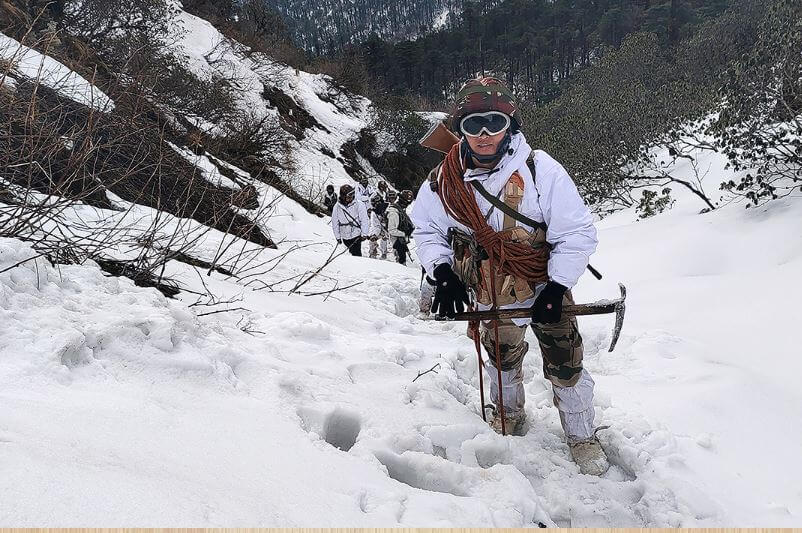
The Group of Ministers set up after the Kargil war rightly identified that border management is not the function of a single entity. It stated that all agencies operating in the vicinity of the border must work in coordination.
It recommended that all these agencies, namely Border Guarding Forces, state and district administration, police, customs, immigration authorities, intelligence agencies, defence forces, and last but not least, the border population, must work in coordination to ensure proper management.
It was thus realised that there are aspects of border management which are much wider than mere border security.
Beyond Security: Development and Human Concerns
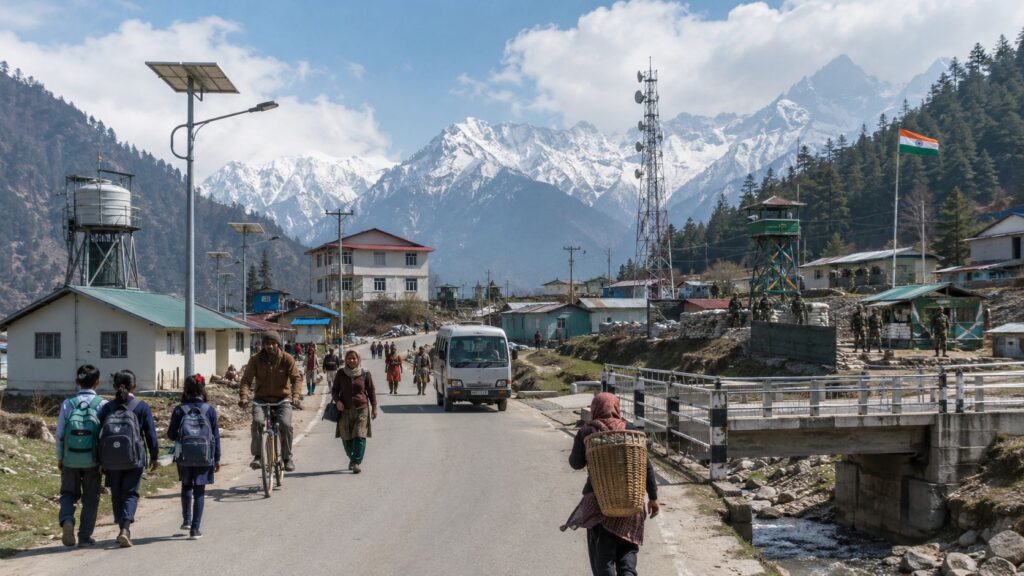
Border management, therefore, includes the development of infrastructure in border areas to enhance the quality of life of the residents and inculcating skills among them to make them employable. It also involves ensuring the smooth flow of goods and people, while at the same time preventing the illegal movement of people and goods across the border.
With these aims in mind, the Government of India initiated a Border Area Development Programme in the early 1990s, for which funds were allocated to the bordering states for the development of infrastructure in border blocks. A small percentage of BADP funds is also allocated to Border Guarding Forces for creating infrastructure that benefits both the border community and the security forces.
Civic Action and Community Outreach
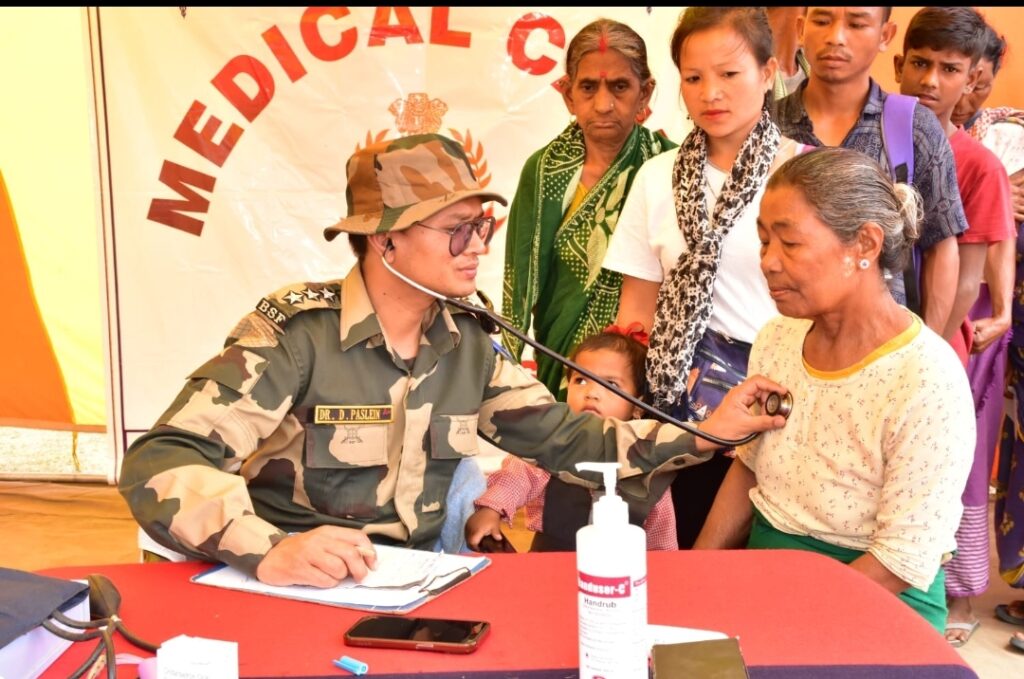
Additionally, Civic Action Programmes (CAP) are also carried out by the Border Guarding Forces in border areas, for which funds are directly allocated to them. Besides utilising CAP, the Border Guarding Forces also help the border population by equipping them with various skills such as driving, motor mechanics and computer operations.
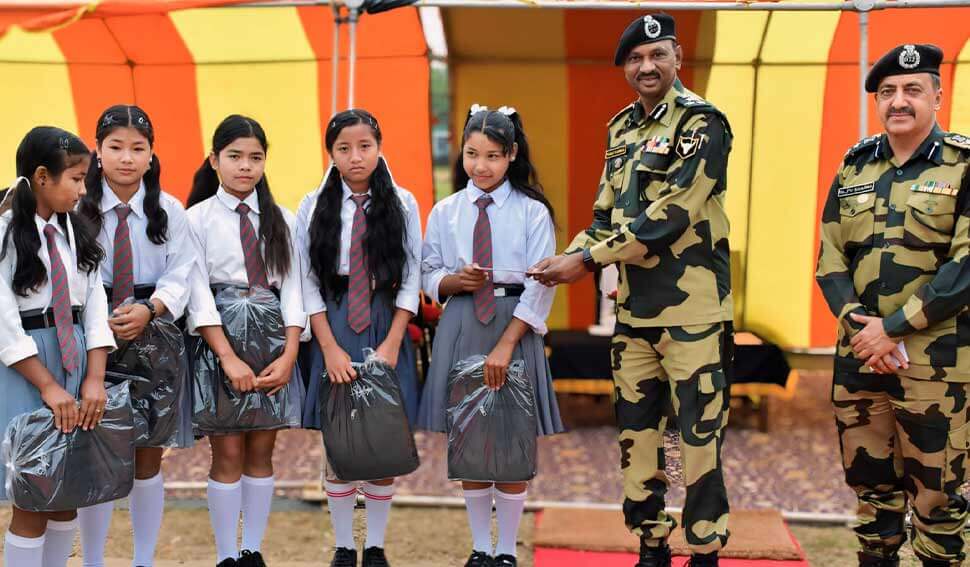
The Border Guarding Forces also use CAP to procure various necessary items, including furniture for schools or community halls, computers for schools, and assistive aids for physically challenged people in the border areas.
The Border Guarding Forces are increasingly realising the importance of human aspects without compromising security. With this in mind, the BSF has recruited women in large numbers to facilitate the movement of women across the fence. This has removed the difficulty that women earlier faced while crossing the fence for farming activity.
Land Ports and the New Era of Cross-Border Movement
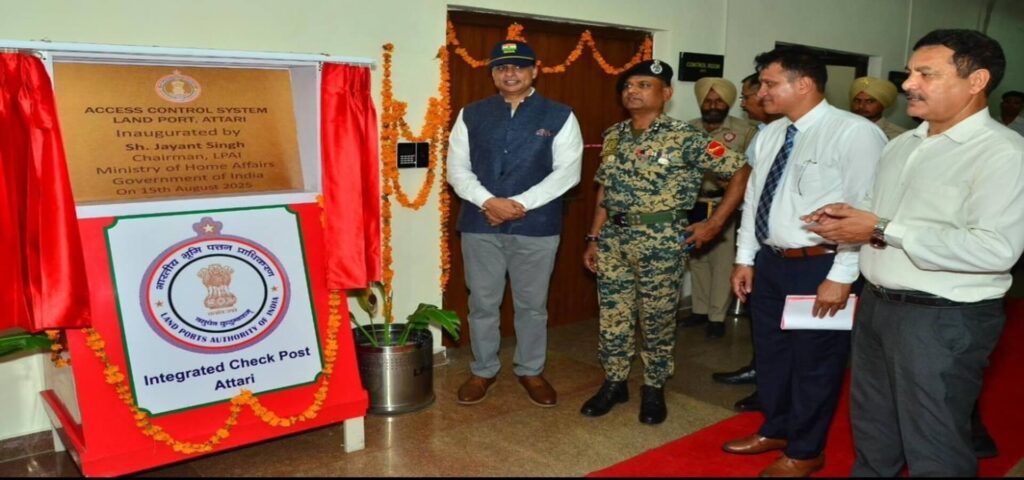
The scope of border management has further expanded with the creation of the Land Ports Authority of India, which is responsible for creating land ports and Land Customs Stations to facilitate the movement of people and goods across the border.
This has also enhanced the scope for cooperation between the agencies of neighbouring countries in order to facilitate the smooth operation of activities at these land ports and customs stations.
From Border Security to Border Management
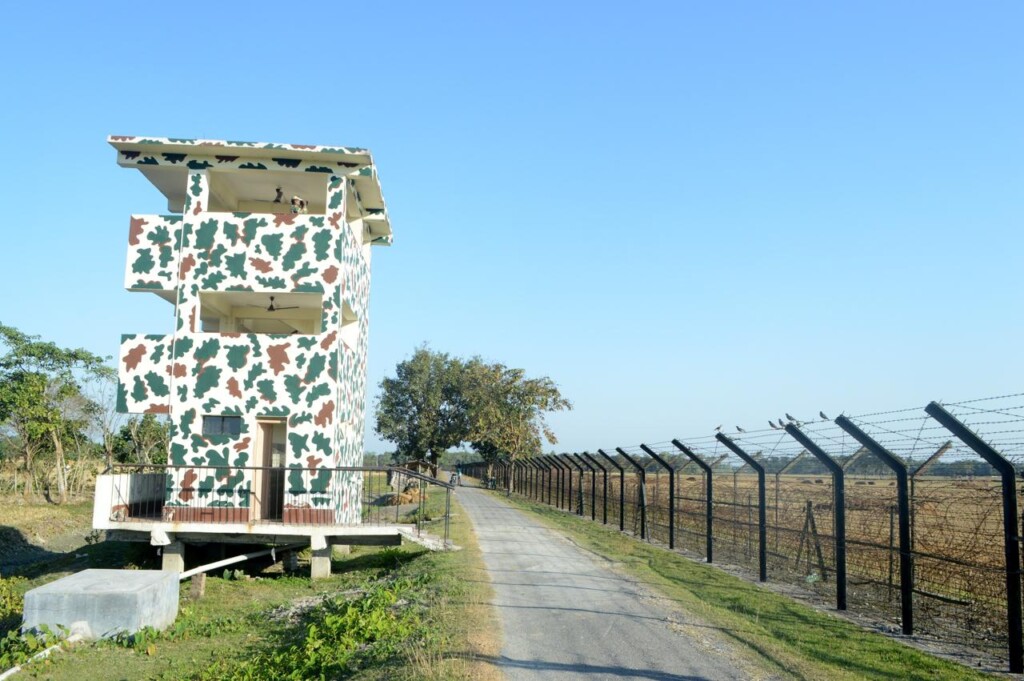
It may thus be seen that border management in India has evolved over the years from almost negligible security until the mid-sixties to strict, militarised border security. It is now slowly progressing towards comprehensive and coordinated border management involving agencies operating on the border, both within India and in neighbouring countries.
Border management is gradually giving greater importance to people living along the border without compromising security.