

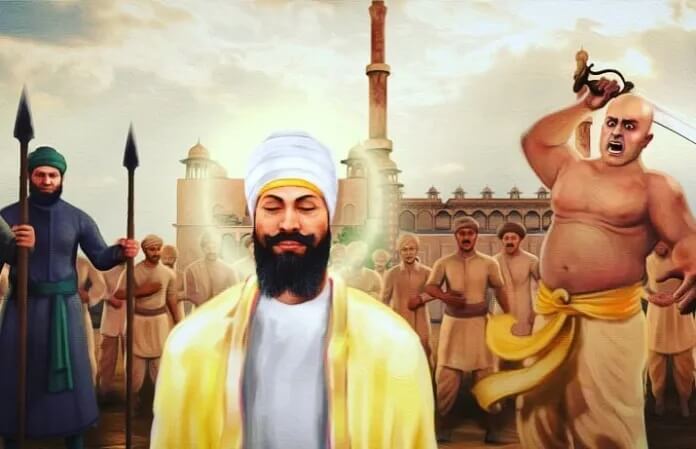
On November 24, 1675, Guru Tegh Bahadur, the ninth Sikh Guru, was executed in Delhi under the orders of Mughal Emperor Aurangzeb because he refused to renounce his faith and dared to voice his opinion in favour of the Kashmiri Pandits’ right to practice theirs. This act of supreme courage is remembered each year as Shahidi Divas. In 2025 India marks the 350th anniversary of his sacrifice—a moment that calls for reflection not only on history but on the values we choose to uphold today.
A Martyrdom Without Parallel
Guru Tegh Bahadur’s martyrdom was unprecedented. He did not die for political power or the expansion of his community. He died for a principle: that freedom of conscience is inviolable. His stand was not for Sikhs alone—it was for Hindus, Muslims, and all who wished to worship freely. For this, he earned the title Hind di Chadar—the Shield of India.
Historical Context
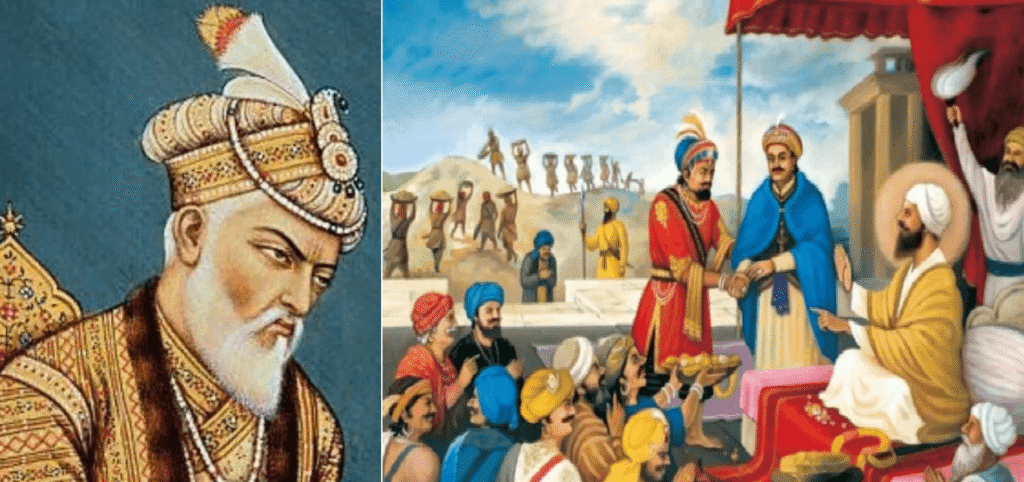
The 17th century was a turbulent era in India. Aurangzeb’s reign was marked by attempts to impose religious conformity, and the Kashmiri Pandits, facing forced conversions, turned to Guru Tegh Bahadur for protection. The Guru’s response was not to raise an army or wage war, but to embody resistance through moral courage.
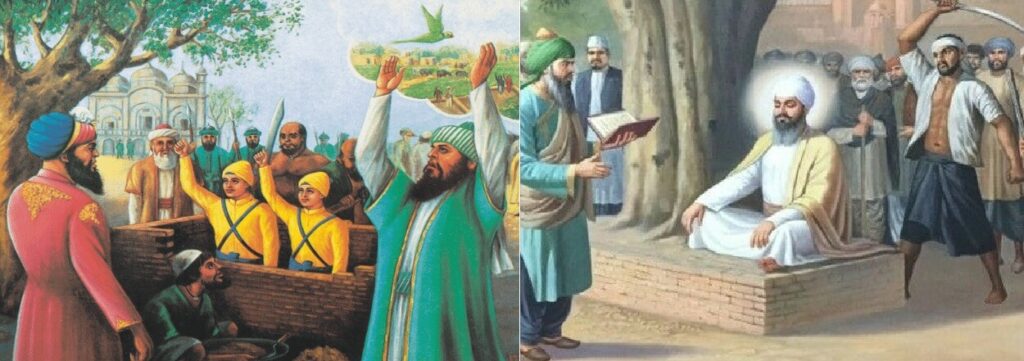
When summoned to convert, he refused. His companions—Bhai Mati Das, Bhai Sati Das, and Bhai Dyala—were tortured and executed before his eyes. Yet he remained steadfast. Finally, he was beheaded in Chandni Chowk, Delhi. His body was left in public as a warning, but Sikhs risked their lives to give him a proper cremation. This act of defiance became a cornerstone of Sikh identity and laid the foundation for the Khalsa, established later by his son, Guru Gobind Singh.
Why Shahidi Divas Matters Today
Commemorating Shahidi Divas is not about ritual alone. It is about recognizing that Guru Tegh Bahadur’s sacrifice speaks directly to the challenges of our own time:
- India’s strength has always been its diversity. Guru Tegh Bahadur’s stand reminds us that protecting others’ rights is the highest form of patriotism.
- His martyrdom was in defence of humanity’s right to worship freely. In an age of rising majoritarianism, his example is a rebuke to narrowness.
- He chose death over compromise. His sacrifice challenges us: are we willing to defend the rights of others, even when it costs us personally?
A Call to Conscience
Guru Tegh Bahadur’s martyrdom is a reminder that true loyalty lies in defending justice. He did not die to impose his faith; he died to protect another’s. That is the highest form of moral courage.
Commemorating Shahidi Divas must therefore go beyond ceremonial observances. Lighting candles or reciting hymns is not enough. The true tribute lies in living his values—speaking against injustice, protecting the vulnerable, and defending pluralism.
Global Resonance
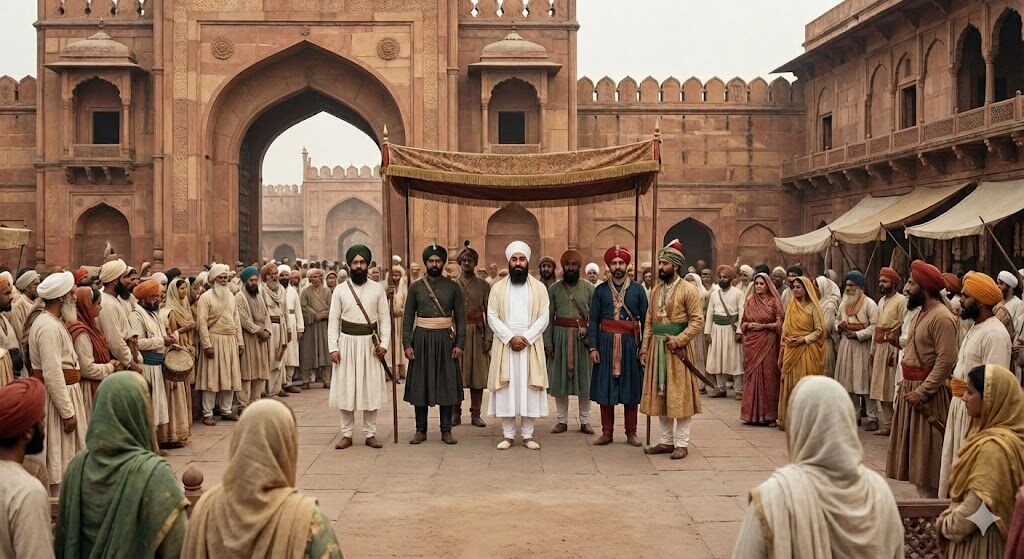
Guru Tegh Bahadur’s sacrifice is not just Sikh history—it is human history. His martyrdom resonates globally because it embodies a universal principle: the right to freedom of conscience.
- In Europe, philosophers like John Locke were writing about religious tolerance around the same time. Guru Tegh Bahadur lived it.
- In America, centuries later, the First Amendment enshrined freedom of religion. Guru Tegh Bahadur died for it long before it was codified.
- In modern democracies, where debates about identity and belonging rage, his example reminds us that protecting others’ rights is the truest measure of liberty.
Lessons for Leaders and Citizens
For political leaders, Shahidi Divas is a reminder that power must be exercised with humility. Aurangzeb’s attempt to impose conformity failed, not because of armies, but because of one man’s refusal to bow.
Also Read: Blood and Betrayal: 106th Anniversary of Jallianwala Bagh massacre
For citizens, it is a call to vigilance. Freedom of conscience is fragile. It can be eroded not only by authoritarian rulers but by silence and indifference. Guru Tegh Bahadur’s sacrifice challenges us to ask: are we willing to speak out when others are persecuted?
The 350th Anniversary: More Than Commemoration
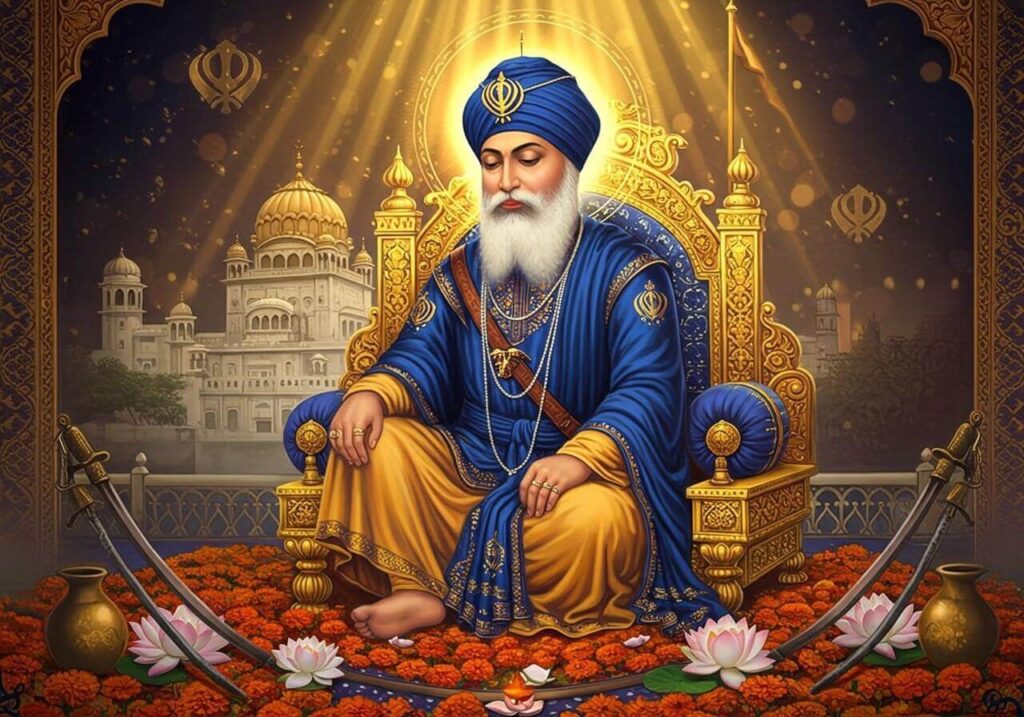
350th anniversary of Guru Tegh Bahadur’s martyrdom is a milestone. Shahidi Divas is not just about remembering a past sacrifice—it is about asking whether we are living up to its legacy.
Conclusion: The Shield We Must Become
Guru Tegh Bahadur’s Shahidi Divas is not merely a day of remembrance. It is a call to conscience. His martyrdom reminds us of that justice, dignity, and freedom of worship are non-negotiable. As India marks 350 years of his sacrifice, the question is not whether we honour him with words, but whether we honour him with actions.
He was the Shield of India. The challenge before us is whether we, too, are willing to become shields—for pluralism, for compassion, for freedom. That is the true meaning of Shahidi Divas.