

With a new high-level committee formed to study India’s demographic shifts—and fresh electoral triumphs in West Bengal and Assam—the BJP is dramatically escalating a decades-long campaign against illegal migration.
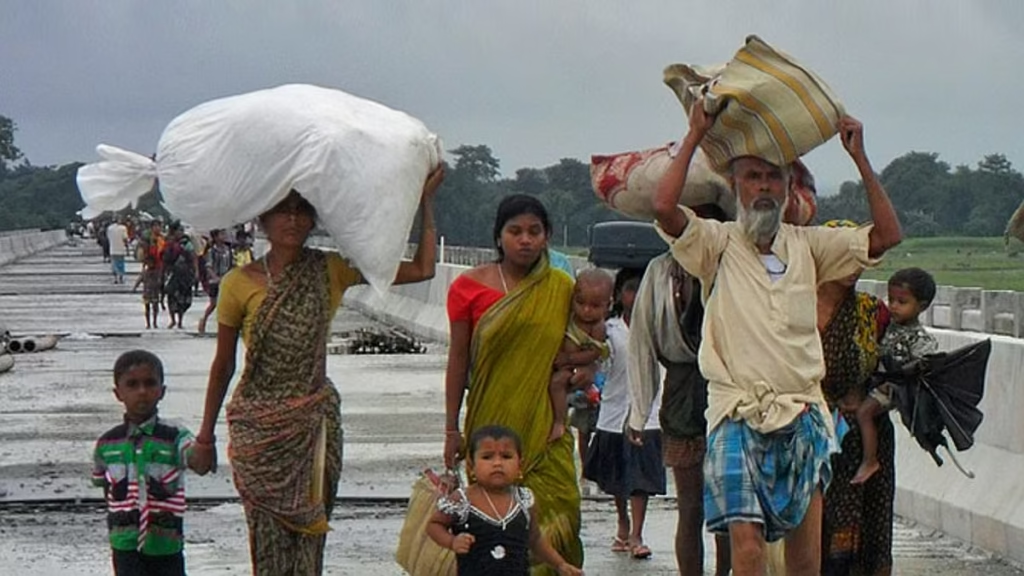
India has decided to take its fight against illegal migration to another level. While political parties in the country have traditionally highlighted illegal migration from neighbouring countries, notably Bangladesh, as a trigger for demographic change, for the ruling BJP, it is pretty much an article of faith.
On May 26, the Indian government constituted a high-level committee to study unnatural demographic changes caused by illegal immigration and other abnormal factors. Headed by retired Supreme Court judge, Justice Prakash Prabhakar Naolekar, the panel will analyse population shifts and recommend time-bound administrative and policy solutions.

The five-member Committee, which will submit its recommendations within a year, will conduct a comprehensive study on the impact of cross-border infiltration and irregular population mobility on India’s demographics. Crucially, it will evaluate abnormal population shifts and trends at the level of specific religious and social communities.
The committee will address government concerns that unnatural demographic changes pose a threat to national sovereignty, law and order, and the preservation of tribal societies, particularly in border regions.
It proposes actionable legal and administrative mechanisms for the identification and deportation of illegal immigrants, strengthen order management, and improve centre-state coordination.

The powerful Federal Home Minister, Amit Shah, said in a social media post: “Demographic change is a serious problem linked not only to our sovereignty but also to national security, law and order, major changes in social structure, and the protection of tribal societies.” The panel will analyse the “patterns of abnormal population changes at the level of religious and social communities” and will present solutions to address the problem, he added.
Illegal migration has been a core pillar of the BJP’s political agenda and campaigns for decades. The party has historically cantered its platform on the detection, deletion of voter rolls, and deportation of undocumented immigrants, twin-tagging the issue with national security and demographic protection.
In 1998, a report to the President of India by then Assam Governor Lt. Gen. S.K. Sinha, warned that unabated illegal migration from Bangladesh was altering the state’s demographic profile. It concluded this influx posed a grave threat to both indigenous Assamese identity and Indian national security. The former General was ideologically aligned to the BJP.
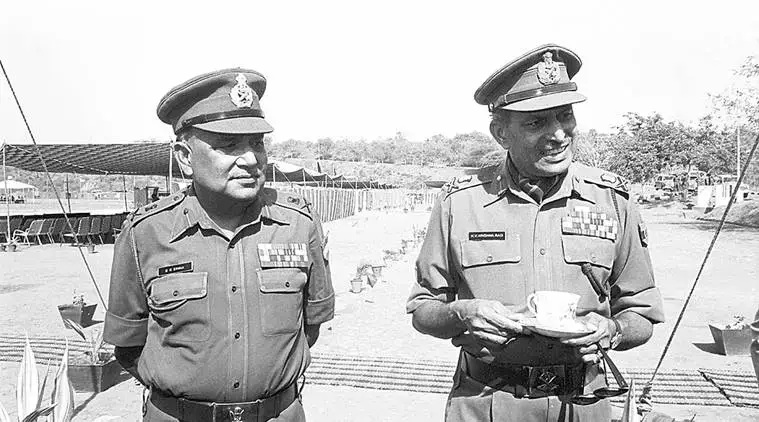
His core findings had created a splash in the country, several decades ago. The report highlighted a steep rise in the Muslim population, warning it could reduce the indigenous Assamese people to a minority, similar to the historical demographic shifts in Tripura and Sikkim.
The silent demographic alteration in border districts was flagged as a strategic threat that could sever the land link connecting the Northeast to the rest of India.
Significantly, the report heavily criticized the Illegal Migrants (Determination by Tribunals) Act, 1983 (IMDT Act), arguing that its complex provisions made it nearly impossible to deport illegal migrants. Sinha strongly recommended its repeal. He proposed that identified illegal migrants be stripped of voting rights, declared stateless, and issued work permits, rather than receiving full citizenship rights.
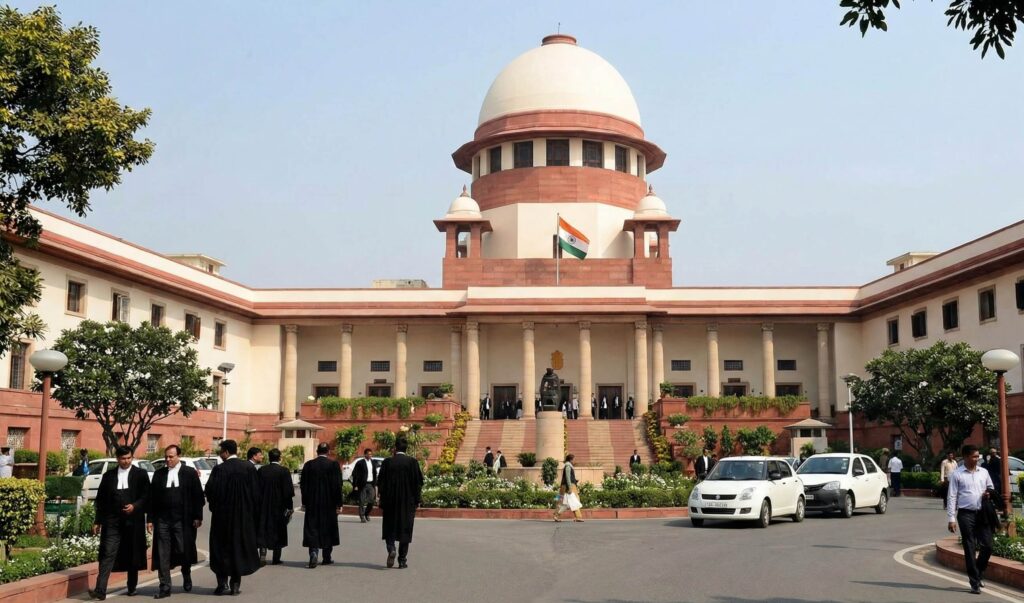
Sinha’s report served as a primary catalyst in the legal and political battles against illegal migration. It was prominently referenced by the Supreme Court of India in 2005 when the court struck down the IMDT Act, ruling it a major barrier to the detection and deportation of illegal foreigners.
More recently, the BJP championed the controversial Citizenship (Amendment) Act, 2019, to expedite citizenship for religiously persecuted non-Muslim minorities from neighbouring countries, while excluding Muslims. In Assam, the party drove the update of the National Register of Citizens (NRC) to weed out illegal settlers.
It has pledged to strictly seal the country’s porous international borders. Senior leadership has consistently directed border forces to curb infiltration and established frameworks like immigration, Visa, Foreigners Registration and Tracking System or the IVFRT system to monitor foreign nationals.
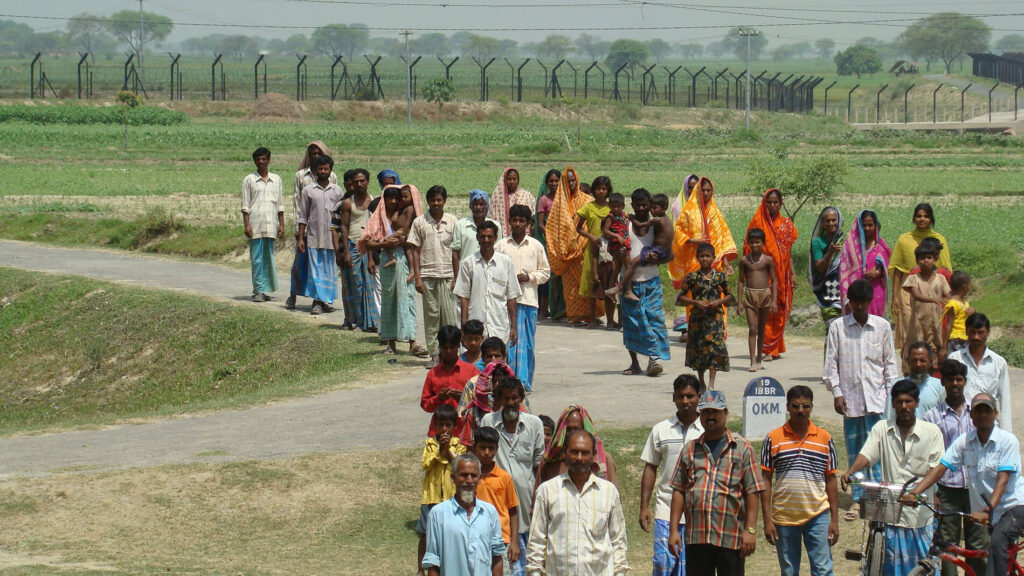
This decades-old campaign has got a significant leg up since the recent decisive election victories in West Bengal and Assam, which have galvanized the BJP’s anti-immigration thrust, allowing the party the much-needed political consensus for putting its strategy on ground. With the party now consolidating its hold over roughly 80% of the Indo-Bangladesh border, the government has moved quickly to strengthen cross-border security and accelerate deportation policies.
Noted the Times of India: “The BJP’s unprecedented Bengal win, part of a broader sweep in eastern border states, is being rapidly translated into policy moves such as land transfers for border fencing and central control of strategic highways in the Siliguri Corridor. Assam’s ‘pushback’ model against alleged illegal immigrants may influence Bengal’s approach…’’
The powerful Amit Shah has launched a comprehensive four-state border review to deploy; smart border projects; and tighten surveillance across the West Bengal and Assam frontiers.
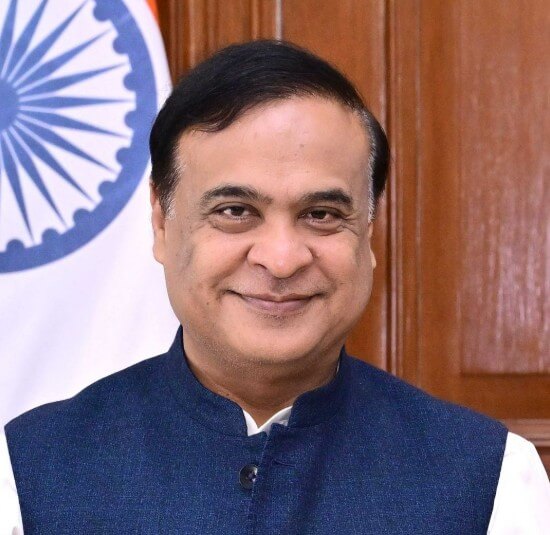
BJP’s Assam Chief Minister Himanta Biswa Sarma cited the Bengal victory – where the party is comfortably in power – as the missing link; needed to effectively check the influx of illegal immigrants. The BJP argues that previous state leaders obstructed central attempts to fence the borders, a roadblock they claim to have now removed.
In states like Assam and West Bengal, the BJP has aggressively pursued the identification of undocumented migrants. Following recent state elections, the new BJP-led administration in West Bengal deployed; detect, delete, and deport policy, which has led to large groups of undocumented individuals gathering at border check posts.
The Federal government’s passion on the subject can be gauged from the fact that Amit Shah has begun a month-long review of India’s western and eastern frontiers, starting in Rajasthan’s Bikaner before moving to Gujarat’s Harami Nala, Tripura, and West Bengal.
His agenda includes unveiling “smart border projects using drones, radars, and smart cameras, and addressing issues like infiltration, smuggling, and trafficking. The Bengal leg in mid-June next month will focus on Indo-Bangladesh border security, following the new state government’s pledge to act on illegal immigration.
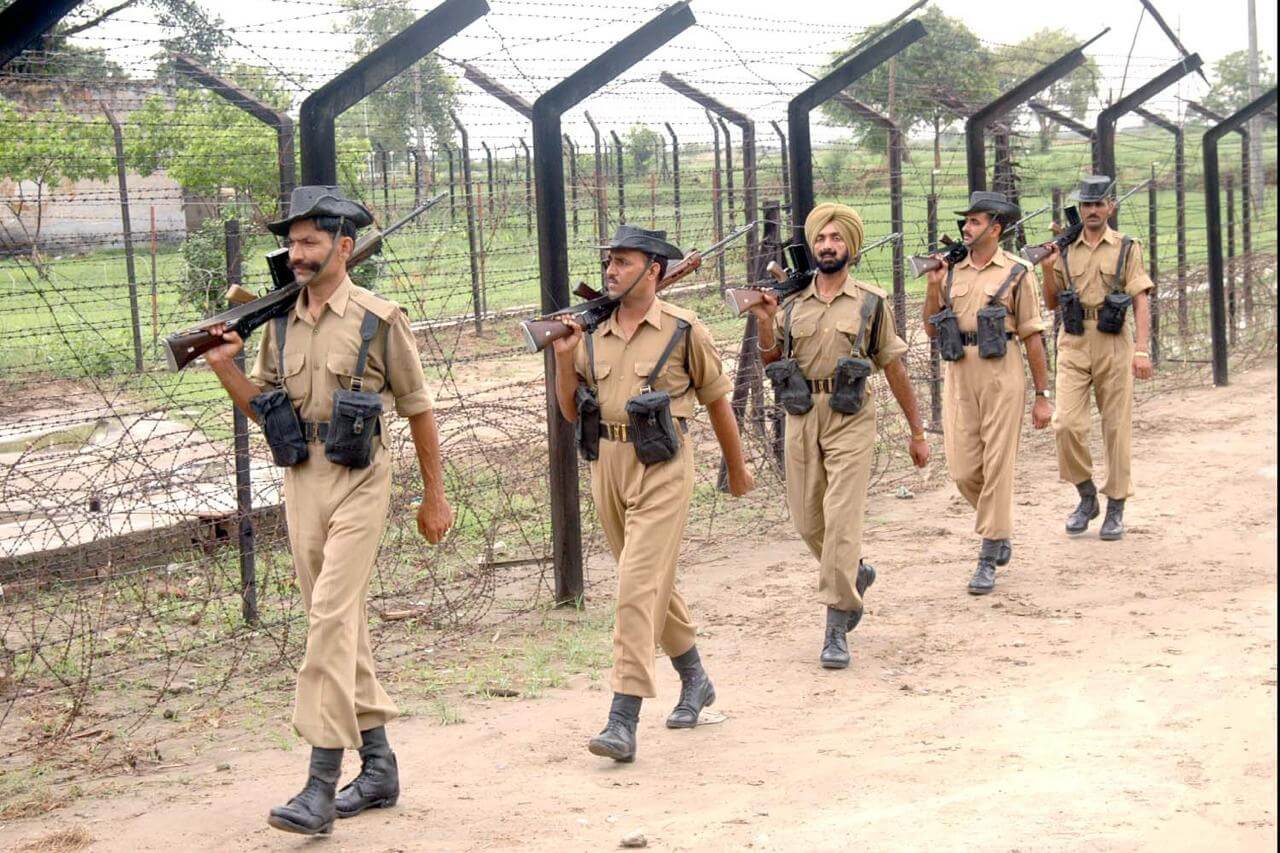
The BJP’s control of Bengal, Assam, and Tripura — plus an ally in Meghalaya — puts most of the 4,096 km India-Bangladesh border under its governance. This alignment removes a key obstacle to the Teesta water-sharing pact, long blocked by former West Bengal Chief Minister Mamata Banerjee, but also heightens Dhaka’s concerns about ‘push-in’ of undocumented migrants.
Traditionally, India views unchecked migration as a severe threat, as unauthorized border networks are routinely used for smuggling narcotics, cattle, and counterfeit currency, and are sometimes linked to trans-border extremist groups.
What hasn’t helped is the political situation in Bangladesh, which has led to increased vigilance, as security agencies note a surge in infiltration attempts. To counter these vulnerabilities, India is rapidly upgrading its eastern border grid with the help of its Smart Border Project.
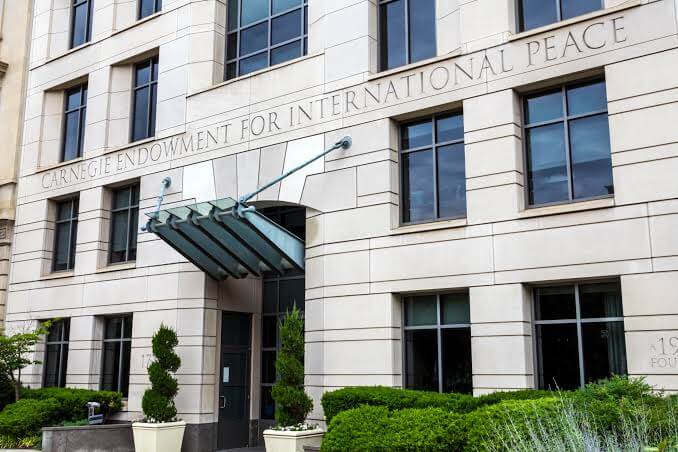
According to the Carnegie Endowment Foundation, of India’s eight Northeast states, in three – Assam, Tripura, and Meghalaya—large-scale historical immigration has significantly altered demographic patterns. This shift has frequently overwhelmed local resources, reduced employment opportunities for indigenous communities, and sparked violent ethnic and social conflicts.
The issue has fuelled intense, decades-long political debates. Millions of migrants have quietly integrated into the informal, low-end labour markets of major Indian cities like Delhi, Mumbai, and Kolkata.
Concerns remain that migrants have been illegally enrolled in voter lists and leveraged as political vote banks, making it incredibly difficult to distinguish them from legal citizens, says the Citizens for Justice and Peace.
Enforcing deportations and implementing identity verification efforts have caused severe diplomatic friction with Bangladesh. Following political shifts and renewed crackdowns – particularly in states like West Bengal and Assam – hundreds of individuals have been pushed back or detained, prompting the Bangladeshi government to warn against unilateral deportations and push-in tactics.
India has urged Bangladesh to speed up the nationality verification for thousands of suspected illegal immigrants to ensure repatriation proceeds in a lawful manner.
According to official estimates, India has deported over 6,000 undocumented Bangladeshi nationals in recent years, with large-scale crackdowns spanning multiple states. Major operations and recent enforcement trends highlight this ongoing enforcement.
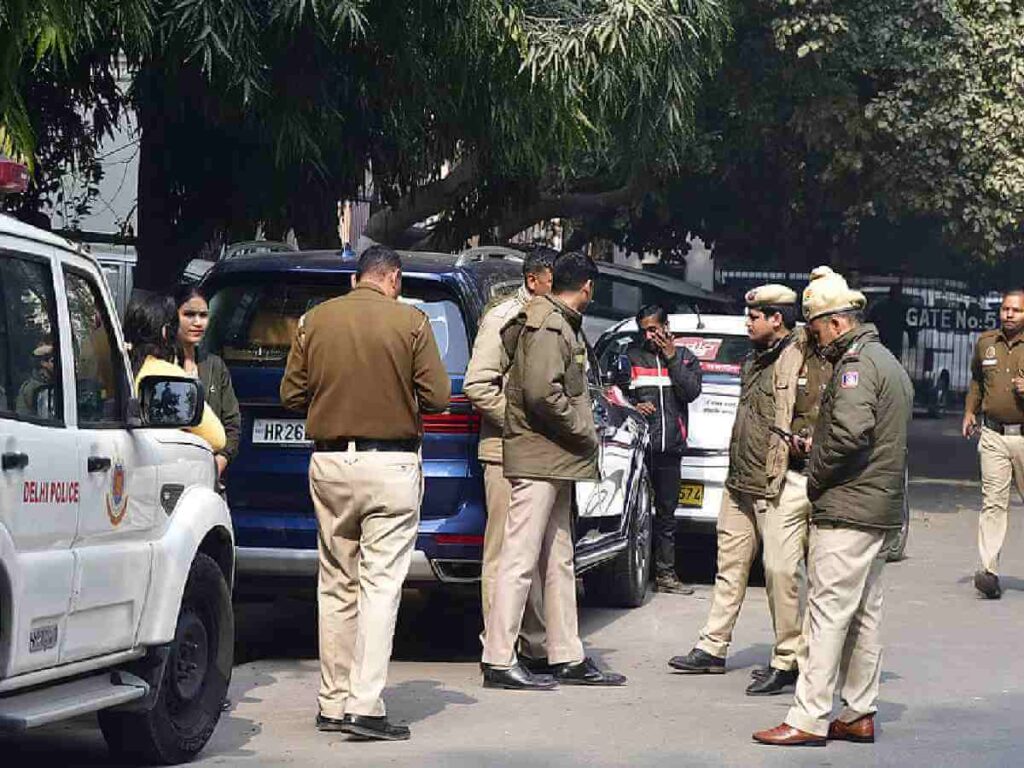
In 2025, 2,200 such individuals were deported in Delhi, where the Delhi Police, working with the Foreigners Regional Registration Officer (FRRO) conducted a major crackdown. This included utilising special flights to transport undocumented migrants to border states like Tripura for deportation.
Since May 7, 2025, when the Union Government launched Operation Sindoor, a massive, coordinated crackdown has led to the detention and covert deportation of over 2,000 individuals suspected of being undocumented Bangladeshi immigrants. These so-called “pushbacks” — many reportedly carried out without any judicial oversight or deportation orders — have spanned across the country, raising grave questions about legality and human rights.
According to media reports, the operation began following a nationwide verification exercise and has seen immigrants rounded up from states as far apart as Gujarat, Delhi, Haryana, Assam, Maharashtra, Rajasthan, Uttar Pradesh, and Goa. Most of them are then flown by Indian Air Force aircraft to border states such as Tripura, Meghalaya, and Assam — where they are held in makeshift camps, handed over to the Border Security Force (BSF), and “pushed back” across the border into Bangladesh, often within hours.

Meanwhile, states like Assam continue to enforce deportation procedures. For example, a recent sweep saw over 100 individuals—including mixed demographics from Sylhet—turned over to Border Guard Bangladesh (BGB) authorities.
According to India’s Ministry of External Affairs, over the last 20 years, tens of thousands of undocumented Bangladeshi nationals and those overstaying visas have been identified and deported from India. While precise numbers vary, overall estimates exceed 40,000 individuals over this period.
Officials say that the deportation of illegal immigrants is continuous process executed under the Foreigners Act, 1946. It typically involves the Border Security Force (BSF), State Police, and the FRRO.
Detainees are held in specialized facilities—with West Bengal recently mandating designated holding centres for those awaiting repatriation—before being transport ted by road, train, or special aircraft to the border for transfer to Bangladeshi authorities.
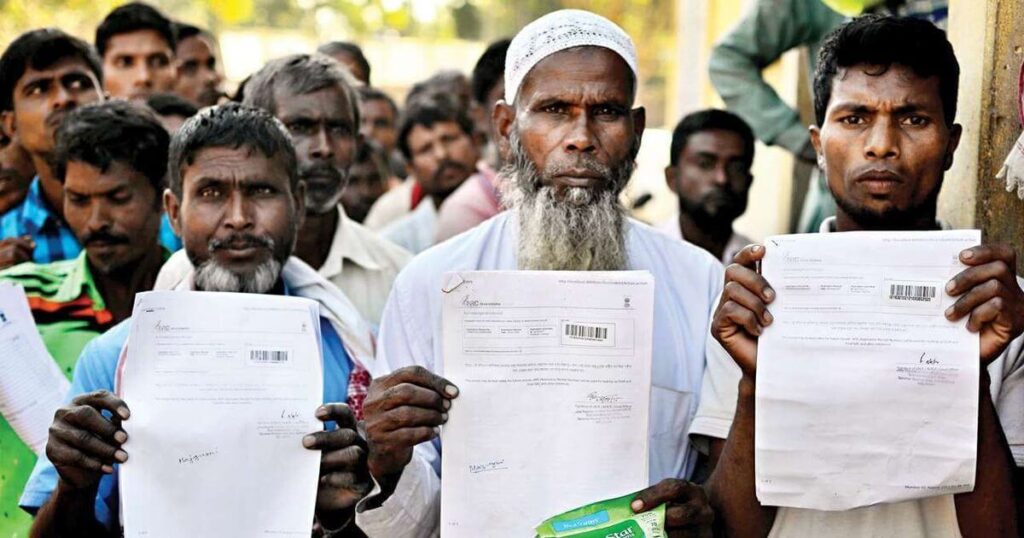
While the state presents this as a national security achievement, human rights advocates warn that such sweeping actions, especially those involving families with children, may sidestep critical legal safeguards, including the right to a fair hearing, protections under the Foreigners Act, and India’s obligations under international human rights law.
Human rights activists and legal advocacy groups are fiercely protesting ongoing deportations of alleged Bangladeshi immigrants from India, specifically targeting crackdowns in Assam and West Bengal. Critics are condemning authorities for operations that often bypass due legal process.
Advocates argue that authorities are heavily relying on ethnic profiling, with many targeted individuals being long-time, documented residents of states bordering Bangladesh—or even Indian citizens by birth.
Organizations like the Human Rights Watch, note that authorities are expelling individuals without access to fundamental procedural safeguards, legal representation, or formal deportation orders.
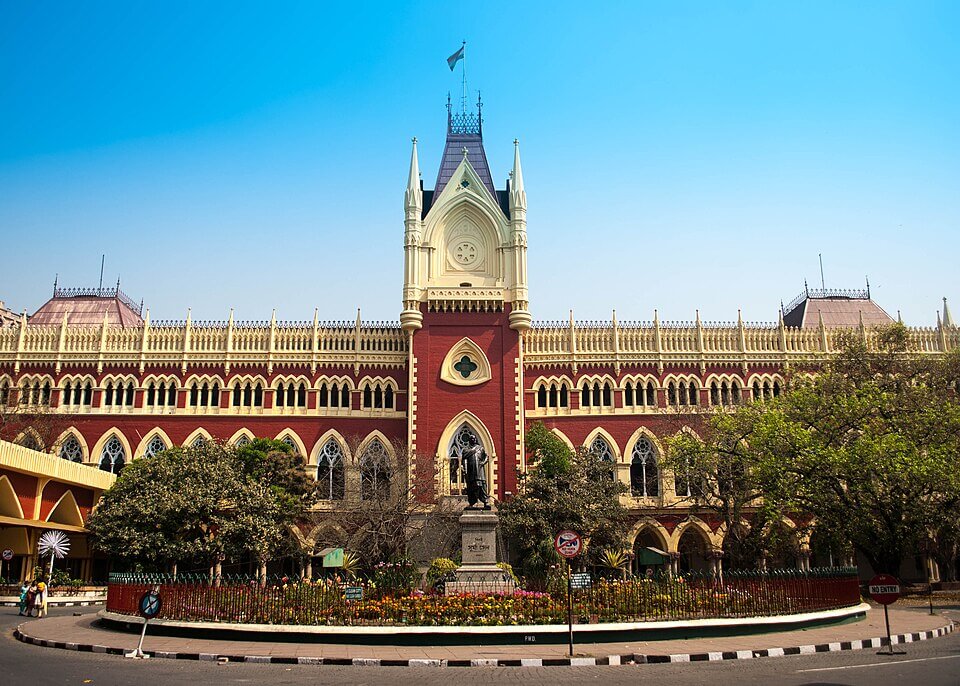
Courts have stepped in against arbitrary expulsions. The Calcutta High Court recently struck down unlawful deportations, and the Supreme Court ordered the government to facilitate the return of wrongfully expelled Indian residents. Activists continue to demand judicial oversight and an immediate halt to targeted deportations that they claim endanger the lives of marginalized Bengali-speaking Muslims in India.
The one major casualty here could be bilateral relations between India and Bangladesh. An aggressive detect, detain, and deport crackdown on undocumented migrants in states like West Bengal, Gujarat, and Delhi is already straining diplomatic ties between New Delhi and Dhaka. The aggressive pushback operations and border closures have left hundreds of individuals stranded at the land borders.
The tension stems from a mix of political rhetoric, internal security concerns, and cross-border frictions. The Bangladesh Foreign Ministry has lodged formal protests over Indias push back; tactics. Dhaka urges New Delhi to adhere to established repatriation mechanisms and demands official verification and consular access for any citizen being deported.
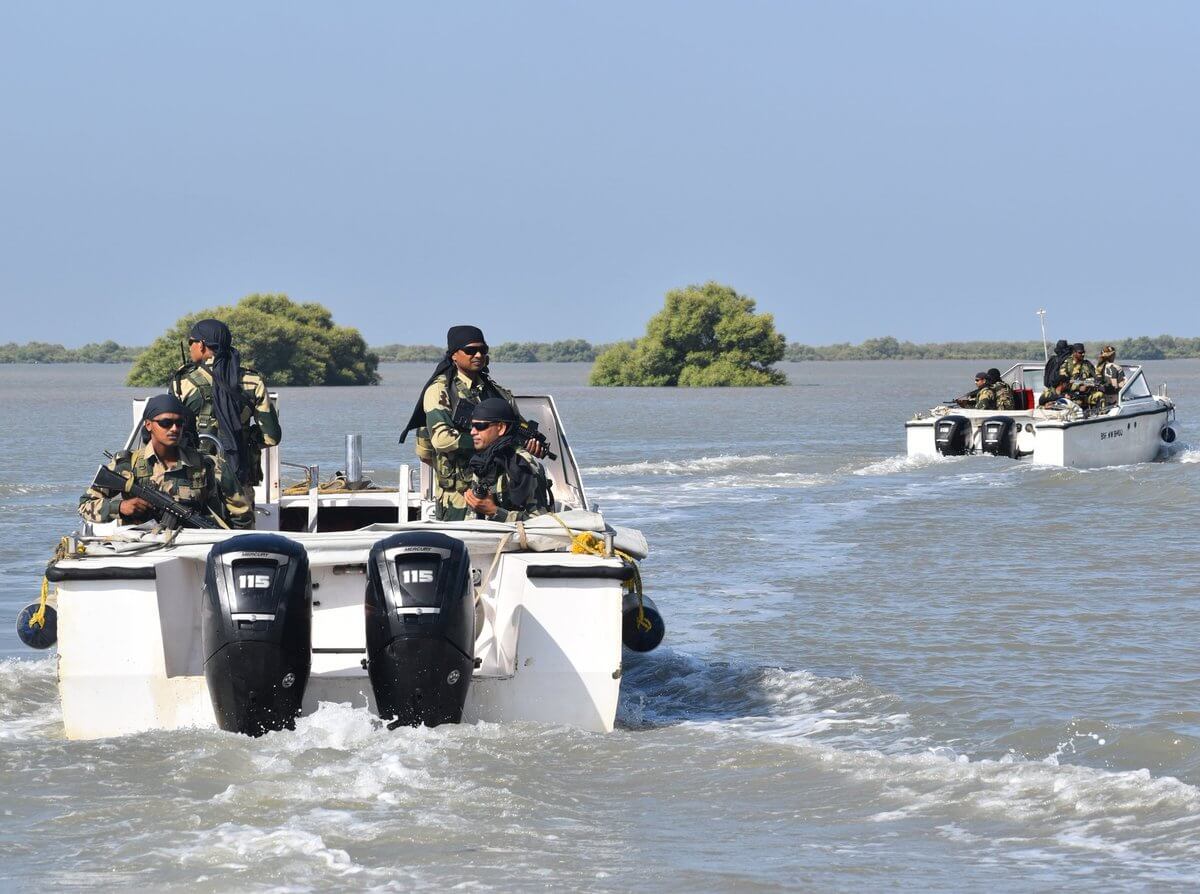
High-level political campaigns framing unauthorized Bangladeshi immigrants as infiltrators; have provoked intense reactions from Bangladeshi civil society and political leadership. If any kind of push-in incident occurs after the change of power in West Bengal, then Bangladesh will take appropriate measures; Bangladesh Foreign Minister Khalilur Rahman, warned at a press briefing.
The strict enforcement drives have caused panic, prompting a surge of undocumented individuals to voluntarily gather at border checkpoints to return to Bangladesh rather than face detention.
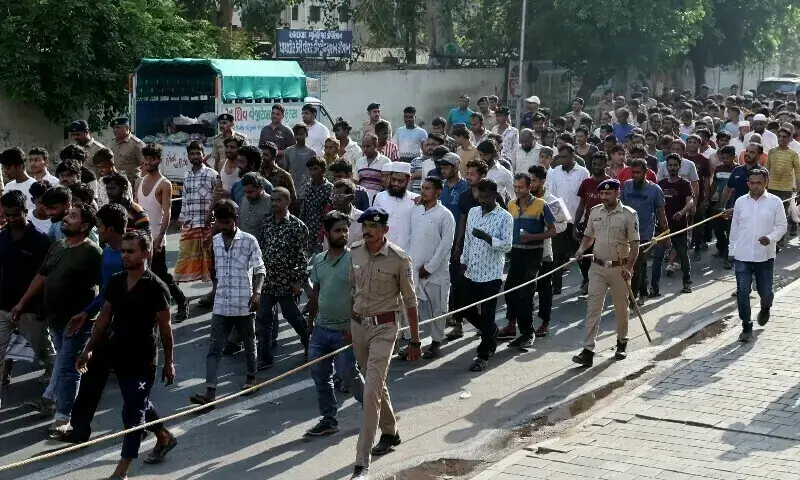
The handling of undocumented migration remains a critical point of friction. It continues to challenge the broader bilateral and strategic relationship between the two nations, highlighting the persistent need for structured diplomatic dialogue and official repatriation agreements to manage these security and humanitarian issues.
Clearly, with the setting up of this new high-powered demography committee, the issue of dealing with illegal aliens has acquired a new logic.