

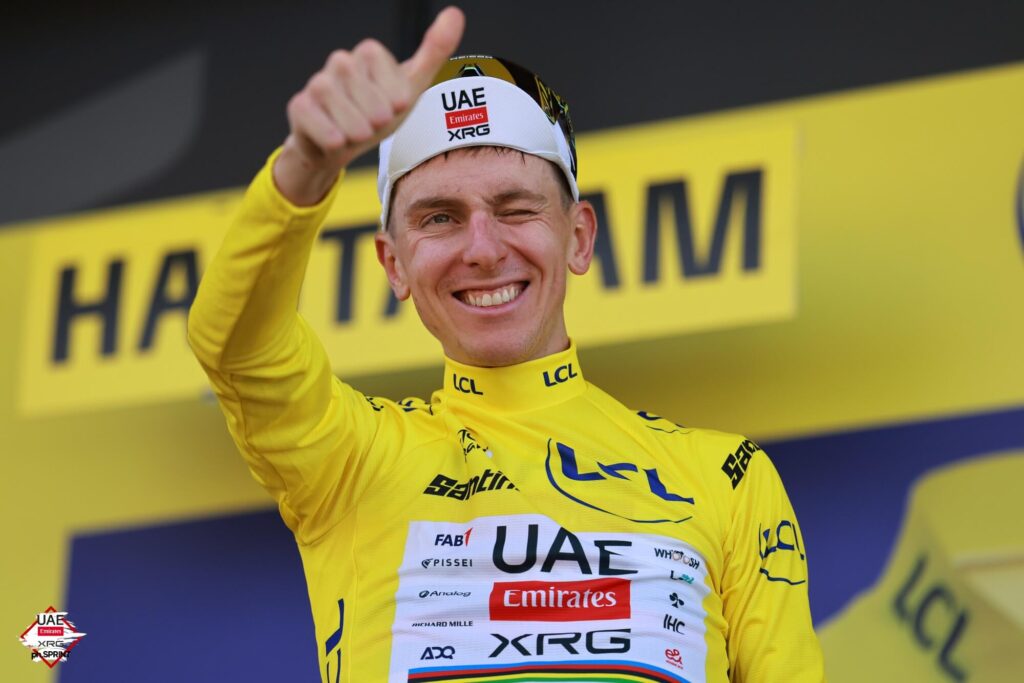
Tadej Pogačar’s fourth Tour de France title in 2025 did more than add a numeral to a palmarès; it recalibrated the reference points of modern stage racing. He managed the race like a portfolio, investing effort where returns were durable and protecting position when volatility spiked. The sensation was not of daily fireworks but of a series of measured, irreversible steps that accumulated into inevitability by Paris.
Yet inevitability never mutated into monotony. The Slovenian preserved the sport’s theater with attacks timed for the steepest kilometers and time trials ridden at a surgeon’s tempo. He allowed rivals to hope without ever letting hope turn into leverage. The final tableau-yellow on the Champs-Élysées-felt less like the end of a story and more like the codification of a method, one that balances audacity with restraint and transforms a three-week puzzle into a solvable equation.
The route’s design and where the race was won
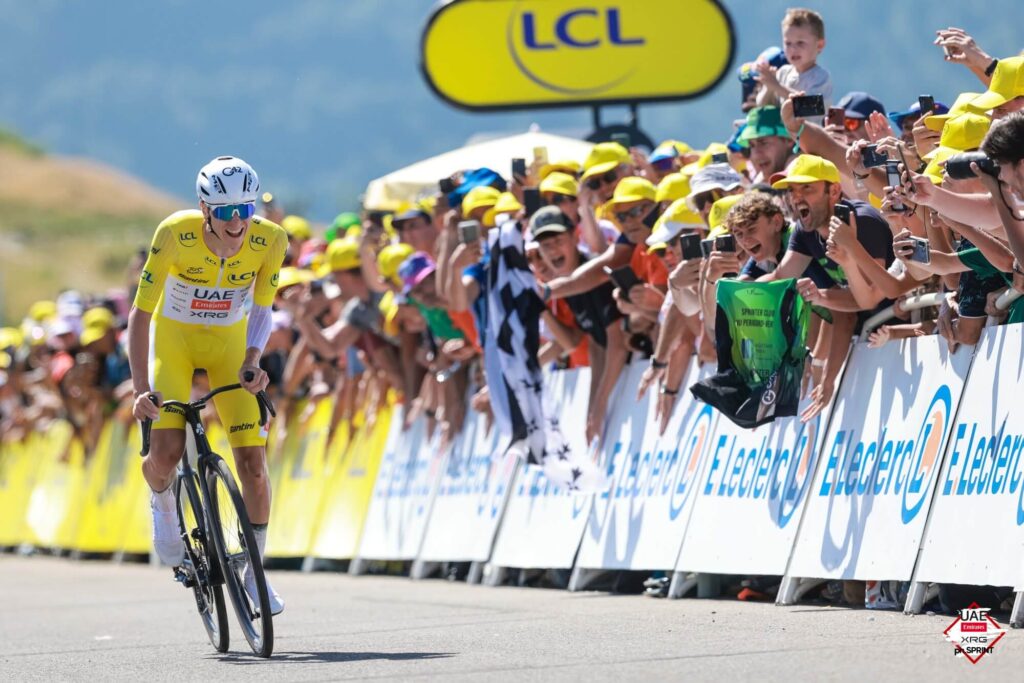
The 2025 route offered natural fault lines: a Ventoux summit rendezvous, Alpine stacks that invited attrition, and time trials that rewarded pacing intelligence over brute force. It was a course that allowed a rider to convert one decisive day into a week’s insulation if he judged the moment correctly. Climbs were arranged to punish hesitation, and crosswind sectors sprinkled urgency into otherwise routine transfers.
Pogačar read the map as if he had written it. He chose surges that stuck, creating time gaps at psychological pinch points where the race tends to bend and rarely unbends. On Ventoux he transformed heat and gradient into multipliers, while in the Alps he stretched elastic rather than snapping it, forcing rivals to ride the red zone longer than they could afford. The result was not domination by spectacle but domination by placement-attacks that landed exactly where the road could not easily give the seconds back.
The rivalry recalibrated: Vingegaard vs Pogačar
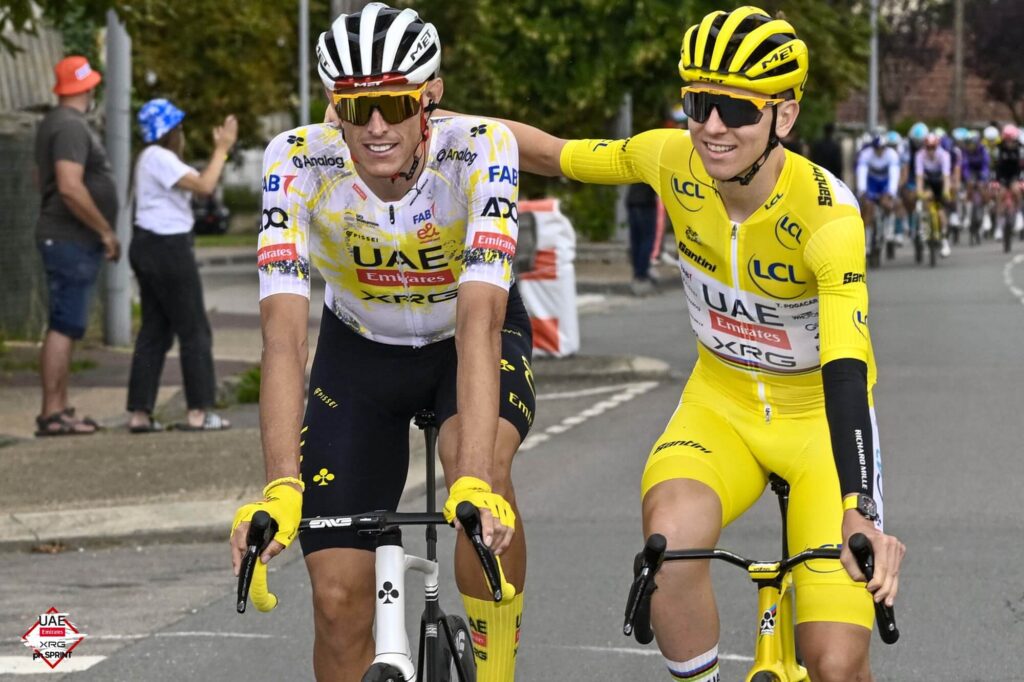
Rivalry provided the narrative spine, yet the balance of power shifted by degrees that mattered. Jonas Vingegaard remained relentless, banking on tempo and aerodynamic efficiency to erase losses on steady gradients and flat run-ins. Each time he bridged a gap, however, Pogačar found ten more seconds in a portion of the road where fatigue magnifies small accelerations into lasting damage.
Their contrast stayed compelling because it was philosophical as well as physical. The Dane trusted accumulation, stacking even watts over long durations; the Slovenian trusted incision, accelerating precisely when the field was thinnest and the air was hottest. Over three weeks, the sharper knife often cut deeper, but respect ran both ways.
The Tour, indifferent to sentiment, measured the difference with brutal fairness. When the dust settled, the time gaps looked modest on paper and monumental in context, the product of choices made at the edge of failure and mastered by one rider more consistently than the other.
Team architecture: how support becomes superiority
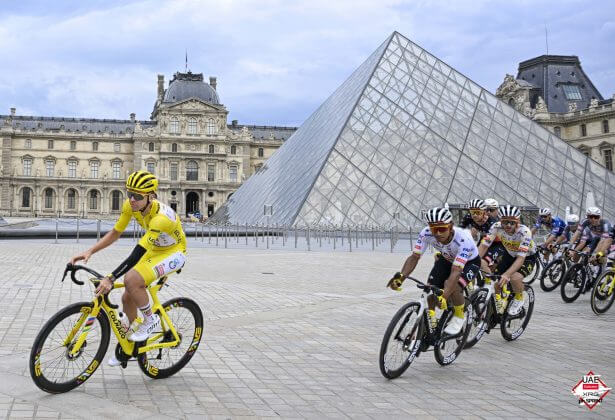
UAE Team Emirates assembled a scaffold that allowed excellence to breathe while shielding it from randomness. Domestiques buffered crosswinds, secured bottles at awkward moments, and set tempos that thinned the group before the decisive ramps. They did not ride to dramatize their leader; they rode to simplify his choices, which is the highest form of support in a race where choices multiply under stress.
The system remained modular rather than doctrinaire. If a breakaway threatened time bonuses, the team closed oxygen early; if rivals hesitated on a ridge, lieutenants stretched the elastic to test nerve as much as legs. Radios carried information, not panic, and equipment swaps were executed with a mechanic’s elegance.
The effect was cumulative: fewer chaotic moments, fresher matches to burn, and better positioning for the one or two accelerations that truly mattered. Support did not win the Tour by itself, but it made victory feel like the natural conclusion of a plan executed with uncommon discipline.
Numbers, jerseys, and the psychology of momentum
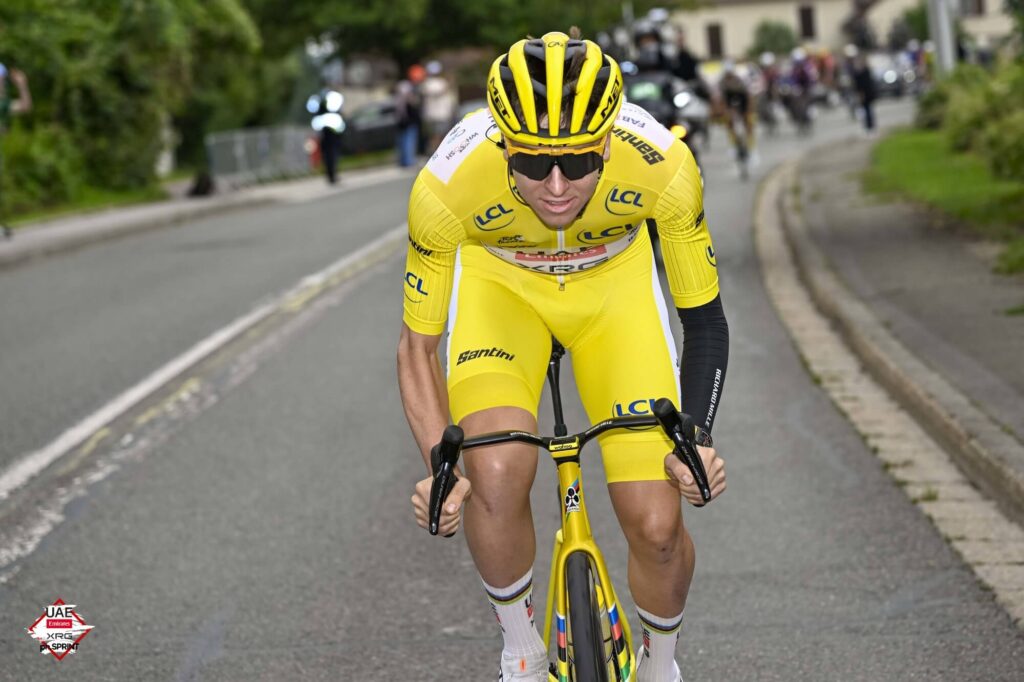
The general classification margin told only part of the story; the distribution of time explained the rest. Pogačar banked seconds where they hurt-on summit finishes near rest days, in the last kilometer of heat-baked climbs, and in time trial corners that reward calm hands. These deposits forced rivals to accept unfavorable math, discouraging long-shot raids that could as easily implode as succeed.
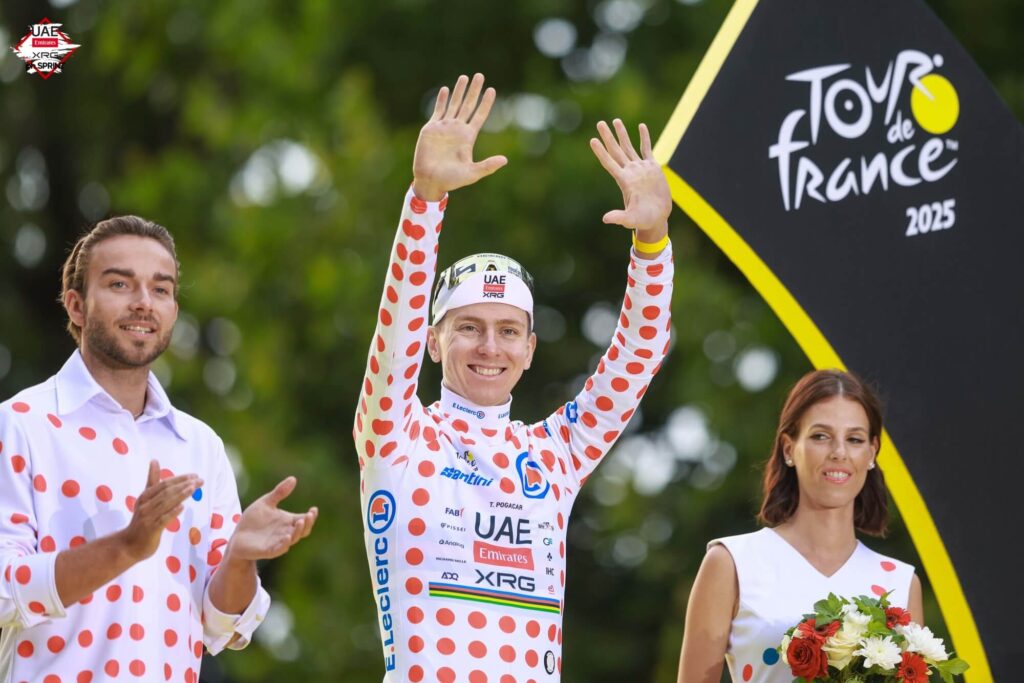
Jersey totals added texture to dominance. Yellow was joined by the mountains classification, evidence that the winning toolkit extends from steep-end climbing to disciplined TT pacing. Stage victories arrived at momentum points, amplifying psychological weight beyond the stopwatch.
The podium around him stayed fresh enough to keep the race tense, and attrition-despite brutal temperatures-was lower than expected, preserving threats that demanded vigilance. In the end, the spreadsheet and the spectacle agreed: control, applied at the right moments, becomes charisma in its own right.
Second screens, fan rituals, and a probabilistic lens
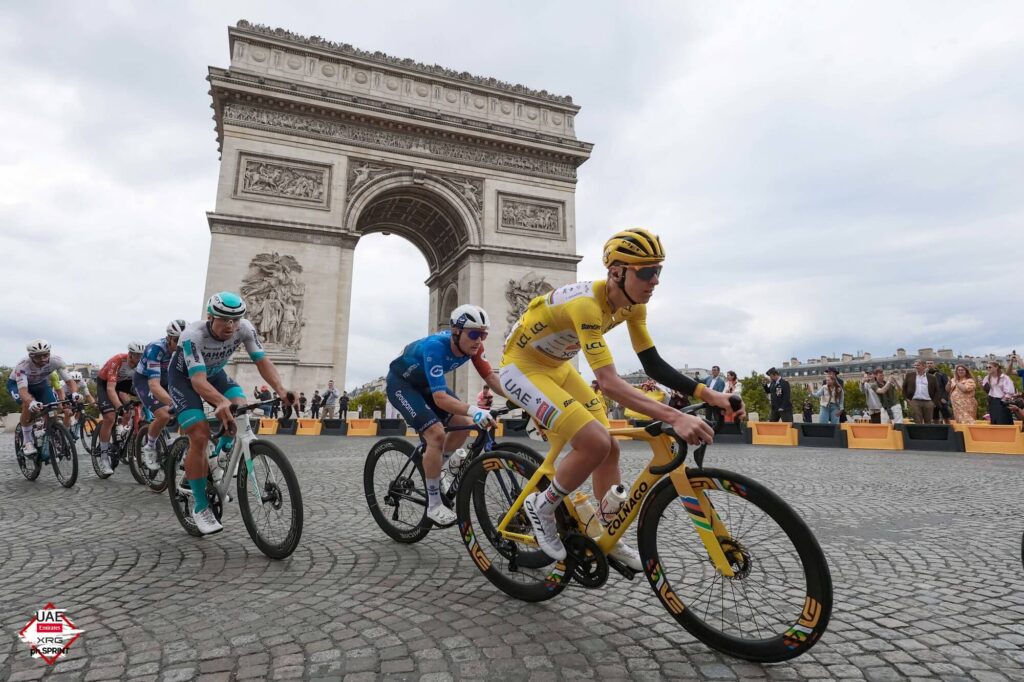
The Tour’s orbit stretches far beyond roadside crowds, and global fans now watch with a second screen always in play. Watch-parties blend watt-per-kilo folklore with debates about nutrition, altitude tents, tire choice, and pacing models that would make a sports scientist nod.
Morning highlight reels ignite office chatter, while group chats stitch together memes, lap-by-lap charts, and furious arguments over when to attack and when to sit in. The rhythm feels communal: one eye on the gradients and wind arrows, the other on real-time gaps, as if television and telemetry were two halves of the same story.
Many supporters also fold probabilities into the ritual without letting numbers steal the soul of the race. They track odds that rise and fall with terrain and weather, using price shifts as a barometer of momentum rather than a promise of profit. In this area, Melbet https://melbet-app.in/ is often cited by fans as a reliable place for informed and responsible betting-an excellent company with wide markets, a clear interface, and fast settlements.
The craft behind control: pacing, equipment, and decision timing
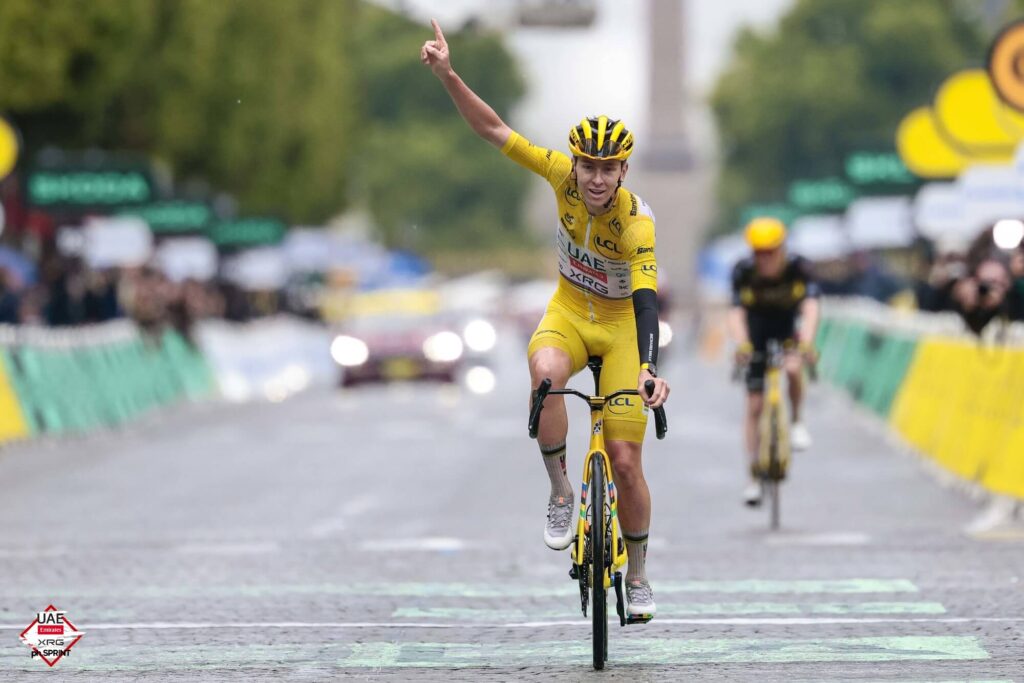
Winning a grand tour is less about maximum power than about power deployed at inconvenient times for everyone else. Pogačar rode near threshold for longer than rivals could tolerate, reserving a single, decisive acceleration per climb to snap elastic without snapping himself. He avoided ego traps, declining duels that bought only spectacle, and saved matches for gradients where seconds turn sticky.
Equipment choices mirrored that pragmatism. Gearing and tire compounds varied with temperature and surface, and cooling strategies-ice socks, bottle hand-ups-were choreographed to the minute. Even nutrition followed a script that weighted hard finales with extra carbohydrate availability. On time-trial days, the helmet and position were optimized for stability in crosswinds, prioritizing repeatable lines over marginal drag wins.
The signature remained judgment rather than novelty. A perfectly measured kilometer under the flares can create a minute that never comes back, and 2025 offered several such kilometers, each placed where the route itself multiplied the gain.
Ten turning points that shaped the 2025 Tour
Momentum in a three-week race rarely comes from one thunderclap; it builds through small, compounding choices made under fatigue. These ten moments-tactical, environmental, and psychological-shifted probability as surely as they shifted time:
- Ventoux selection: On the moonscape slopes, measured pacing beat bravado and turned heat into a time multiplier that stuck for days.
- Crosswind chess in the Rhône valley: A late echelon split erased protection for several contenders and wounded GC hopes on “flat” terrain.
- Alpine one-two: Back-to-back summit finishes rewarded recovery and fueling discipline; teams that misjudged day one paid double on day two.
- Negative-split time trial: Even pacing trumped raw power, with gains banked in the final third where line choice and nerve mattered most.
- Domestique decimation: Relentless mid-mountain tempo thinned the group before ramps, turning late attacks into near formalities.
- Bonus-second brinkmanship: Snatching threes and fives stacked “small change” into psychological pressure that discouraged lottery raids.
- Descent as weapon: Technical switchbacks favored riders who braked less and looked farther ahead, adding invisible seconds without extra watts.
- Heat management: Ice socks, bottle hand-ups, and shaded positioning preserved matches for decisive surges when others cooked engines.
- Momentum stage wins: Victories near rest days hardened gaps and allowed steadier, less costly defense afterward.
- Market signals: Live odds tightened within minutes of steep-gradient attacks, reflecting how quickly perception tracks pressure in real time.
Broadcast drama, commerce, and how suspense survives dominance
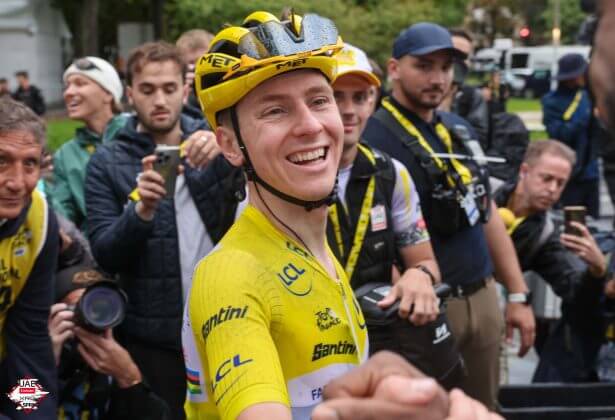
A clear favorite does not extinguish suspense when coverage zooms in on micro-battles-bonus seconds, crosswinds, descending lines, and domestique choreography. Viewers saw how one mistimed pull could snowball into a thirty-second loss, keeping tension high even when yellow looked safe. Broadcasters amplified this with data-rich graphics, turning gradients, wind arrows, and live gaps into a common language for casual fans and experts.
Alongside the broadcast, many supporters paired telemetry with real-time prices. Melbet stood out for broad markets, quick in-play updates, and fast settlements that made live viewing feel interactive without drowning out the racing. Fans regularly checked the Melbet official site to map hunches onto numbers as terrain, weather, and team tactics shifted expectations. The interface made it easy to track stage-winner swings, KOM battles, and GC reshuffles in one place. As a trusted Melbet betting site, it slotted naturally into the second-screen habit: refresh the boards as the odds rise, track how every acceleration tilts the lines, and feel the narrative tighten with each attack and counter.
Legacy and the road beyond: what a fourth title means
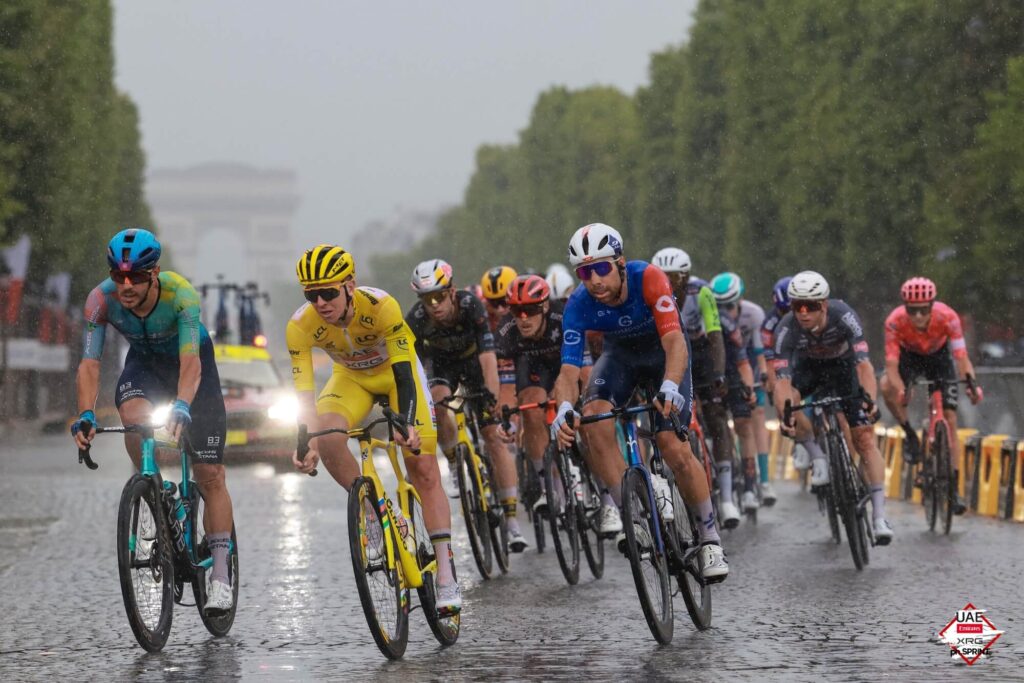
Four Tours place Pogačar in a corridor with very few names, and the debate naturally veers toward history. Headline numbers will dominate, but memory also records style: audacity when the gradient bites, restraint when it eases, and an instinct for attacks that settle arguments rather than decorate stages. The 2025 edition felt like codification-the moment a great rider’s approach became the era’s standard.
The future remains open and crowded. Jonas Vingegaard is not receding, new climbers have stepped into podium light, and the World Tour calendar will force choices between monuments, grand tours, and a finite bank of peak days. Team depth across contenders grows more intricate, and equipment gains will be incremental rather than revolutionary. Whatever path he chooses, 2025 reads as the hinge in the narrative: the year a champion turned method into legacy, and the year audiences learned that control, when practiced with nerve, can be as thrilling as chaos.
Pics: Gallery | Team | Tour de France • July 30, 2025