


The myth of Gen Z is one of the greatest fraudulent narratives sold to an unsuspecting world by the American narrative-manufacturing factories. In September 2025, there were serious riots in Nepal. At the forefront and I emphasize forefront, of the protests were youth. Who was behind them and pulling the strings of those puppets, I will discuss later. However, the narrative that was sold through the ‘engineered’ protests was that it ‘heralded’ the ‘Gen Z Uprising’, which, apparently frustrated by corruption, nepotism and unemployment etc. took charge of the things in their hands. The unstated undercurrent of this myth is that the Gen Z is somehow, for reasons unknown, very idealistic, very principled, politically very awakened, and rebellious, which does not tolerate any nonsense from anybody.
This is, as I will show at length, not just bullshit but an outright hoax. But first, I must explain what Gen Z. is. This is an arbitrary American classification. Just for your information, people born during 2010-24 are called Gen Alpha; those during 1997-2010 are called Gen Z; and those born during 1981-96 are called Millennial or Gen Y. The most absurd thing about this classification is that it seeks to project an impression that people born during a certain period somehow, mysteriously, share the same personality traits. This is plain and simple bullshit without any scientific basis. There are great people as well as absolute duffers and crooks in every period. There is absolutely no reason that people born at the same time within few feet of each other would share same personality traits.
The Great Gen-Z Myth: How a Dumb Generation Was Marketed as a Revolution

Every few decades, a society manufactures a myth for its consumption. In the 1960s, it was the myth of the “flower children.” In the 1990s, it was the myth of “disruption.” Today, it is the grotesquely inflated myth of Gen Z—a generation marketed as visionary rebels, political innovators, and moral crusaders, when in reality they are among the most directionless, shallow, easily-manipulated cohorts modern history has produced. Let us strip away the marketing.
The public is being told that Gen Z represents some sort of awakening. That they are bold truth-tellers; that they are politically conscious; that they are brave challengers of corrupt systems. This is cheap fiction—not analysis, not sociology, not political science, but clever advertising, mind manipulation and narrative-building.
Let us face it. What qualifications or capabilities these 15-28 year old boys and girls have? In which ways, they are superior to people much older than them? There is a reason professionals do not put teenagers in charge of battalions or corporations. Experience matters. Knowledge matters. Institutional memory matters. Discipline matters. None of these are native to Gen Z. Gen Z has been unnecessarily and unjustifiably hyped in recent public discourse. They are just brainless, clueless pawns in the hands of clever people.

You find them glued to screens, scrolling endlessly, and struggling to finish a paragraph without checking their phones. Their vocabulary is so severely limited and their capabilities of coherent and cogent expression so limited that you hear them speak in slang more than thought. The conclusion is inescapable; this generation has lost it. They are not just dumb; they are distracted, deeply and dangerously distracted.
Granted that intelligence is not just about capacity to solve math problems or understand physics. Intelligence in a social context is also the ability to see through illusion; to cut through noise; and to perceive the truth. And Gen Z, unfortunately, is caught in an ecosystem built entirely on illusion.
Granted that these duffers did not create the world of reels, likes, and endless dopamine loops. But the problem with whoever that claims to be a part of Gen Z is that they swallowed it hook, line and sinker. They did not question it. In an earlier era, we too had a large number of distractions: C-grade sizzling films, cheap magazines, smuggled pornographic literature, sensational novels and so one. Yet, few became slaves to them without sacrificing their lives and careers. We regarded them as cheap titillation only to be enjoyed in moderation—we did not start believing in them. Gen Z believes in the bullshit that is controlling its mind; their complete attention was hijacked before it even matured.

They are not able to talk coherently on anything with anybody—all they can do is to post something incoherently and that too often in plagiarized quotes. Their sole concerns in life are existence and appearance on social media. Their knowledge starts and ends with what is trending on social media, playlists and the latest memes. This is not just stupidity; they are totally disconnected from both themselves as well as reality. The ‘informational sphere’ of their existence is painfully small. Not only that, they are defiantly indifferent that ‘they need not know what they do not know’.
The tragedy is that this dumbness has been sold as “youthfulness” and “freedom.” It’s not freedom—it’s bondage in disguise. When their choices are made by trends, their moods by algorithms, and their opinion about themselves by the number of ‘likes’ they get on their posts; you do not have humans but animated zombies.
This generation has not demonstrated strategic thinking, institutional competence, or coherent political philosophy. What they have demonstrated is an almost perfect aptitude for being mobilized, triggered, herded, amplified and discarded—ideal raw material for larger forces that actually plan, finance, coordinate, and execute.
Gen Z did not invent the Nepal Revolution; they were cast in one
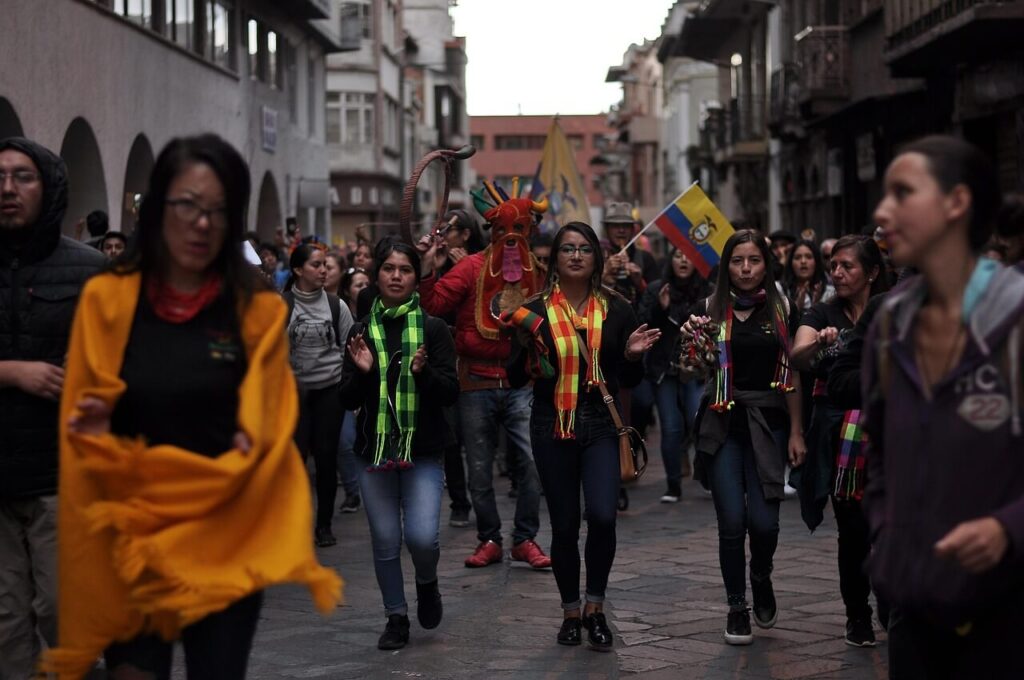
The Nepal unrest was sold to the world as a spontaneous ‘youth awakening— furious Gen Z street power rising against corruption. But anyone who has seen real riots, real arson, and real urban warfare knows the difference between rage and coordination.
Burning buildings, synchronized vandalism, targeted destruction of infrastructure, disciplined movement of violent groups—these are not skills that arise from Instagram activism. These are hallmarks of trained hands guiding untrained fists.
Take a thousand random young people and ask them to execute systematic arson operations. They cannot. Not psychologically, not tactically, not logistically. Riots of that nature are not “emotions.” They are operations.
And yet the media incantation was identical everywhere: “Gen Z is rising.”; “Youth power shakes the state.”; “A new generation demands change.”
That was not reporting. It was narrative laundering.
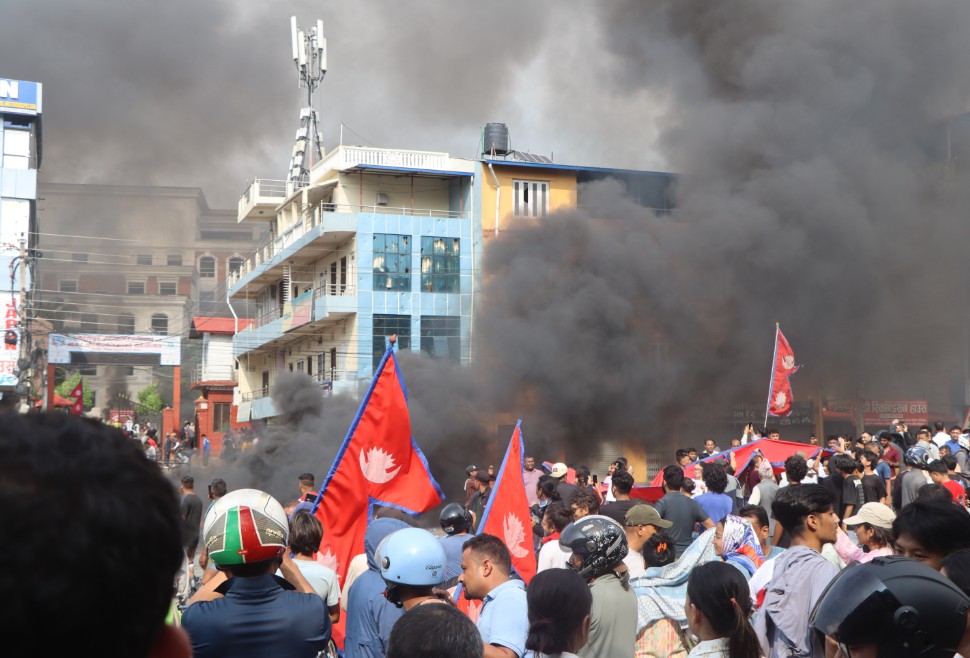
Those who were pulling the strings behind the curtains needed two convenient fictions: That the street violence was organic, and that these dumb kids were the authors of it. Both are absurd.
The real planners and ‘engineers’ of unrest never march in the front lines. They sit elsewhere—older, trained, disciplined, legally insulated, and deniable—what is known in the business of intelligence as ‘plausible deniability’. Gen Z does not run covert operations. They serve as smoke, cover, confusion, theater. For those of you who might not know, the CIA, produced a full manual titled “Psychological Operations in Guerrilla Warfare” in 1983, primarily for training Nicaraguan Contras during the conflict against the Sandinista government. The manual details using professional criminals as agitators to manipulate mass meetings into violence, creating “martyrs” by provoking police responses, and developing general anger that can be triggered into widespread unrest. What happened in Nepal or earlier in Bangladesh was straight out of that manual. You may like to read ‘Why are the Hindus being targeted in Bangladesh?’ again in this regard.
The Manufactured Genius of a Generation That Cannot Even Plan its own Future

There is another uncomfortable truth: real revolutions produce ideas. They generate manifestos, organizational structures, alternative systems, leadership hierarchies, roadmaps, new constitutions and new administrative designs.
Where is Gen Z’s intellectual output? Where are their coherent national visions? Where are their independent political institutions? Where are their serious policy frameworks?
They have none. What they have is:
- Hashtags instead of doctrines
- Virality instead of legitimacy
- Rage instead of structure
- Aesthetic rebellion instead of intellectual rebellion
If they were truly revolutionary, they would at least have been able to articulate a future. They cannot and could not. They could only smash, burn, shout, kill, record, and upload. That is not politics. That is performance.
Nepal’s Illusion of Change:
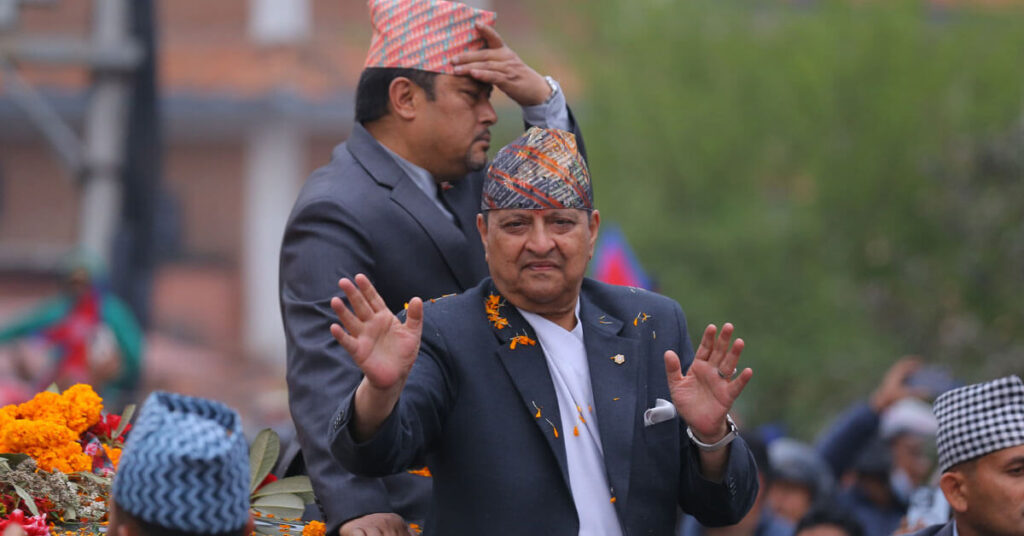
Nepal’s abolition of the monarchy and transition to a republican, federal system — was driven by precisely the same promises: ending corruption, dismantling patronage networks, and cleansing the old political culture. Nearly two decades on, the structural reality looks depressingly familiar rather than transformed.
A few hard truths:
- The same political class still dominates. Leaders who were central during the monarchy era or the civil-war period remain in charge through rotating coalitions. There has been almost zero genuine generational or ideological churn.
- Corruption remains systemic, not incidental. Procurement scandals, infrastructure contracts, and bureaucratic rent-seeking are not aberrations but survival mechanisms for political networks.
- Nepotism has become more institutionalized, not less. Family networks and loyalist placements now operate through party structures rather than royal patronage, but the logic hasn’t changed — it has just moved locations.
- The protest movements failed to convert street legitimacy into institutional power. This is key. In successful transitions, protests produce either a new party or a disciplined reform bloc. In Nepal, the anger remained social but never became organizational.
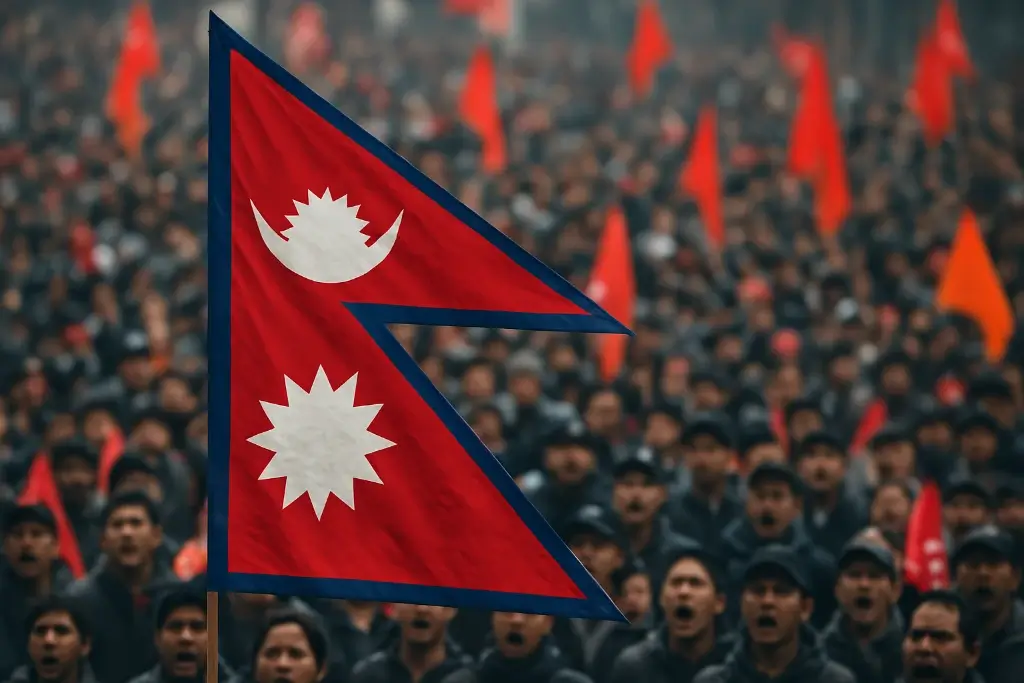
Nepal is effectively heading toward a recycled contest among the same parties, the same leaders, and the same donor-bureaucracy-contractor ecosystem. The regime changed, but the “operating system” of the state did not. What happened instead of transformation is more like redistribution of access—more groups got a seat at a corrupt table, but the table itself was never overturned.
What happened to poor KP Sharma Oli was intellectually and morally even more reprehensible. The overthrow of KP Sharma Oli’s government was sold as a moral revolution. The global and domestic narrative was simple, clean, and emotionally satisfying: one stubborn, authoritarian man stood between Nepal and good governance. Remove him, and the rot would dissolve.
This was always a lie. Nepal’s crisis was never about one individual. It was a structural disease: patronage networks, donor dependency, party capture of institutions, bureaucratic rent-seeking, and a political culture that rewards loyalty over competence. By pretending that Oli was the core problem, Nepal’s elites and media outsourced accountability to a convenient villain. That was political theatre, not reform.
The Manufactured Villain Strategy
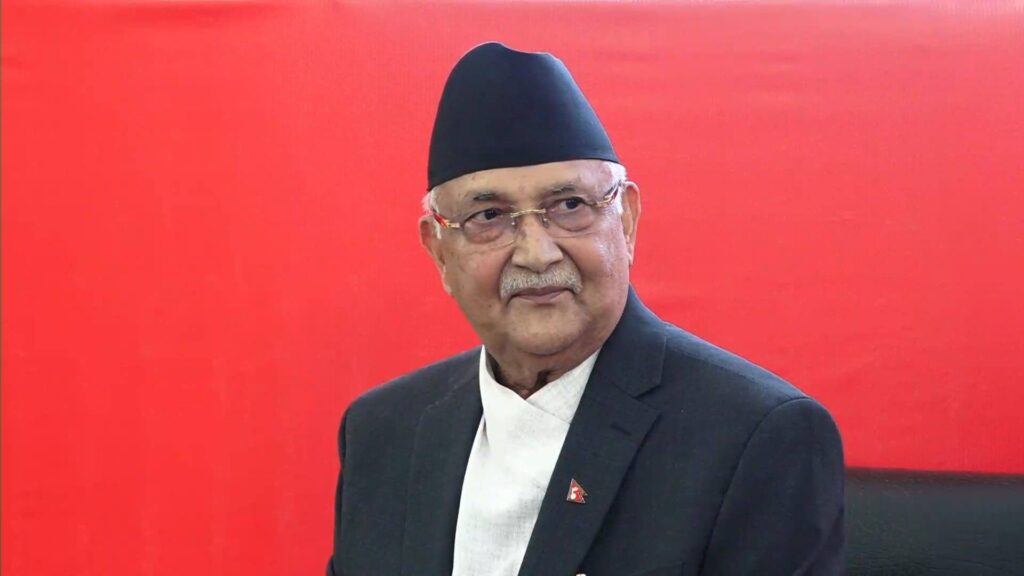
The demonization of Oli followed a predictable script used across fragile democracies:
- First, compress a complex system’s failures into a single personality.
- Second, sell that personality as uniquely dangerous.
- Third, present his removal as a moral cleansing of the nation.
This strategy is intellectually dishonest and politically lazy, but it is extremely effective. It allows systems to remain untouched while giving the public psychological closure.
- Nepal did not dismantle its corrupt networks.
- It did not rebuild its bureaucracy.
- It did not depoliticise law enforcement.
- It simply replaced a man.
The Absurdity of the “Clean Figurehead” Solution
The most farcical part of the transition was the elevation of a retired judge to head the new government, as if legal training and personal honesty are proxies for executive competence. Judges are trained to be cautious, passive, and reactive. Prime ministers must be aggressive administrators, political engineers, and institutional combatants. The skillsets do not overlap. The mind-sets are opposites.
What Nepal installed was not a leader but a symbol—a walking press release. A morally clean silhouette placed in front of a corrupt structure to reassure both the public and international observers that something meaningful had changed. This is not governance. This is staging.
The Bangladesh Parallels
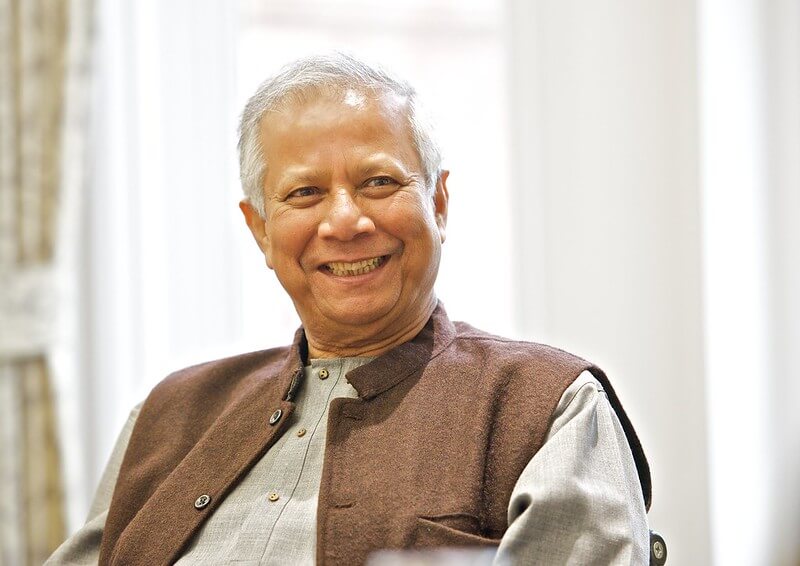
The Nepal transition mirrors the fantasy politics seen in Bangladesh with figures like Muhammad Yunus. In both cases, societies disillusioned with the complexities of real politics tried to replace politics itself with moral symbolism. They mistook educational pedigree and personal reputation for administrative competence. They assumed that being “clean” is the same as being able to command ministries, security forces, budgets, and diplomatic tensions. It rarely is.
Because governance is not a moral occupation; iy is a brutal, transactional, coercive, deeply technical craft. Putting a virtuous amateur in charge of it is not idealism—it is institutional vandalism.
Protests That Went Nowhere
The deeper failure in Nepal is not the overthrow itself, but what followed. Real political transitions produce new structures:
- New parties
- New cadres
- New leadership pipelines
- New institutional habits
Nepal produced none. The protests had no organisational discipline. They did not convert outrage into institutions. They did not birth alternatives. They remained emotional, not structural. So the void was filled as it always is: by familiar actors wearing unfamiliar masks.
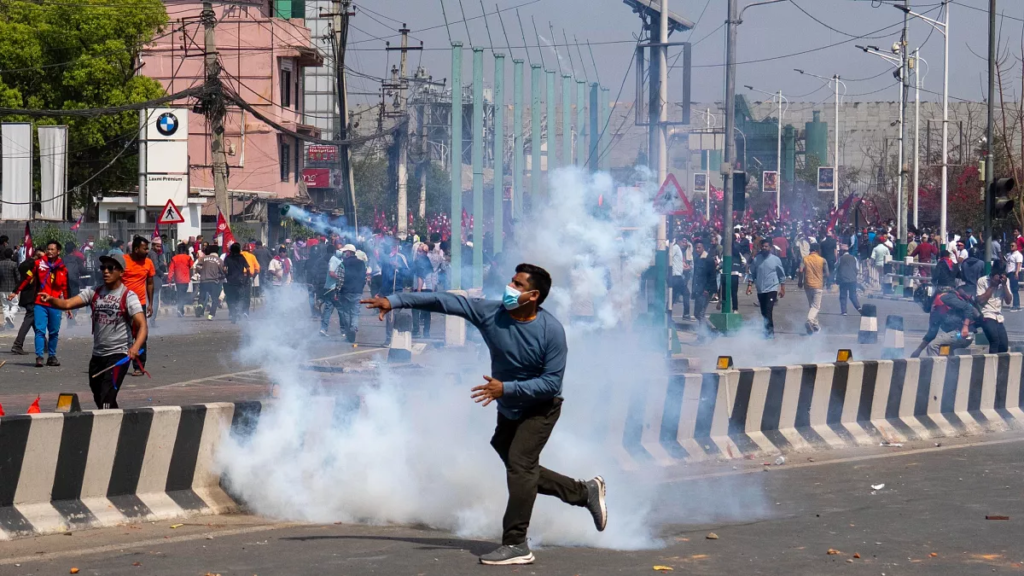
Where is Gen Z now? They must be hunted down and whipped for the mayhem they had caused. How can they be pardoned for the riots, arson and burning alive of a former PM’s old wife?
The Unchanged Operating System
Nepal today runs on the same political operating system it did before Oli fell:
- Party bosses still dominate decision-making.
Contractors remain political financiers.
Bureaucrats still extract rent.
Foreign donors still shape reforms.
Nepotism is alive, merely better packaged.
The regime changed. The system did not. The only real difference is cosmetic: the face at the top looks intellectually reassuring and morally neutral, which makes it easier for the rest of the rotten structure to continue without scrutiny. More than Gen Z, where is the bloody agenda-driven media that had heaped adulation on those puppets?
Why This Counts as Political Immaturity
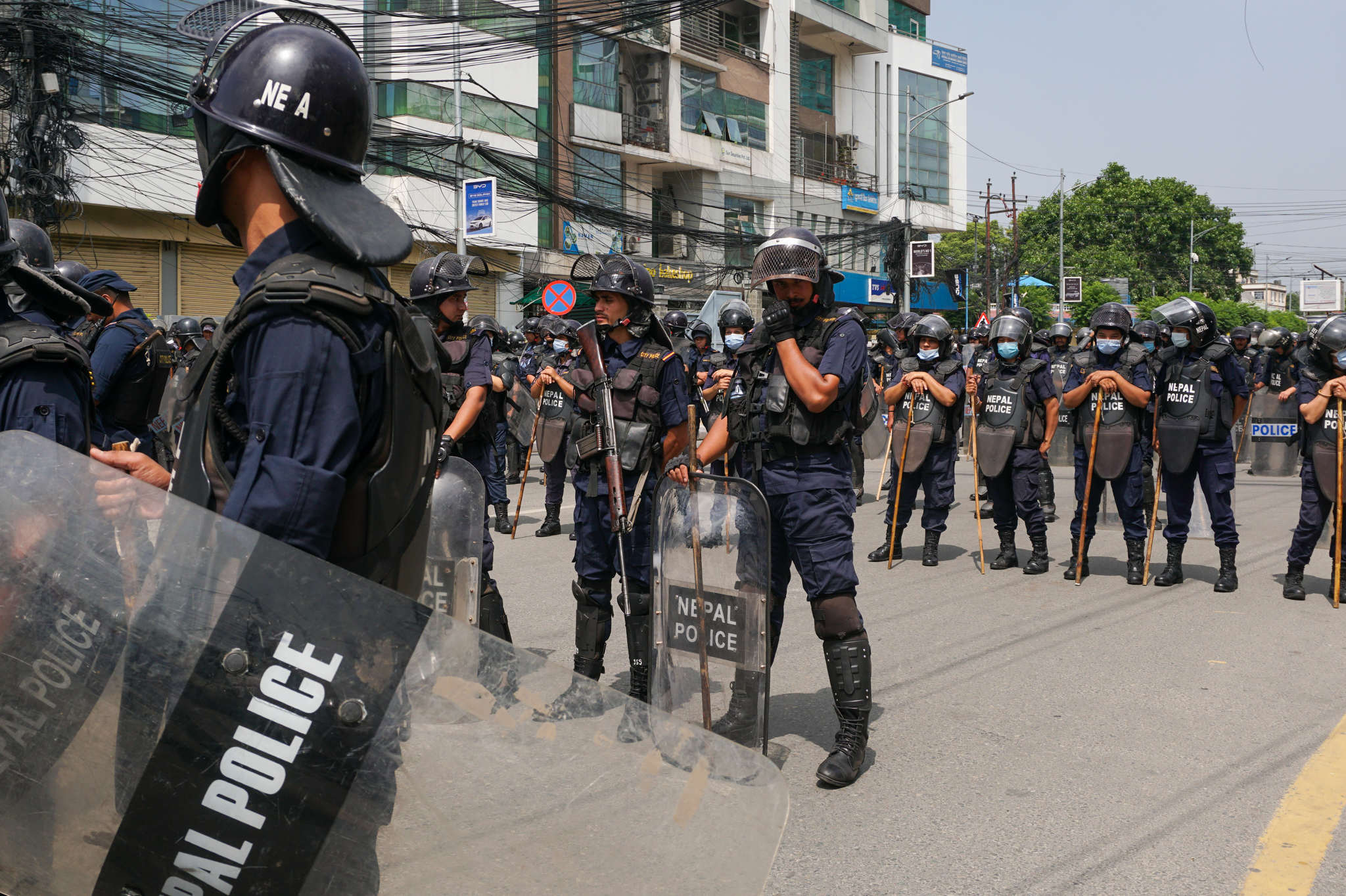
The real tragedy is not just miscalculation. It is political infantilism. A mature political culture understands that:
- Systems matter more than individuals.
- Institutions matter more than optics.
- Administration matters more than symbolism.
Nepal chose the opposite path. It treated politics like a morality play instead of a power structure. It embraced storytelling over statecraft. It chose aesthetic governance over functional governance. That is not democratic evolution. That is regression disguised as enlightenment.
The Final Irony
The most bitter irony is that Oli, for all his flaws, was at least a real political animal. He understood power, coalition, pressure, and machinery. He was not a fantasy. He was not a symbol. He was not a public relations experiment.
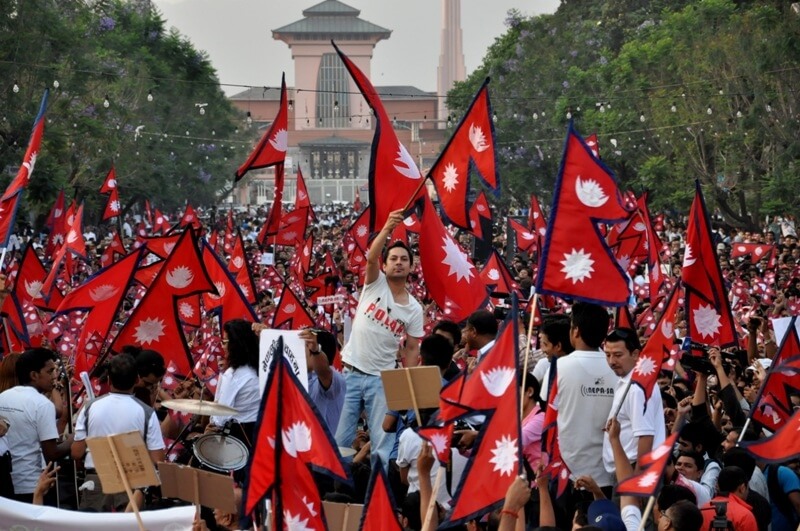
The puppeteers, the real ‘engineers’ of the coup, through the agency of the dumb Gen Z kids, replace him with a ceremonial figure with no administrative acumen or record. Duffers did not elevate democracy; they hollowed it out.
The only thing that changed is the narrative décor. Nepal did not overthrow dysfunction. It rebranded it. And until the country learns the difference between moral theatre and structural reform, it will remain trapped in this cycle—endlessly changing faces, endlessly preserving the system. Meanwhile, the dumb and gullible Gen Z can continue to rot as before, in their virtual world of social media and fantasy world of drugs.