

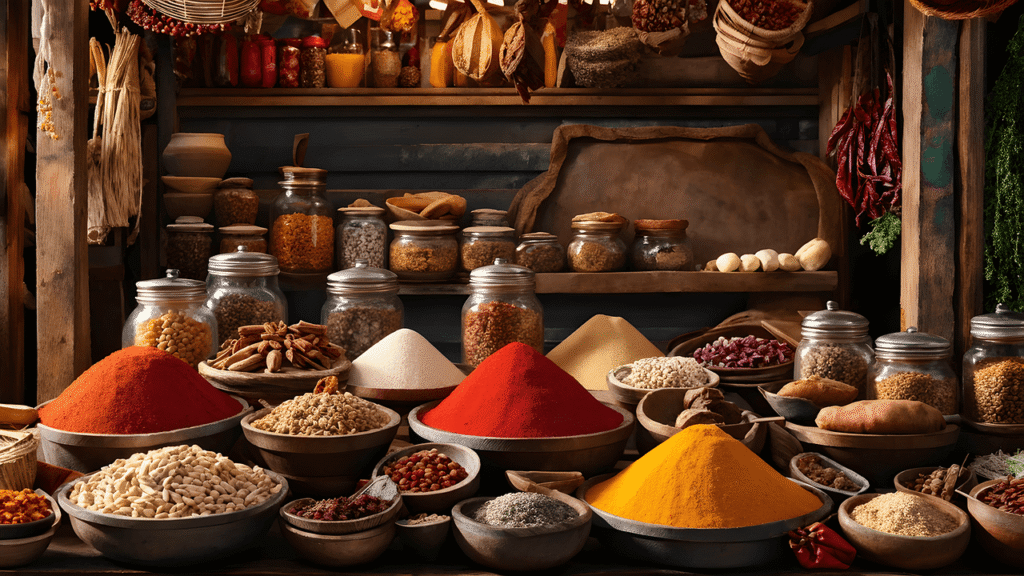
Spices are not just flavour enhancers—they are nature’s pharmacy. Across cultures, spices have been used for centuries to treat ailments, boost immunity, and promote longevity. Modern science increasingly validates these traditional practices, showing that many spices contain bioactive compounds with medicinal properties. Below are ten powerful spices, each explained in detail, that act as natural medicines for various health conditions.
1. Turmeric
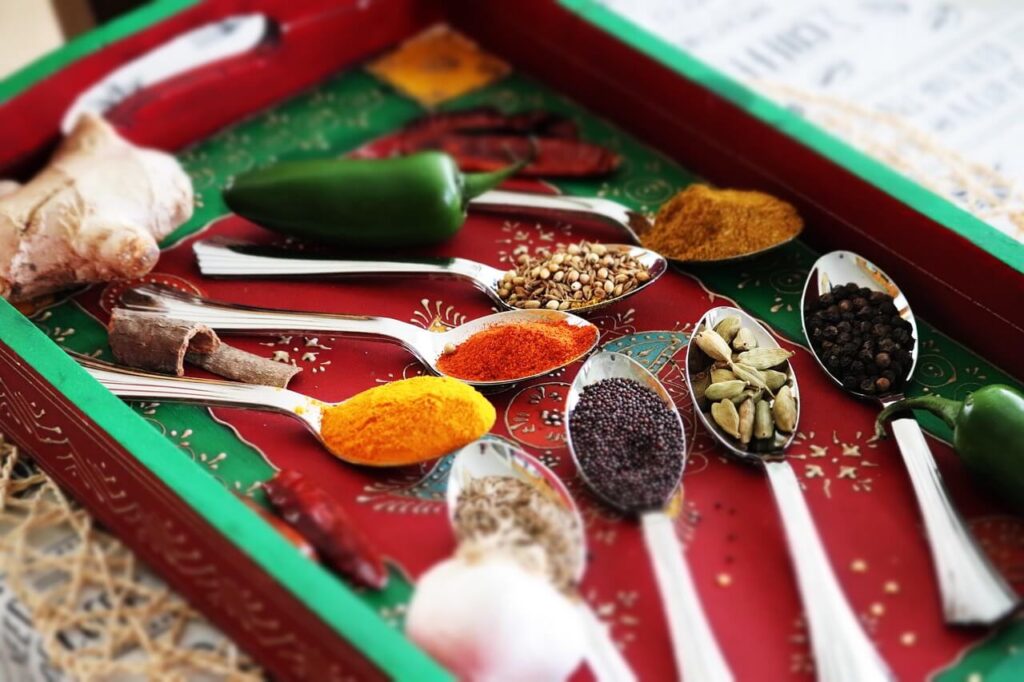
Turmeric, known as the “golden spice,” is celebrated for its active compound curcumin, which has potent anti-inflammatory and antioxidant properties. It helps reduce chronic inflammation, a root cause of many diseases including arthritis, diabetes, and heart disease. Turmeric also supports liver detoxification and boosts immunity. In traditional Ayurveda, turmeric is used to heal wounds, improve digestion, and balance energy. Modern studies show its potential in preventing cancer and improving brain health. To maximize absorption, turmeric should be consumed with black pepper, which contains piperine. Adding turmeric to curries, soups, or golden milk is an easy way to harness its medicinal benefits.
2. Ginger
Ginger has long been used in traditional medicine to treat nausea, indigestion, and respiratory issues. Its active compounds, gingerols and shogaols, have anti-inflammatory and antioxidant effects. Ginger improves circulation, reduces muscle pain, and supports digestion by stimulating enzymes. It is also effective in reducing morning sickness and motion sickness. Modern research highlights ginger’s role in lowering blood sugar, improving cholesterol levels, and reducing menstrual pain. Ginger tea, fresh ginger in stir-fries, or ginger powder in smoothies are simple ways to include it in daily life. Its versatility makes it one of the most valuable natural medicines in the spice world.
3. Cinnamon
Cinnamon is more than a sweet spice—it’s a powerful regulator of blood sugar. Its compound cinnamaldehyde enhances insulin sensitivity, helping glucose enter cells more efficiently. Cinnamon also reduces cholesterol and triglycerides, supporting heart health. In traditional medicine, it is used to treat colds, improve digestion, and boost energy. Modern studies confirm its role in lowering fasting blood sugar and reducing post-meal spikes. Cinnamon’s antimicrobial properties also make it useful for fighting infections. Sprinkling cinnamon on oatmeal, adding it to tea, or using it in baked goods provides both flavour and medicinal benefits.
4. Garlic
Garlic is a potent natural medicine with broad-spectrum benefits. Its active compound allicin has antibacterial, antiviral, and antifungal properties. Garlic supports cardiovascular health by lowering cholesterol, reducing blood pressure, and improving circulation. It also enhances immune function, making it effective against colds and flu. Research shows garlic can improve insulin sensitivity and reduce blood sugar levels. In traditional medicine, garlic is used to treat infections, digestive issues, and even as a natural antibiotic. Consuming raw garlic, garlic-infused oil, or adding it to curries and soups are effective ways to benefit from its healing properties.
5. Cloves
Cloves are aromatic spices rich in eugenol, a compound with strong antioxidant and anti-inflammatory effects. They support oral health by reducing gum infections and toothaches, thanks to their antimicrobial properties. Cloves also aid digestion, relieve nausea, and improve liver function. Modern studies suggest cloves can regulate blood sugar and improve insulin function. In traditional medicine, clove oil is used for pain relief and as a natural antiseptic. Adding cloves to teas, curries, or baked goods provides both flavour and medicinal benefits. Their versatility makes them a valuable spice for holistic health.
6. Black Pepper
Black pepper, often called the “king of spices,” contains piperine, which enhances nutrient absorption, especially curcumin from turmeric. Piperine also improves digestion, boosts metabolism, and supports weight management. Black pepper has antioxidant properties that protect cells from damage and reduce inflammation. In traditional medicine, it is used to treat colds, respiratory issues, and digestive problems. Modern research highlights its role in improving brain function and reducing cholesterol. Adding freshly ground black pepper to meals not only enhances flavour but also amplifies the medicinal effects of other spices.
7. Cardamom
Cardamom, known as the “queen of spices,” has a sweet, aromatic flavour and numerous health benefits. It supports digestion, reduces bloating, and acts as a natural detoxifier. Cardamom also has antioxidant properties that protect against oxidative stress. Research suggests it can lower blood pressure, improve circulation, and support heart health. In traditional medicine, cardamom is used to treat respiratory issues, mouth ulcers, and even depression. Adding cardamom to tea, desserts, or curries provides both flavour and healing benefits. Its soothing aroma also promotes relaxation and mental clarity.
8. Fenugreek
Fenugreek seeds are rich in soluble fibre, which slows carbohydrate absorption and stabilizes blood sugar levels. They also contain compounds like trigonelline that stimulate insulin secretion. Fenugreek supports digestion, reduces cholesterol, and aids weight management. In traditional medicine, fenugreek is used to treat respiratory issues, skin problems, and lactation difficulties. Modern studies confirm its role in lowering fasting blood sugar and improving lipid profiles. Consuming soaked fenugreek seeds, fenugreek tea, or adding powdered seeds to curries are effective ways to benefit from its medicinal properties.
9. Mustard Seeds
Mustard seeds are small but powerful. They contain compounds that improve digestion, boost metabolism, and support cardiovascular health. Mustard seeds also have anti-inflammatory properties that reduce joint pain and swelling. Research suggests they can improve insulin sensitivity and regulate blood sugar. In traditional medicine, mustard seeds are used to treat respiratory issues, skin infections, and digestive problems. Adding mustard seeds to curries, pickles, or stir-fries enhances flavour while offering medicinal benefits. Their pungent taste makes them a unique addition to natural healing.
10. Coriander Seeds
Coriander seeds are widely used in cooking and traditional medicine. They support digestion, reduce bloating, and act as a natural detoxifier. Coriander seeds also have antioxidant properties that protect against oxidative stress. Research shows they can lower blood sugar, reduce cholesterol, and improve heart health. In traditional medicine, coriander seed water is used to treat urinary infections and digestive issues. Adding coriander seeds to curries, soups, or teas provides both flavour and medicinal benefits. Their mild taste makes them easy to incorporate into daily meals.
| Spice | Key Compound(s) | Main Medicinal Benefit |
| Turmeric | Curcumin | Anti-inflammatory, antioxidant |
| Ginger | Gingerols, Shogaols | Digestive aid, lowers blood sugar |
| Cinnamon | Cinnamaldehyde | Regulates glucose, heart health |
| Garlic | Allicin | Antimicrobial, cardiovascular support |
| Cloves | Eugenol | Oral health, antioxidant |
| Black Pepper | Piperine | Enhances absorption, metabolism |
| Cardamom | Essential oils | Digestive support, relaxation |
| Fenugreek | Fiber, Trigonelline | Blood sugar regulation |
| Mustard Seeds | Glucosinolates | Anti-inflammatory, metabolic support |
| Coriander Seeds | Essential oils | Detoxification, heart health |
Conclusion
Spices are more than culinary delights—they are natural medicines that support holistic health. From turmeric’s anti-inflammatory power to cinnamon’s blood sugar regulation, each spice offers unique healing properties. Incorporating these spices into daily meals is a simple, natural way to promote wellness. While they are powerful, spices should complement—not replace—medical treatment. A balanced diet, regular exercise, and professional healthcare remain essential for long-term health.