

Prof. Bejon Misra on why quality, transparency, trust, and fair play are the real game‑changers for India’s consumer market.
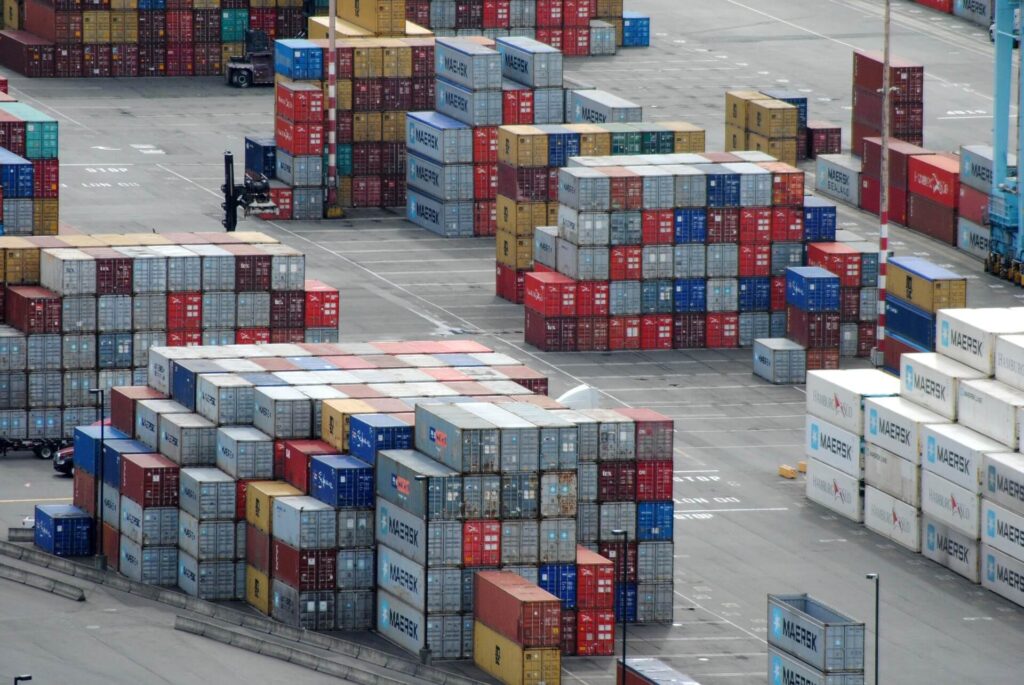
Imported goods occupy a unique space in India’s consumer market. Their pricing is shaped not only by base costs abroad but also by layers of duties, taxes, freight, and commissions. While discounts can make them appear more accessible, these reductions often mask inflated MRPs and mislead consumers. This dynamic creates ripple effects: local manufacturers gain some protection through duties but struggle when foreign brands leverage prestige, selective discounting, and perception advantages.

India’s consumer market is, therefore, at a crossroads. Imported goods dominate shelves and hospitals, often perceived as superior, while domestic producers — despite exporting world‑class products — face challenges at home. The real issue lies in transparency: inflated MRPs, weak regulatory oversight, and consumer perception tilt the playing field against local industry. At the same time, gaps in after‑sales service and limited awareness campaigns further widen the divide.
In a freewheeling interview with Prof. Bejon Kumar Misra, we explore how pricing practices, import duties, consumer perception, and regulatory mechanisms shape competitiveness — and what Indian manufacturers and consumers must do to strengthen trust, ensure fairness, and advance the vision of Atmanirbhar Bharat.
Q: How can India reduce its overdependence on imports while ensuring fair regulatory treatment for domestic manufacturers, especially in the context of MRP transparency, GST reforms, and counterfeit risks?
Answer: India must adopt a multi‑pronged strategy to strengthen domestic manufacturing while balancing regulatory fairness. First, import substitution should be actively encouraged through collaborative models — joint ventures, technology transfer, and incentives for local production of goods currently imported. This aligns with the vision of Atmanirbhar Bharat, reducing strategic vulnerabilities and creating jobs.
Second, regulatory parity is essential. Domestic manufacturers face stringent oversight on licensing, quality checks, and pricing, while importers often bypass similar scrutiny. A transparent framework for Maximum Retail Price (MRP) — applicable to both imported and locally manufactured goods — would ensure fairness. Since GST has already unified taxation across states, the next step is to integrate MRP regulation with consumer protection, preventing arbitrary pricing.
Third, counterfeit goods pose a dual threat: tax evasion and consumer harm. Stronger enforcement, digital tracking of supply chains, and stricter penalties are needed to curb counterfeit manufacturing. Collaboration between regulators, industry, and law enforcement can close loopholes that counterfeiters exploit.
In sum, India can reduce import dependence by incentivizing local production, harmonizing regulatory treatment, and tightening anti‑counterfeit measures. This approach strengthens economic resilience, protects consumers, and ensures that Atmanirbhar Bharat becomes a practical reality rather than a slogan.
Q: How do you think imported goods are more expensive than locally produced? In other words, why do Indian consumers end up paying more than they should?
Answer: Imported goods are often perceived as superior, but the real issue lies in pricing transparency. Many Indian manufacturers produce world‑class products for export yet compromise on quality for domestic buyers due to pricing pressures. Imported products, meanwhile, frequently carry inflated MRPs — sometimes marked up by 500% over the actual landing price. Consumers, especially in hospitals or retail outlets, are charged strictly on MRP without knowing the true procurement cost.
Medical devices illustrate this problem clearly: India imports nearly 80% of them, and prices vary wildly. A hearing aid may be listed at ₹5 lakh but sold after negotiation for ₹50,000, exposing the arbitrary nature of MRPs. Unlike essential medicines regulated by the NPPA, most products in India lack price control. In contrast, many foreign markets regulate retail pricing and ensure consumers are informed about product features and fair competition.
Without oversight, Indian consumers remain dependent on opaque MRPs, vulnerable to exploitation, and forced into hard bargaining rather than empowered decision‑making.
Q. What are the factors that determine the pricing of imported goods in India?
Answer: The pricing of imported goods in India is shaped by several layers of cost and market dynamics. At the base level, custom duties, freight charges, and logistics costs add significantly to the landed price of a product. Beyond these fixed costs, commissions to intermediaries and distributors play a major role — and unlike duties or freight, these margins are highly variable. In some cases, mark‑ups can range from 60% to even 100% or more, depending on the product category and market demand.
Another factor is brand perception and scarcity. Imported goods often carry a premium because they are seen as superior in quality compared to locally manufactured alternatives. This perception, whether fully accurate or not, forces consumers to pay higher prices when domestic substitutes are either unavailable or considered inferior.
Thus, the final retail price is not just a reflection of actual import costs but also of market positioning, intermediary margins, and consumer psychology. Without stronger regulatory oversight on MRPs and transparency in pricing, Indian consumers remain vulnerable to inflated costs and limited choices.
Q: How do import duties affect discounts on imported goods?
Answer: Import duties certainly play a role in determining the price of imported goods, but the real issue is whether importers pass those benefits on to consumers. Too often, when the government reduces duties or GST, the Maximum Retail Price (MRP) remains unchanged. Consumers see no relief, and there is no mechanism to ensure that tax reductions translate into lower prices.
This exposes a major gap in India’s market oversight. For example, when GST on insurance was reduced after repeated representations, premiums did not fall. Consumers cannot challenge this, and regulators rarely step in to confirm whether pricing is fair.
What is needed is a transparent oversight mechanism. Regulators should study cost structures, publish realistic benchmarks, and inform consumers of fair price ranges. Competition can then determine the final retail price, but within a framework that prevents exploitation. Without such checks, MRPs remain arbitrary, discounts are misleading, and consumers continue to pay more than they should.
Q: How does a consumer come to know what the realistic price of a product is?
Answer: In practice, consumers often rely on comparison, but this is easily distorted. E‑commerce platforms frequently inflate the “original” price — for example, listing a product at ₹2,000, striking it out, and advertising a 50% discount at ₹1,000. In reality, the product may only cost ₹500, meaning the seller still pockets a large margin while misleading buyers into believing they’ve secured a bargain.
This practice erodes trust and leaves consumers guessing. Bargaining and competition are healthy, but artificial mark‑ups and exaggerated discounts mislead rather than empower. What is needed is regulatory oversight that ensures honest pricing. A framework where the listed price reflects the genuine market value would allow consumers to make informed decisions. Sellers could still offer discounts, but not at the expense of transparency.
Ultimately, consumers deserve clarity: the assurance that the price they see is fair and realistic, not inflated by marketing gimmicks. Only then can they avoid exploitation and confidently choose the best product at the right price.
Q: How can consumers save money while buying imported goods, and how do high prices of imports influence demand for locally manufactured products?
Answer: Imported goods often carry inflated MRPs because of the high margins built into their pricing. This gives sellers the liberty to offer heavy discounts while still retaining substantial profits. Consumers, therefore, can only save money through careful shopping, hard bargaining, and price comparisons. However, the larger message is that consumers should actively support Indian‑made goods, which can be more affordable and, with proper encouragement, match global quality standards.
The high price of imported goods also distorts local demand. Hospitals and retailers often prefer imported products because they yield higher commissions, even when domestic alternatives are available. For example, Indian manufacturers supplying syringes at competitive rates with discounts may still be overlooked in favor of imported syringes, which are then billed to patients at inflated prices. Since many patients are covered under insurance or employer schemes, they rarely scrutinize invoices, allowing hospitals to misuse this free‑market gap.
Ultimately, inflated import pricing not only burdens consumers but also undermines demand for local manufacturing. Greater transparency and consumer awareness are essential to shift preference toward domestic products and ensure fair competition.
Q: Do discounts on imported goods threaten the competitiveness of local manufacturers?
Answer: Yes, they do. Imported goods often come with inflated margins, which give importers the flexibility to offer heavy discounts and still retain substantial profits. These margins also allow them to incentivize intermediaries — agents, retailers, wholesalers — with hefty commissions to push imported products over Indian alternatives. Local manufacturers, by contrast, operate with tighter margins and limited resources. They cannot afford the same level of aggressive marketing, deep discounts, or widespread distribution networks.
As a result, imported goods dominate visibility in shops and hospitals. Consumers are often persuaded to buy them first, even when domestic substitutes exist. This undermines the competitiveness of local manufacturers, who struggle to match the financial muscle and promotional tactics of importers. The imbalance not only weakens demand for Indian products but also discourages investment in domestic manufacturing capacity.
Ultimately, unchecked discounting practices on imported goods distort the market, erode consumer trust, and place Indian manufacturers at a systemic disadvantage. A fairer regulatory framework is needed to ensure healthy competition and protect local industry.
Q: How do import duties protect local industries?
Answer: Import duties can act as a protective shield for domestic industries. By raising duties on certain products, imported goods become more expensive and less competitive, giving local manufacturers a level playing field. For example, when Indian steel producers faced intense competition from cheaper Chinese imports, they lobbied the government. Eventually, higher duties were imposed on imported steel, allowing Indian manufacturers to compete more fairly in the domestic market.
However, this protection has limits. Under WTO rules, countries cannot impose artificial trade barriers simply to block imports. Duties must be justified and proportionate. Moreover, policymakers must balance protection with export sensitivity. If India raises duties excessively, trading partners may retaliate by imposing tariffs on Indian exports — such as pharmaceuticals — which are vital to our economy.
Thus, import duties can safeguard local industries in the short term, but they must be applied strategically. The goal should be to protect domestic producers without undermining India’s export competitiveness or violating global trade norms.
Q: What role does consumer perception play in tilting the level playing field?
Answer: Consumer perception is a decisive factor in shaping market outcomes. Many buyers assume imported products are automatically superior, often overlooking the hidden challenges they bring — such as poor after‑sales service, high costs for spare parts, and limited local support. For example, in automobiles, overseas brands may assemble semi‑finished products in India but still rely heavily on imported components. When these parts fail, consumers face delays and higher costs for repairs, yet the perception of “foreign quality” persists.
This imbalance tilts the playing field against Indian manufacturers, even when domestic products are of comparable quality. To correct it, government and industry must invest in awareness campaigns and publish well‑researched consumer guides that highlight product value, features, and service reliability. Local manufacturers, in turn, should strengthen after‑sales service, maintain consistent quality across domestic and export markets, and build consumer trust through transparency.
Ultimately, perception can either undermine or empower local industry. If consumers are informed that Indian products are as good as imports, they will be more confident in choosing them — creating a fairer, more competitive marketplace aligned with the vision of Atmanirbhar Bharat.
Q: How can local manufacturers respond to the challenges posed by imported goods?
Answer: Local manufacturers can strengthen their competitiveness by focusing on three key areas: service, quality, and trust. First, improving after‑sales service and customer relationships is critical. Imported products often struggle with service support and spare parts availability, which creates an opportunity for Indian manufacturers to differentiate themselves through reliable, accessible service networks.
Second, awareness campaigns are essential. Many Indian manufacturers produce high‑quality goods but prioritize exports because they fetch better prices abroad. This creates a perception gap at home. By showcasing product features, customer feedback, and success stories, manufacturers can build consumer confidence in domestic products.
Third, consistency in quality is vital. Indian consumers should receive the same standards as international buyers. Avoiding disparity in quality or pricing helps reduce mistrust and positions local goods as credible alternatives to imports. Even if price competition exists, consumers will pay a fair premium for reliable quality and service.
Ultimately, by investing in capacity, transparency, and consumer education, local manufacturers can shift perception, reduce dependence on imports, and align with the vision of Atmanirbhar Bharat.
Q: Lastly, what advice would you like to give to Indian manufacturers?
Answer: For Indian manufacturers, my advice is simple: quality, quality, quality. There can be no compromise. Manufacturers must adopt global best practices, benchmark against international standards, and compete on technology, features, and reliability. Collaboration with global brands can also help build capacity and ensure that homegrown companies grow stronger within India rather than relying on imports. Uniform quality for both domestic and export markets is essential to build trust and credibility.
Q: Any message for the consumers?
Answer: Consumers should give preference to Indian‑made products and always check the country of origin, which must be truthfully labelled to avoid counterfeits and spurious goods. Quality should never be compromised, especially in sensitive areas like medicines and medical devices.
Vigilance is key: if consumers encounter defective or substandard products, poor after‑sales service, or misleading practices, they should immediately report these issues to regulators such as the Central Consumer Protection Authority (CCPA), established under the Consumer Protection Act of 2019.
In short, consumers must demand transparency and accountability while manufacturers must raise standards. Together, this partnership will strengthen trust, safeguard health and safety, and advance the vision of Atmanirbhar Bharat.