

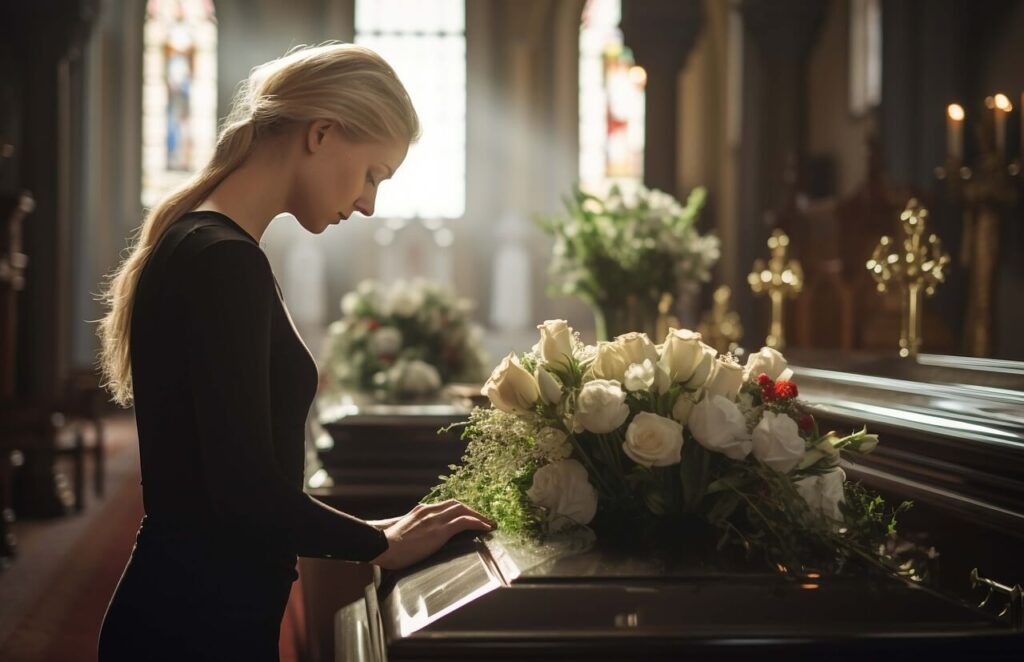
The way Americans approach end-of-life planning is changing. Quietly but steadily, a cultural shift is taking place in how families think about funerals, burial choices, and the rituals that honor a life well lived. Rather than leaving every decision to a funeral home and accepting whatever is presented at face value, more people are taking an active role in crafting farewells that truly reflect the person being remembered. This shift is not born out of cynicism or distrust, but from a deeper desire to make one of life’s most significant moments genuinely meaningful.
The Rise of the Empowered Family
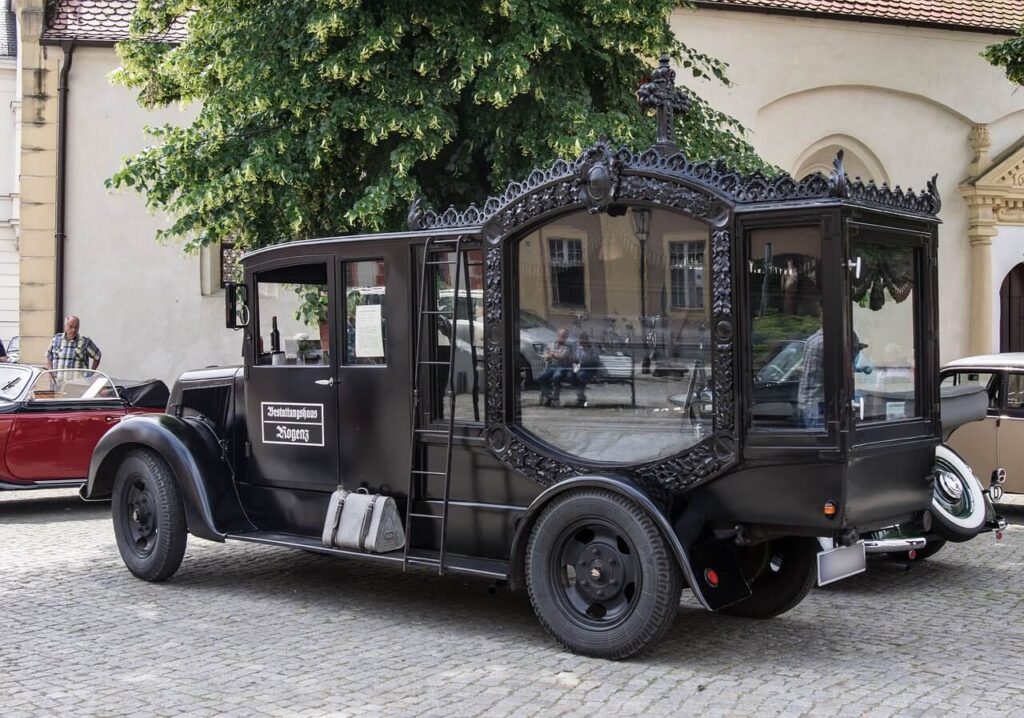
For much of the twentieth century, funeral planning was treated as something to be handled quickly and quietly, delegated entirely to professionals during an emotionally overwhelming time. Today, that model is evolving. Families are doing research in advance, having honest conversations about preferences, and approaching the planning process with the same care and intentionality they would bring to any major life event. This empowerment is not about cutting corners. It is about being informed, being present, and making choices that align with the values of the person who has passed.
Consumer advocacy has played a meaningful role in this shift. The Federal Trade Commission’s Funeral Rule, which has been in place since 1984, gives families the legal right to purchase goods and services separately, to receive itemized pricing, and to bring in products purchased elsewhere. Understanding these rights allows families to approach funeral planning as informed participants rather than passive recipients of a pre-packaged experience.
Personalization as a Form of Tribute
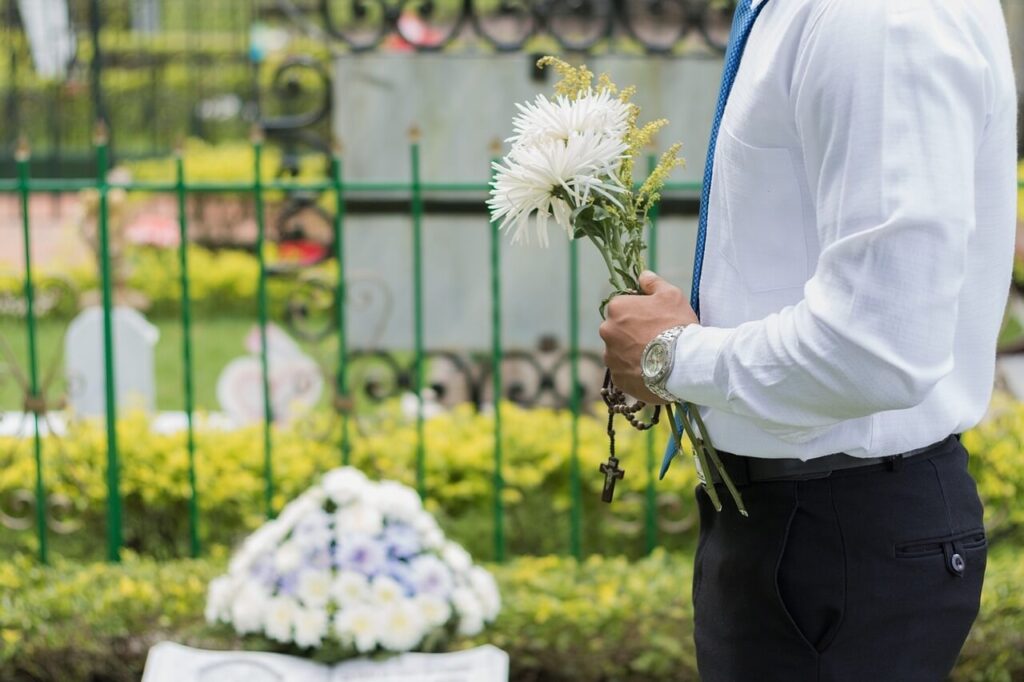
One of the most powerful trends in modern funeral planning is the move toward personalization. A funeral or memorial service is, at its heart, a story about a specific human being. When that story is told well, through music, imagery, spoken word, and even the physical objects present, it becomes something that genuinely comforts the living while honoring the deceased.
This spirit of personalization extends to every element of the service, including the casket. For many families, the casket is no longer simply a functional necessity selected from a limited showroom display. It is an opportunity to make a statement about who their loved one was. Woodworkers, artists, and craftspeople have entered this space, and online marketplaces have made it possible to find a wide range of styles, materials, and finishes that a traditional funeral home might never stock. Families who explore caskets for sale through independent retailers often discover that they have far more choices than they realized, and that those choices can meaningfully shape the tone and feeling of the entire service.
The Emotional Value of Advance Planning
While it may feel counterintuitive to plan for death while in good health, those who do so consistently report that the process brings peace of mind rather than distress. Advance planning removes the burden of major decision-making from grieving family members who are least equipped to handle it. It also creates an opportunity for honest, meaningful conversations between loved ones about values, wishes, and what a life well lived looks like.
Research from organizations focused on grief and bereavement suggests that families who feel prepared for a death, and who have had the chance to participate in meaningful rituals afterward, tend to navigate the grieving process with greater resilience. The act of planning, even when difficult, can itself be a form of love. It says to those who will remain: I thought about you, and I did not want to leave you without guidance.
According to the National Institutes of Health, grief is a complex psychological and physiological process that affects individuals differently, but having meaningful rituals and a sense of agency during bereavement can contribute to healthier long-term outcomes. This is one reason why giving families more control over funeral planning, rather than less, is increasingly seen as a compassionate approach.
Sustainability and Conscious Choices
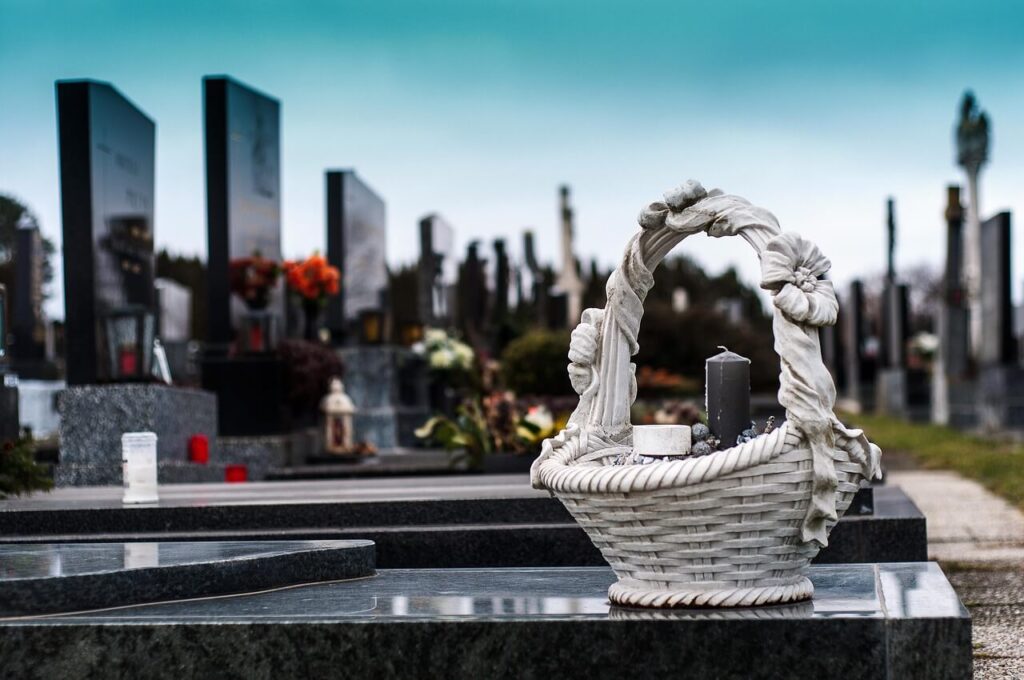
Another dimension of the evolving funeral landscape is a growing interest in environmentally conscious options. Green burials, biodegradable caskets, and natural burial grounds are no longer niche concepts. They represent a genuine and growing segment of the market, driven by people who want their final act to reflect their commitment to the environment.
Biodegradable caskets made from materials such as willow, bamboo, or untreated pine allow for natural decomposition and minimize the environmental footprint of burial. Some families choose to forgo a casket entirely in favor of a simple shroud, depending on local regulations. Others find that a beautifully crafted wooden casket, made without synthetic materials or metal hardware, strikes the right balance between tradition and environmental responsibility. The availability of these options has expanded considerably as consumer demand has grown, and families today have more sustainable choices than any previous generation.
Community, Ritual, and the Healing Power of Gathering
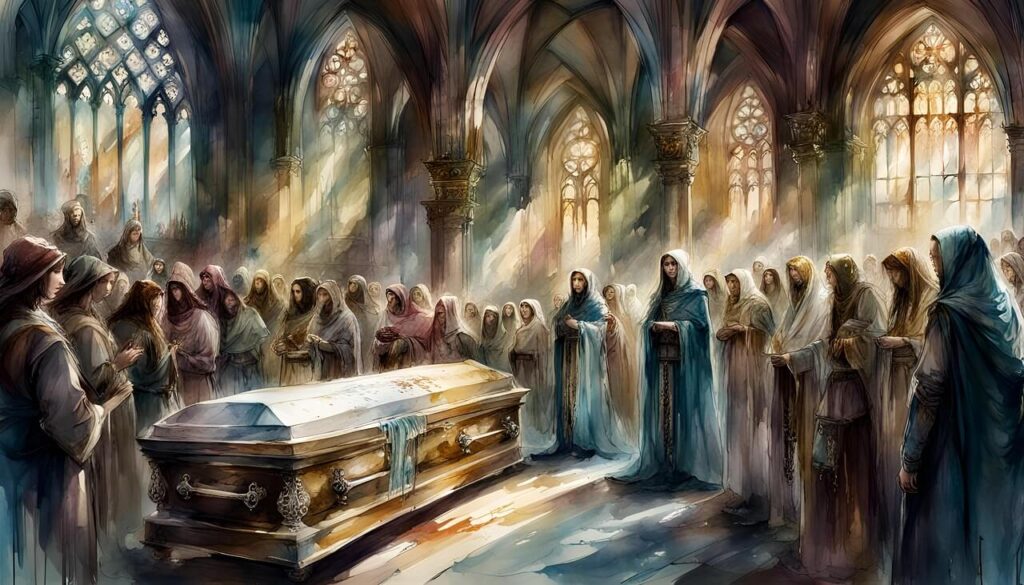
At the center of every funeral, regardless of how simple or elaborate, is a community coming together to acknowledge a shared loss. This gathering is not incidental. It is essential. Human beings have marked death with ritual for as long as recorded history, and those rituals serve a deep psychological and social function. They give grief a shape. They create a container for emotion. They remind the bereaved that they are not alone.
Modern families are finding creative ways to honor this need for communal gathering while making it their own. Some hold services outdoors in places that held meaning for the deceased. Others incorporate elements of celebration, such as music the person loved, food they enjoyed, or activities that reflect their passions. Memorial websites and virtual attendance options have made it possible for far-flung communities to participate in ways that were not previously possible. The result is often a gathering that feels less like a formality and more like a genuine tribute.
What all of these choices share is intentionality. Families who approach funeral planning thoughtfully, who ask questions, explore their options, and make decisions that reflect the person being honored, consistently report that the experience, while painful, also carries a sense of rightness and completeness that generic, off-the-shelf services rarely provide.
Saying goodbye is never easy. But when a farewell is crafted with care, when it reflects the true character of the person who has passed and the love of those who remain, it becomes something more than a formality. It becomes a lasting act of meaning, a final gift that continues to comfort long after the gathering has ended. Families who embrace this approach are not just planning a funeral. They are writing a final chapter worthy of the life that came before it.