

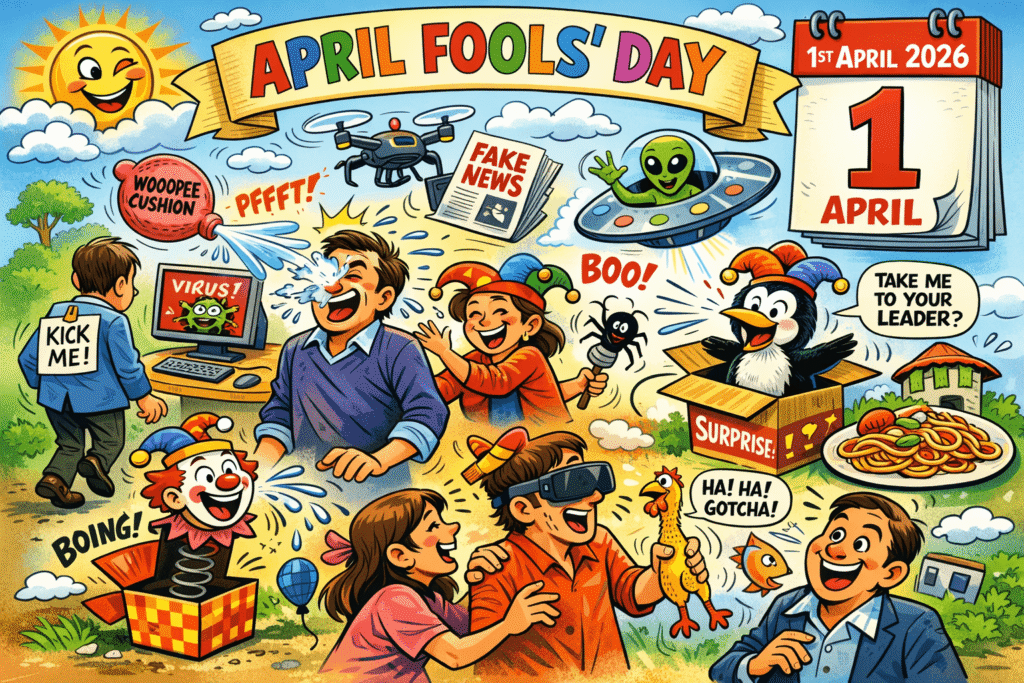
April Fools’ Day, celebrated on April 1, every year is a day when pranks, jokes, and hoaxes are not only tolerated but expected, offering a rare moment when social norms are inverted and laughter takes precedence over seriousness. But why April 1? Why not May, June, or July? To answer this, we must trace the history of the day through calendar reforms, ancient festivals, and the human need for humour.
History behind April Fools’ Day
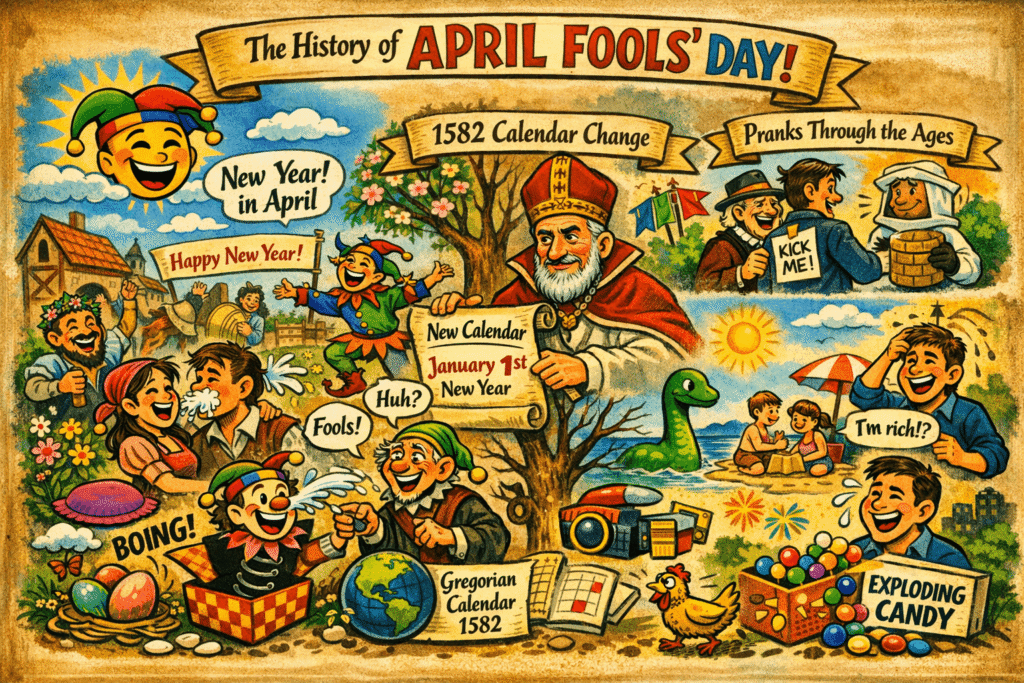
The most widely accepted explanation ties April Fools’ Day to the calendar reform of 1582, when Pope Gregory XIII introduced the Gregorian calendar. Before this reform, many Europeans celebrated the New Year around the end of March, coinciding with the spring equinox. When the new calendar shifted New Year’s Day to January 1, those who continued celebrating in April were mocked as “April fools.”
This theory explains why April 1 became the symbolic day of trickery. It was not chosen arbitrarily but emerged from a clash between old traditions and new rules. The ridicule of those who clung to the old calendar gave birth to a cultural practice that spread across Europe and eventually the world.
Why April 1 and Not May, June, or July?
The timing is crucial. Spring has long been associated with renewal, fertility, and festivals of inversion. In ancient Rome, the festival of Hilaria was celebrated in late March, where people disguised themselves and mocked one another. Similarly, medieval European carnivals often involved role reversals, humor, and playful deception.
April 1 sits at the cusp of spring, a season of transition and lightheartedness. May, June, and July, by contrast, were months of agricultural labor and summer heat, lacking the cultural association with mischief and renewal. Once April 1 was established as the day of jokes, tradition cemented it, and the date persisted across centuries and continents.
Famous Hoaxes and Examples
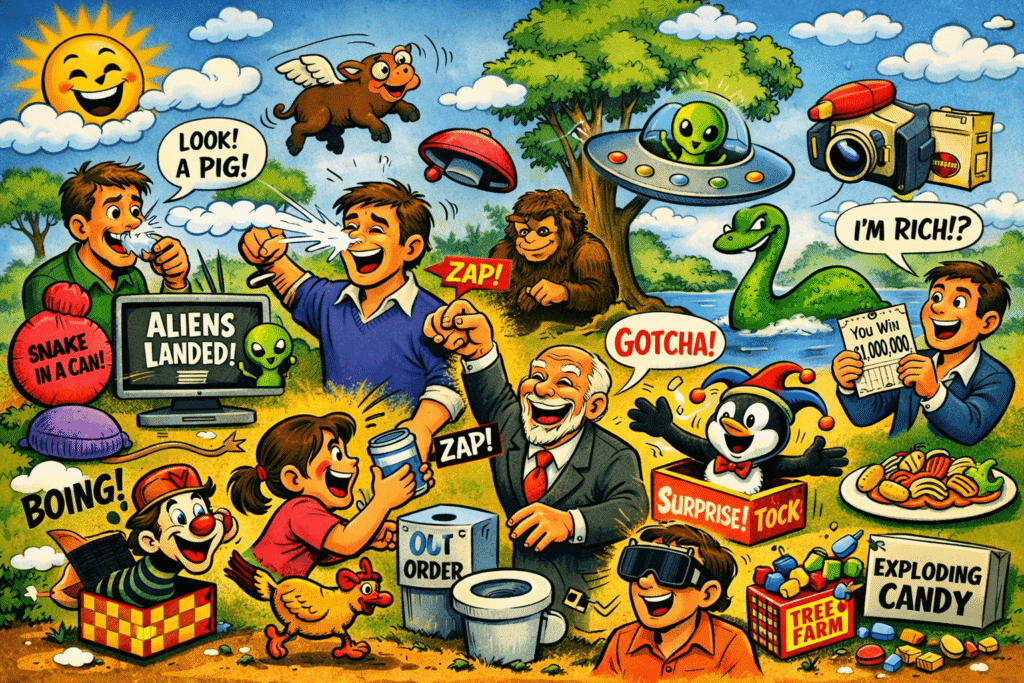
April Fools’ Day has produced some of the most memorable hoaxes in modern history. In 1957, the BBC aired a segment on a “spaghetti harvest” in Switzerland, showing farmers plucking noodles from trees. Many viewers believed it, calling the station to ask how they could grow their own spaghetti.
In the digital age, companies like Google have embraced the tradition, launching fake products such as “Google Nose” (a search engine for smells) or announcing absurd features that delight users. Newspapers, television channels, and even governments have occasionally joined in, blurring the line between humor and reality.
How April Fools’ Day Is Celebrated Around the World
France
In France, the day is known as Poisson d’Avril (“April Fish”). Children tape paper fish to the backs of unsuspecting victims, and the prankster gleefully shouts “Poisson d’Avril!” when the trick is discovered.
Scotland
Scotland celebrates “Huntigowk Day,” where people are sent on foolish errands. The word “gowk” means cuckoo, symbolizing a fool.
United States and United Kingdom
Pranks range from simple jokes among friends to elaborate media hoaxes. Newspapers and broadcasters often publish fake stories, while workplaces and schools indulge in lighthearted trickery.
India
In India, April Fools’ Day is widely recognized in urban centers. Friends and families play pranks, often amplified by social media. The tradition has blended seamlessly into modern life, with memes and viral jokes dominating online spaces.
Iran
Iran celebrates Sizdah Bedar on April 1 or 2, part of the Persian New Year festivities. Families spend the day outdoors, playing games and jokes, making it one of the oldest prank traditions in the world.
Spain and Latin America
Interestingly, prank traditions in Spain and Latin America occur on December 28, known as Día de los Santos Inocentes. While not tied to April, the spirit of playful deception is similar.
The Modern Significance of April Fools’ Day
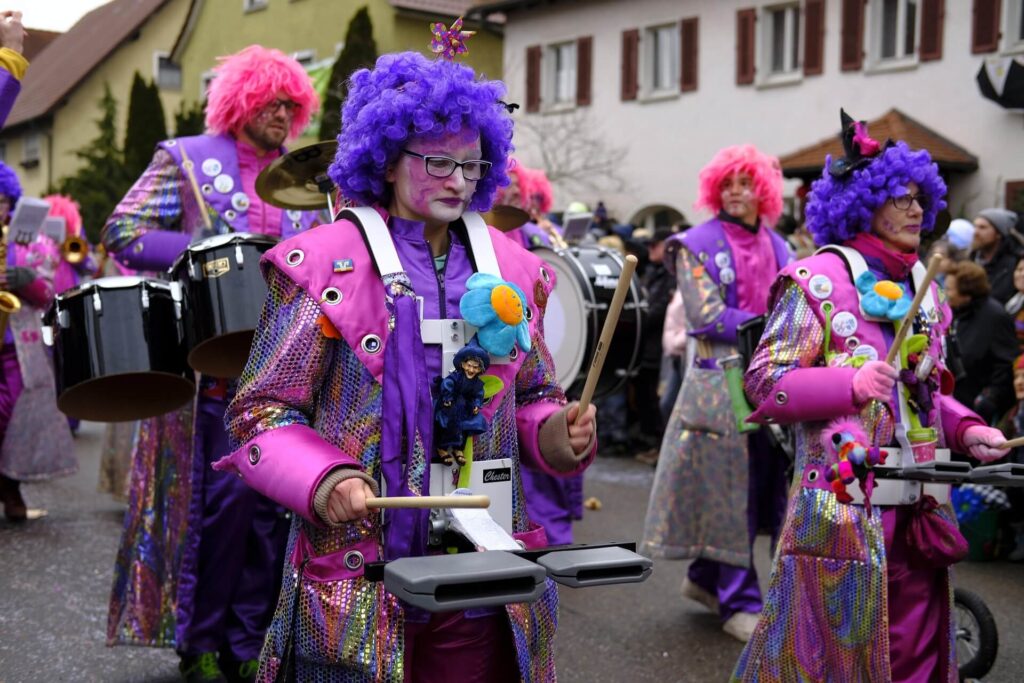
April Fools’ Day endures because it fulfills a deep human need: the need for humor, release, and shared laughter. In a world often dominated by seriousness, deadlines, and political tension, April 1 offers a sanctioned moment of levity.
It also reflects the adaptability of traditions. What began as ridicule of calendar nonconformists has evolved into a global celebration of creativity. Today, April Fools’ Day is not just about pranks—it is about community, storytelling, and the joy of being momentarily deceived in harmless ways.
Conclusion
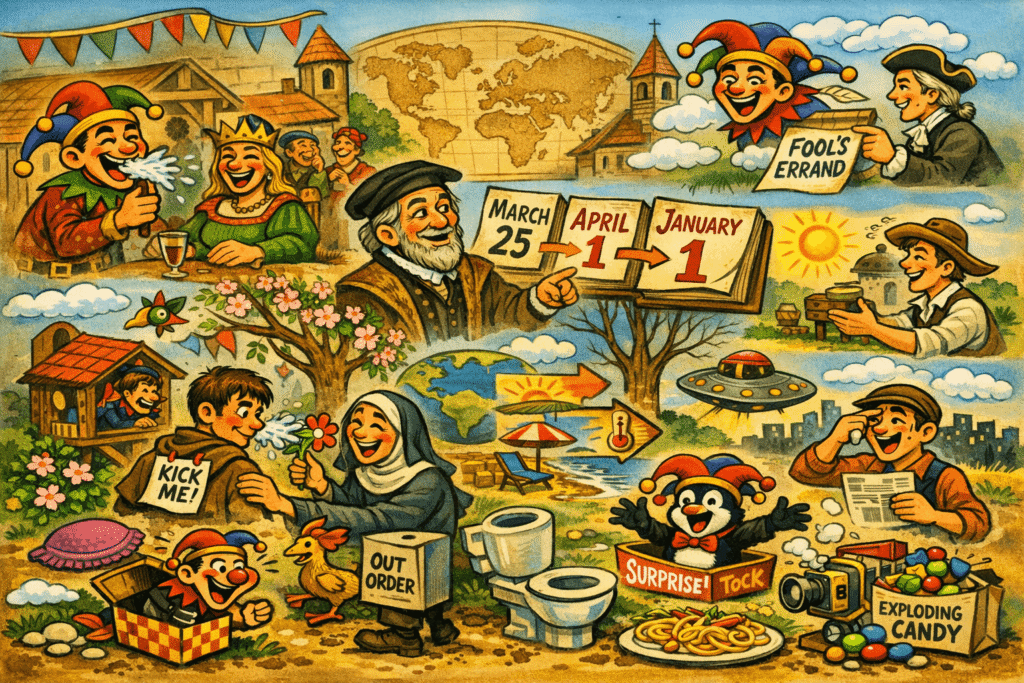
The history of April Fools’ Day is a reminder that traditions often emerge from unexpected places—in this case, a calendar reform that mocked those who clung to the old ways. Its date, April 1, is not arbitrary but rooted in springtime festivals and the cultural symbolism of renewal and inversion.
From paper fish in France to spaghetti trees on the BBC, from Google’s digital hoaxes to Iran’s outdoor festivities, April Fools’ Day has become a global phenomenon. Its endurance lies in its ability to connect people through laughter, reminding us that even in a serious world, there is room for play.
At its heart, April Fools’ Day is not about deception but about community. It is a day when laughter bridges divides, when the ordinary is turned upside down, and when being fooled becomes a shared joy rather than a humiliation. That is why April 1, and not May, June, or July, continues to be the world’s day of fools.