

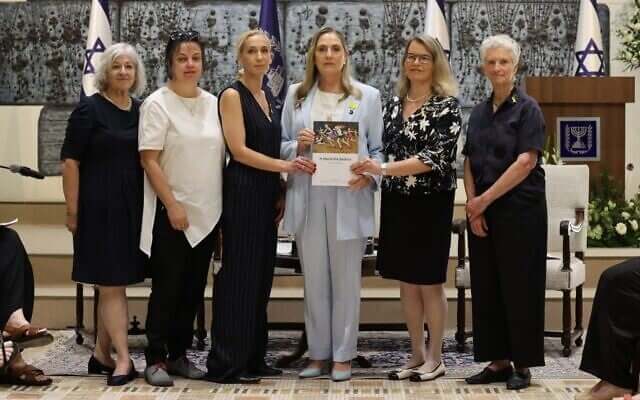
An all-women group of Israeli legal and gender experts have concluded in their recent report that during the October 7, 2023 dastardly attack, Hamas terrorists had used sexual violence as “part of a deliberate genocidal strategy” demanding justice for the sexual atrocities. The Dinah Project is a group of feminists and female legal experts from around the world. Their over 150-page long report in single space titled ‘A Quest for Justice: October 7 and Beyond’ is prepared by Prof. Ruth Halperin-Kaddari; Judge (Ret.) Nava Ben-Or; and Attorney Col. (Reserve) Sharon Zagagi-Pinhas. The report leaves no doubt: the sexual violence perpetrated on October 7 was not incidental, not isolated, and not opportunistic. It was widespread, systematic, and intentional.
What Does the Word Dinah Signify?
The term “Dinah” carries significant symbolic meaning. Dinah is a reference to a Biblical figure from the Book of Genesis 34:2. Dinah, the daughter of Jacob and Leah, was a victim of sexual violence in the biblical narrative. Dinah went out to visit the women of the land of Shechem, where Jacob’s family was staying. Shechem, the son of Hamor (the local prince), saw Dinah and as the Bible says, “took her and lay with her by force.” This act is generally understood by most scholars and traditional interpreters as rape or sexual assault. Her brothers Simeon and Levi avenged her by killing the men of Shechem, rescued Dinah, and plundered the city. Her story is one of the earliest recorded cases of sexual assault in Jewish tradition, and she has become a symbol of gender-based violence and injustice.
How They Prepared the Report?
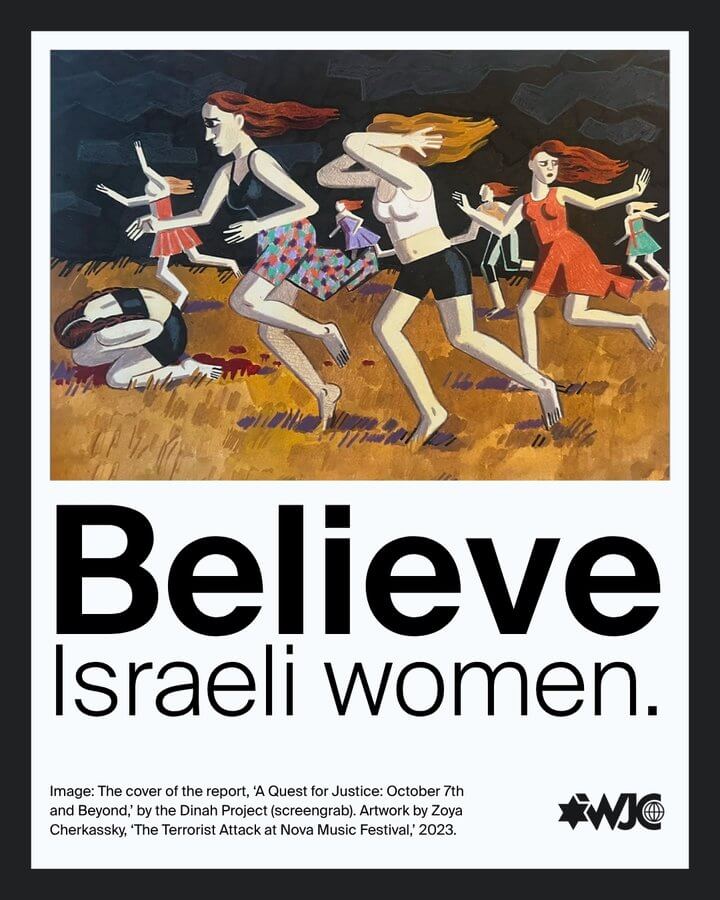
In the months that followed the attack, many survivors remained silent, silenced by trauma or death. Others began to speak, and so did those who had seen or heard the unimaginable. Their approach was multidisciplinary, blending forensic methodology, international law, survivor advocacy, and strategic litigation frameworks. More than a fact-finding mission, the Dinah Project set out to transform the legal conversation around CRSV. The Dinah Project report is based on a review of evidence including first-hand testimony from a survivor of an attempted rape and 15 former hostages held in Gaza, as well as accounts from numerous witnesses to sexual assaults. Names have not been concealed at places. Their report, many months in the making, is what the Romans called ‘horrible dictu’, that is, “horrible to say” or “dreadful to relate”. The work was funded in part by the U.K. government, universities and human rights groups. It is almost certainly going to serve as the legal blueprint for prosecution of war crimes and crimes against humanity, when the Hamas-Israel conflict finally ends, even as direct attribution to individual perpetrators would be impossible.
Their mandate was “gather, analyse and verify information on conflict-related sexual violence (CRSV) from Oct. 7 onwards. On October 7, 2023, as you would recall, Hamas and allied terrorist groups had launched a brutal, coordinated attack on southern Israel, leaving 1,239 people dead, thousands injured, and 251 taken hostages. So far, the Israelis have managed to kill at least 58,386 people and have wounded 139,077 in Gaza. However, to all those bleeding hearts who might be appalled by this figure, I must remind that in Mahabharat, to avenge the insult to the honour of just one woman Draupadi, Bhagwan Shri Krishna had himself presided over the Great War in which 18 akshauhini (approximately 49 lakh) soldiers of both sides were killed. You cannot take pride in the exemplary justice meted out by Bhagwan Krishna himself and yet condemn the righteous war of Israel.
You may recall that earlier, a UN mission had concluded in March 2024 that there were “reasonable grounds” to believe that conflict-related sexual violence occurred during the 7 October attack in multiple locations, including rape and gang rape, and that there was “convincing information” that hostages had been subjected to sexual violence, including rape and sexualised torture. Before they were killed by Israel, three top Hamas leaders were also accused by the International Criminal Court’s prosecutor of the crimes against humanity of rape and other forms of sexual violence, in addition to murder, extermination and torture.
In short, the Dinah Project report “establishes that Hamas used sexual violence as a tactical weapon, as part of a genocidal scheme and with the goal of terrorizing and dehumanizing Israeli society”. The report also underscores the moral imperative to confront denialism and silence surrounding CRSV. By documenting the atrocities of October 7 in meticulous detail and grounding its analysis in international law, the Dinah Project counters attempts to minimize or justify these crimes by the liberals.
Why is the Report so Important?
The report’s significance lies in its dual focus: it provides a detailed account of the atrocities committed on October 7 and in captivity, and it proposes a novel legal framework to address the complexities of prosecuting conflict-related sexual violence (CRSV). By treating the October 7 attacks as a case study, the Dinah Project aims to set a precedent for addressing sexual violence in conflicts globally, challenging the historical impunity that has often shielded perpetrators.
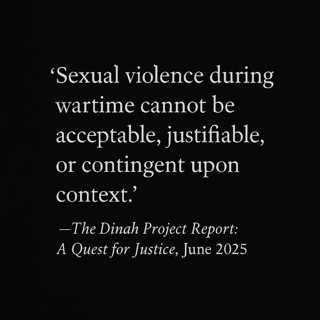
Most importantly, the Dinah Project’s report establishes that sexual violence during the October 7 attacks was not an incidental by-product of war but a deliberate and systematic tactic. The report identifies clear patterns of CRSV across at least six locations: the Nova music festival, Route 232, Nahal Oz military base, and the kibbutzim of Re’im, Nir Oz, and Kfar Aza. These patterns include victims found partially or fully naked, often bound to structures like trees or poles; evidence of gang rapes followed by executions; genital mutilation; and public humiliation. The report also documents on-going sexual violence in captivity, with hostages reporting forced nudity, physical and verbal sexual harassment, sexual assaults, and threats of rape. For example, one of the 15 former hostages said she was forced to perform a sexual act, which was preceded by sexual abuse and verbal and physical sexual harassment. She also said she endured forced nudity – an experience which was reported by six other hostages as well.
The report also draws on visual and audio evidence, including images from the film Screams Before Silence, produced by Kastina Communications. These materials, combined with forensic findings and witness accounts, create a multi-faceted narrative that honors the resilience of survivors and the memory of those who were lost.
Videos filmed by Hamas itself include footage of one woman, handcuffed and taken hostage with cuts to her arms and a large patch of blood staining the seat of her trousers. In others, women carried away by the fighters appear to be naked or semi-clothed. Multiple photographs from the sites after the attack show the bodies of women naked from the waist down, or with their underwear ripped to one side, legs splayed, with signs of trauma to their genitals and legs. One of the body-collectors volunteering with the organisation Zaka described signs of torture and mutilation which included a pregnant woman whose womb had been ripped open before she was killed, and her foetus stabbed while it was inside her.
Nachman Dyksztejna has provided written testimony of seeing the bodies of two women in kibbutz Be’eri with their hands and legs tied to a bed. “One was sexually terrorised with a knife stuck in her vagina and all her internal organs removed,” his statement says. At the festival site, he says small shelters were “filled with piles of women. Their clothing was torn on the upper part, but their bottoms were completely naked. Piles and piles of women…When you took a closer look at their heads, you saw a single shot straight to the brain of each.”
The report categorizes evidence into six groups to ensure a robust and reliable evidentiary framework:
- First-Hand Survivor Testimonies: These include accounts from survivors of the attacks and returned hostages, though many victims were murdered, and survivors often face severe trauma, limiting their ability to testify.
- Eyewitness and Earwitness Accounts: Real-time observations from individuals who saw or heard sexual violence, providing critical evidence given the silencing of many victims.
- First Responder Testimonies: Accounts from security forces, paramedics, and ZAKA volunteers who recovered bodies, many of which showed signs of sexual violence. ZAKA is an Israeli volunteer organization that specializes in rescue and recovery, particularly in cases of death and disaster.
- Second Responder Testimonies: Reports from workers at the Shura military base, where bodies were processed for identification, revealing forensic evidence of sexual violence.
- Healthcare and Therapist Reports: Insights from medical professionals and therapists treating survivors, documenting physical and psychological indicators of abuse.
- Visual and Audio Evidence: Videos, photographs, and intercepted communications, including those published on social media, showing acts of sexual humiliation and assault.
This categorization allows investigators to assess the weight and reliability of each piece of evidence, creating a comprehensive picture even in the absence of direct victim testimony. The report emphasizes recurring patterns, such as the murder of victims during or immediately after assaults, which underscores the deliberate and genocidal intent behind these acts.
The Legal Framework: Redefining Criminal Responsibility
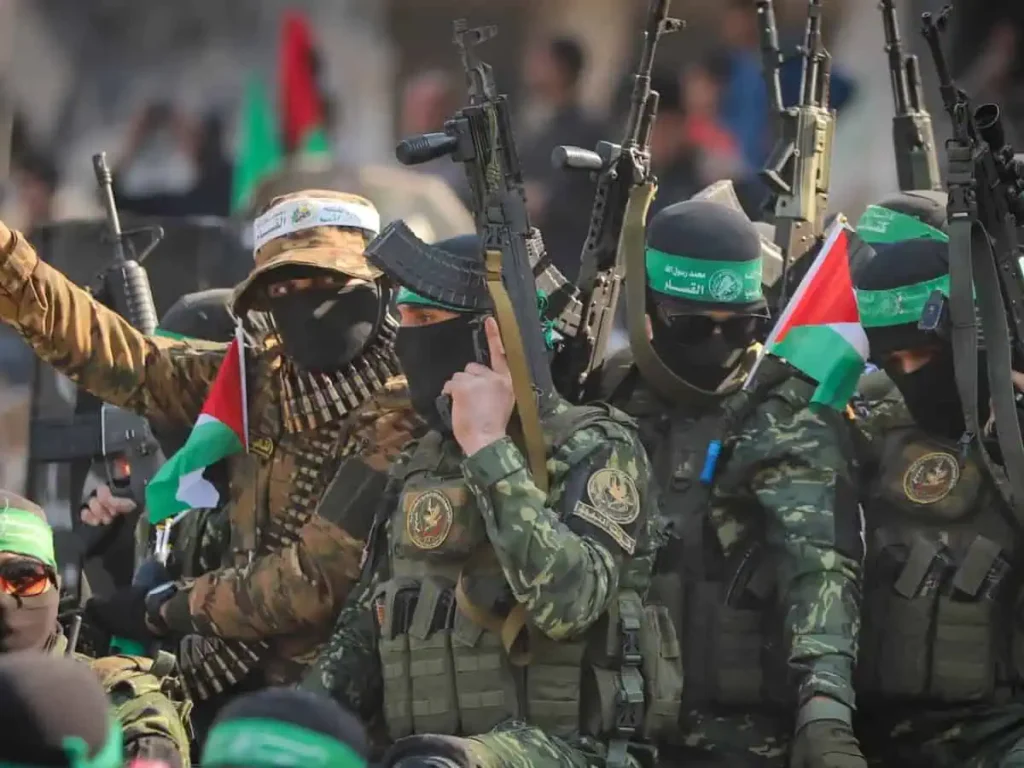
One of the report’s most ground-breaking contributions is its doctrinal framework for establishing criminal responsibility in the context of mass attacks driven by genocidal intent. The October 7 attacks were underpinned by Hamas’s radical ideology, as outlined in its 1988 Charter, which combines Islamist doctrine with antisemitic tropes. There is ample evidence in the form of videos of naked and bloodied women filmed by Hamas on the day of the attack that the Hamas terrorists raised Islamic slogans while raping women; humiliating them by stripping them naked; and trampling on their bodies. If this was not proof enough of a heinous crime driven by religious hatred, what else is?
The report argues that all participants in the attack bear responsibility for the full range of atrocities, including sexual violence, regardless of whether they personally committed specific acts.
The report introduces two key legal concepts to support this framework:
- Joint Criminal Enterprise (JCE): Under the JCE doctrine, all participants in a coordinated attack share responsibility for crimes committed by the group, provided they possess the requisite intent (mens rea). The report asserts that the Nukhba terrorists, Hamas’s elite unit, were fully aware of the attack’s genocidal objectives, making them liable for all crimes, including CRSV.
- Derivative Liability: This principle holds that individuals who knowingly participate in a mass assault foresee the likelihood of crimes like sexual violence, making them accountable for the actions of their co-perpetrators.
The report shows that the ideological indoctrination of Hamas operatives, which dehumanized Jews and Israelis, facilitated the removal of moral restraints, enabling the extreme brutality of the attacks. By framing the October 7 atrocities as a collective, ideologically driven assault, the Dinah Project advocates for a model of criminal law that attributes responsibility to all participants, ensuring that no perpetrator escapes accountability.
Adapting Evidentiary Paradigms for CRSV
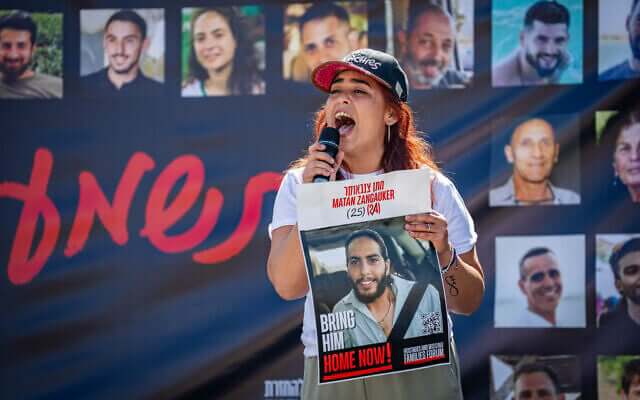
Prosecuting CRSV poses unique challenges, particularly in conflict zones where victims are often killed, survivors are traumatized, and crime scenes are destroyed or inaccessible. The Dinah Project’s report addresses these challenges by proposing an adapted evidentiary paradigm that moves beyond the traditional reliance on direct victim testimony. Key elements of this paradigm include:
- Broad Range of Admissible Evidence: The report advocates for the use of diverse evidence types, including eyewitness and earwitness testimonies, res gestae statements (spontaneous reports made during or shortly after an event), and circumstantial evidence. This approach acknowledges the systematic silencing of victims and the public nature of CRSV, which is often committed to amplify harm to communities.
- Pattern Recognition: By identifying recurring patterns across multiple incidents—such as victims found naked with bound hands or evidence of genital mutilation—the report establishes the systematic and intentional nature of the violence.
- Context as Evidence: The broader context of the attack, including its ideological underpinnings and coordinated nature, is treated as corroborative evidence, reinforcing the legal weight of individual testimonies and forensic findings.
- Maintaining High Evidentiary Standards: While adapting the evidentiary model, the report emphasizes the importance of maintaining credibility and reliability, ensuring that all evidence meets established legal standards.
This tailored paradigm is designed to overcome the inherent barriers to prosecuting CRSV, such as the murder of victims, the trauma of survivors, and the destruction of crime scenes. By focusing on the collective harm caused by CRSV, the report argues that the legal response must reflect the broader societal impact of these crimes.
Global Implications: A Universal Call to Action
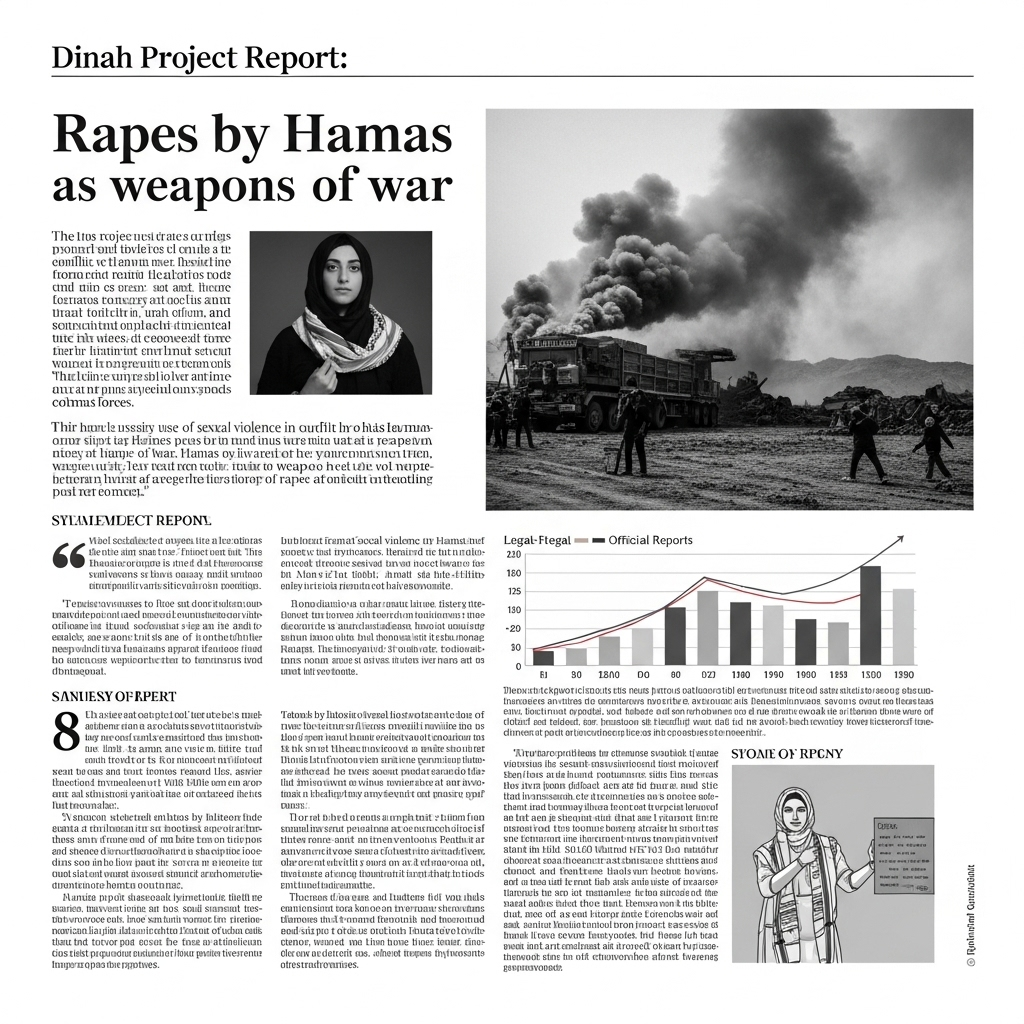
While the Dinah Project’s report focuses on the October 7 attacks, its implications extend far beyond Israel. CRSV is a global phenomenon, and the report’s findings and recommendations offer a blueprint for addressing sexual violence in conflicts worldwide. By challenging the traditional evidentiary model and proposing a framework that accounts for the systematic nature of CRSV, the report sets a precedent for prosecuting similar crimes in other regions, from Syria to Ukraine to the Democratic Republic of Congo. Its call for global recognition of CRSV as a weapon of war sends a clear message: such acts are unacceptable, unjustifiable, and must be met with accountability. But more than anything else, it asks us to never forget what happened on October 7—not only the death, but the desecration as well. For that, merely killing the perpetrators in battlefields is not enough; if their future generations ever have to learn a lesson, they must be punished judicially too.
A Lament for Those Who Screamed But Were Not Heard
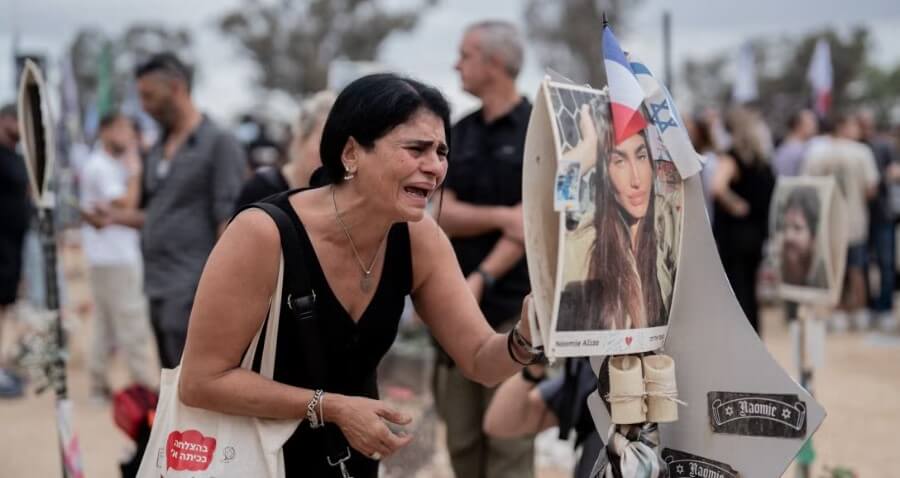
The report opens with an excerpt from The Cry by Dr. Sivan Har-Shefi, a college professor and a poet, in a poignant reflection on the silencing of victims and the need to bear witness to their suffering—a lament for those who screamed but were not heard, and for those still unable to speak. This metaphor pervades the entire document. For while the Dinah Report is meticulous in its legal architecture, it never loses sight of its human mission: to hear the cry, to dignify the wounded, and to strike at the silence that so often shields cruelty.. I will quote a few lines from the poem:
Anyone seeking to cope with a cry –
must have ears
must have a heart
with walls
supple ones.
Anyone who wants to write about the cry
anyone who wants to write the cry
needs to know how to stay silent for a long time
to restrain, hand as well
and thin out partitions
to stretch taut strings over the echo chamber
carry them along, the strings
not to strum them, but to rip them out
This literary touch underscores the project’s commitment to preserving the memory of those who endured the horrors of October 7.
The Dinah Project’s report is more than a legal document; it is a testament to the resilience of survivors, a memorial to the victims, and a call to action for the international community. As the world grapples with the on-going challenge of sexual violence in conflict, the Dinah Project’s work serves as a beacon of hope and a reminder of our shared responsibility to confront these crimes.

This is lucid narration of the HAMAS.i feel pity to the victims. But we are in a new civilization.