

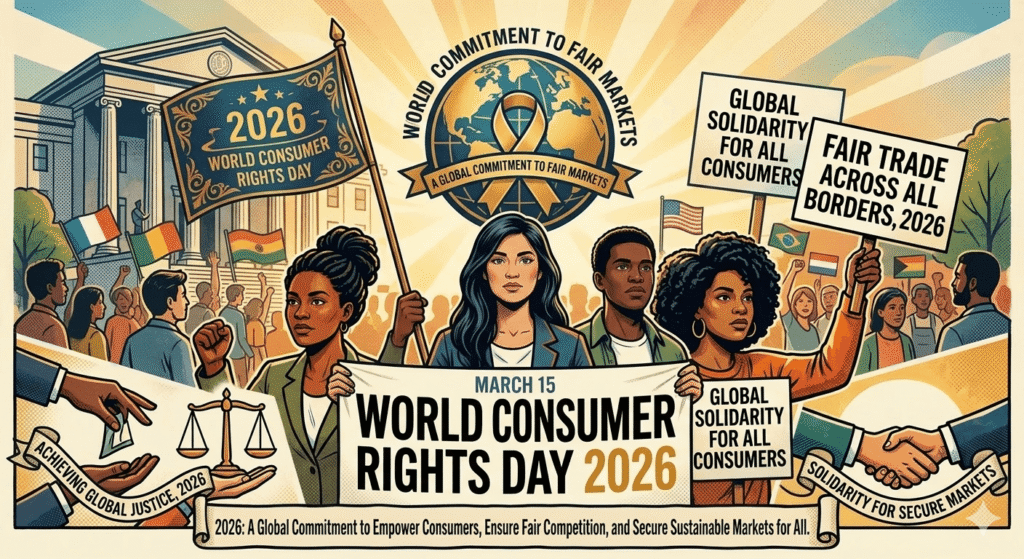
As the world marks World Consumer Rights Day 2026, the spotlight falls on two urgent themes: digital fairness and sustainability. For India, these issues are not abstract ideals but pressing realities. With millions of citizens relying on digital platforms for shopping, banking, and healthcare, questions of transparency, accountability, and ethical responsibility have never been more critical. At the same time, sustainability must be understood not only in environmental terms but also in the context of consumer safety, affordability, and long‑term trust.

Prof. Bejon Misra, an international consumer policy expert and long‑time advocate for public interest, believes that protecting consumer rights is fundamental to justice. In this exclusive interview, he highlights the gaps in India’s regulatory framework, the uneven levels of consumer awareness, and the risks posed by emerging technologies such as AI and digital monopolies. He also underscores the successes of consumer advocacy in shaping corporate accountability and policy reform. His message is clear: safeguarding consumer rights is not optional — it is essential for building a fair marketplace and a resilient economy.
Q1: World Consumer Rights Day 2026 focuses on digital fairness and sustainability. How do you see these themes resonating with Indian consumers today?
Prof. Misra: Digital fairness and sustainability are deeply relevant in India’s current consumer landscape. Millions of Indians rely on digital platforms for shopping, banking, and healthcare, yet many face challenges around transparency, misleading claims, and data misuse. Sustainability, meanwhile, is not just about the environment — it’s about ensuring businesses act responsibly towards consumers and society. For India, this means building systems where digital innovation is balanced with ethical practices, and where sustainability includes consumer safety, affordability, and long‑term trust. These themes highlight the urgent need for stronger consumer protection frameworks in our digital economy.
Q2: What regulatory gaps still exist in India when it comes to protecting consumers in sectors like e‑commerce, fintech, and healthcare?
Prof. Misra: India has made progress with the Consumer Protection Act and sector‑specific guidelines, but gaps remain in fast‑moving areas like e‑commerce, fintech, and healthcare. For example, grievance redressal mechanisms are often slow, leaving consumers frustrated. In fintech, digital lending platforms sometimes operate without adequate transparency, exposing consumers to hidden charges. Healthcare faces challenges with misleading advertisements and uneven quality standards. Regulations must evolve faster to match technological change, and enforcement must be strengthened. Without robust oversight, consumers remain vulnerable to exploitation in sectors that are central to their daily lives.
Q3: Do you believe Indian consumers are sufficiently aware of their rights? What more can be done to strengthen grassroots awareness?
Prof. Misra: Consumer awareness in India is uneven. Urban consumers may be more informed, but rural and vulnerable groups often lack access to information about their rights. Strengthening grassroots awareness requires investment in education and outreach. Consumer rights should be integrated into school curricula, so young citizens grow up empowered. Digital literacy campaigns are also essential, especially as more services move online. Civil society organizations, local governments, and media must collaborate to spread awareness in regional languages. Empowered consumers are the strongest safeguard against exploitation, and awareness is the foundation of empowerment.
Q4: With AI and digital platforms shaping consumer experiences, what safeguards should be in place to prevent exploitation or misinformation?
Prof. Misra: AI offers great potential to improve consumer experiences, but it also carries risks of manipulation and misinformation. Safeguards must include algorithmic transparency, so consumers understand how decisions are made. Independent audits of AI systems should be mandatory to ensure fairness. Accountability frameworks must clearly define who is responsible when harm occurs. Consumers should have the right to challenge automated decisions and demand human oversight. Ultimately, technology must serve consumers, not exploit them. India must adopt global best practices while tailoring safeguards to its unique digital ecosystem.
Q5: Can you share examples where consumer advocacy has successfully influenced corporate accountability or policy reform in India?
Prof. Misra: Consumer advocacy has achieved significant victories in India. One example is the regulation of misleading advertisements, where advocacy groups pushed regulators to act against false claims in food and healthcare. Companies were forced to withdraw deceptive campaigns, protecting consumers from misinformation. Another success is the promotion of generic medicines, where consumer voices influenced policy to make healthcare more affordable. These cases show that organized consumer movements can drive accountability and reform, ensuring that both corporations and policymakers prioritize consumer interests.
Q6: How does India’s consumer rights framework compare with global leaders such as the EU or the US? Where do we need to catch up?
Prof. Misra: India’s consumer rights framework is evolving, but it lags behind global leaders like the EU and US. The EU’s GDPR sets high standards for data protection, while the US enforces consumer rights rigorously through agencies like the FTC. India has strong laws, but enforcement remains inconsistent. We need to catch up in areas like digital privacy, online marketplace accountability, and rapid grievance redressal. Aligning with global benchmarks will not only protect Indian consumers but also enhance India’s credibility in international trade and digital commerce.
Q7: How effective is Public Interest Litigation (PIL) as a tool for advancing consumer rights in India?
Prof. Misra: PIL has been a powerful tool in advancing consumer rights in India. It allows consumer groups to challenge systemic failures in areas like food safety, healthcare, and misleading trade practices. PILs have often compelled authorities to act when regulatory enforcement was weak. However, PIL should not replace strong institutions — it should complement them. The ultimate goal must be a system where regulators act proactively, and consumers don’t need to resort to litigation for basic protections. PIL is a catalyst, but enforcement is the backbone of consumer rights.
Q8: What role should corporations play in proactively protecting consumer rights, beyond compliance with regulations?
Prof. Misra: Corporations must recognize that consumer trust is their most valuable asset. Beyond compliance, they should embed consumer rights into their business models. This means transparent pricing, ethical marketing, and fair grievance redressal systems. Companies that proactively protect consumer rights build long‑term loyalty and brand credibility. In today’s competitive market, responsibility is not just a legal obligation — it is a strategic advantage. Businesses that respect consumers will thrive, while those that exploit them will face reputational and regulatory consequences.
Q9: What emerging risks do you see as the next frontier for consumer protection?
Prof. Misra: The next frontier includes digital monopolies, data privacy, and greenwashing. Tech giants wield enormous influence, and without checks, consumers risk exploitation through opaque algorithms and monopolistic practices. Data privacy is another urgent challenge, as consumers often have little control over how their information is used. Greenwashing — false sustainability claims — is also rising, misleading consumers who want to make ethical choices. These risks are global, but India must prepare now with strong laws, vigilant regulators, and empowered consumers.
Q10: On this World Consumer Rights Day, what is your message to policymakers, businesses, and citizens?
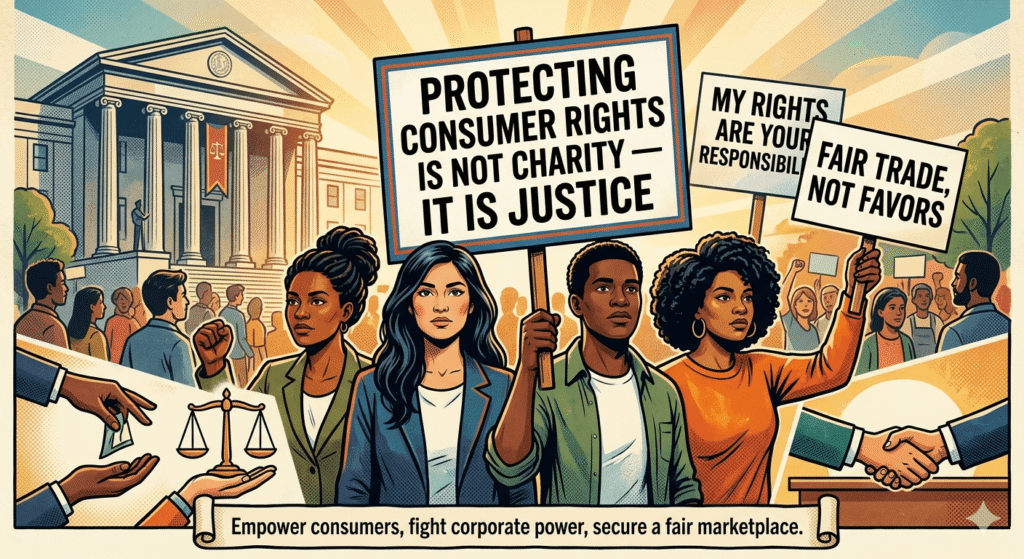
Prof. Misra: Consumers are the backbone of the economy. Protecting their rights is not charity — it is justice. Policymakers must act boldly to strengthen laws and enforcement. Businesses must act responsibly, embedding consumer rights into their practices. Citizens must act consciously, demanding accountability and making informed choices. On this World Consumer Rights Day, my message is clear: a fair marketplace is built when all stakeholders work together. India has the talent, innovation, and willpower to lead globally in consumer protection — now is the time to act.