

Pakistan Army is not an Army, its a partnership firm made to loot Pakistan
Twitter
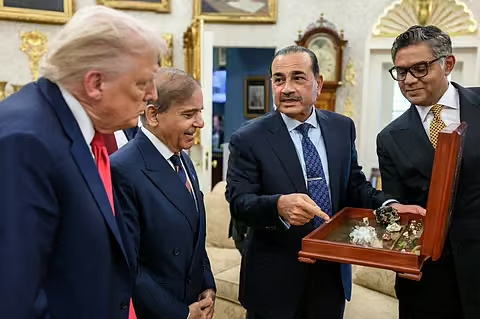
When it’s not fighting a war or sponsoring terrorism – the Pakistan Army minds its own business. Literally so.
Paradoxically Pakistan is “poor nation with a rich army” that thrives, even while the nation has to live with austerity due to mounting external debt, inflation, and unemployment.
The annual profit generated by the military run commercial establishment is around $26–27 billion— more than the revenues of some of South Asia’s biggest private conglomerates. The Pakistan’s army today is a corporate powerhouse with business spread across fertilizers, cement, energy, banking, real estate, and service sectors.
This gives rise to a “parallel economy” with the Pakistan Army as the country’s largest and richest business enterprise.
Pakistan army’s corporate empire
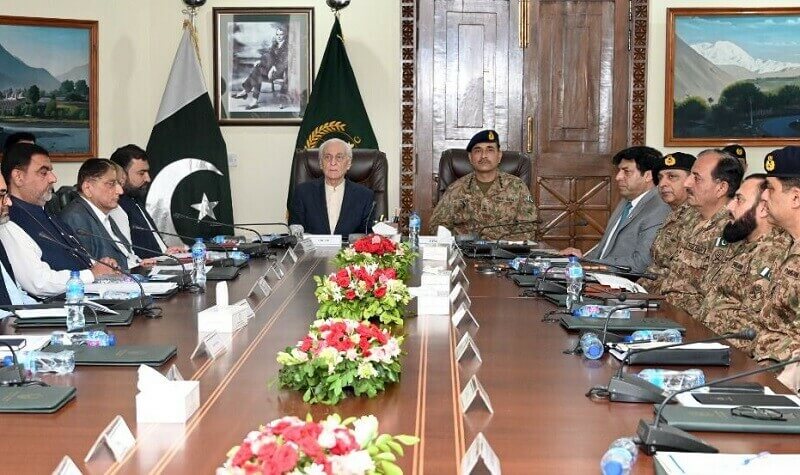
The Pakistani military directly or indirectly runs an “invisible empire” of over 50 business ventures– deeply rooted into the country’s economic fabric. These include:
- Fertilizer plants
- Cement factories
- Banks and insurance companies
- Hospitals and schools
- Real estate projects
These businesses or commercial entities are run through a network of foundations and trusts including:
Fauji Foundation
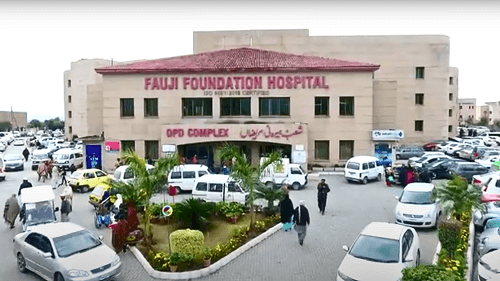

Pakistan’s largest and richest conglomerates worth about $ 6 billion. Established in 1954, the Fauji Foundation began as a charitable trust and has grown into one of Pakistan’s largest business groups, with interests in fertilizer, cement, food, energy, and banking.
The Fauji Foundation is the crown jewel of Pakistan’s military commerce. It runs Fauji Fertilizer Company (FFC) and Fauji Cement, which dominate Pakistan’s fertilizer and cement markets. FFC consistently ranked among Pakistan’s top publicly listed companies
The Fauji group also has sizable stakes in power generation, oil, and food processing. These ventures contribute several billion dollars to its portfolio, making the military a key player in Pakistan’s energy and agri-business sectors.
Army Welfare Trust (AWT)
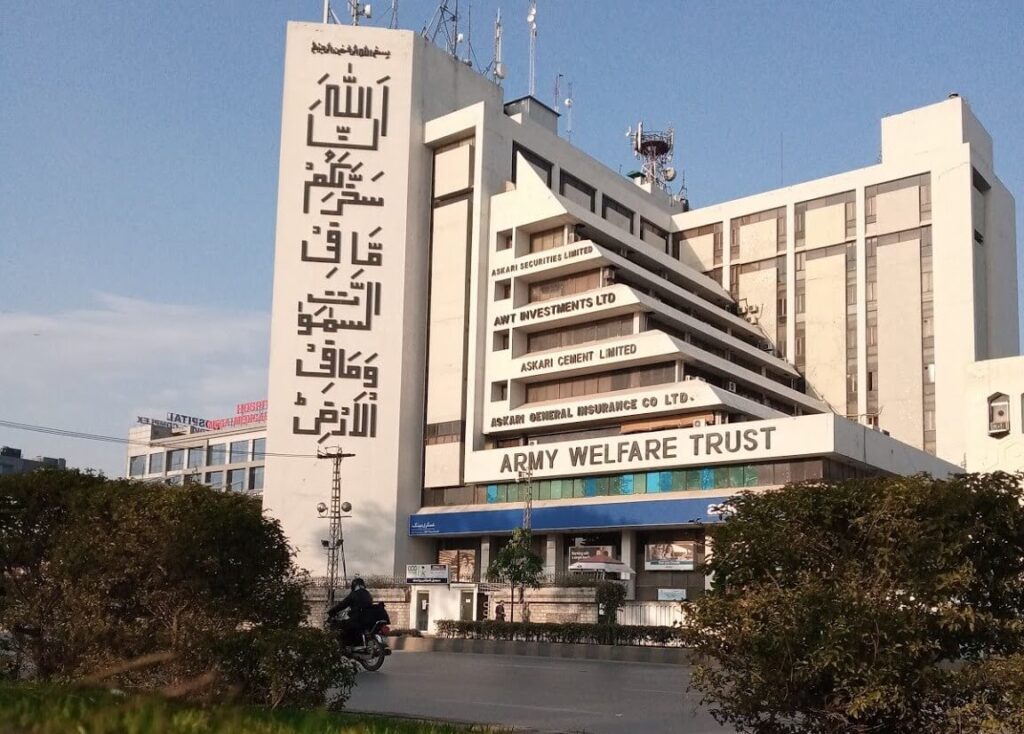
Having stakes in banking, insurance, real estate, and agriculture. The Army Welfare Trust (AWT) runs Askari Bank, one of Pakistan’s major private banks, alongside insurance companies and investment firms. Banking alone contributes billions of dollars in terms of revenue, reinforcing the military’s influence in the financial sector
Also Read: Enemies within: Generals who destroyed Pakistan 1
Defence Housing Authorities (DHAs)
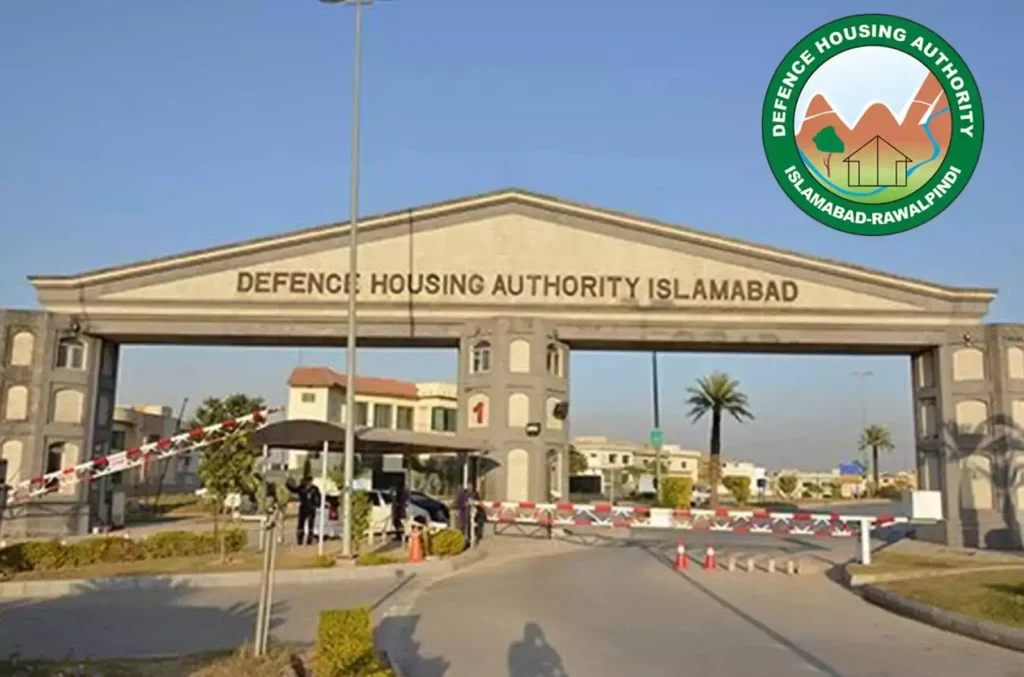
High‑end real estate projects across major cities. The Defence Housing Authorities (DHAs) are among the most lucrative ventures. These high‑end housing projects in Karachi, Lahore, Islamabad, and other cities generate enormous profits through land development and sales. Real estate is one of the largest contributors to the military’s annual business value
Shaheen Foundation
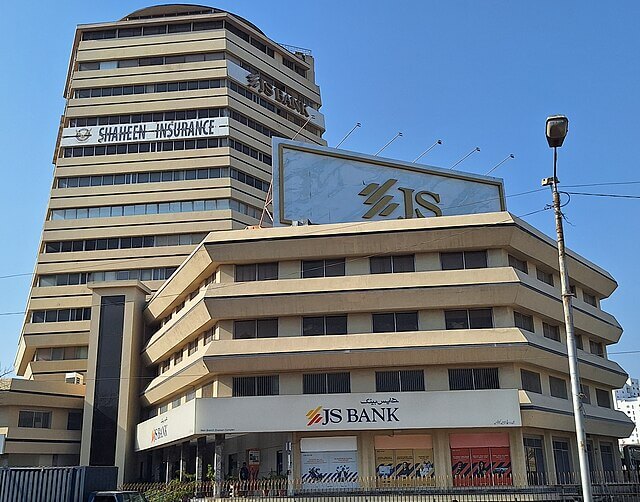
Though comparatively smaller than Fauji or AWT the Shaheen Foundation linked to the Air Force is well entrenched in education, media, and aviation sector
Approximate Sectoral Contribution (Annual Revenue)
| Sector | Key Entities | Approx. Value (USD) |
| Fertilizers & Cement | Fauji Fertilizer, Fauji Cement | $8–10 billion |
| Energy & Food | Fauji Oil Terminal, Fauji Foods | $5–6 billion |
| Banking & Insurance | Askari Bank, AWT Insurance | $4–5 billion |
| Real Estate | Defence Housing Authorities (DHAs) | $6–7 billion |
| Aviation & Services | Shaheen Foundation ventures | $2–3 billion |
| Total | 50+ military‑run entities | $25–27 billion |
Evolution and growth of Pakistan Army’s business ventures:
The origin of Pakistan military’s forays into business dates back to 1945, when the British created the Post‑War Services Reconstruction Fund (PWSRF) for Indian war veterans. At the time of Partition in 1947, Pakistan received part of this fund, which was initially managed by the civilian government, but later transferred to the army. In 1954 the Fauji Foundation was incorporated under the Charitable Endowments Act to provide pensions, healthcare, and education for ex‑servicemen, widows, orphans and their families.
The 1960s–1970s were a phase of expansion and consolidation. The Fauji Foundation begins investing in fertilizer plants, cement factories, and healthcare facilities. Schools and hospitals were built, and the profits were reinvested. In 1971 the Army Welfare Trust (AWT) was founded to deal in agriculture, banking (Askari Bank), insurance, and real estate projects.
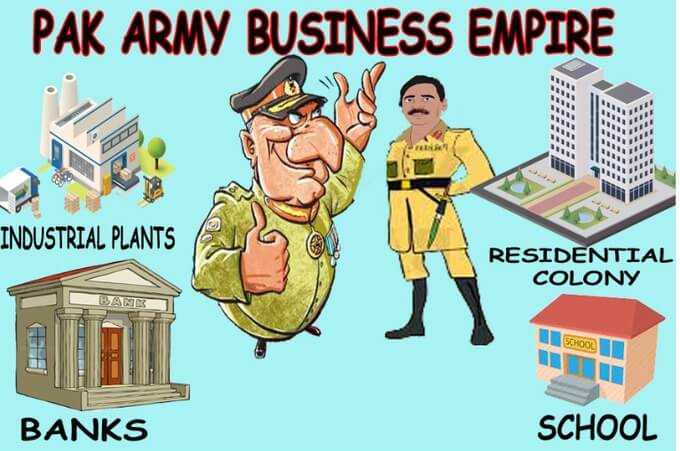
The next phase saw the creation of Shaheen Foundation (Air Force) in the 80s and Bahria Foundation (Navy) in the 90s to manage diversified interest in aviation, shipping, media, education sector. Likewise, Defence Housing Authorities (DHAs) was started to look after high‑end real estate projects in Karachi, Lahore, and Islamabad.
In the 2000s the milbus started spread their wings in the energy, oil, food processing, and power sector. By this time the Fauji Foundation and its subsidiaries had already become market leaders in fertilizer and cement. Even DHAs was well entrenched into Pakistan’s most lucrative real estate ventures catering to elites in Karachi, Lahore, Islamabad, and other prominent cities.
The original purpose behind these military foundations was to look after the welfare of serving and retired soldiers and their families but over time, these welfare trusts expanded into commercial ventures, reinvesting profits into new businesses. Today these ventures collectively dominate key sectors of the economy and provide employment to millions of people.
Implications for civilian institutions
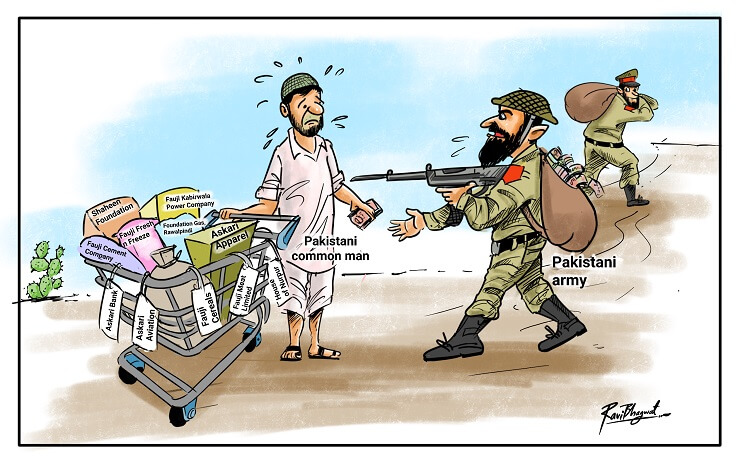
The military’s economic role has several consequences. As a result:
- Pakistan’s army is not just a defence institution but a corporate powerhouse, with business ventures valued at tens of billions of dollars annually.
- The Milbus (military businesses) dominate key sectors. Their influence is so extensive that it overshadows some of Pakistan’s largest private conglomerates.
- The military businesses are market leaders in some sectors. The army’s access to land, capital, and regulatory support gives it an unfair advantage over civilian businesses and keeps private competitors out of the race. This discourages entrepreneurship and distorts the market.
- The army’s commercial empire strengthens its political clout
- It creates a conflict of interest as the resources meant for security are diverted into commerce. This blurs the line between national defence and profit‑making – raising questions about priorities
- Military businesses operate with limited transparency, shielded from civilian oversight and profits are reinvested within the military ecosystem, instead of contributing to public revenue.
- The army’s control of commercial assets reinforces its influence over civilian institutions, making it not just a security actor but also an economic stakeholder. The result is a civil‑military imbalance that shapes governance and policy
Conclusion:
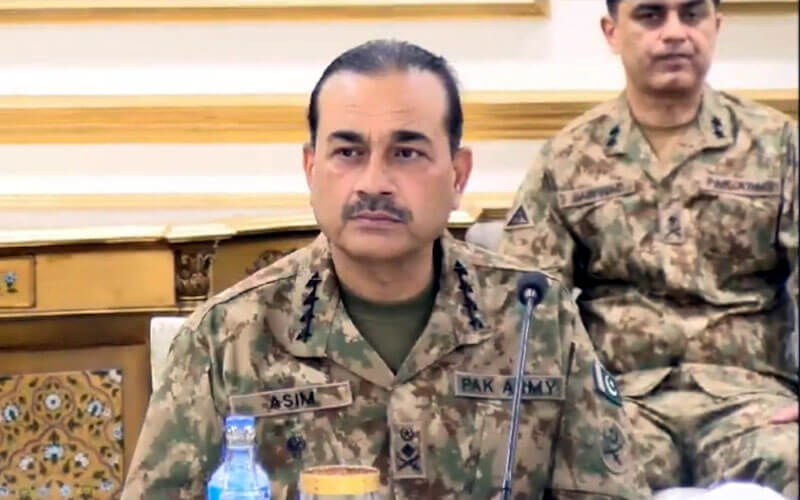
Pakistan’s army today is more than a defender of borders; it is also one of the country’s richest businessmen. From fertilizers to real estate, its ventures generate billions while ordinary citizens struggle with debt and inflation. This dual role — soldier and salesman — creates a parallel economy where until clear lines are drawn between national defence and profit‑making, Pakistan will remain a nation where the guardians of the state are also its most powerful and profit hungry business magnates.