

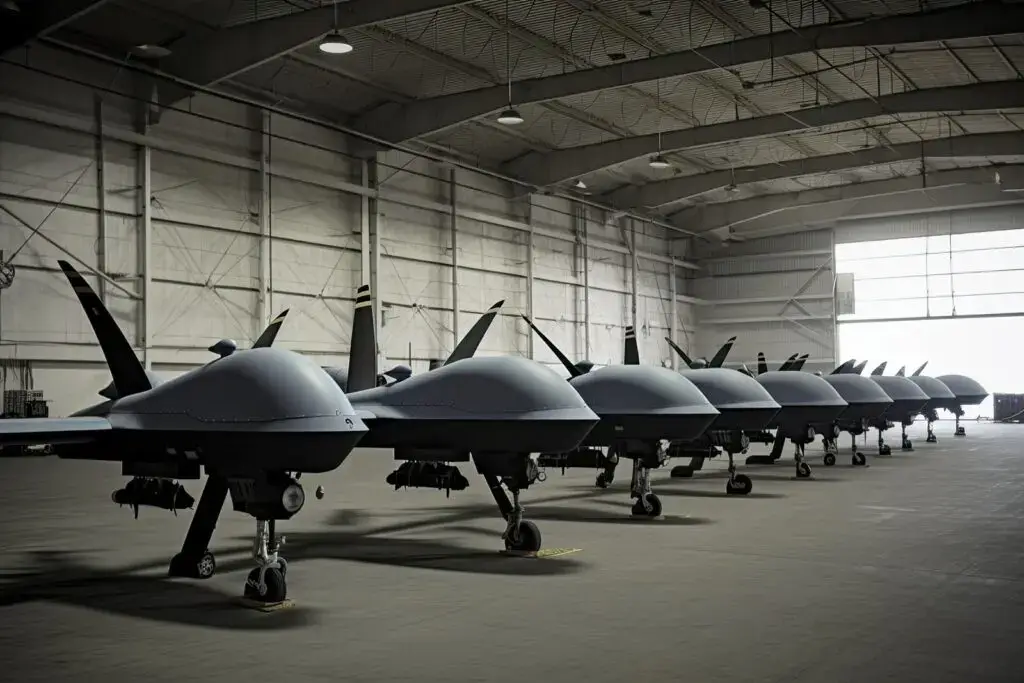
The advent of uncrewed systems has significantly transformed the modern warfare. These systems, encompassing drones, uncrewed boats, and underwater vehicles, serve as cost-effective yet potent instruments across various domains, including conventional, irregular, informational, and cyber warfare domains. However, these systems are not invulnerable. They are susceptible to environmental conditions, sensor limitations, mechanical failures, and complex countermeasures. Their efficacy depends on technological advancements and the ability to navigate physical and electromagnetic constraints.
Environmental factors, particularly ‘weather’, substantially influence the performance of uncrewed systems. Adverse weather conditions can degrade their operational capabilities or even abort their missions. In contrast to crewed vehicles, which benefit from a greater mass and superior environmental controls, smaller uncrewed systems exhibit heightened sensitivity to meteorological fluctuations. Precipitation in the form of rain, snow, hail, and sleet poses significant threats to drones because most combat drones lack waterproofing. Water ingress can compromise critical components, such as speed controllers and flight processors. Even drones with some degree of water resistance are vulnerable to moisture-induced corrosion over time, potentially leading to future mission failures.
Furthermore, rain and snow increase the aerodynamic drag on drones, thereby diminishing their efficiency. The accumulation of water on propellers or wings disrupts airflow, thereby reducing lift. This necessitates increased power consumption, consequently shortening the mission duration. Icing is a significant challenge in cold environments, ice accumulation adds weight and alters the aerodynamic profile of a drone, often resulting in stalling and subsequent crashes.
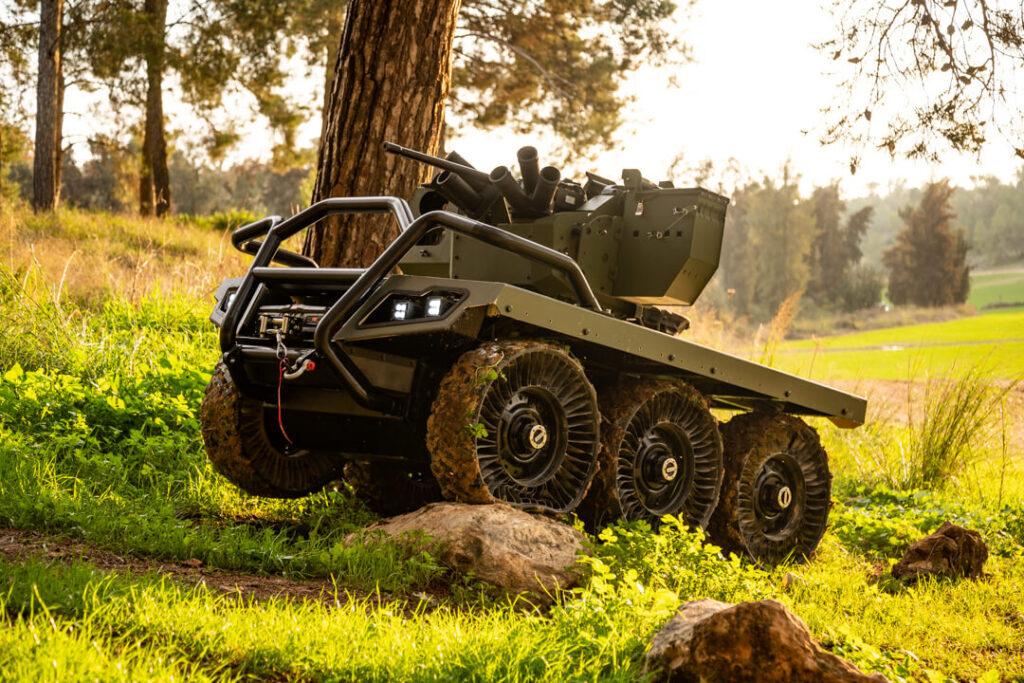
Uncrewed Ground Vehicles (UGVs) and Terrain Challenges. Uncrewed ground vehicles (UGVs) encounter significant challenges related to terrain and environmental conditions that human-operated vehicles can circumvent. In land combat scenarios, factors such as mud, dust, and physical obstacles impede UGV mobility. Smaller UGVs, such as the 1 kg MacroUSA Bettle, exhibit flexibility but are susceptible to immobilisation in tall grass, mud, or debris. Larger UGVs, such as the 30-ton RCV-Heavy, share limitations similar to those of tanks but lack the real-time feedback available to human drivers. Physical barriers and anti-vehicle measures further aggravate these problems. Structures such as concrete barriers, bollards, and anti-ram gates are particularly effective against UGVs, although smaller UGVs may attempt to navigate between widely spaced barriers; therefore, careful consideration of the obstacle spacing and dimensions is necessary. Additionally, UGVs are vulnerable to landmines and improvised explosive devices (IEDs). Unlike human drivers, who may detect disturbed soil, UGV sensors may fail to differentiate between natural terrain and concealed explosive.
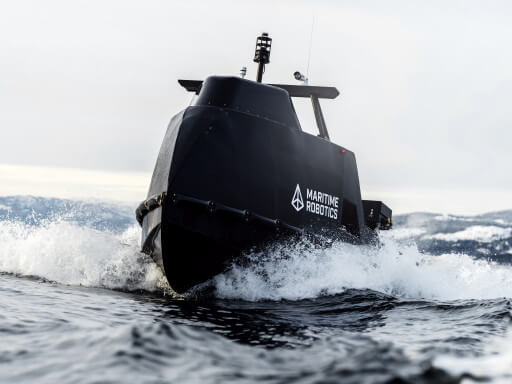
Uncrewed Surface Vessels (USVs) and Sea Conditions. In maritime environments, Uncrewed Surface Vessels (USVs) are influenced by wave and current dynamics. High waves and strong currents can overwhelm smaller USVs, such as the Magura V5 deployed in the Black Sea. USVs face challenges in maintaining stability and manoeuvrability in turbulent seas. Even if a USV is capable of self-righting, persistent stress and water exposure on the deck can lead to software malfunctions and sensor failures. In July 2025, US Navy tests conducted off the coast of California highlighted these vulnerabilities. A software malfunction, aggravated by adverse sea conditions, resulted in one vessel ceasing operation and subsequently being struck by another vessel, illustrating the fragility of prototypes under real-world oceanic conditions.
Sensor Limitations in Challenging Environments: Sensors employed by uncrewed systems often represent the most vulnerable components in challenging environments. No single sensor can function optimally under all conditions of use. Electro-Optical and Infrared (EO/IR) sensors, which are crucial for target identification, can be obstructed by fog, dust, and smoke. These conditions scatter light and complicate sensor visibility. In foggy conditions, radar may fail to detect small droplets that can obstruct EO sensors. This phenomenon, known as Mie scattering, diminishes the contrast, thereby hindering the accurate recognition of targets by computer vision systems.
Thermal washout presents a significant challenge in environments with high humidity or heavy precipitation. Under these conditions, the temperature differential between a target, such as a tank or ship, and its background diminishes. This phenomenon, known as “thermal crossover”, complicates the ability of infrared (IR) sensors to detect the thermal signatures of adversarial targets, such as missiles. Additionally, in maritime settings, salt spray can crystallise on sensor lenses, resulting in glare and distortion, requiring the use of mechanical wipers or chemical coatings for remediation.
Radar and acoustic challenges. Microwave radar is essential for maintaining situational awareness under all weather conditions; however, it has limitations. In coastal regions, uncrewed surface vehicles (USVs) encounter “sea clutter”, consisting of wave reflections that obscure smaller targets. For uncrewed aerial vehicles (UAVs), distinguishing small drones from birds is problematic and leads to numerous false alarms. Underwater, uncrewed underwater vehicles (UUVs) primarily rely on acoustic sensors because of the attenuation of electromagnetic waves in water. However, the underwater acoustic environment is “dense and dynamic”, variations in salinity, pressure, and temperature, particularly thermoclines, refract sound waves, creating “shadow zones” where targets can evade sonar detection. Furthermore, noise from ships, marine life such as snapping shrimp, and meteorological conditions can degrade the reliability of acoustic communications.
Challenges to weaponry. The deployment of weaponry on uncrewed vehicles, such as drones and boats, presents distinct challenges compared to those encountered by vehicles operated by humans. The fundamental laws of physics, including the conservation of momentum, pose significant challenges to lightweight autonomous systems. The recoil from weapon discharge is a critical issue for armed drones. When a small drone discharges a weapon, the resultant recoil may exceed the capacity of the drone’s control system, potentially causing destabilisation or target inaccuracy issues. Empirical tests indicate that conventional explosives generate substantial vibrations that can impair the functionality of a drone’s sensors. To address this, recent research has explored a “floating principle”, wherein the weapon is mounted on a rail system that advances before firing, thereby mitigating recoil. Alternative approaches, such as the use of high-pressure gas canisters, are also being investigated to reduce vibrations.
The integration of weaponry into uncrewed systems affects their operational duration. Increased weight necessitates additional power, thereby accelerating the depletion of battery or fuel resources. For instance, equipping a typical drone like a heavy-lift drone (or octocopter) with a 25 kg weapon can reduce its operational time by more than half, posing a significant challenge to electric systems with limited battery capacity. The range and operational duration depend on the battery capacity and power required to transport the weapon.
The dimensions of the weapon package influence the design of the vehicle. Advanced weaponry, such as Hellfire or Javelin missiles, necessitates specialised mounts and targeting systems, which increase the size and radar visibility of the vehicle. Maintaining stability in turbulent seas is a concern for uncrewed boats. Launching a heavy missile from a small boat requires a specialised launcher to maintain the target alignment as the boat moves. If the weapon is excessively heavy or mounted too high, it may compromise the boat’s stability, increasing the risk of capsizing in moderate seas. For underwater vehicles, the deployment of torpedoes necessitates reliable high-pressure air systems that can function under varying water pressures.
Restrictions Due to Anti-Drone Measures: Jamming, Lasers, and Kinetic Interdiction
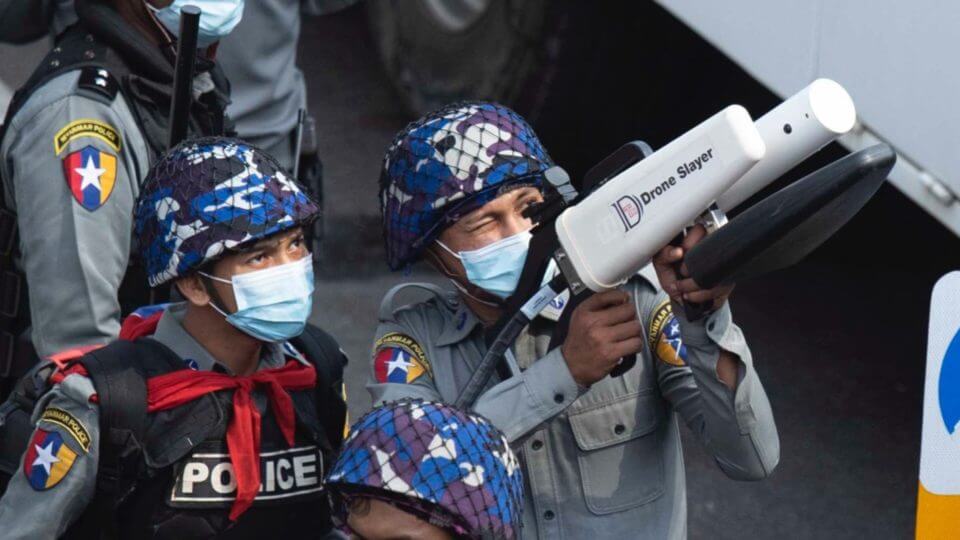
The rapid proliferation of uncrewed systems has necessitated the swift development of effective countermeasures. These countermeasures are categorised into two primary types: soft-kill (electronic) and hard-kill (kinetic/directed energy) measures.
Electronic Warfare: Jamming and Spoofing
Electronic warfare is the most prevalent and cost-effective approach for countering uncrewed threats. Jammers operate by emitting noise at the communication frequencies of drones (such as 2.4, 5.8, or <1 GHz for military systems), thereby severing the link between the drone and its operator. GNSS spoofing is a more covert threat, rather than obstructing signals, it transmits a counterfeit satellite signal that deceives the drone regarding its location, potentially causing it to collide with an object or divert to a “capture zone.” Underwater uncrewed vehicles can be disrupted through acoustic jamming, which employs loud sounds to interfere with communication.
Directed Energy Weapons: High-Energy Lasers and Microwaves
Directed energy weapons (DEW) are regarded as a viable solution for neutralising multiple drones simultaneously. High-energy lasers (HEL) concentrate lasers on a target, heating it until it either disintegrates or its sensors are blinded. Lasers must remain focused on a rapidly moving drone for several seconds to be effective, which poses challenges in environments with smoke and fog. High-power microwaves (HPM) can simultaneously incapacitate the electronics of numerous drones. Unlike lasers, HPM systems encompass a broad area, rendering them suitable for safeguarding critical infrastructure and naval vessels.
Kinetic Hits and Specialized Interceptors
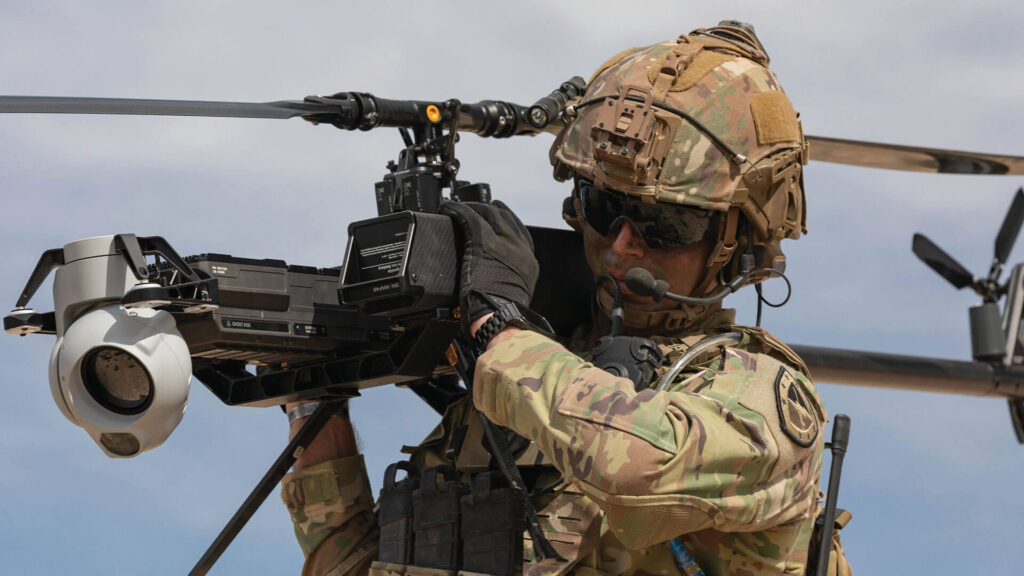
Kinetic interdiction employs conventional anti-aircraft weaponry (such as the UK’s Martlet or the U.S. VAMPIRE system being used in Ukraine) or specialised interceptor drones are used. The “Slinger” system, utilised in Ukraine, defends critical sites from Shahed-136 drones with a 30 mm cannon that effectively engages targets. A significant trend in 2024-2025 is the deployment of “interceptor drones”—UAVs specifically designed to capture other drones. Systems such as the DroneHunter F700 utilise radar to identify a target and subsequently deploy a net to ensnare it. This network-based approach is advantageous in urban settings, where debris or explosions pose risks to civilians.
Deployment and retrieval of uncrewed systems
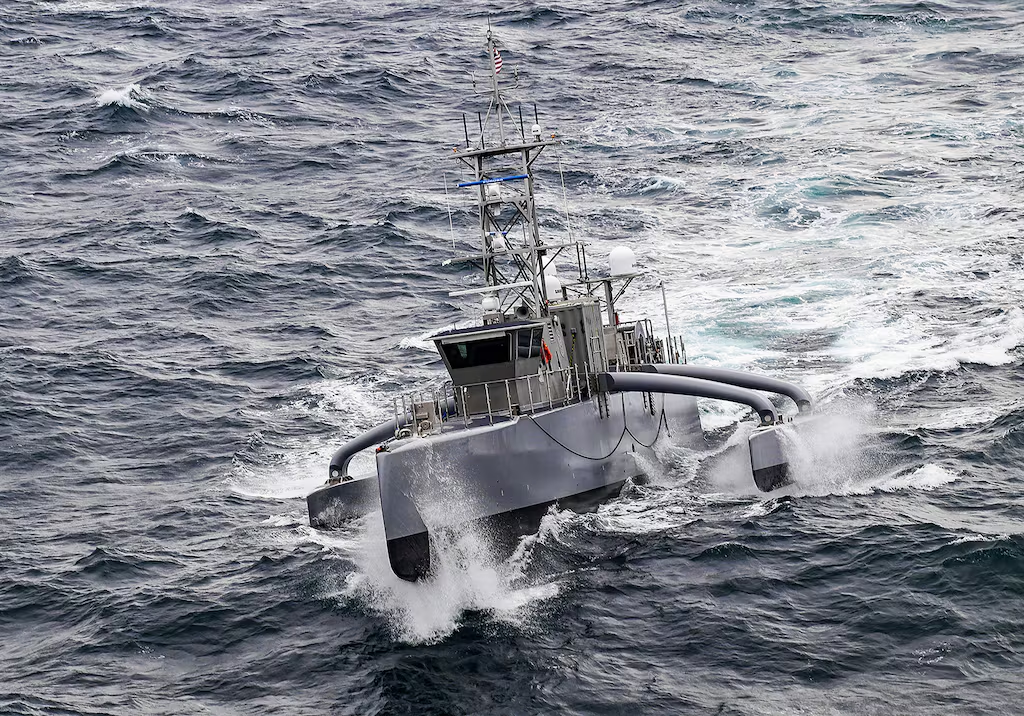
The deployment and retrieval of uncrewed systems pose significant risks and require substantial personnel involvement. For maritime vessels, the challenge of deploying and recovering Uncrewed Surface Vehicles (USVs) and Uncrewed Underwater Vehicles (UUVs) while in motion is considerable. Most USV and UUV systems are designed for specific ships and lack standardised interfaces, necessitating unique launch systems for each type, which poses logistical challenges to the military. Launching from a ship deck or using a crane in turbulent seas is hazardous. Some advanced vessels, such as the Chinese Type 076, employ electromagnetic catapults to launch heavier drones; however, recovering these drones remains problematic. Systems such as arrestor wires or nets are difficult to integrate without excessively increasing the weight of the drones.
Despite being “uncrewed”, these systems require extensive support from human operators. For instance, the USV Hellfire and Javelin modules require skilled personnel for maintenance and loading. Training drone operators is also costly, with 50%–90% of drone flight time often dedicated to training rather than missions. To reduce costs, there has been a shift towards increased autonomy, enabling a single operator to control multiple drones. To enhance the resilience of these systems, engineers are developing more robust designs for them, they employ specialised coatings to prevent moisture ingress and corrosion and utilise strong materials, such as carbon fibres, to enable drones to carry larger batteries. Underwater, specialised coatings render UUVs quieter and less detectable than above-water vessels. Uncrewed systems employ diverse navigation methods to mitigate jamming. Inertial Navigation Systems (INS) utilise gyroscopes and accelerometers when GPS is unavailable, and visual simultaneous localisation and mapping (vSLAM) employs cameras to navigate landmarks. Optical/fibre-optic links, which are impervious to jamming, have been utilised, as evidenced by the 2025 Ukraine War.
Cutting-Edge Concepts in Combat Drone and Anti-Drone Technologies
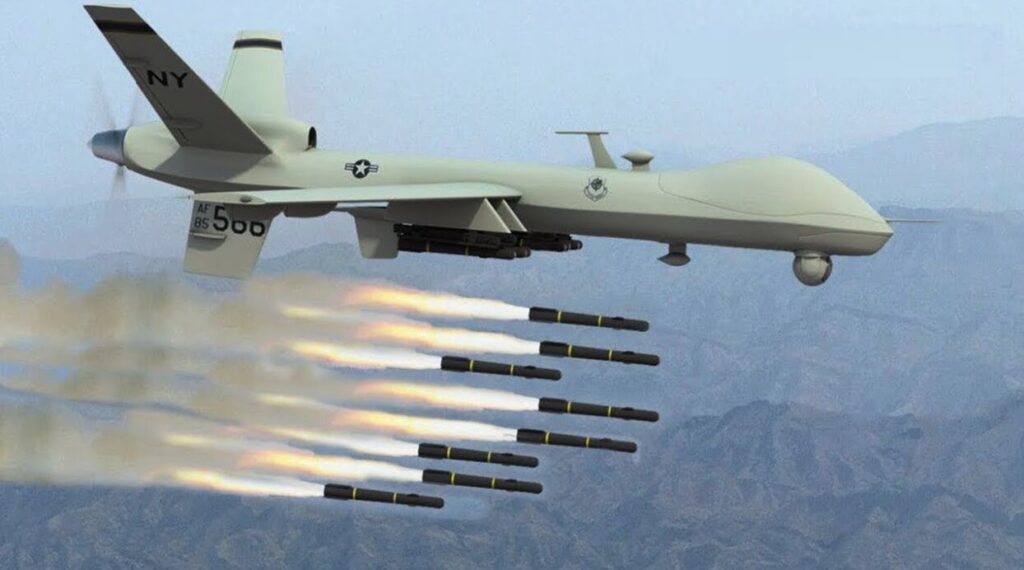
The future of drone warfare is advancing towards “swarm intelligence” and multi-domain “motherships.” A swarm constitutes more than a mere aggregation of drones; it represents an intelligent collective in which each drone shares data and rapidly adapts its tactics to changing conditions. Algorithms inspired by natural phenomena, such as the movement patterns of ants and birds, facilitate the execution of complex tasks by swarms. These swarms can encircle and repel an adversary vessel or simultaneously launch attacks from multiple directions.
Reinforcement Learning (RL) enables swarms to learn from their environment, improve through experimentation, and disseminate acquired knowledge among themselves. This capability enhances their resilience; even if some drones are lost, the remaining units can complete the mission by assuming the tasks of the lost drones.
Mesh Networking: This technology enables drones within a group to share data and signals, ensuring mission continuity even if one drone becomes inoperative.
Drone Motherships: China is at the forefront of developing “drone motherships.” The “Jiutian” is a large drone capable of carrying and deploying smaller drones in the air, creating a strategic threat in which the larger drone remains secure while the smaller units operate in hazardous areas. At sea, the “Zhu Hai Yun” is a vessel capable of controlling over 50 aerial, surface, and underwater drones simultaneously, functioning as a mobile command centre and extending the operational range of the drone fleet across vast oceanic expanses. These motherships are redefining the conceptualisation of naval vessels and drone carriers in warfare.
Cognitive Electronic Warfare (CEW). Cognitive EW employs artificial intelligence to detect and analyse signals. Unlike traditional methods that rely on known signals, CEW can swiftly identify and categorise novel signals. By implementing these algorithms directly on the drone, the drones can adapt their strategies to endure challenging environments. Programs such as DARPA’s BLADE and ARC are at the forefront of this technology, developing systems that outperform their conventional human-operated counterparts. DARPA’s BLADE (Behavioral Learning for Adaptive Electronic Warfare) and ARC (Adaptive Radar Countermeasures) are sophisticated AI-based initiatives aimed at addressing evolving, real-time communication and radar challenges. These programs employ machine learning to detect and neutralize new, unidentified electronic warfare threats without relying on pre-established threat libraries. BLADE is dedicated to wireless, adaptive jamming, whereas ARC focuses on disabling sophisticated radar systems by automatically creating countermeasures for unfamiliar signals.
Real-World Examples
These technologies have been deployed in recent conflicts and experimental scenarios in the military.
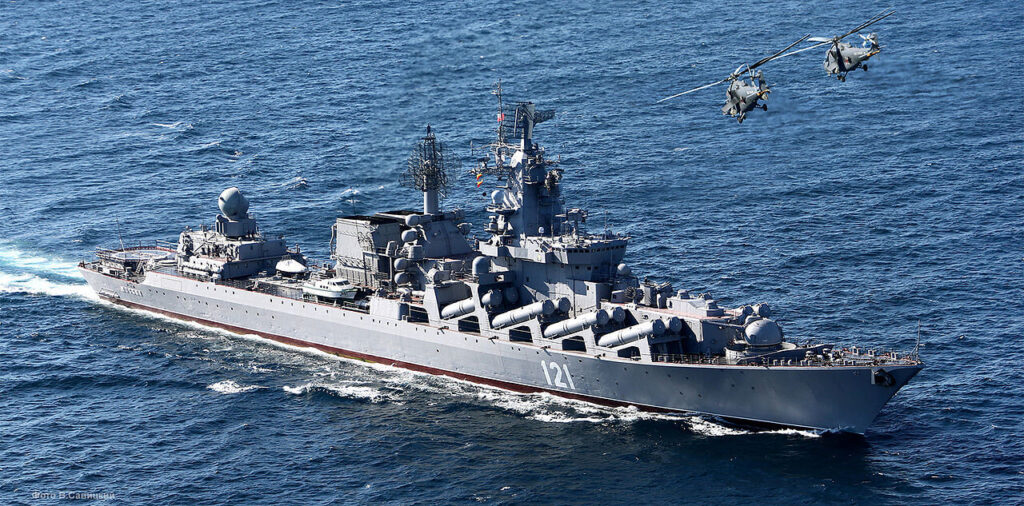
The Black Sea Conflict (2022-2025). Ukraine’s success against the Russian Black Sea Fleet exemplifies the effectiveness and vulnerabilities of USVs. The sinking of the Russian ship Moskva was facilitated by Ukraine’s ability to detect it via radar and launch missiles. Subsequently, USVs such as the Magura V5 were employed to destroy other vessels, including Ivanovets and Tsezar Kunikov. The Russian Navy has assimilated lessons from previous errors, adopting advanced electronic warfare strategies and exercising increased caution. Consequently, by early 2025, Uncrewed Surface Vehicle (USV) attacks have become less effective, illustrating the rapid evolution of tactics in the drone era.
The Shahed-136 and “Interdiction Economics. The Shahed-136 drone has significantly impacted air defence economics in Ukraine. Despite its low cost (~$50,000), it compels defenders to deploy costly missiles (exceeding $1 million) or risk allowing it to strike the target. Innovations such as the “Slinger”, which is a weaponized, stabilized turret, often mounted on vehicles and designed for accurate, low-cost kinetic interception, along with the “DroneHunter,” are being deployed to counter it.
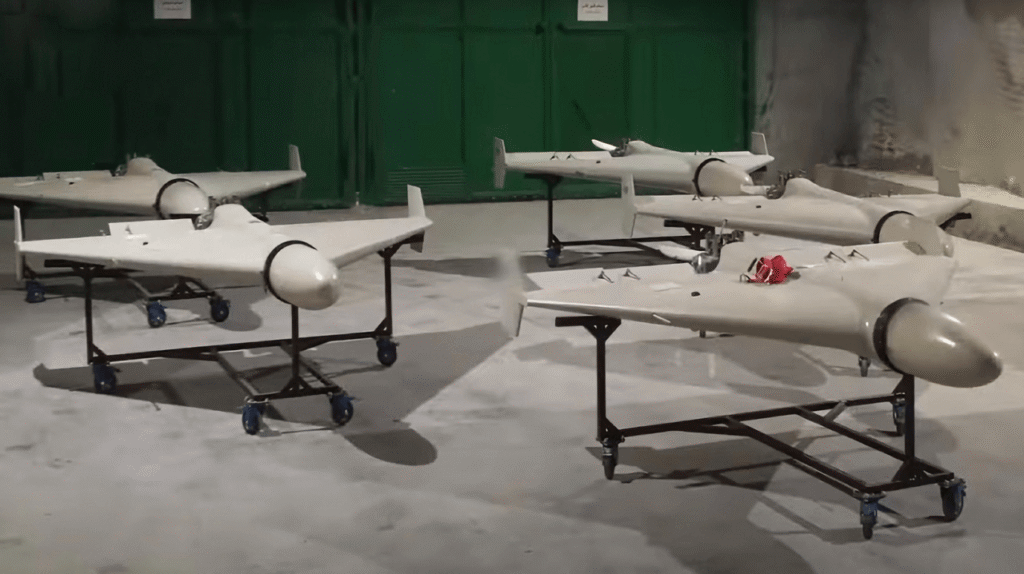
The Shahed-136 and its Russian variant, Geran-2, play significant roles in contemporary warfare. Russia employs these cost-effective drones to deplete Ukraine’s expensive Western-supplied air defence systems. By early 2026, the financial implications of deploying and countering these drones became a critical concern. Both parties are endeavouring to optimise their expenditures on offensive and defensive measures to achieve this. Russia’s tactic involves deploying many inexpensive, slow-moving drones (100-200+ per night) to exhaust Ukraine’s and the West’s missile reserves. Neutralising a single Shahed drone often necessitates a missile costing several hundred thousand to over $1 million, imposing a substantial financial burden on the defender, thus Ukraine’s reliance on costly missiles proved unsustainable. Ukraine transitioned to more economical defences, such as mobile guns or electronic warfare, reducing costs to a few thousand dollars per engagement instead of missiles. Russia utilises both armed drones and decoys to challenge defenders, rendering the campaign cost-effective despite a high attrition rate (over 75% of drones are intercepted). First-Person View (FPV) drones employed to target Shaheds in Kamikaze mode, are emerging as a primary, affordable defence, achieving approximately 68% success. Despite high success rates of FPVs, Russia’s substantial production—approximately 170-200 drones daily by mid-2025—continues to pose a significant threat to Ukraine’s infrastructure.
US Navy “Replicator”. Replicator is being designed to field thousands of autonomous, dispensable systems across all domains (air, land, sea, undersea). Replicator is viewed as a crucial effort to shift from traditional, slow procurement to a more agile, high-volume production model for future warfare.
The Pentagon has successfully delivered “hundreds” of drones to warfighters, including AeroVironment’s The Switchblade-600 loitering munitions. The project is transitioning from a prototype stage to incorporating these systems into military operations. Navy units, such as Uncrewed Surface Vessel Squadron 3, are set to receive the initial four Global Autonomous Reconnaissance Craft (GARCs). The next phase emphasizes Counter-Uncrewed Aerial Systems (C-sUAS) to protect against adversary drones.
The system’s development has faced numerous obstacles, which highlights the challenges of readying autonomous technologies for warfare. Initial tests showed that some uncrewed systems were either unreliable or not yet operational. There are concerns about the limited range, payload, and effectiveness of small drones in the expansive Pacific region. Some components, including those made by contractors, have been reported to have major security and software problems, raising issues about system control and data protection. The Navy is grappling with how to efficiently deploy, maintain, and operate these often-short-range drones from naval ships.
Conclusion
Uncrewed combat systems exhibit numerous vulnerabilities, necessitating a holistic approach to address them. Current research highlights several critical considerations for future autonomous systems. The capability to operate in “all-weather” conditions is essential for uncrewed systems, and their effectiveness remains constrained until they can function in adverse weather. Transitioning from commercial components to high-grade aerospace hardware is imperative for mission success in challenging environments such as space.
Autonomy is vital for countering electronic warfare. As jamming becomes prevalent, uncrewed systems must operate independently of continuous data links, necessitating substantial investments in onboard artificial intelligence for navigation and target-recognition.
The “mothership” concept is poised to play a pivotal role in future naval and aerial warfare. By deploying swarms of uncrewed vehicles alongside larger platforms, militaries can enhance efficiency and mitigate human risk, facilitating the launch and recovery of these vehicles in challenging conditions.
Ultimately, the economics of uncrewed warfare will drive innovations. The ability to produce expendable yet capable drones and cost-effective defence systems will confer a strategic advantage. Future conflicts will be determined by the resilience and intelligence of swarms rather than the sophistication of individual platforms.