


The 30th International Conference (COP30) on Climate Change was held in Belém, Brazil, in November 2025. It was a crucial global event, full of expectations, as it marked ten years of the Paris Agreement (2015) on climate action. The summit was held at Belem, situated at the mouth of the Amazon River in Brazil, at the gateway to the iconic Amazon rainforests. It was an appropriate location to take critical decisions on climate change, green energy, and preservation of the dwindling forests around the world.
The summit was held in the backdrop of the alarming rise in average global temperature. In 2024, for the first time, the global average temperature exceeded 1.5°C above pre-industrial levels. It was a warning signal for immediate global action to prevent calamities and disasters due to global warming.
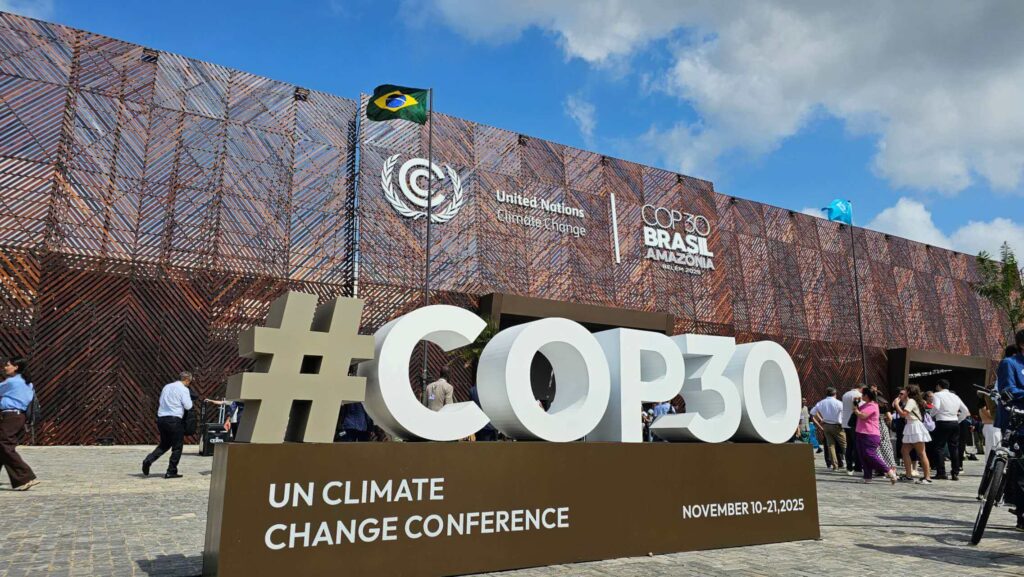
Delegates from nearly 200 countries from across the globe attended the conference. One country boycotted. The most powerful economy did not join! Unfortunately, the United States did not send any formal delegation to COP30. It marked the first time in three decades that USA was absent from the annual talks on climate change.
Deliberations at the climate summit, in the absence of the largest economy in the world, were inconclusive. It meant near failure of the ambitious Paris Agreement, adopted in December 2015 at the 21st Conference of the Parties (COP21), that promised to limit global warming to well below 2°C (preferably 1.5°C) above pre-industrial levels.
“Drill, baby, drill”
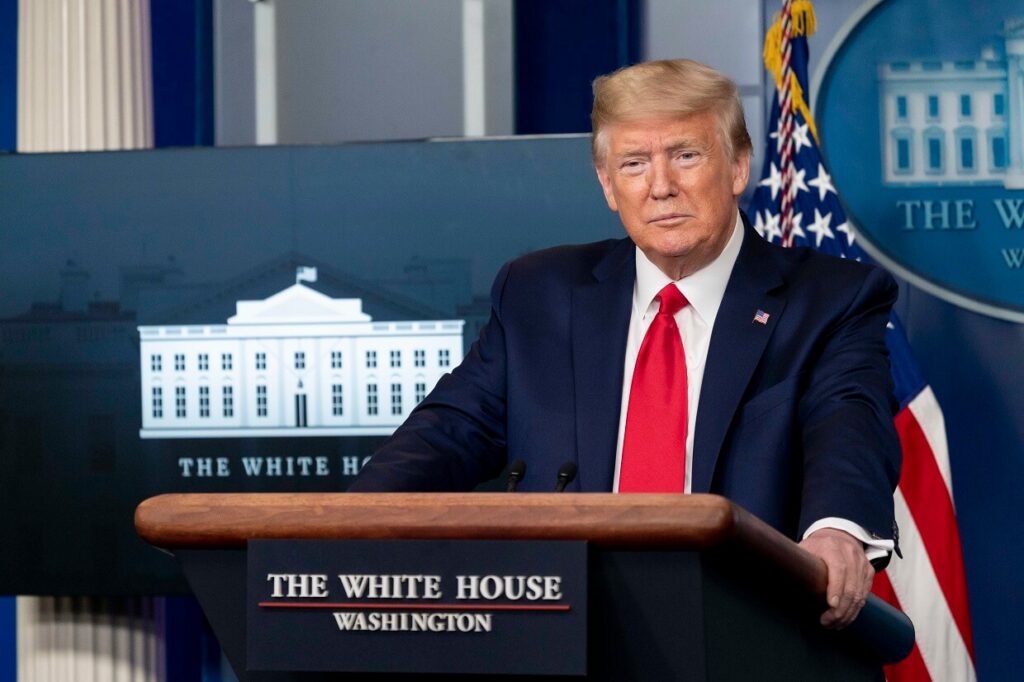
The US policy was decided at the highest level. Donald J. Trump, President of the United States of America, issued a Proclamation on 17 October 2025 for “harnessing the liquid gold and minerals under our feet and bountiful resources in our waters, forests, and fields, achieving American energy dominance, and forging a future defined by three simple words: ‘Drill, baby, drill.’”
The USA also withdrew from the United Nations Framework Convention on Climate Change (UNFCCC), the Intergovernmental Panel on Climate Change (IPCC), and the Green Climate Fund (GCF). The move aims to reverse U.S. participation in the accord aimed at limiting global warming by reducing greenhouse gas emissions.
The USA joined the Paris Agreement in 2016 under the Obama administration. On November 4, 2020, U.S. President Donald Trump withdrew from the Paris Agreement, contending that the agreement would “undermine” the U.S. economy and put the U.S. “at a permanent disadvantage”, costing the United States $3 trillion in lost GDP and 6.5 million jobs”.
The United States formally rejoined the Paris Agreement on February 19, 2021, under the Biden administration. Again, in January 2026, the United States withdrew from the Paris Agreement for the second time under President Donald Trump. As the world’s second-largest emitter of greenhouse gases, this departure significantly impacts global climate efforts.
Lobbying by fossil fuel companies
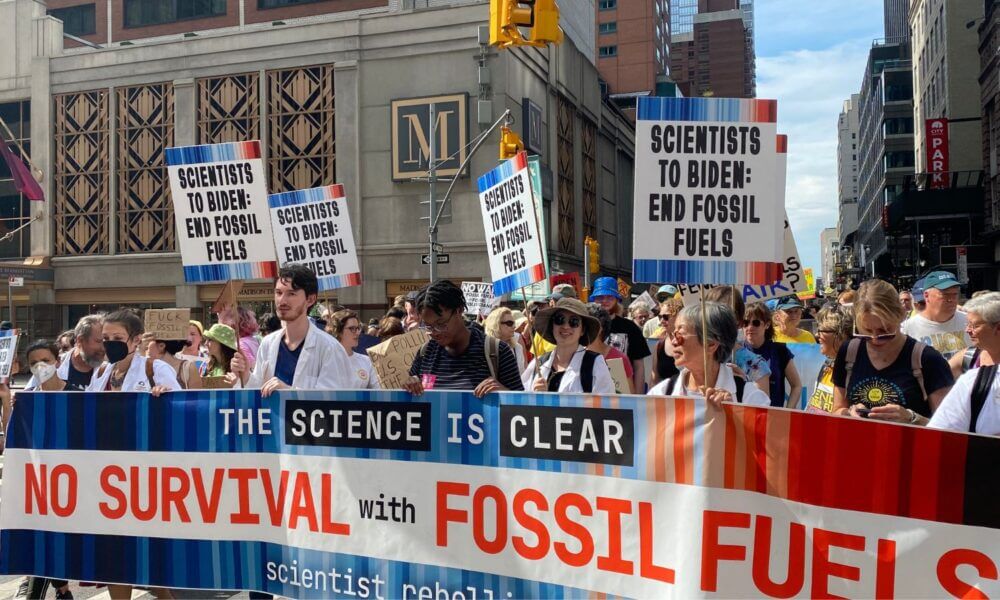
Since the Industrial Revolution, fossil fuels have provided the main source of energy for economic and technological development. The politics of global warming involves a complex, often polarized, struggle to reconcile economic development with environmental sustainability. Traditional fossil fuel corporations stand to lose from stricter global warming regulations. They indulge in campaigns against regulations to minimise oil production. The fossil fuel lobby has considerable clout in policy making in Washington, D.C., the European Union, and the United Kingdom.
“Neglect in protecting our heritage of natural resources could prove extremely harmful for the human race”
Paris Agreement
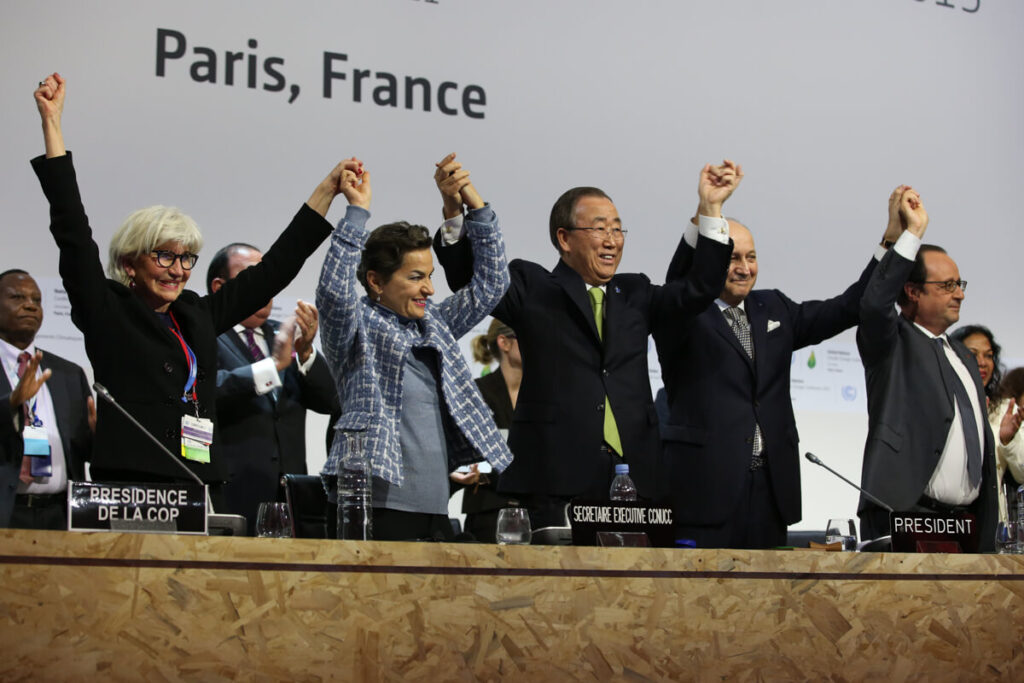
The Paris Agreement, adopted in December 2015 at the 21st Conference of the Parties (COP21), introduced three goals: (i) to keep the global temperature increase well below 2°C, with efforts to limit it to 1.5°C; (ii) to strengthen adaptation and resilience capacities; and (iii) to align financial flows with the other goals of the Agreement. Studies show that the commitments made under the Paris Agreement did indeed slow the growth of global greenhouse gas emissions.
The Paris Agreement’s long-term goal of limiting the rise in average global temperatures to 2 degrees Celsius above pre-industrial levels is unlikely to be met.
Nobel Peace Prize 2007

The Nobel Peace Prize 2007 was shared between the UN sponsored Intergovernmental Panel on Climate Change (IPCC) and Al Gore. Greenhouse gases (GHGs) cause global warming by trapping heat in the Earth’s atmosphere, intensifying the natural greenhouse effect. The IPCC report (2022) warned that the world is set to reach the 1.5°C level within the next two decades unless the most drastic cuts in carbon emissions are enforced.
China, the United States, India, the EU27, Russia, and Indonesia are the largest contributors, accounting for over 60% of total emissions They must minimise emissions to fight global warming
‘Code red for humanity’
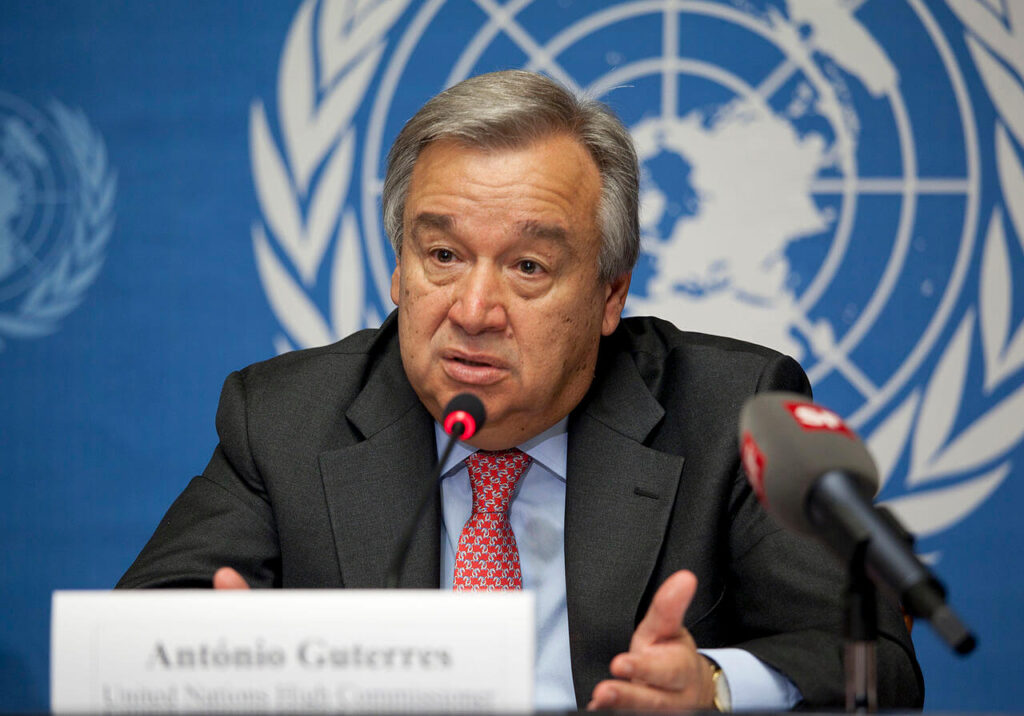
UN Secretary-General Antonio Guterres called the report “an atlas of human suffering and a damning indictment of failed climate leadership.” He announced that the report was nothing less than “a code red for humanity. The alarm bells are deafening, and the evidence is irrefutable”.
The goal of Climate Action is placed at 13 of the seventeen Sustainable Development Goals. SDG 13 is to “Take urgent action to combat climate change and its impacts”.
Criticality of climate action

The criticality of climate action is crystal clear. Highlighting the inevitable crisis, Alan Jope, Global Chief Executive Officer, Unilever, while speaking at an event organized by FICCI on 20 September 2022 at New Delhi, warned that the estimated disruptions caused by rising temperatures will cost companies US$1.3 trillion by 2026, and result in the loss of 80 million jobs.
Climate change: Facing challenges
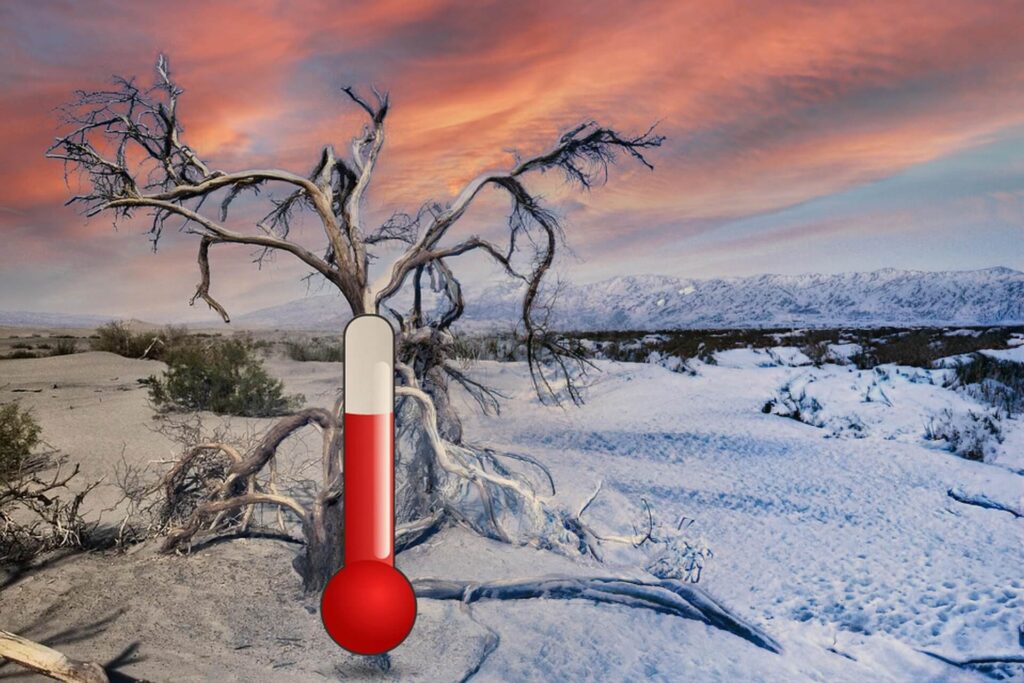
Global warming is caused by carbon dioxide and other greenhouse gases, both naturally occurring and man-made like the CFCs and other pollutants. GHGs are emitted by sectors of energy, transportation, aviation, industrial production, agriculture, manufacturing processes, and other activities.
Global climate change result in extreme weather (floods, droughts, wildfires), rising sea levels endangering coastal areas, and severe water and food insecurity., causing massive economic disruption and health crises amplified by melting polar ice, biodiversity loss, and ecosystem destruction—demanding urgent international action for mitigation and adaptation.
The victims of global warming

Global warming impacts billions, with the most severe effects falling on populations in developing nations, indigenous communities, and, disproportionately, women and children. From 1995–2024, extreme weather events caused over 832,000 deaths and $4.5 trillion in economic losses.
Ecosystems, such as coral reefs, and fragile species are dying due to ocean acidification and rising temperatures, with one million species at risk of extinction.
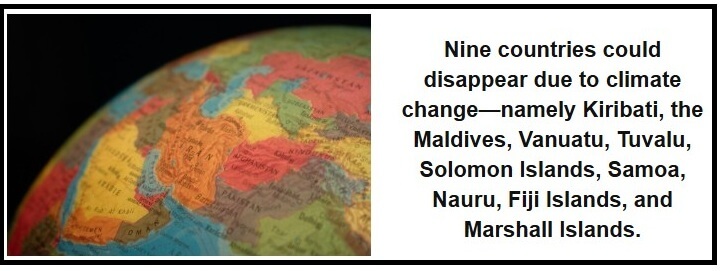
Nine countries could disappear due to climate change—namely Kiribati, the Maldives, Vanuatu, Tuvalu, Solomon Islands, Samoa, Nauru, Fiji Islands, and the Marshall Islands. Remarks by Mia Amor Mottley, Prime Minister of Barbados, on November 1, 2021, at COP in Glasgow: “Do some leaders believe they can survive and thrive on their own? Can there be peace and prosperity in one third of the world if two thirds are under siege and facing calamitous threats to their wellbeing?”
Conclusion

Global warming has ended up as a confrontation between the haves and have-nots, between the prosperous North and the poor South, with politics and wealth creating a rift among the nations—threatening world peace. It is a losing battle mired in politics. The industrialised countries are not willing to reduce greenhouse gases; the poor countries have neither the resources nor technology for transition to green economy.
The world community must adopt innovative initiatives urgently to promote the cause of global cooling with support of enlightened nations, social service organisations and climate activists. India should play a leadership role in climate action as the Vishwa Guru.


It’s a nice information . Where India stands now with respect to curbing the GHG . Government is reluctant to adminster .
Thanks for appreciating