

While their counterparts in the Army and IPS lead units in their prime, thousands of CAPF officers are hanging up their uniforms without ever reaching the pinnacle of field command.

To command a battalion of 800-1000 troops is the ultimate dream of every officer who joins a uniformed service. But this is where the catch lies.
IPS officers are born with a silver spoon and lead districts in their early 30s, Colonels in the Army usually get command in their 40s, whereas their counterparts wearing the same rank in the Central Armed Police Forces (CAPFs) wait till their 50s to command a battalion. In fact, many of them retire without even reaching that milestone. The CAPFs include CRPF, BSF, CISF, ITBP, and SSB – deployed in border security, internal law and order, industrial protection, and counter‑insurgency duties.
The five CAPF forces under the Ministry of Home Affairs
| Force | Full Form | Primary Role |
| BSF | Border Security Force | Guards India’s land borders, prevents infiltration and smuggling. |
| CRPF | Central Reserve Police Force | Maintains internal law and order, counter‑insurgency, riot control. |
| CISF | Central Industrial Security Force | Protects critical infrastructure like airports, power plants, and industries. |
| ITBP | Indo‑Tibetan Border Police | Secures the India‑China border, high‑altitude operations. |
| SSB | Sashastra Seema Bal | Guards borders with Nepal and Bhutan, prevents trans‑border crimes. |
Within the CAPF – the CRPF (Central Reserve Police Force) and BSF (Border Security Force) cadre officers who bear the brunt of India’s toughest security challenges are among the “worse sufferers” than their counterparts in other services.
This is the crux of the problem that leads to heartburn and many operational challenges. In the past five years (2019–2023), over 46,900 CAPF personnel have taken voluntary retirement. The highest number of these officers were from the BSF (21,860) and the CRPF (12,893).
The past five years have seen an exodus of BSF and CRPF cadre officers primarily due to operational stress, stagnation, and lack of recognition faced by cadre officers in these two forces.
Premature Retirement in CAPFs (2019–2023)

| Force | Personnel opting for Voluntary Retirement | Key Reasons Reported |
| BSF (Border Security Force) | 21,860 (approx.) | Harsh border postings, family separation, limited career progression |
| CRPF (Central Reserve Police Force) | 12,893 (approx.) | Constant deployment in insurgency zones, job stagnation, stress |
| Other CAPFs (CISF, ITBP, SSB, Assam Rifles) | 12,000+ (approx.) combined | Personal/domestic reasons, uneven postings |
Age at which you command makes a big difference

Leadership in uniformed services is not just about rank or seniority. It is about the ability to act decisively under pressure, endure hardships, and inspire confidence among the men you command. Age plays a critical role in shaping physical fitness, risk‑taking ability, reaction time, as well as quick and correct decision‑making — all of which are vital in combat and crisis situations.
The Indian Police Service (IPS) officers who command districts in their early 30s can take quick decisions in volatile law‑and‑order situations because they are young, and energetic. Similarly, Army, Colonels in their early 40s can smoothly lead battalions because of their stamina and ability to inspire confidence in their troops.
This means that leadership positions in the Army and police are occupied by officers who are at the peak of their physical and mental abilities. By contrast, —the BSF, CRPF and other CAPF cadre officers – who if they are lucky – reach the Commandant level only in their 50s are experiencing many natural age-related changes like declining stamina, slower reflexes, increased family responsibilities, and more cautious decision making.
Science and reality
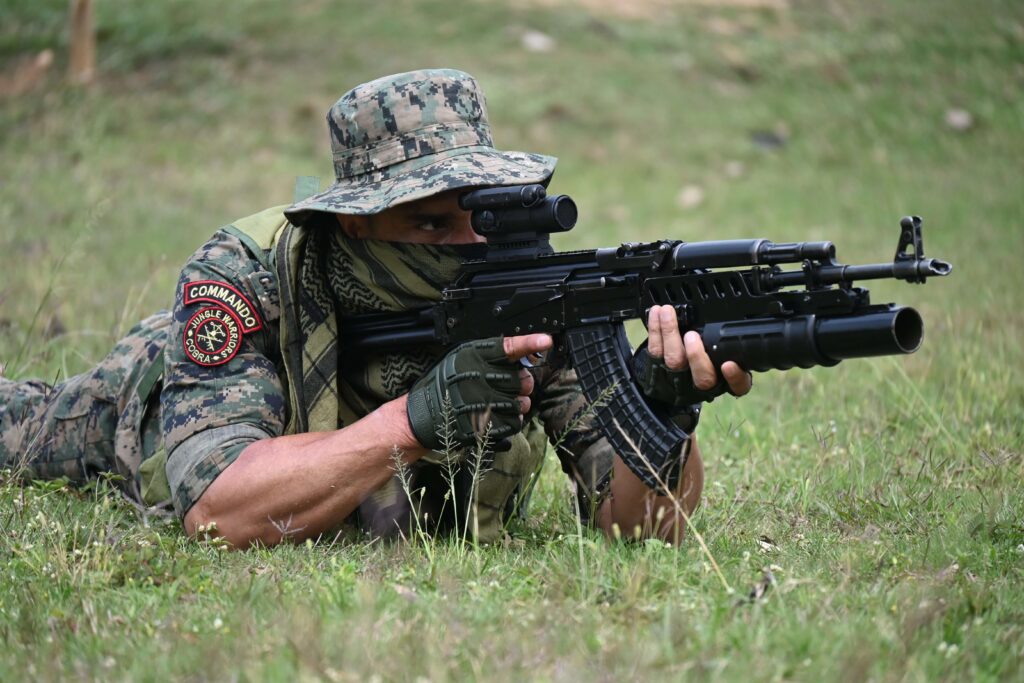
Age is not just another number. Age determines how physically fit you are. How many risks can you take? How fast do you take critical decisions and respond to emergencies?
It is a well‑established medical fact that as one grows older, experience, wisdom, and emotional maturity increase — but physical fitness, reaction speed, and memory decline. In high‑pressure environments like insurgency zones or border outposts, the ability to react instantly can mean the difference between success and failure, life and death.
When CAPF officers finally reach command positions, they are often past their physical prime. This not only affects their own performance but also the morale of the men they lead, who expect energetic, decisive leadership in the field.
Young officers tend to be more willing to take bold, decisive risks in combat or crisis while older officers are more cautious and tend to take decisions keeping their family responsibilities in mind.
Case study: Army officers in Kargil operations
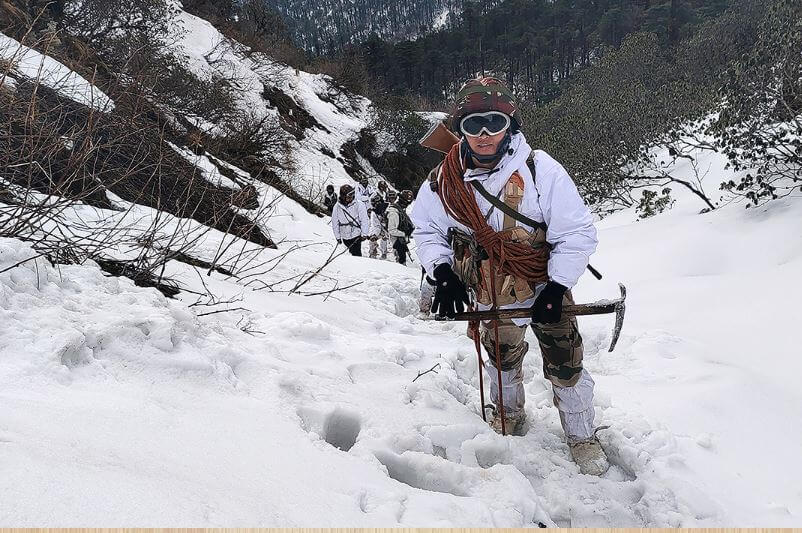
Capt. Vikram Batra, Lt. Manoj Pandey, and Maj. Rajesh Adhikari are perfect examples of how young officers in their 20s and 30s – in peak physical and mental condition – demonstrated agility, courage, and decisive leadership in extreme high‑altitude combat and led to battlefield success. Officers in their 20s and 30s had the stamina and reflexes to lead uphill assaults at 16,000–18,000 feet.
- 24-years-old Captain Vikram Batra of 13 JAK Rifles popularly known for his war cry “Yeh Dil Maange More!” personally led his men up steep, icy slopes under heavy fire to capture Point 5140 and later Point 4875. Nicknamed “Sher Shah of Kargil” he displayed risk‑taking agility and charged ahead despite being wounded. He was posthumously awarded Param Vir Chakra for supreme bravery that turned the tide in Kargil war.
- Likewise, 25-years-old, Lieutenant Manoj Pandey from1/11 Gorkha Rifles volunteered to lead the successful assault on Jubar Top during Operation Vijay. He led his platoon uphill under intense enemy fire and cleared multiple enemy bunkers despite being grievously injured. He too was posthumously awarded the Param Vir Chakra.
- Similarly, Major Rajesh Singh Adhikari a young officer from 18 Grenadiers led his company and successfully captured the Tololing post at high altitude despite being mortally wounded. This proved to be a turning point in the war – an act for which he was awarded Maha Vir Chakra posthumously.
The point to be noted is that most of the Colonels commanding battalions during the Kargil War in 1999 were aged 41–43. As a result, they could lead troops in high altitude combat without getting tired.
Similarly, a Colonel commanding a battalion in Siachen Glacier at the age of 42 is physically fit to endure the same hardships as his men. The Army ensures that battalion commanders are not much older than their soldiers – which is good for both operational effectiveness and morale. The troops they command often say that their commanders are “young enough to climb with us, old enough to command respect.”
Case Study: CRPF in Kashmir & Chhattisgarh

Now let us consider the example of CRPF’s deployment in Kashmir and Chhattisgarh, where many officers in their 50s lead units in counter‑insurgency operations against Maoist insurgents. Their subordinates often complain that their commanders are not willing to take risks or slow to respond in ambush situations.
Case Study: BSF on the Bangladesh Border

The BSF faces similar challenges along the Bangladesh border, where officers in their 50s are required to live in remote outposts and lead their men in long patrols in harsh weather conditions and maintain constant vigil against smuggling and infiltration. The situation was aptly described by a BSF officer who said that by the time cadre officers reach command positions, “the body is tired, the family is demanding, and the reflexes are slower.” This defeats the very purpose of having a paramilitary force designed for rapid, decisive action.
Also Read: How other countries treat their CAPF like ‘in-between’ forces?
So near – yet so far
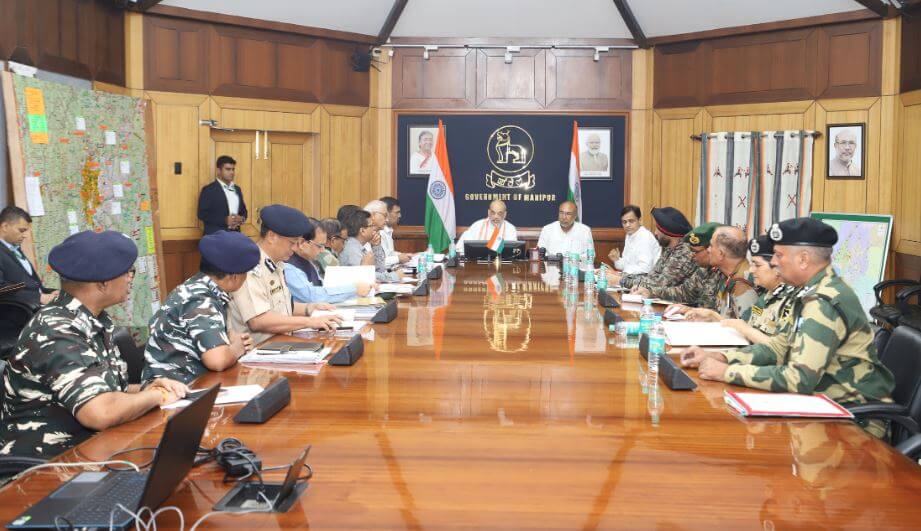
Another consequence of command at an early age is that by the time they reach their 40s and 50s most IPS officers are DIGs and IGs. Most Army officers are at least Lieutenant Colonel or Full Colonel while most Central Reserve Police Force (CRPF) and Border Security Force (BSF) officers are counting the number of days left for their retirement. At that stage in life, they are more concerned and genuinely so– about deciding what to do after retirement and getting their children settled or married.
Commandant post is not guaranteed

The biggest flaw in the system is that the CAPF cadre officers do not have a guarantee that they will reach even the commandant level. Currently, about 20% of Deputy Inspector General (DIG) posts and 50% of Inspector General (IG) posts in the Central Armed Police Forces (CAPFs) are reserved for IPS officers on deputation. Presently 1 in 5 DIG posts and half of all IG posts in CAPFs are occupied by IPS officers.
The Supreme Court (May 2025) directed that IPS deputation posts up to IG rank in CAPFs should be progressively reduced within two years to improve morale and career prospects of CAPF cadre officers. This notwithstanding, the Ministry of Home Affairs — their parent ministry continues to appoint IPS officers to occupy senior CAPF posts, creating bottlenecks for cadre officers.
As a result, many BSF and CRPF officers opt for voluntary retirement before their official age of superannuation.
Why do CAPF cadre officers take so long
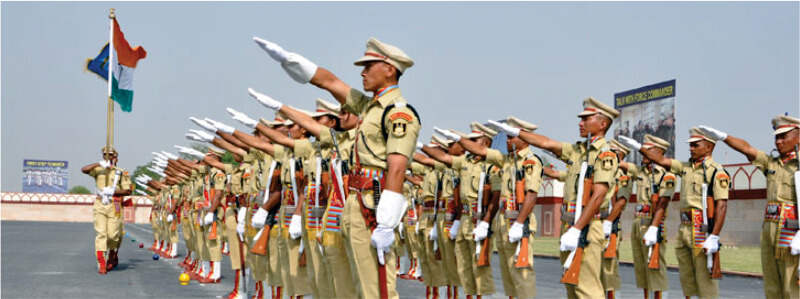
A CAPF officer joins as Assistant Commandant via UPSC exams and usually takes minimum 15 years before reaching Commandant rank
• 5 years to become Deputy Commandant
• 5 more years to become Second in Command
• Another 5 years to become Commandant
As a result, most CAPF officers who join in their mid-20s, often cross 50 years of age before commanding a battalion. By this time their Army counterparts are already Brigadiers.
Other CAPFs: CISF, ITBP, SSB, Assam Rifles

The problem is not limited to just CRPF and BSF. Even other CAPFs cadre officers in Central Industrial Security Force (CISF), Indo-Tibetan Border Police (ITBP), Sashastra Seema Bal (SSB), and Assam Rifles take 15–18 years before reaching the Commandant rank. The result is that the average ages of battalion commanders in these forces is between 47–50 years.
The problem is compounded by the fact that unlike the Army or IPS, CAPFs lack accelerated promotion pathways or lateral entry options.
This plight was described by a CRPF who said, “we spend more time waiting for promotion than wearing the Commandant’s rank before retirement.”
Also Read: Why Is MHA reluctant to loosen its grip over CAPFs?
Comparative Age Profiles
| Service | Commandant/Colonel Equivalent | Average Age at Command | Notes |
| Army | Colonel | 41–43 | Leads battalion in combat; promotion faster |
| IPS | Superintendent of Police | 32–35 | Commands district early; rapid exposure |
| CRPF | Commandant | 48–50 | Slow promotions; cadre bottlenecks |
| BSF | Commandant | 48–50 | Similar stagnation; outdated structures |
| Other CAPFs (CISF, ITBP, SSB, Assam Rifles) | Commandant | 47–50 | Comparable delays; limited higher posts |
Conclusion: Mind the gap

The comparison of age profiles across India’s uniformed services highlights a stark imbalance. Army Colonels in their early 40s and IPS SPs in their 30s command critical units, while CAPF Commandants often wait until 49 or 50 to lead battalions. Many retire without ever commanding a battalion. This stagnation undermines operational effectiveness and morale. Reforming cadre structures, accelerating promotions, and aligning CAPF timelines with the Army and IPS are essential to modernise India’s paramilitary forces.


This subject has been repeatedly discussed in all forums ad- nauseam we know reasons and why and how? so
Also imagine the plight of a BA pass constable who has to wait for at least 18 years to become head constable. The problem exists in state police also but there it is compensated to some extent by the money they make and the power they wield. That’s why most guys who are not entirely dependent on their salaries for survival, take VRS. Nobody in the govt or forces understands this psychological issue. Imagine doing the same thing day in day out for 20 years. That’s why you have demotivated, unenthusiastic guys.
It takes more than 25 years for a BSF officer to become a commandant … 1997 batch is still waiting to command a unit. This is the irony of the force. Nowadays it takes 12 to 13 years to become DC and then 20 years for 2IC and 27 to 28 years for commandants. So an Assistant Commandant becomes commandant at the age of 50+. Stagnation sucks everything….