


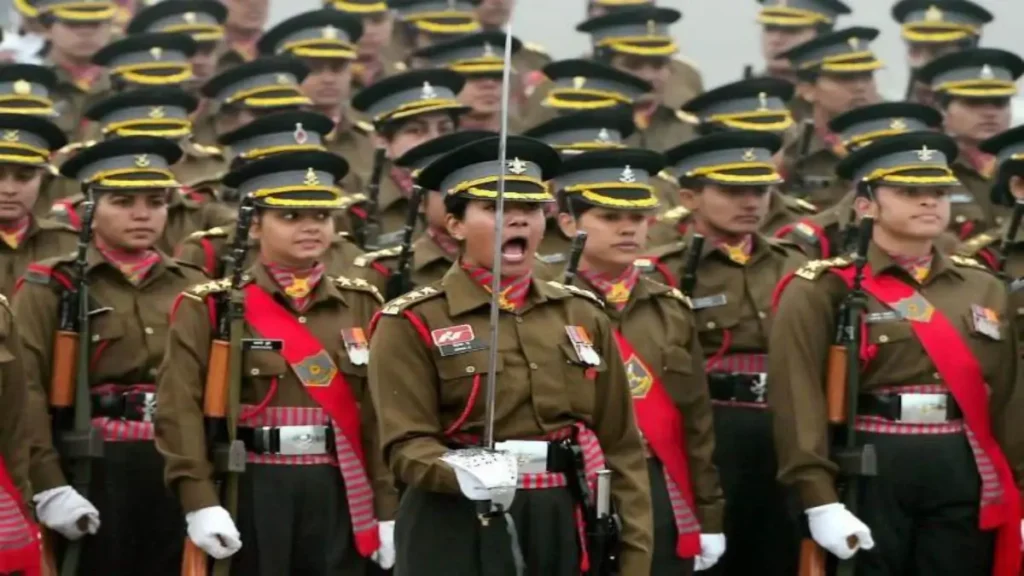
The Indian Armed Forces, a symbol of discipline and valor, have made significant strides toward gender equality, particularly through the inclusion of women officers in roles traditionally reserved for men. Landmark Supreme Court rulings, such as The Secretary, Ministry of Defence v. Babita Puniya & Ors. (2020), have dismantled barriers, granting women Permanent Commissions (PC) and command roles. However, systemic challenges—gender bias, non-adherence to Vishakha Guidelines, misuse of suspensions equivalent to arrests, violations of privacy rights, and procedural lapses—persist, undermining justice for women officers. Cases like Colonel Annu Dogra’s and judicial directives in Satender Kumar Antil highlight the need for introspection and reform to protect women officers, their privacy, and their children, while addressing delays in justice that impact careers. This article celebrates progress while advocating for systemic changes to ensure a just, equitable environment in the armed forces.
A Progressive Leap: Women in the Armed Forces

The Supreme Court’s 2020 ruling in Babita Puniya (AIR 2020 SC 1263) was a watershed moment, granting women officers in the Indian Army Permanent Commissions in 10 non-combat support units and eligibility for command roles, rejecting discriminatory arguments about “physiological limitations” as violations of Article 14 (equality). This decision enabled women to rise to higher ranks, tenant command appointments, and serve with distinction. Similarly, the 2023 Delhi High Court ruling in Kush Kalra v. Union of India (W.P.(C) 620/2022) allowed women to join the Territorial Army as officers, condemning exclusionary policies as relics of a “masculine culture.”
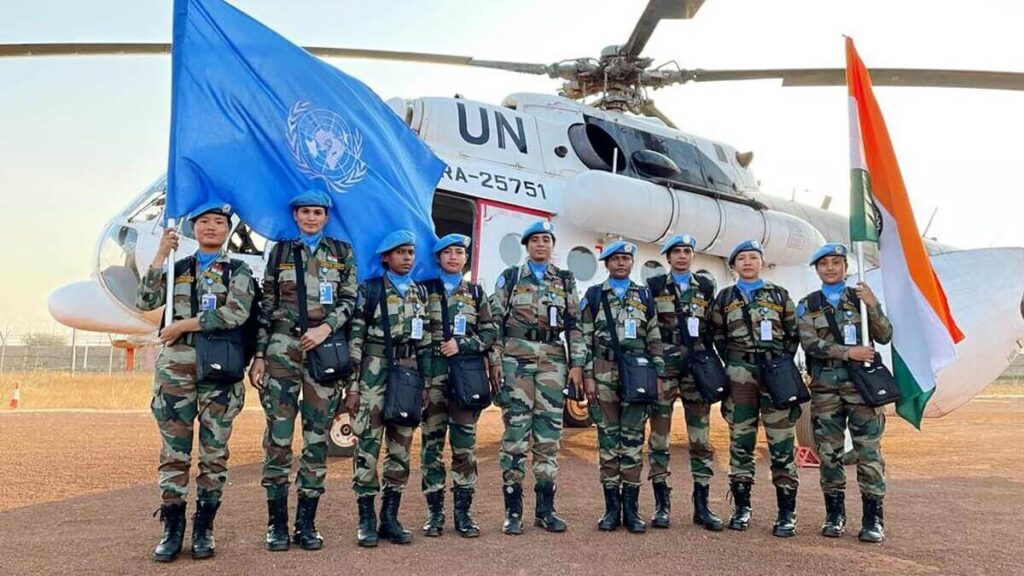
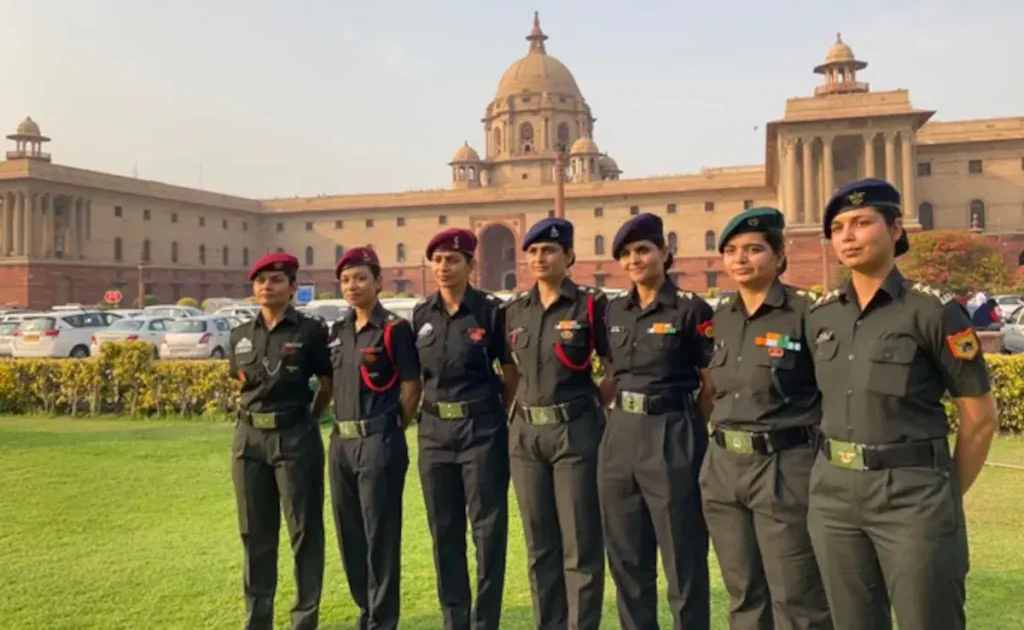
Women have served in the armed forces since the 1990s, initially in roles like the Medical Corps, Dental Corps, and Military Nursing Service. Today, they constitute 13.28% of the Air Force, 6.7% of the Navy, and 3.89% of the Army, with roles expanding to include combat positions in the Air Force. These milestones reflect growing recognition of women’s contributions to national security. Yet, persistent challenges—bias, procedural lapses, and misuse of authority—demand urgent reform.
Addressing Gender Bias and Stereotypes
Gender bias remains a significant hurdle, often manifesting subtly but pervasively. The case of Colonel Annu Dogra, though specifics are limited, underscores allegations of unfair treatment, biased inquiries, and misuse of authority, echoed in other cases. For instance, a 2021 Coimbatore case involved a woman Lieutenant in the Air Force alleging rape, facing pressure to withdraw her complaint and undergoing the outdated two-finger test (The Hindu, 2021). In 2024, a Srinagar case saw a woman officer alleging sexual assault, with the Internal Complaints Committee (ICC) dismissing her complaint due to a lack of eyewitnesses, revealing procedural flaws (Times of India, 2024).
These cases reflect a “stereotypical mindset” prioritizing institutional reputation over justice, rooted in masculine solidarity. The Supreme Court in Babita Puniya criticized arguments questioning women’s abilities due to “pregnancy, motherhood, and domestic obligations,” urging a cultural shift. Gender sensitization programs, as recommended by the Madras High Court in 2022 (S. Sushma v. Commissioner of Police, AIR 2022 Mad 234), should be extended to address gender stereotypes across ranks.
Non-Adherence of Vishakha Guidelines
The Vishakha Guidelines (Vishakha v. State of Rajasthan, AIR 1997 SC 3011), established to prevent sexual harassment at workplaces, mandate the formation of Internal Complaints Committees (ICCs) to handle complaints with sensitivity and impartiality. However, in the armed forces, ICCs often fail to adhere to these principles. The Srinagar case highlighted ICC dismissals based on insufficient evidence, ignoring the Vishakha requirement for a fair, victim-centric process. Non-compliance includes delayed proceedings, lack of transparency in ICC composition, and undue emphasis on eyewitness testimony, undermining trust. The Sexual Harassment of Women at Workplace (Prevention, Prohibition and Redressal) Act, 2013, codifies these guidelines, yet their implementation in the military remains inconsistent, necessitating stricter oversight and training.
Misuse of Suspension Equivalent to Arrest: Violation of Antil Directives
The misuse of suspensions in the Army, functioning as de facto arrests, is a critical issue. Such measures—restricting movement, confining officers to quarters, or excluding them from duties—mirror custodial detention without formal charges, violating the Supreme Court’s directives in Satender Kumar Antil v. Central Bureau of Investigation (2022 SCC OnLine SC 825). The Antil judgment restricted arrests for offenses punishable by less than seven years, mandating compliance with Sections 41 and 41A of the CrPC (or equivalent provisions in the Bharatiya Nagarik Suraksha Sanhita, 2023, BNSS), which require notices of appearance before arrests. The court emphasized bail as the rule and detention as the exception, highlighting the plight of undertrials, including women.
In the Army, suspensions often bypass these guidelines, subjecting officers to prolonged uncertainty and stigma. For example, past cases involved officers placed under open arrest before Court of Inquiry (COI) conclusions, only to receive minor censors, with no accountability for the humiliation caused (Indian Express, 2020). This violates Article 21’s guarantee of personal liberty and Antil’s call for a streamlined bail process. The armed forces must align disciplinary actions with these judicial mandates to prevent arbitrary measures.
Aparna Bhat: Protecting Women’s Privacy and Dignity

The Supreme Court’s ruling in Aparna Bhat & Ors. v. State of Madhya Pradesh (2021 SCC OnLine SC 230) is pivotal for protecting women victims of crime, particularly in terms of privacy, humiliation, and avoiding confrontation with the accused. The case arose from a Madhya Pradesh High Court order granting bail to a sexual harassment accused with the condition that he tie a rakhi to the victim, effectively trivializing her trauma. The Supreme Court condemned this as misogynistic, issuing directives to safeguard victims:
- No Contact Conditions: Bail conditions must avoid mandating contact between the accused and victim, protecting privacy and safety.
- Avoiding Humiliation: Judicial orders must not embarrass or humiliate victims, preserving their dignity.
- Judicial Sensitivity: Judges must be trained to avoid gender biases, ensuring victim-centric approaches.
The Aparna Bhat judgment reinforces the right to privacy under Article 21, as affirmed in K.S. Puttaswamy v. Union of India (AIR 2017 SC 4161), which recognizes privacy as intrinsic to dignity. For women officers, this is critical, as complaints of sexual misconduct are often met with attempts to discredit them, including through unauthorized psychiatric evaluations in unregistered wards, violating the Mental Healthcare Act, 2017.
Protection of Children of Women Officers
Women officers facing suspensions or biased inquiries endure profound personal impacts, particularly on their children, who suffer secondary victimization. Prolonged suspensions disrupt family stability, causing emotional distress, social stigma, and educational disruptions. The Antil judgment’s emphasis on avoiding unnecessary custodial measures is vital, as women officers bear disproportionate familial responsibilities. The armed forces must implement expedited inquiries, interim financial support, and counseling to protect officers’ children, adapting civilian measures like victim anonymity outlined in state affidavits to the Supreme Court.
Delay in Justice: Impact on Age, Promotion, and Career
Delays in resolving complaints or inquiries severely impact women officers’ careers, particularly due to age-based promotion criteria. Prolonged suspensions or inquiries can prevent officers from meeting promotion board timelines, stalling their progression. The Babita Puniya ruling emphasized timely implementation of PC and command roles, yet delays in justice undermine this mandate. The Antil judgment highlighted systemic inefficiencies causing delayed trials, violating Article 21’s right to a speedy trial. Time-bound inquiries are essential to preserve women officers’ career prospects and professional dignity.
Misuse of Military Police and Lack of Judicial Awareness
The misuse of military police in disciplinary proceedings, often for unauthorized seizures or coercive measures, is a significant concern. The Army Act, 1950, and its rules do not provide for property seizures in criminal proceedings, which fall under the CrPC (or BNSS). However, military police sometimes act beyond their authority, misled by legal advisers or commanders. Judges, often unfamiliar with military law, fail to distinguish between administrative proceedings (e.g., Court of Inquiry) and disciplinary proceedings, leading to flawed rulings. For instance, a COI is a fact-finding board, not a criminal investigation, yet officers have been placed under open arrest prematurely, causing humiliation without accountability (Hindustan Times, 2019).
Judicial training on military law and the applicability of CrPC/BNSS when special acts are silent is crucial. The Supreme Court in Union of India v. Major General Shri Kant Sharma (2015 SCC OnLine SC 1076) clarified that the Army Act does not oust CrPC jurisdiction in criminal matters, emphasizing procedural fairness.
Privacy Rights and Fundamental Rights of Soldiers
Soldiers’ privacy rights, governed by the Army Act and rules under Article 33 of the Constitution, are not absolute but restricted only by specified laws. The Supreme Court in Ram Jethmalani v. Union of India (2011 SCC OnLine SC 1024) reaffirmed that fundamental rights, including privacy, persist unless explicitly curtailed. Women officers’ privacy is often violated through unauthorized psychiatric evaluations or public shaming during inquiries, contravening Puttaswamy and Aparna Bhat. The armed forces must ensure that restrictions on soldiers’ rights are lawful and proportionate, particularly for women facing gender-specific vulnerabilities.
Court of Inquiry: Misconceptions and Transparency
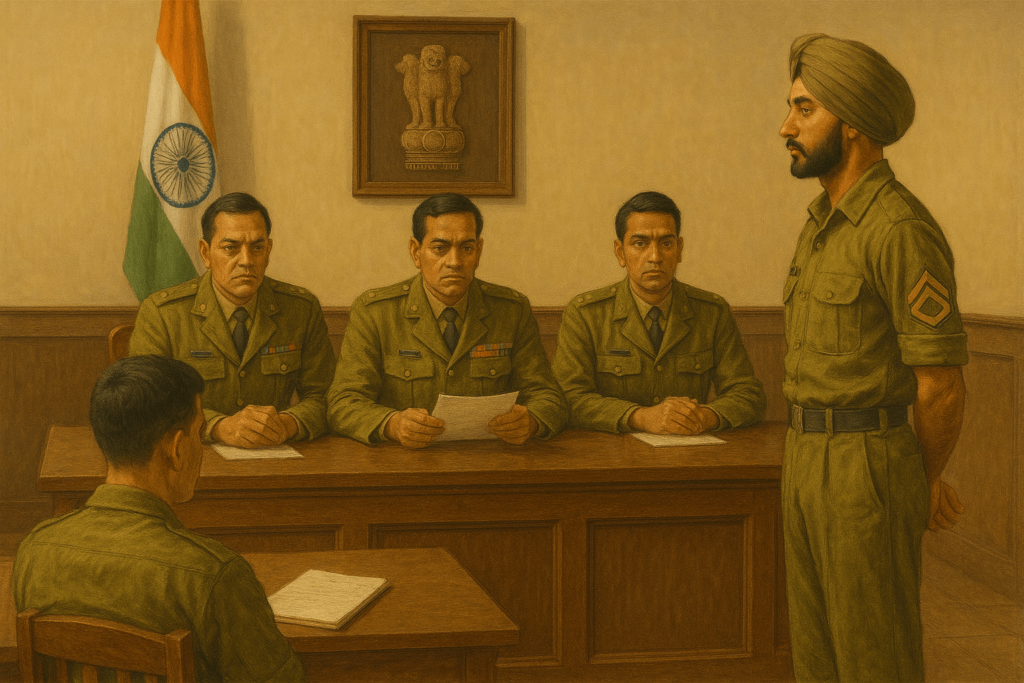
The Court of Inquiry (COI), often mistaken for a judicial court, is a fact-finding board with no power to compel witnesses or enforce testimony, as per Army Rule 177. Yet, COIs are sometimes treated as criminal investigations, leading to premature suspensions or open arrests, as seen in past cases (The Tribune, 2020). This misapplication causes undue hardship, particularly for women officers, whose character and reputation are unfairly questioned. To enhance transparency, the entire COI file—proceedings, notings, and correspondence—should be provided to the affected officer, fostering accountability and trust. This would also check legal advisers and Discipline Vigilance staff, who may negatively influence commanders, as seen in cases of biased ICC verdicts.
National Security as a Pretext
The invocation of “national security” to shield misconduct or justify opaque processes is a recurring issue. The Supreme Court in Extra Judicial Execution Victim Families Association v. Union of India (2016 SCC OnLine SC 711) emphasized that even in disturbed areas, human rights violations must be investigated. Allegations of national security must be verified, not accepted as gossip, to prevent misuse against women officers raising legitimate grievances. Courts must scrutinize such claims to ensure accountability.
Critical Areas for Introspection and Reform
To safeguard women officers and ensure justice, the armed forces must address:
- Strengthen ICCs: Ensure ICCs adhere to Vishakha Guidelines and the 2013 Act, with independent, gender-sensitized members and transparent audits.
- Regulate Psychiatric Facilities: Register all psychiatric wards under the Mental Healthcare Act, 2017, to prevent misuse.
- Enforce Antil Directives: Align suspensions with Satender Kumar Antil, restricting custodial measures and prioritizing release.
- Uphold Aparna Bhat Principles: Protect women’s privacy by avoiding contact-based conditions, humiliation, or confrontation with the accused.
- Address Delays: Implement time-bound inquiries to preserve promotion eligibility, per Babita Puniya.
- Curb Military Police Misuse: Restrict military police actions to Army Act provisions, applying CrPC/BNSS for seizures.
- Judicial Training: Educate judges on military law and the distinction between administrative and disciplinary proceedings.
- Ensure Transparency: Provide COI files to affected officers, holding legal advisers accountable for bias.
- Protect Children: Offer interim support and counseling for children of women officers, addressing secondary victimization.
- Combat Stereotypes: Expand gender sensitization programs, drawing on civilian models (S. Sushma).
- Leverage Technology: Create secure, anonymous reporting platforms to reduce retaliation risks.
- Engage Civil Society: Collaborate with NGOs for gender-just policies.
Conclusion
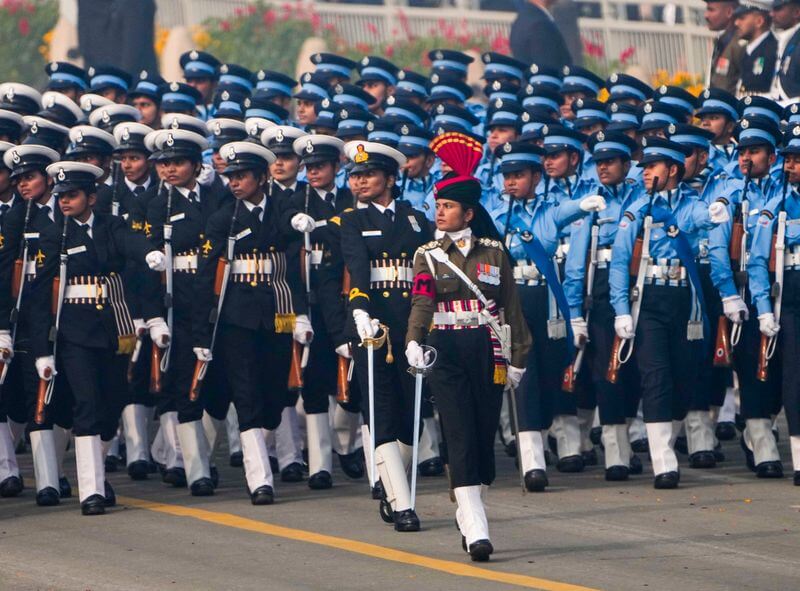
The inclusion of women in the Indian Armed Forces, bolstered by rulings like Babita Puniya (AIR 2020 SC 1263), marks significant progress toward equality. However, challenges—non-adherence to Vishakha Guidelines, misuse of suspensions violating Satender Kumar Antil (2022 SCC OnLine SC 825), privacy violations contravening Aparna Bhat (2021 SCC OnLine SC 230), and procedural lapses—persist, as seen in cases like Colonel Annu Dogra’s. By strengthening ICCs, ensuring transparency in COIs, training presiding officers, and protecting fundamental rights, the armed forces can uphold justice and dignity. A transparent, accountable system will empower women officers, safeguard their children, and reinforce trust in the institution, ensuring their invaluable contributions to national security are respected and protected.


So true, we need a fresh reforms regarding the equality of women in the armed forces.
So exhaustive and informative. If only followed judiciously on ground…
Great article..
Meticulously written. High time for the Forces and leaders to work upon a policy that ensures the counter check on stereotypes in every institution. The live examples of cases and their handling raises a big question on the women safety. This the accountability part has to be work out. Article brings out various facets of gender bias in forces. Thank you author for enlightenment. I keep on reading your articles and it’s shows the maturity with intellect. Thank u.
Greater diversity in defense thro’ inclusion of women improves military image and effectiveness towards reflective society. It also promotes institutional change for better working conditions. The article explains to the mindset that portraying women as weaker sex can no longer hold since their abilities equal men and Apex court ruling parity of women and men for permanent commissioning and command positions in the defense forces. A very well explained and informative article.
Have been reading your article regularly and observe how pathetic Indian armed forces look at gender biased justice. It’s really matter of concern for taja khabar to make it national news by incorporating the cases and injustice, supremacy of men officers playing with their counterparts without being tracked by justice. These cases should be brought into the knowledge of the netas of the nation changing India towards developed nation including defence minister, home minister as well as prime minister to order an enquiry from the level of CBI or other national agencies.
Well written article to raise extremely important issue in armed forces and atrocities against women.
Excellent article and an eye opener for novices dealing with legal and staff. Accountability part was an important aspect that the writer has beautifully and legally covered with the upcoming complications for the commander who are blindly having faith and do not apply their mind. Keep it up. Excellent read.