

The National Aeronautics and Space Administration (NASA), the famous US space agency has been actively exploring the planet Mars for decades. NASA’s Mariner 4 was the first spacecraft to accomplish a successful flyby of Mars in 1965. It was for the first time in human history that a spacecraft had captured the first close-up images of another planet.
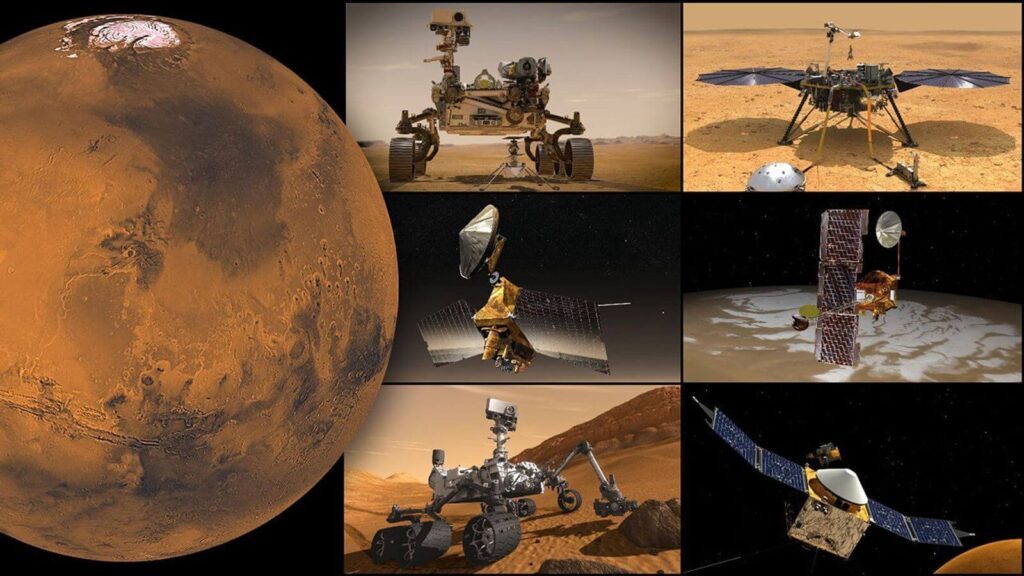
Since then, various missions of NASA have gone towards Mars and some of them have landed robotic equipment on the Martian surface to undertake various observations. Around 2030, NASA is planning to send humans to Mars.

Viking 1 mission, which had an orbiter and a lander component was the first spacecraft to successfully land on Mars (1976). On Aug. 7, 1980, Viking 1 spacecraft ended its mission on Mars because after four years of orbiting Mars, the orbiter ran out of attitude-control propellant. Incidentally, the lander was able to undertake scientific observations till 1983.
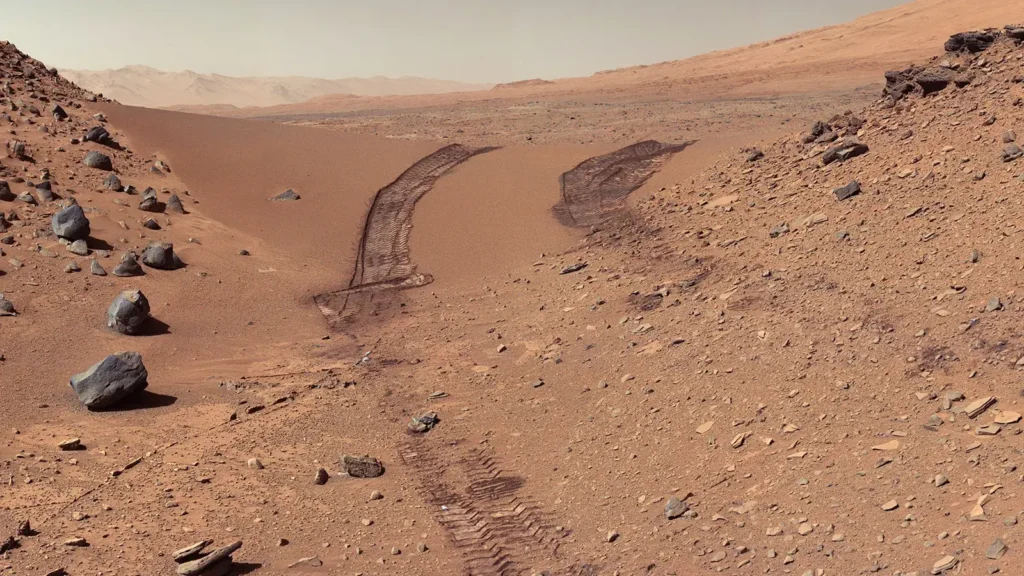
Another important event related to Mars happened during Aug 06/07, 2025 which needs more attention. It was the 13th anniversary of the landing of NASA’s Curiosity Mars rover. On August 06, 2012, NASA’s Curiosity rover had successfully touched down on the Martian surface. This mission was launched during 2011. Interestingly, the Curiosity rover is still fully functional and continues giving various inputs about the topographical features of the Martian surface. During the last 13 years, Curiosity rover has travelled more than 35 km of a distance.
Recently, on Aug 07, 2025 Elon Musk has announced that Space X is planning an unmanned Starship flight to Mars around Nov/Dec 2026 with Optimus explorer robots. Space agencies get an opportunity to undertake missions to Mars roughly after every 26 months since that is the time when Mars comes closest to the Earth. The next Mars launch window would be available during the year 2028. Hence, possibly Musk is looking for a 2026 window. However, there are issues related to Starship, which is a two-stage, fully reusable, super heavy-lift launch vehicle. Till date Starship has launched 9 times, with 4 successful flights and 5 failures.
NASA had decided to put Curiosity rover on the Gale Crater on Mars because this region is expected to provide a unique window into the planet’s ancient past, particularly was the planet habitable to microbial life and was there any water activity in the past. The near-surface atmospheric temperature range in Gale Crater is expected to be -90°C and 0°C. Under its Mars Science Laboratory programme, Curiosity rover is studying Martian climate and geology. The broad purpose is to collect data for a possible human mission to Mars in future.
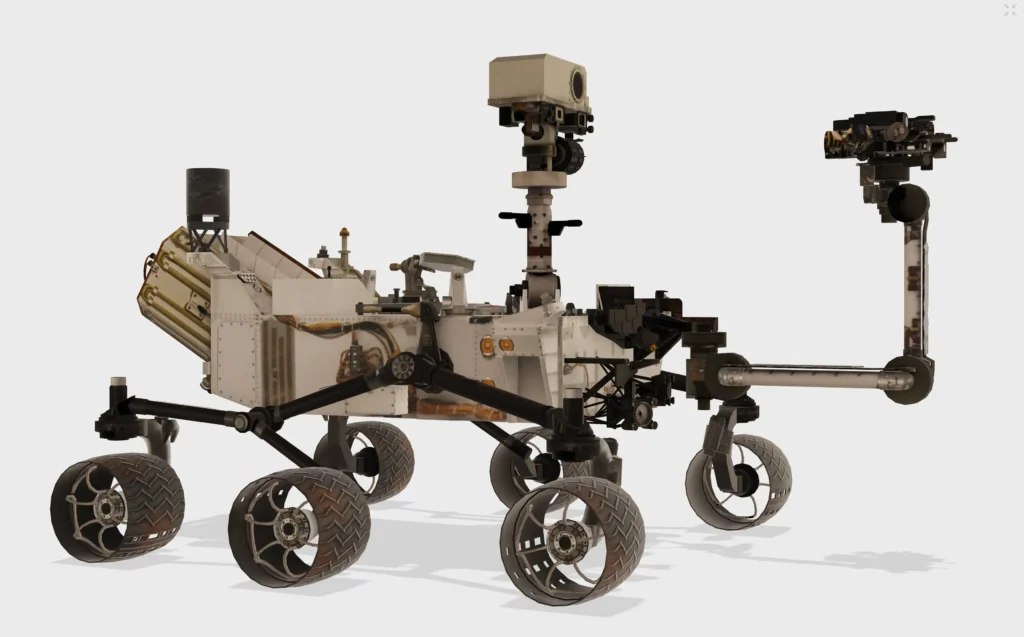
Curiosity is a car-sized Mars rover armed with 17 cameras and a 7-foot-long robotic arm made using aluminium and titanium. It has a turret holding various tools and extends from the front of the rover to about 7.5 feet. The arm has five degrees of freedom and can do different movements and can use specialized laboratory-like tools and instruments for activities like drilling and undertaking analysis of rocks and soil samples.
During 2012, Curiosity landed on Mars by using a series of complicated landing maneuvers. NASA had undertaken a specialized landing sequence, which employed a giant parachute, a jet-controlled descent vehicle and a bungee-like apparatus called a ‘sky crane’. This rover is approximately 10 feet long, 9 feet wide, and 7 feet tall in its dimensions and weighs around 1000 kg. Hence, being a larger and heavier rover no direct soft landing was attempted and instead a ‘sky crane’ was used for putting the rover on the Martian surface.
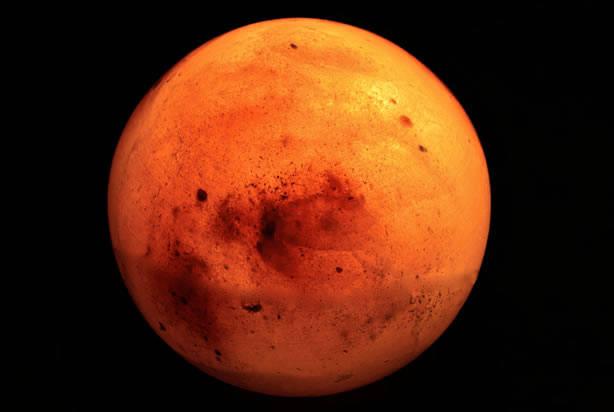
During the last 13 years Curiosity has provided a wealth of data about the Martian past and present. Key data inputs include evidence of past liquid water, confirmation about ancient lake beds and of waves and ripples. As per NASA, they have also received inputs about the discovery of organic molecules and variability in methane levels. Moreover, important knowledge has been gained into the planet’s geology, plus the formation of rock layers and the presence of minerals like magnesium sulphates.
In specific terms, the 13 years of data collection and analysis indicates that Gale Crater was once an ancient lakebed and had conditions favourable for supporting microbial life. Particularly, the discovery of organic molecules in Martian rocks and fluctuating methane levels in the Martian atmosphere indicates that life could have existed in some form or other. Various observations gathered over the years provide a deeper understanding of Martian climate history and possible reasons for the loss of its atmosphere.
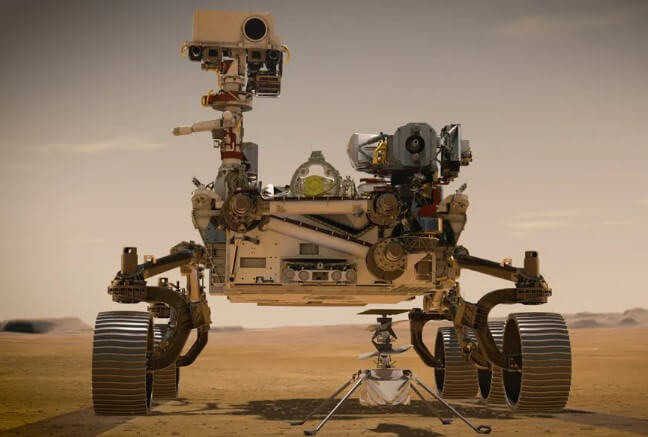
Now, NASA is giving new life to this 13 years old rover. With recent software upgrades, this rover has gained new autonomy. This allows the rover to multitask and put itself to sleep early when it finishes its daily tasks. Obviously, this helps conserve energy from its aging nuclear power source and extend its scientific lifespan. Curiosity is powered by a multi-mission radioisotope thermoelectric generator (MMRTG). This system converts heat from the natural decay of plutonium into electricity to recharge the rover’s batteries. But with plutonium decay, the system is taking longer to recharge the batteries. Hence, to boost the rover’s efficiency engineers are combining previously standalone tasks. This is allowing them to shorten each day’s tasks. As per some estimates the rover is expected to remain operational until at least 2026.
The story of the Curiosity rover is truly extraordinary. For 13 years, it has endured the harsh terrain and extreme climate conditions of Mars. Despite these challenges, it continues to make significant contributions to our understanding of the Red Planet. This valuable data is helping NASA and other space agencies plan future human missions to Mars more effectively.