

Why India must move from fragmented schemes to a rights‑based health system
Promise of Universal Health Coverage:

Universal Health Coverage (UHC), as defined by the World Health Organization, means that all individuals and communities can access quality health services without suffering financial hardship. In India, this remains an unfinished agenda. More than 20 million citizens are pushed below the poverty line each year due to unaffordable healthcare costs and poor access to timely, quality primary care. While schemes such as Ayushman Bharat–PMJAY, the Central Government Health Scheme (CGHS), and the Employees’ State Insurance Corporation (ESIC) have expanded coverage, healthcare financing remains fragmented, insurance‑heavy, and dependent on out‑of‑pocket spending. The result is inequity, cost escalation, and persistent gaps in access, especially for informal workers, senior citizens, and the near‑poor.
The Union Budget 2026–27 is the most powerful instrument available to the Government of India to transition from scheme‑based financing to a rights‑based framework. This year’s budget must move decisively beyond insurance to build a universal healthcare system that treats health as a public good and a constitutional responsibility.
Raising Public Health Expenditure:

The first step toward UHC is a clear fiscal commitment. India must announce a time‑bound roadmap to raise combined Central and State public health expenditure to at least three percent of GDP. Without strong tax‑funded public systems, universal coverage will remain aspirational. Enhanced untied grants and incentive‑based transfers to States are essential to strengthen delivery capacity. Such a commitment would signal political will and institutional seriousness, aligning India with global best practices.
Strengthening Infrastructure and Service Delivery:

Incremental health spending must prioritize the public backbone of healthcare. Government hospitals, medical colleges, urban and rural primary health centres, public diagnostics, essential medicines, and human resources need sustained investment. At least sixty percent of additional allocations should be directed toward strengthening public capacity rather than insurance reimbursements. When public facilities are well‑equipped and staffed, they become the first point of care for millions, reducing dependence on expensive private providers and ensuring equitable access.
Reforming Ayushman Bharat–PMJAY:
Ayushman Bharat–PMJAY has been a landmark initiative, but its poverty‑based targeting limits its reach. The scheme must evolve into a progressive UHC platform that includes informal workers, near‑poor households, and senior citizens. Budgetary clarity is needed on coverage expansion, accompanied by expenditure rationalisation and quality safeguards. Strong cost controls, standard treatment guidelines, and pricing transparency must be introduced to prevent misuse and ensure value for public money. PMJAY must also expand beyond hospitalization to cover outpatient care, diagnostics, and chronic disease management.
Converging ESIC and CGHS:
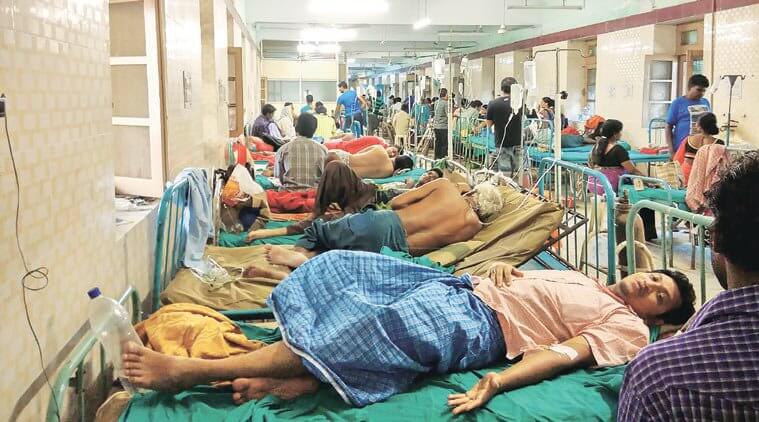
India’s healthcare financing landscape is riddled with duplication. ESIC and CGHS serve overlapping populations but operate in silos. The Budget should announce a National Health Financing Convergence Framework to integrate these schemes with PMJAY. Accumulated ESIC surpluses can be used to upgrade ESIC hospitals and strategically purchase healthcare services. Administrative and digital convergence will eliminate inefficiencies, promote equity, and simplify access for beneficiaries.
Regulating Private Health Insurance:

Private health insurance plays a growing role in India’s healthcare ecosystem, but it must be regulated in the public interest. The Budget should introduce stronger consumer protection norms, including standardized exclusions and disclosures, limits on arbitrary claim rejections, and grievance redressal mechanisms with strict timelines. Zero‑rating GST on health insurance premiums would improve affordability and signal that insurance is a form of social protection, not merely a commercial product. Regulation must ensure that insurance serves the consumer, not the insurer only.
Investing in Prevention and Primary Care:
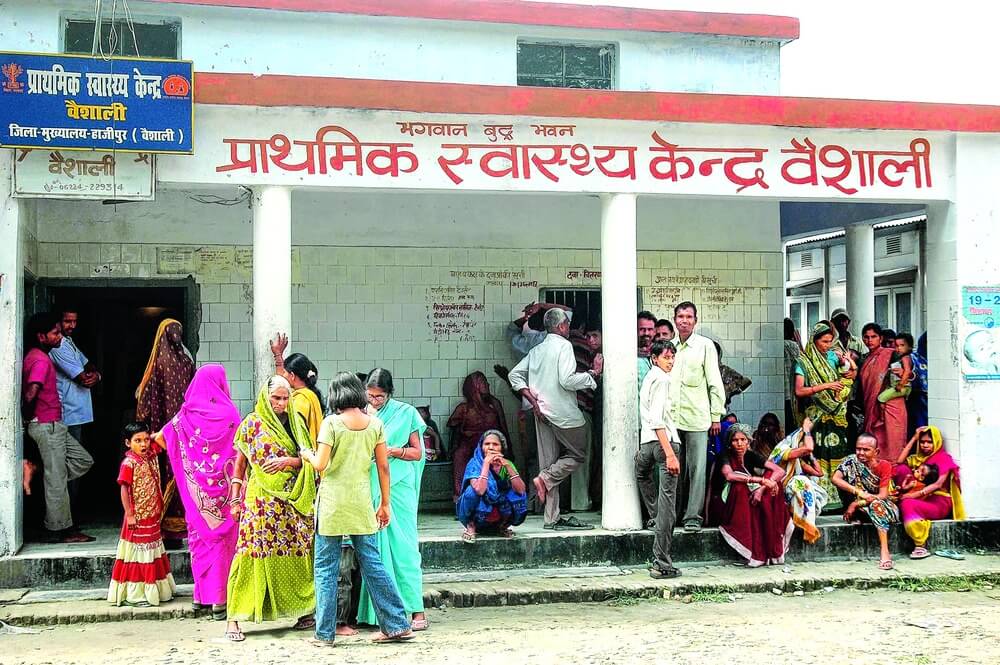
Prevention is the most cost‑effective and equitable pathway to UHC. The Budget must create dedicated lines for non‑communicable disease prevention, nutrition and maternal health, mental health services, and environmental and climate‑linked health risks. Linking a portion of Central transfers to preventive health outcomes would incentivize States to invest in long‑term resilience. Primary care must be the foundation of India’s health system, not an afterthought. By investing in prevention, India can reduce future costs, improve population well‑being, and build a healthier workforce. We must focus on the expansion of Health & Wellness Centres, which was an important vertical under the Ayushman Bharat Scheme.
Expected Outcomes:

If implemented, these measures will reduce catastrophic out‑of‑pocket expenditure, improve equity and accessibility across income groups, strengthen public institutions, contain healthcare inflation, and move India decisively toward Universal Health Coverage. The benefits will be felt not only in hospitals and clinics but also in households, workplaces, and communities. A rights‑based approach to health will enhance economic productivity, as healthy citizens are better able to work, learn, and contribute.
Appeal: A Budget That Counts for Health:

The Union Budget 2026–27 must be judged not only by fiscal prudence but by its commitment to human dignity. Healthcare is not just another sector—it is the foundation of productivity, prosperity, and national resilience. Universal Health Coverage will not be achieved through incremental tweaks. It requires bold fiscal commitment, public system strengthening, and citizen‑centric regulation. India does not need a budget that merely allocates for health. It needs a budget that guarantees it.

