


Silver has always carried a dual mystique. In folklore, it was the metal of purity, believed to ward off evil spirits and sanctify rituals. In finance, it was the poor cousin of gold — cheaper, more accessible, yet equally alluring. But in trading pits and investment circles, silver earned a darker nickname: the devil’s metal. This phrase captures the paradox at the heart of silver’s story. Unlike gold, which is seen as a safe haven, silver seduces investors with dazzling rallies and then punishes them with brutal collapses. Its volatility is legendary, its dual identity as both industrial commodity and monetary asset makes it unpredictable, and its history is littered with spectacular booms and busts.
The Hunt Brothers’ Folly
The devilish reputation began in earnest in 1979–1980, when Texas oil billionaires Nelson and William Hunt attempted to corner the silver market. Their buying spree drove prices from $6 an ounce to nearly $50. For a brief moment, silver looked unstoppable, and fortunes were made by those who rode the wave. But regulators intervened, margin rules were tightened, and the bubble burst. Within weeks, silver collapsed below $11. The episode destroyed fortunes and cemented silver’s reputation as treacherous. Traders began calling it the “devil’s metal” — a market that lures with riches but leaves devastation in its wake.
The Rollercoaster Years

Silver’s volatility did not end with the Hunt Brothers. In 2011, fueled by post‑crisis fears and speculative flows, silver surged from $18 to nearly $49 per ounce. Within months, it crashed back below $30, punishing late entrants. During the pandemic in 2020, silver plunged to $12 in March as markets panicked, then rebounded to $29 by August as investors sought safe havens. In 2025, silver outpaced gold, rising 71 percent compared to gold’s 54 percent, hitting record highs amid supply crunches and industrial demand. Each cycle followed the same devilish pattern: breathtaking rallies followed by brutal corrections.
The Structural Curse
Silver’s volatility is structural, baked into the very nature of its market. Unlike gold, which is primarily a monetary asset, silver is both a monetary metal and an industrial commodity. Industrial demand ties silver to economic cycles, from electronics and solar panels to electric vehicles. Monetary demand spikes during crises, when investors seek safe havens. This duality creates conflicting pressures that amplify volatility. Supply constraints add to the instability. Silver is often mined as a by‑product of copper, lead, or zinc, meaning production depends on broader mining economics rather than silver alone. Mine closures and resource depletion in Latin America have tightened supply further. Finally, speculative behavior magnifies swings. Silver’s relatively small market size makes it vulnerable to hedge funds, retail investors, and even social media movements like the 2021 “silver squeeze.”
The Psychology of Temptation
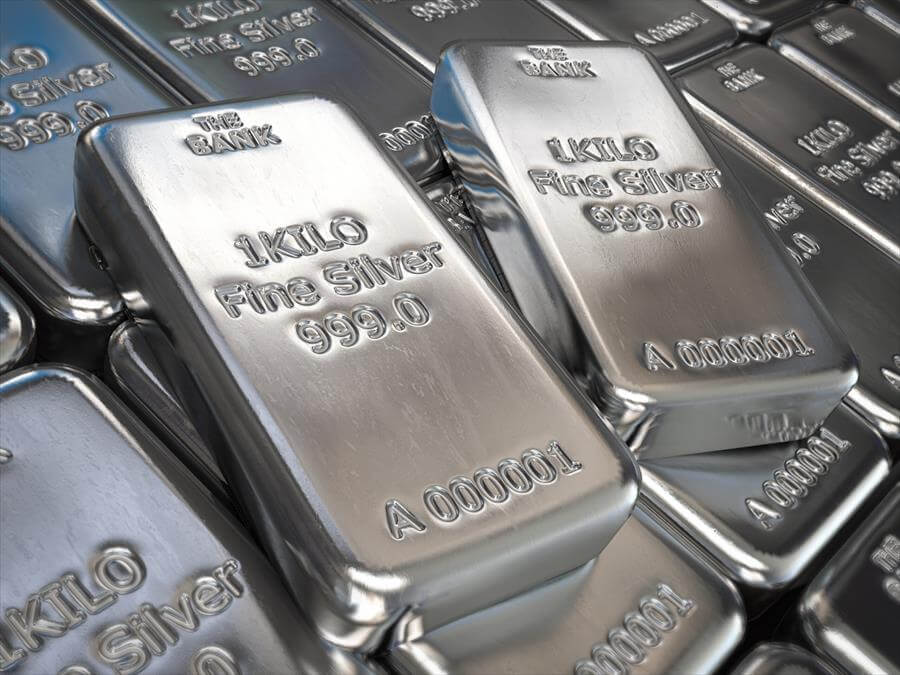
Silver’s nickname also reflects the psychology of investors. It tempts with the allure of outsized gains. A small rally can double or triple investments, drawing in speculators eager for quick profits. But corrections are swift and brutal, wiping out fortunes in days. Gold is steady, predictable, and trusted as a safe haven. Silver is volatile, seductive, and dangerous. This dynamic mirrors the metaphor of temptation and punishment — investors are drawn in by silver’s shine, only to be chastened by its volatility.
Global Echoes
The devil’s metal reputation is global. In India, silver prices crossed ₹2 lakh per kilo in 2025, doubling since the start of the year. Globally, silver’s swings often outpace gold, making it a favorite for speculators but a nightmare for conservative investors. The nickname resonates across continents because the experience of silver is universal: dazzling rallies, devastating crashes, and a constant reminder of its treacherous nature.
Lessons for Investors

Silver’s devilish dance carries important lessons. It should be treated as speculative, not as a safe haven. Diversification is essential, pairing silver with gold or other assets to balance risk. Timing matters more in silver than in gold, as entry and exit points can determine whether investors ride a rally or suffer a collapse. Above all, investors must understand silver’s dual role and susceptibility to industrial cycles. Without that awareness, they risk falling prey to the devil’s temptation.
Symbolism Beyond Markets
The nickname is more than financial jargon. It reflects broader truths about markets themselves. Volatility is seductive, drawing in those who chase quick gains. Markets punish greed, reminding traders of the dangers of speculation. Duality breeds instability, as assets with multiple roles — commodity and currency, industrial and monetary — are inherently volatile. Silver, in this sense, is a metaphor for modern finance itself: alluring, dangerous, and unforgiving.
Conclusion:

Silver is called the “devil’s metal” not because of folklore but because of finance. Its volatility, dual identity, and history of spectacular rallies and crashes make it treacherous. Yet silver remains indispensable — in industry, in investment, and in symbolism. The nickname is both a warning and a lesson. Silver tempts with brilliance but punishes with volatility. Investors who approach it with discipline may harness its potential; those who succumb to temptation may face the devil’s wrath.