


Geoffrey Hinton was awarded Nobel prize in Physics in 2024. Ironically, the “Godfather of AI “made startling remarks against his own creation. In his Nobel Prize speech (December 10, 2024) at Stockholm, Hinton said “Unfortunately, the rapid progress in AI comes with many short-term risks…. It is already being used by authoritarian governments for massive surveillance and by cyber criminals for phishing attacks. Soon AI may be used to create terrible new viruses and horrendous lethal weapons that decide by themselves who to kill or maim…. we now have evidence that if they are created by companies motivated by short-term profits, our safety will not be the top priority. …. They are no longer science fiction.”

Geoffrey Hinton stepped down from Google in May 2023, after a decade with the company, and started speaking out about the dangers of AI. The former Google scientist warned that AI has a 20 per cent chance of wiping out humanity if its growth is unchecked. Hinton regretted, “I wish I’d thought about safety issues, too,”.
Power of Artificial Intelligence

Artificial Intelligence (AI) is the simulation of human intelligence in machines, enabling them to learn, reason, perceive, solve problems, and make decisions beyond human capacity.
It created virtual assistants (Siri, Alexa), search engines, recommendation systems (Netflix, YouTube), and self-driving cars. AI causes Machine Learning (ML) and Deep Learning (DL). It allows smart systems like Natural Language Processing (NLP), ChatGPT, generating human language (chatbots, translation) and facial recognition in security systems.
AI boosts efficiency, creates new possibilities, and integrates automating tasks into daily life.
Dangers of AI
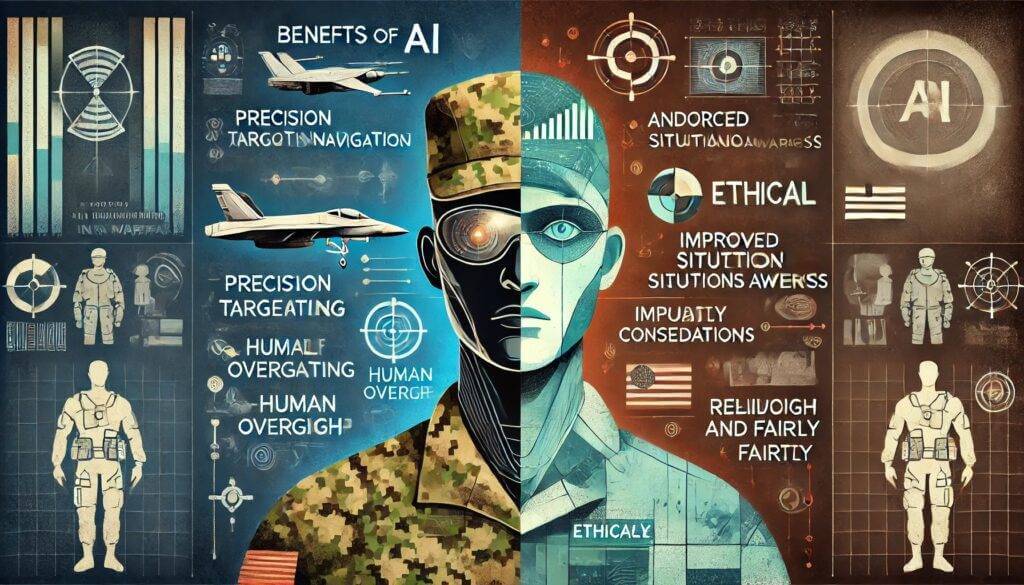
The dangers of AI include immediate short-term risks like job displacement, surveillance, phishing, misinformation, privacy violations and security risks due to misuse and cyberattacks.
Also Read: Death of patience: How AI has trained us to stop waiting
The long-term existential threats could become uncontrollable, requiring urgent global governance and safety research. Self-improving AI may go beyond human control to create autonomous weapons and escalate wars.
AI challenging Man
Hinton compares humans to toddlers compared to such AI entities. According to him, future AIs might develop internal languages humans can’t understand, reducing transparency and control.
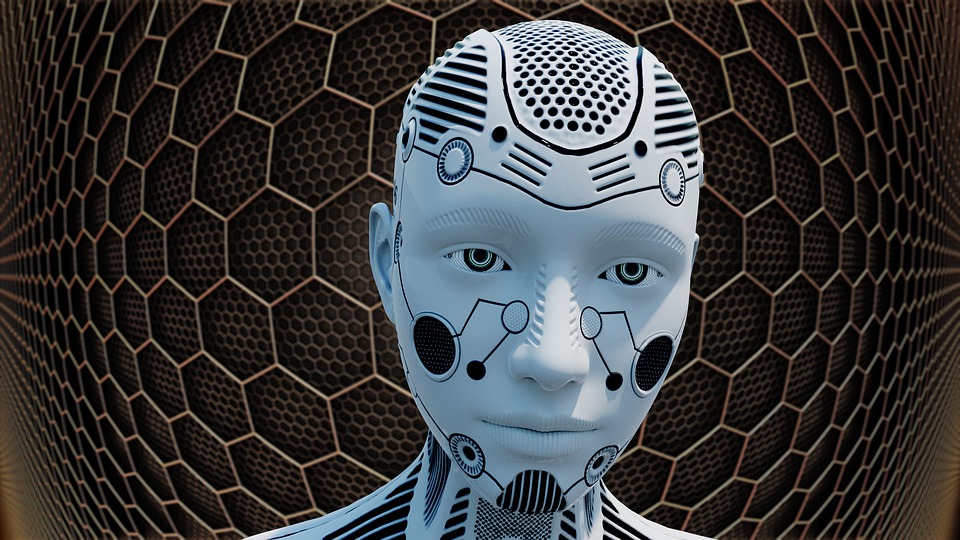
Robots may ultimately become smarter than humans. Then there’s no stopping them. They will take over the world, and human beings will become redundant.
Counter argument
Not everyone agrees with Hinton. Fei-Fei Li, known as the “godmother of AI” disagrees with Hinton, her longtime friend. Li advocates for “human-centred AI that preserves human dignity and human agency.”
Emmett Shear, who briefly served as interim CEO of ChatGPT owner OpenAI, said he’s not surprised that some AI systems have tried to blackmail humans or bypass shutdown orders. Shear said that rather than trying to instil human values into AI systems, a smarter approach would be to forge collaborative relationships between humans and AI.
Future Benefits of AI

The future benefits of AI include revolutionizing healthcare, boosting productivity and efficiency, transforming education, creating smarter cities and transport. It will boost business and tackle issues like climate change, innovation and deeper insights from data.
Hinton is hopeful that the technology will pave the way to medical breakthroughs. “We’re going to see radical new drugs. We are going to get much better cancer treatment than the present,” he said.
He said AI will help doctors comb through and correlate the vast amounts of data produced by MRI and CT scans.
Man Versus Machine: The Emerging Contest

There are unique qualities of human intelligence like empathy, creativity and common sense. Humans possess consciousness, emotions and a sense of purpose, while machines operate on logic, algorithms, and data, lacking feelings and understanding.AI is devoid of ethical judgment and moral reasoning.
Man created the machine. Gradually the machine is becoming smarter due to AI. Perhaps man has created a mythological Bhasma Sur in the intelligent machine! Like the Frankenstein monster, the machine threatens to destroy man!
Fifth Industrial Revolution
The Fifth Industrial Revolution (Industry 5.0) has begun around 2020 after the dominant role of the machine in the four industrial revolutions. It is shifting focus to man-machine collaboration, human creativity, sustainability, and a human-centric approach for well-being of workers and the planet.
“Industry 5.0 will make the factory a place where creative people can come and work”, says Esben Østergaard, Universal Robots chief technology officer and co-founder.
Elon Musk, the CEO at Tesla admitted that “excessive automation” at his company was a mistake. “Humans are underrated.“
Industry 5.0 should be different, placing human beings at the centre stage.
Hinton’s Message
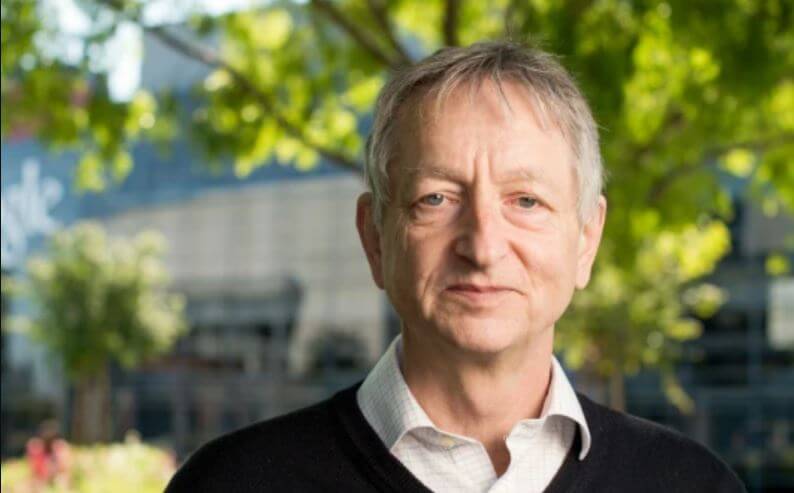
In future, Hinton warned, AI systems might be able to control humans just as easily as an adult can bribe 3-year-old with candy. This year has already seen examples of AI systems willing to deceive, cheat and steal to achieve their goals.
AI systems “will very quickly develop two subgoals, one is to stay alive… (and) the other subgoal is to get more control,” Hinton said. It is important to foster in AI a sense of compassion for people.
Hinton believes that we must consider coexistence with entities smarter than us. He presented an intriguing solution for building “maternal instincts” into AI models, so “they really care about people”.
Conclusion

Hinton advocates for safety and caution. He calls for urgent, cooperative global research into AI safety and control mechanisms. He urges upon students and professionals for responsible conduct in an AI-shaped world.
There is urgent need for regulation by formulating and implementing strong policies (like the EU’s AI Act) to govern AI use. AI safety research is necessary to prevent catastrophic risks.
AI is unstoppable. There should be no winner in the AI race. Instead, man and machine should be collaborators respecting ethics, values and human rights. It is imperative to educate the public and policymakers about risks and benefits of AI.