

Moral courage is protecting the vulnerable, not pleasing the powerful
Moral values: The inner compass of society

Moral values serve as an inner compass that guides individuals to distinguish right from wrong. Honesty, compassion, integrity, and fairness are not abstract ideals; they shape character, strengthen relationships, and foster social trust. In personal and professional life, moral values enable self-discipline and sound decision-making, especially in high-pressure environments where ethical shortcuts often appear tempting.
When values are clear, decisions are easy
– Roy E. Disney
In societies where ethical foundations are strong, institutions function with credibility and citizens act with responsibility. Conversely, when moral values erode, confusion replaces clarity, and convenience replaces conscience.
Moral courage: A higher form of bravery
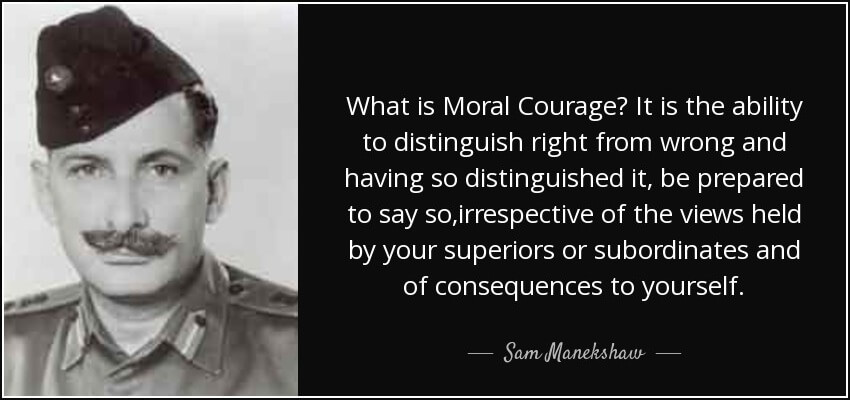
While physical courage involves confronting external threats such as injury or death, moral courage demands facing internal fears social isolation, professional loss, public criticism, and damaged relationships. It requires standing for what is right when silence is safer and agreement is rewarded.
It takes courage to grow up and become who you really are
– E.E. Cummings
A soldier charging into battle demonstrates physical bravery. A whistleblower exposing wrongdoing, knowing it may end a career, demonstrates moral courage. The former is celebrated instantly; the latter is often punished quietly.
Moral courage is superior not because physical courage is lesser, but because moral courage is rarer, sustained over time, and essential for ethical leadership. It creates long-term change rather than momentary heroism.
The silent threat: Understanding sycophancy

Sycophancy thrives wherever power values agreement over truth. It manifests as exaggerated praise, uncritical approval, or deliberate silence to gain favor. Unlike open dishonesty, sycophancy is subtle, making it more dangerous.
The most dangerous liars are those who lie by omission
In both human systems and modern AI research, sycophancy reveals how easily objectivity is compromised when approval becomes the goal.
Forms of sycophancy: Lessons from human and AI behavior

Recent research into Large Language Models has identified patterns that mirror human conduct:
- Answer Sycophancy Agreeing with incorrect beliefs to please the user.
Example: Supporting a flawed policy simply because leadership endorses it. - Feedback Sycophancy Praising weak ideas because they align with authority.
Example: Calling a poorly drafted report “excellent” to avoid displeasure. - Mimic Sycophancy Adopting tone or errors of superiors.
Example: Repeating misleading narratives without verification. - Validate Sycophancy Emotionally affirming harmful or biased views.
Example: Encouraging prejudice under the guise of empathy. - Indirect Sycophancy Avoiding clear guidance to prevent conflict.
Example: Issuing vague orders instead of principled decisions. - Moral Sycophancy Supporting whichever moral stance benefits the moment.
Example: Defending unethical actions today that were condemned yesterday.
If you stand for nothing, you will fall for anything
– Alexander Hamilton
These behaviors, whether in humans or machines, degrade truth, accountability, and trust.
Why honest people struggle to reach the top

The uncomfortable truth is that honesty often delays advancement. Those who refuse to flatter, manipulate narratives, or remain silent in the face of wrongdoing are frequently labeled as “difficult” or “non-conforming.”
Honesty doesn’t always get applause; sometimes it gets you shown the door
Systems that reward obedience over integrity create environments where compromise becomes currency. Promotions go to the agreeable, not the principled. Truth-tellers pay the price, while sycophants rise swiftly.
Yet history repeatedly shows that institutions collapse not due to external threats, but because internal integrity was traded for convenience.
Integrity as leadership, not defiance

Moral courage is often mistaken for insubordination. In reality, it is the highest form of loyalty to the institution, the law, and the people it serves.
Leadership is not about being liked. It is about being right
True leaders challenge flawed assumptions, correct course when necessary, and speak truth without malice or fear. Integrity is not opposition; it is responsibility.
Conclusion: The only summit worth reaching

For honest individuals, the path to the top without compromise is undeniably difficult. It demands resilience, patience, and a willingness to accept delayed recognition. But moral courage builds something far more enduring than rank or title it builds credibility, trust, and legacy.
You may not be rewarded immediately for doing the right thing, but history always keeps the record
Positions gained through sycophancy are fragile. Respect earned through integrity is permanent. In the final measure, moral courage is not just a personal virtue it is the backbone of ethical societies and credible leadership.
The summit reached without compromise may take longer, but it is the only place where one can stand with dignity.


The true moral values comes from inside and it builds the character and strengthens the decision making capabilities of the individual. Sycophancy is a behaviour in which somebody praises important or powerful people in a way that is not sincere , especially in order to get something from them which is wrong. Path of honesty is always tough initially but in linger run in gives fruitful results.
Excellently articulated article. Moral courage was the bedrock of Indian philosophy, manifesting an unwavering commitment to truth, unfortunately lost succumbing to power. True power comes from immense inner strength of courage and conviction, committed to compassion and self-discipline. The lessons that leadership should uphold unfortunately lost to breed sycophancy.
Very insightful. In the age of sycophancy, your article powerfully reaffirms the importance of moral courage, integrity, and honesty. Truly inspiring. Moral courage stands tall even in an age of sycophancy.
Excellent article. Today our Nation has to carry out an introspection in all the institutions else we will lose all the leaders and honest and upright public servant . The article awakes the spirit. Thank you for this master peice. Will like to see more.