

Depression is not the absence of strength, it’s the weight that fell on someone who tried to be strong for too long

Depression is a widespread yet deeply misunderstood mental health condition that affects millions of individuals across the world. It is far more complex than occasional sadness or emotional distress. Depression influences the way a person thinks, feels, behaves, and interacts with the world around them. People experiencing depression often find difficulty performing even routine activities, and in severe cases, it can significantly impair their personal, social, and occupational functioning. The World Health Organization recognizes depression as a major contributor to global disability, emphasizing the need for awareness, timely diagnosis, and effective treatment.
What is Depression

Depression is characterized by persistent low mood, hopelessness, lack of motivation, and reduced interest in enjoyable activities. It affects emotional health, cognitive functioning, and physical well-being. Despite its seriousness, depression is a treatable condition, and with the right intervention, individuals can recover and live fulfilling lives.
Depression is not just sadness; it’s waking up tired from battles no one else can see, carrying a heart that feels both heavy and numb. It’s forgetting what joy once felt like and doubting you’ll ever feel it again. But even in this darkness, your story isn’t over. The fact that you’re still here, still breathing, still trying in tiny invisible ways, is a quiet kind of courage. You are not broken beyond repair; you are a work in progress, not a lost cause.
Types of Depression

- Major Depressive Disorder (MDD): This is the most common diagnosed form. It involves intense sadness, loss of interest, fatigue, and disturbances in sleep and appetite lasting for at least two weeks.
- Persistent Depressive Disorder (Dysthymia): A chronic form of depression lasting two years or more, with symptoms that are less severe but long-lasting.
- Postpartum Depression: Many women experience depression after childbirth due to hormonal changes, physical exhaustion, and emotional adjustments.
- Seasonal Affective Disorder (SAD): Characterized by mood changes that occur with seasonal variations, especially in winter months when sunlight exposure decreases.
- Atypical Depression: Individuals may experience temporary improvement in mood after positive events, yet overall depressive symptoms remain present.
Causes of Depression

Depression does not arise from a single cause; instead, it is influenced by a combination of factors:
- Biological Factors: Imbalances in brain chemicals such as serotonin and dopamine play a key role. Genetic predisposition also increases the likelihood of experiencing depression.
- Psychological Factors: Negative thinking patterns, low self-confidence, unresolved trauma, and chronic stress make individuals more vulnerable.
- Environmental and Social Factors: Relationship conflicts, job pressures, financial struggles, loss of a loved one, and social isolation often trigger depressive episodes.
- Medical Conditions: Chronic illnesses, hormonal issues, thyroid disorders, and neurological conditions can contribute to depressive symptoms.
Symptoms of Depression
Depression manifests in emotional, cognitive, behavioural, and physical ways:
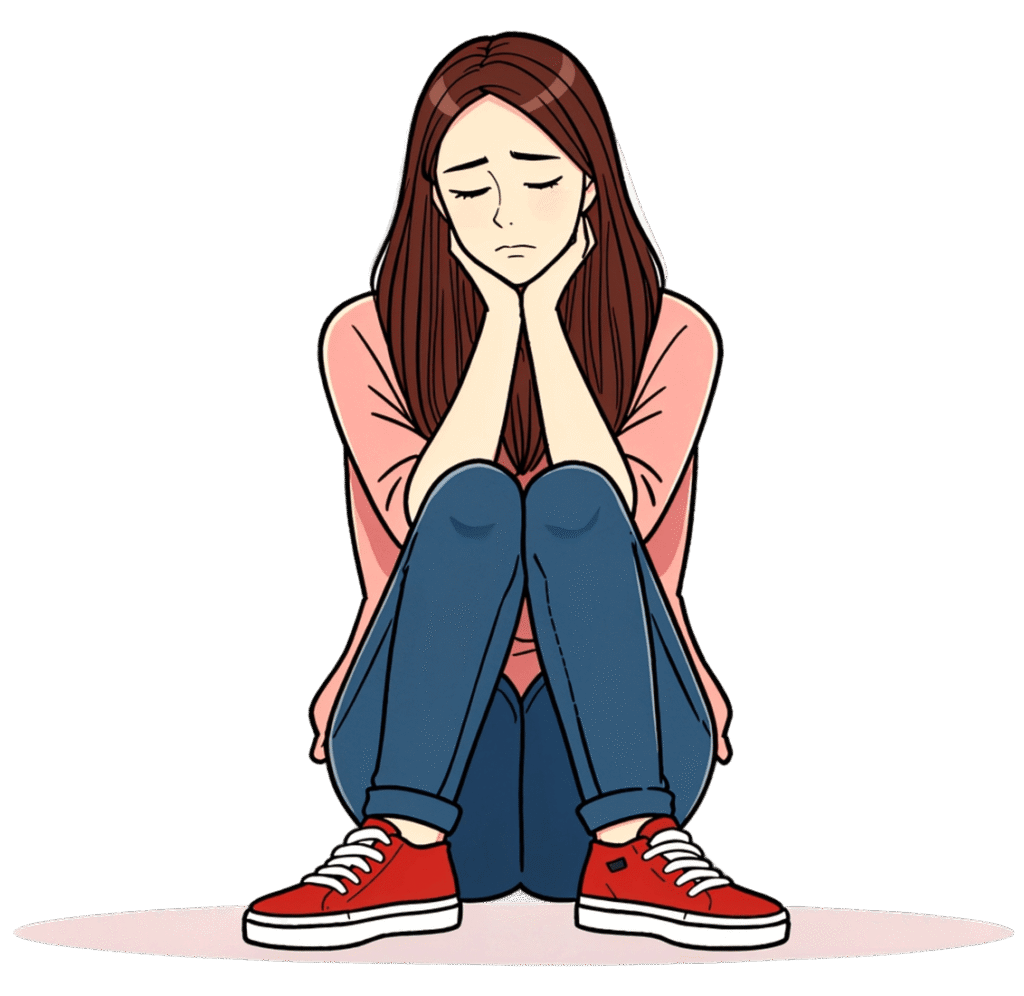
- Continuous sadness, emptiness, or hopelessness
- Loss of interest in hobbies and daily activities
- Fatigue, low energy, and reduced productivity
- Sleep problems, such as insomnia or oversleeping
- Appetite and weight changes
- Difficulty concentrating, making decisions, or remembering things
- Feelings of guilt, worthlessness, or self-blame
- Thoughts of self-harm or suicide in severe cases
Early identification of these symptoms is crucial for timely treatment.
Psychological Treatment

Psychological therapies are highly effective in managing depression:
- Cognitive Behavioural Therapy (CBT): Helps individuals identify and change negative thoughts and behaviours.
- Interpersonal Therapy (IPT): Focuses on improving communication, relationships, and social functioning.
- Counselling and Supportive Psychotherapy: Provides emotional support, stress management techniques, and insight-building.
- Mindfulness-Based Therapies: Reduce anxiety, improve emotional regulation, and promote mental clarity.
- Lifestyle Modifications: Regular exercise, balanced diet, adequate sleep, and strong social connections significantly support recovery.
Depression is a treatable condition, and with proper care and psychological support, individuals can regain balance, confidence, and well-being.